Madai Madogo na Malalamiko ya Walaji Nchini Misri: Njia ya Kufikia Haki Yako Bila Gharama Kubwa
Wengi huachana na haki zao ndogo wakidhani kushtaki mahakamani ni kwa matajiri pekee. Mwongozo wa vitendo wa njia zenye gharama nafuu: Wakala wa Ulinzi wa Walaji na namba yake ya simu 19588, mahakama za kiuchumi, amri za malipo, kamati za usuluhishi, na msamaha wa ada za mahakama.
Katika kila mtaa wa Misri hadithi zilezile hujirudia: mashine ya kufulia iliyoharibika wiki moja baada ya kununuliwa, amana ya kodi ya nyumba ambayo hairudishwi, na karakana iliyodai malipo ya matengenezo ambayo haikuyafanya. Hadithi nyingi za aina hii huishia mahali pamoja: mwenye haki hukata tamaa, akiamini kwamba kwenda mahakamani kunagharimu zaidi ya thamani ya haki yenyewe. Imani hiyo inaeleweka, lakini mara nyingi si ya kweli, kwa sababu sheria ya Misri imeweka njia kadhaa za gharama nafuu kwa migogoro midogo, na kujua njia hizo zinaanzia wapi ni nusu ya safari ya kuipata haki yako.
Kwa matatizo yanayohusu bidhaa na huduma, kituo cha kwanza na cha bei nafuu zaidi ni Mamlaka ya Kulinda Mlaji, ambayo hupokea malalamiko bila malipo kupitia namba yake ya msaada 19588, tovuti yake na matawi yake. Mamlaka huwasiliana na mfanyabiashara au mtoa huduma na hutafuta suluhu ya maridhiano, na inaweza kupeleka ukiukaji kwenye uchunguzi pale sheria inapoweka faini. Katika hatua hii huhitaji wakili wala malipo ya ada; unachohitaji ni maelezo yaliyo wazi ya tatizo na nyaraka zinazolithibitisha.
Sheria ya Misri ya kulinda mlaji inatambua haki ambazo wanunuzi wengi hawazitumii: risiti iliyo wazi kwa kila manunuzi, masharti ya dhamana yanayopaswa kuheshimiwa, pamoja na kutengenezwa, kubadilishwa au kurudishiwa fedha za bidhaa yenye kasoro ndani ya muda uliowekwa kisheria; sheria pia inakataza matangazo yanayopotosha. Kwa hiyo kutunza risiti na vyeti vya dhamana si hatua ya kiurasimu tu, bali ni silaha yako ya kwanza katika mgogoro wowote, na ndiyo tofauti kati ya lalamiko ambalo mamlaka inaweza kulifanyia kazi na simulizi ambalo halina cha kupokea zaidi ya huruma.
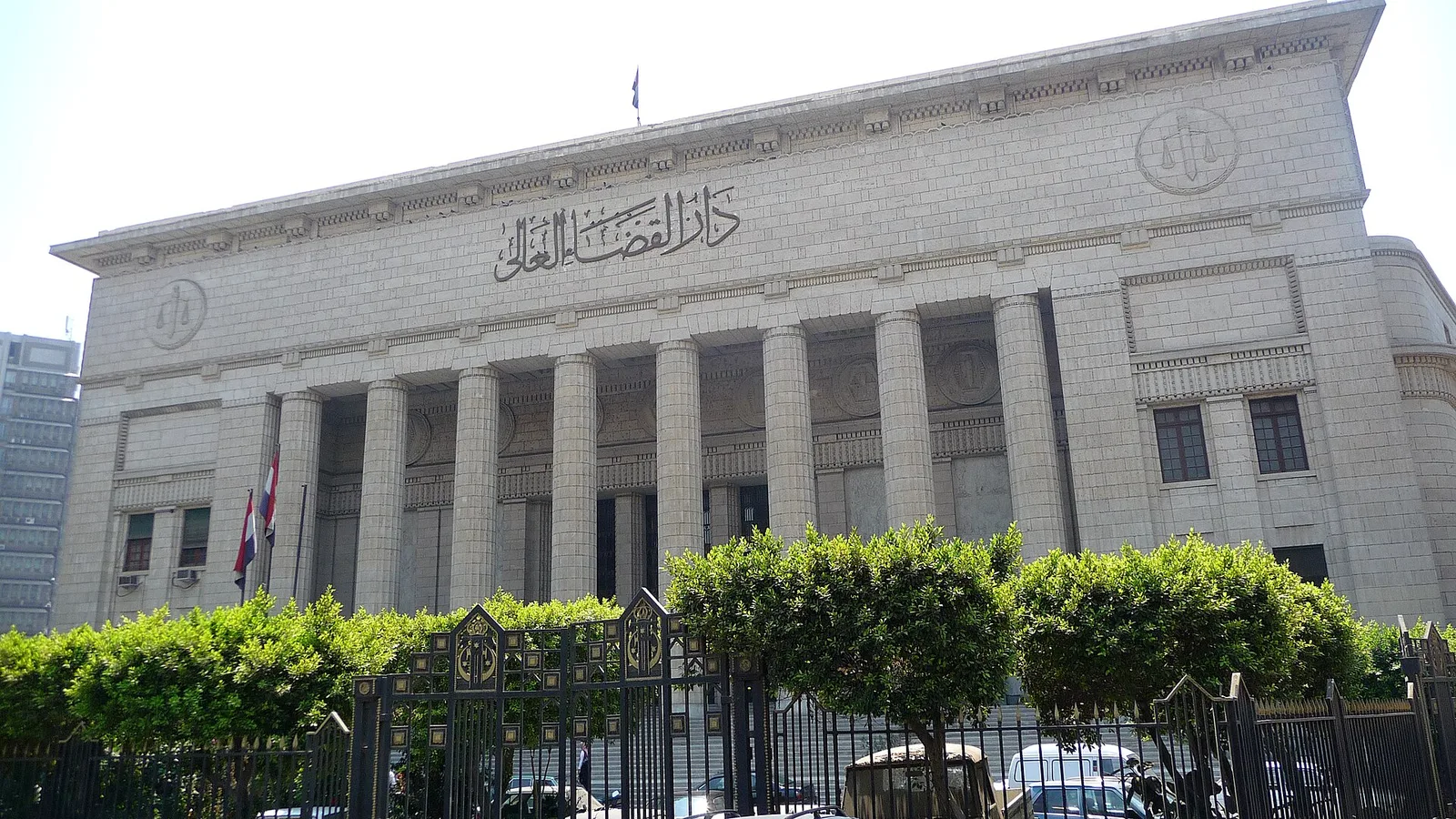
Upatanishi unaposhindwa, migogoro ya walaji haipelekwi kwenye mahakama za kawaida za madai, bali kwenye mahakama za kiuchumi zilizoanzishwa kwa Sheria Namba 120 ya mwaka 2008. Mahakama hizi maalum ziliundwa ili kukusanya utaalamu wa masuala ya biashara na kupunguza ucheleweshaji unaolemea kesi za kawaida, na migogoro inayotokana na sheria ya kulinda mlaji iko chini ya mamlaka yao. Kufungua kesi bado kunahitaji taratibu na nyaraka, lakini vitengo hivi maalum viliundwa mahsusi ili mgogoro wa mwananchi na kampuni usizame katika msongamano wa kesi za kawaida.
Kwa madai madogo ya kawaida ya kiraia — kiasi ambacho hakikulipwa au mzozo mdogo wa mkataba — mahali pake mara nyingi ni mahakama ya mwanzo, mahakama ya hakimu mmoja iliyo karibu na makazi yako, ambayo husikiliza mashauri yenye thamani iliyo chini ya kiwango kilichowekwa na sheria na kinachorekebishwa kadri ya miaka. Ada za mahakama nchini Misri kwa sehemu kubwa hupimwa kwa uwiano, zikihesabiwa kutokana na thamani ya dai, jambo linalomaanisha kuwa dai dogo lina ada ndogo. Wazo kwamba kila kesi hugharimu utajiri mzima kwa kawaida hutokana na kesi kubwa za kibiashara, nalo halihusiani na dai la pauni elfu chache za Kimisri.
Kuna nyenzo moja inayostahili kufahamika zaidi kuliko ilivyo sasa: amri ya malipo. Deni linapokuwa kiasi maalum cha fedha, kilichothibitishwa kwa maandishi na ambacho muda wake wa kulipwa umeshafika — hundi iliyorudishwa, hati ya kukiri deni iliyotiwa saini, au ankara iliyokubaliwa — mdai anaweza kumwomba hakimu atoe amri kwa kutegemea nyaraka pekee, bila kupitia kesi kamili. Mdaiwa anaweza kuwasilisha pingamizi na kuupeleka mzozo kwenye njia ya kawaida ya mahakama, lakini madeni mengi yaliyo wazi huishia hapa haraka na kwa gharama ndogo, kwa sababu nyaraka zenyewe hujieleza.
Migogoro na taasisi za serikali hufuata njia tofauti: Sheria Namba 7 ya mwaka 2000 ilianzisha kamati za usuluhishi zilizoambatanishwa na wizara na mashirika ya umma, na katika aina nyingi za madai mwananchi anapaswa kuupeleka mzozo mbele ya kamati kabla ya kufungua kesi. Hatua hii haigharimu chochote, wala si utaratibu wa kuonyesha tu: kamati hizo hupendekeza suluhu kwa vitendo, na jalada unalolijenga mbele yao — maombi, majibu na tarehe — huwa uti wa mgongo wa kesi yoyote itakayofuata.
Iwe umechagua njia ipi, ni maandalizi ndiyo yanayoamua matokeo. Kusanya mkataba, risiti, picha na ujumbe uliotumwa, na andika tarehe na majina wakati bado yako wazi kichwani. Ilani rasmi inayowasilishwa kupitia dalali wa mahakama huweka dai lako na tarehe yake katika kumbukumbu rasmi, na mara nyingi kwa kushangaza huzaa suluhu yenyewe, kwa sababu inampa upande wa pili ujumbe ulio wazi kwamba unaijua njia na una nia ya kuifuata hadi mwisho.
Gharama haipaswi kuwa kizuizi mbele ya mlango wa mahakama. Taratibu za Misri zinamruhusu asiyeweza kulipa ada kuomba msaada wa kisheria mahakamani, ikiwa ni pamoja na kusamehewa ada. Chama cha Mawakili kina mifumo ya msaada wa kisheria, vitivo kadhaa vya sheria vinaendesha kliniki za kisheria, na asasi za kiraia hutoa ushauri bila malipo katika masuala ya walaji na ya kazi. Kabla hujahitimisha kuwa wakili ni juu ya uwezo wako, uliza; katika dai dogo lenye nyaraka nzuri, kazi inayohitajika — na ada yake — mara nyingi huwa ndogo.
Kuwa na uhalisia kuhusu mwisho wa safari. Kushinda hukumu si sawa na kupata fedha mkononi; utekelezaji hupitia madalali wa mahakama nao huchukua muda wake. Hii ni sababu nyingine inayofanya hatua za mwanzo zenye gharama ndogo kuwa muhimu: suluhu inayopatikana kwa upatanishi wa mamlaka au baada ya ilani rasmi ni fedha mkononi, ilhali hukumu ni haki iliyo kwenye karatasi ambayo bado inahitaji kutekelezwa. Pima muda, gharama na uwezekano kwa uaminifu kabla ya kila hatua mpya ya kupandisha mzozo.
Hakuna lolote katika haya linalohusu ukaidi kwa ajili ya vijisenti. Wanunuzi wanapofuatilia madai yao ya haki, wafanyabiashara wanaocheza rafu hulipa gharama nao waaminifu hupata faida — dai dogo ndiyo njia ambayo soko hujirekebisha lenyewe. Anza na njia zisizo na malipo: namba ya msaada, lalamiko lililoandikwa, na ilani rasmi. Kisha panda hatua kwa utulivu, nyaraka zikiwa mkononi. Mfumo huu una milango mingi kuliko watu wengi wanavyodhani, na mingi yake ni ya gharama ndogo mno ikilinganishwa na kuachana na haki yako.
Habari Zinazohusiana

Jua Haki Yako: Kunyimwa Urithi Wako Ni Uhalifu. Kifungu cha 49 Kinasema Nini, na Unarudishaje Fungu Lako?
Tangu mwishoni mwa 2017, kukataa kukabidhi urithi si tena ugomvi wa kifamilia unaofichwa kwa ukimya, bali ni kosa la jinai linaloadhibiwa kwa kifungo na faini, kifungu kilichostahimili pingamizi mbili za kikatiba. Tunaeleza sheria inamgusa nani, kesi ya madai dhidi ya malalamiko ya jinai, kwa nini mgawanyo wa mwisho hauhitajiki, na mlango wa suluhu unaobaki wazi hata baada ya hukumu.
11 Septemba 2026 · 8 dakika za kusoma

Usajili wa Mali Isiyohamishika: Kwa Nini Mkataba wa Awali Haukulindi, na Jinsi ya Kusajili Umiliki Wako Hatua kwa Hatua
Mkataba wako wa awali uliohifadhiwa kwenye droo haukufanyi mmiliki, hata ulipe kiasi gani; nchini Misri umiliki wa mali isiyohamishika hauhamishwi ila kwa usajili. Fahamu tofauti kati ya usajili na uthibitishaji wa saini (notari), njia mbili za mahakama — kesi ya kuthibitisha saini na kesi ya usahihi na utekelezaji wa mkataba — makosa ya kawaida yanayompotezea mnunuzi haki yake, na hatua za kusajili umiliki wako kuanzia karatasi ya kwanza hadi saini ya mwisho.
30 Agosti 2026 · 8 dakika za kusoma
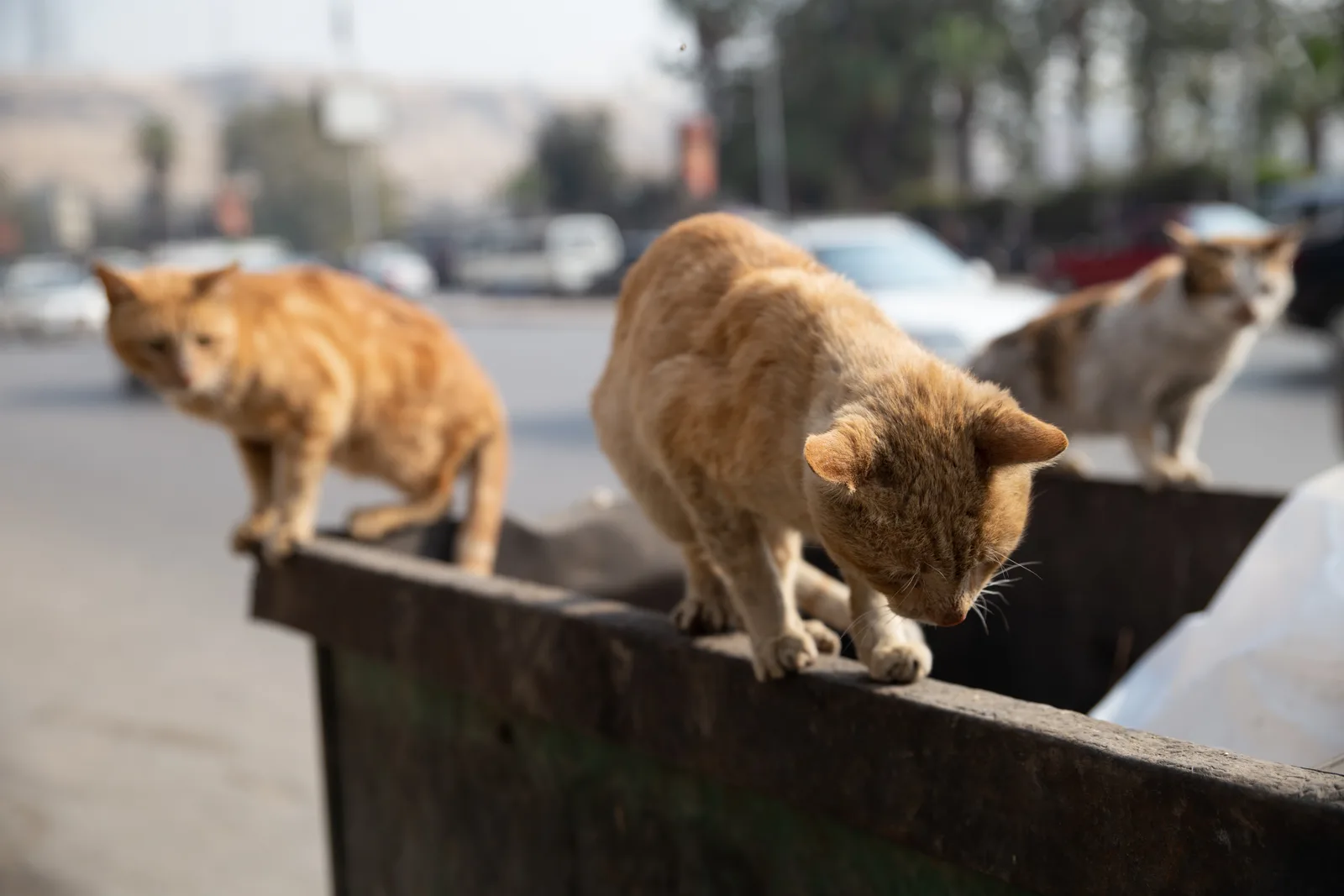
«Keda Ghalat» (Hii Si Sawa): Kudhuru Wanyama ni Kosa la Jinai Chini ya Sheria ya Adhabu ya Misri Tangu 1937
Jirani anaweka bakuli za sumu karibu na ukuta wa shule, na mmiliki wa mkokoteni anampiga punda wake usoni chini ya mzigo mzito kupita kiasi. Wengi hudhani «ni mnyama tu» maana yake hakuna sheria inayomlinda. Ukweli ni kwamba Ibara za 355, 356 na 357 za Sheria ya Adhabu zinaadhibu kuua, kutia sumu na kudhuru wanyama kwa adhabu zinazofikia kifungo jela. Katika usiku wa kuamkia Siku ya Wanyama Duniani, tunaeleza sheria inasema nini.
3 Oktoba 2026 · 6 dakika za kusoma