Ukiwa barabarani: Haki na wajibu wako chini ya sheria ya trafiki ya Misri
Nyaraka unazopaswa kuwa nazo, vifaa ambavyo sheria inataka viwepo garini mwako, na hatua za wazi za kuchukua ikitokea ajali au ukiandikiwa kosa. Mwongozo huu wa huduma unaeleza mambo muhimu ambayo kila dereva nchini Misri anapaswa kuyajua kuhusu sheria ya trafiki — kwa mujibu wa sheria yenyewe, si uvumi.
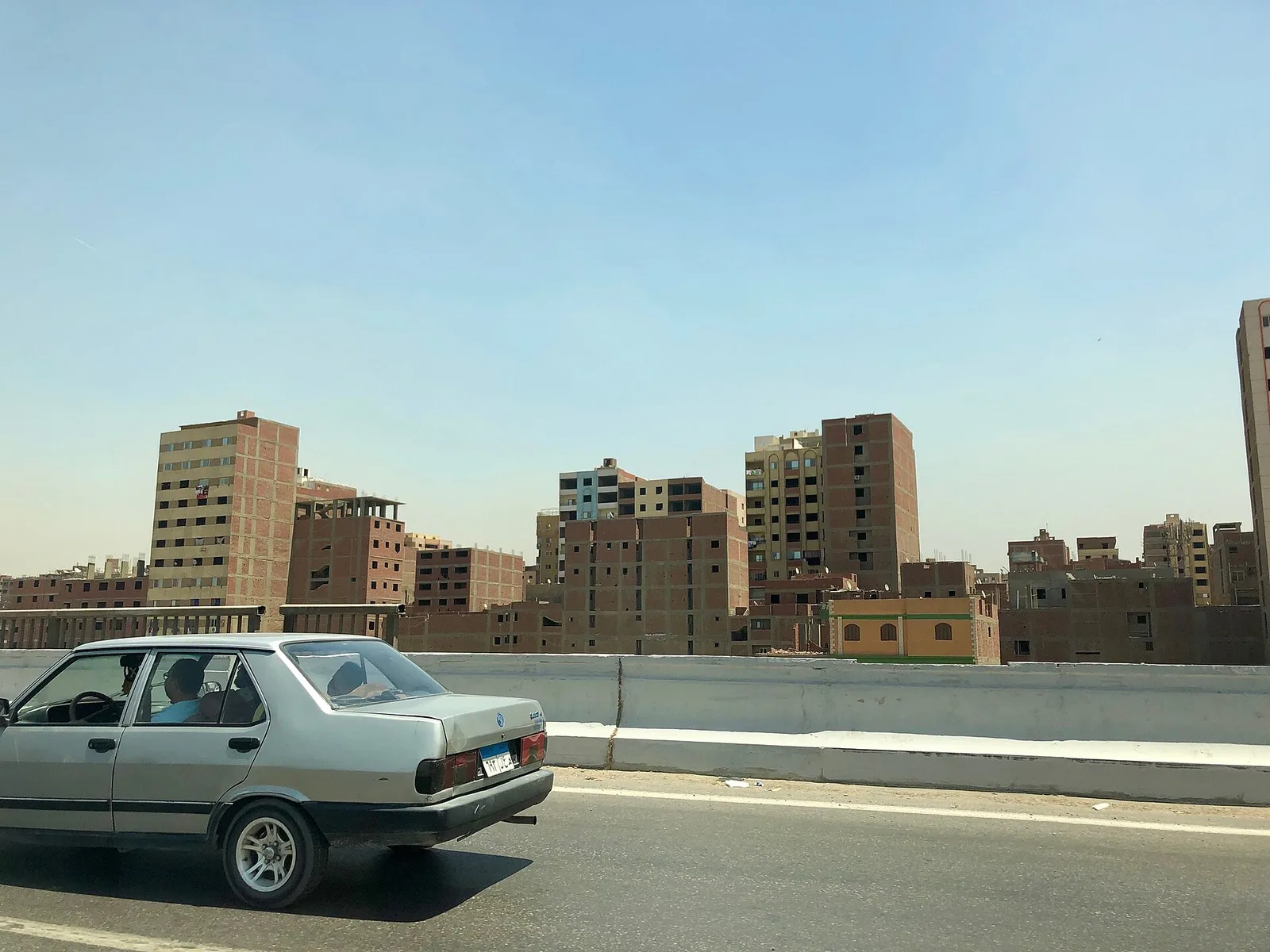
Ni sheria chache anazokutana nazo raia wa Misri kila siku kama anavyokutana na sheria ya usalama barabarani, na hata hivyo ufahamu wa wengi kuihusu umejengwa juu ya yanayozungumzwa mitaani, si juu ya matini ya sheria yenyewe. Msingi wa kisheria hapa ni Sheria ya Usalama Barabarani iliyotolewa kwa Sheria Namba 66 ya mwaka 1973 pamoja na marekebisho yaliyofuatana, hasa mkusanyiko mpana wa masharti makali yaliyoingizwa mwaka 2008, sambamba na mfumo wa bima ya lazima kwa ajali za magari. Kuelewa msingi huu humwepusha dereva na faini, na huenda ukamwepusha na jambo zito zaidi.
Msingi wa kwanza ni nyaraka. Kuendesha chombo cha moto kunahitaji leseni halali ya udereva ya daraja linalofaa, na leseni ya udereva binafsi haitolewi kwa mtu aliye chini ya miaka kumi na minane; pia kunahitajika kadi halali ya usajili wa gari lenyewe. Kanuni ya dhahabu kiutendaji ni hii: beba leseni zote mbili kila wakati. Kuzionyesha askari wa usalama barabarani anapoziomba ni wajibu wa kisheria, na kutokuwa nazo ni kosa linalojitegemea hata kama nyaraka zimekaa salama nyumbani.
Kuna sharti lililoshikamana na usajili ambalo bila yake leseni haifanyiwi upya: bima ya lazima ya dhima ya kiraia kwa ajali za magari, ambayo hugharamia kifo au majeraha ambayo gari huwasababishia wengine. Hii si ada ya ziada isiyo na manufaa; ni utaratibu unaomhakikishia aliyeumizwa fidia hata kama aliyesababisha ajali hana uwezo wa kulipa, na unamlinda dereva mwenyewe dhidi ya madai yanayoweza kuzidi uwezo wake.
Ndani ya gari, sheria inaweka wajibu wa moja kwa moja: mkanda wa usalama ni lazima kwa dereva wa gari, kofia ya kujikinga ni lazima kwa dereva wa pikipiki, na watoto wadogo hawaruhusiwi kukaa kiti cha mbele. Sheria pia imepiga marufuku waziwazi matumizi ya simu ya mkononi ikiwa imeshikwa mkononi wakati wa kuendesha, marufuku inayoungwa mkono na ushahidi imara wa kimataifa kwamba kushughulishwa na simu huongeza maradufu uwezekano wa kugongana.
Marekebisho yaliyoingizwa katika sheria yanataka pia vifaa vya lazima viwepo ndani ya gari: kizima moto kinachofanya kazi, sanduku la huduma ya kwanza, na pembetatu ya tahadhari inayong'aa, licha ya ubora wa taa, breki na namba za usajili. Haya ni masharti ambayo dereva huulizwa kuyahusu wakati wa ukaguzi na wa kufanya upya leseni, na hekima yake ni ya kiutendaji tu: gari lililoharibika usiku bila pembetatu inayong'aa ni hatari ya papo hapo kwa mwenye gari na kwa wengine.
Kuhusu mwendo kasi, unaongozwa na kile alama za barabarani zinachotangaza katika kila barabara; viwango vya juu hutofautiana kati ya mitaa ya ndani na barabara kuu za mwendo kasi, na makosa hunaswa kwa vifaa vya rada. Kuzidisha mwendo si kosa la “kijuujuu” tu; ni miongoni mwa sababu zilizoandikwa zaidi za vifo barabarani nchini Misri na duniani kote, na tofauti kati ya mwendo mmoja na mwingine yaweza kuwa, kwa maana halisi, tofauti kati ya kuvunjika mfupa na kusalimika.
Na ikiwa ajali itatokea? Sheria na uzoefu vinaonyesha hatua zilizo wazi: simama papo hapo, kwani kuondoka eneo la ajali ambapo mtu amejeruhiwa ni kosa la jinai linalojitegemea; kisha wape majeruhi huduma ya kwanza na uite gari la wagonjwa na msaada; halafu toa taarifa polisi na uhakikishe ripoti ya tukio imeandikwa, kwa sababu ripoti hiyo ndiyo hati inayotegemewa na fidia na bima kwa pamoja. Jitahidi kadri iwezekanavyo kupiga picha mahali magari yalipo kabla ya kuyahamisha, iwapo polisi wataomba barabara ifunguliwe.
Anapoandikiwa hati ya kosa, dereva ana haki kama alivyo na wajibu. Ana haki ya kujua ni kosa la aina gani analotuhumiwa nalo, na ya kulipa faini kupitia njia rasmi: vituo vya usalama barabarani na milango ya malipo ya kielektroniki iliyopanuliwa katika miaka ya karibuni. Pia ana haki ya kukata rufaa na kupinga kosa hilo mbele ya mamlaka husika badala ya kudhani kwamba mlango umefungwa. Kulipa au kukata rufaa ndani ya muda huepusha mrundikano wa faini na kuzuiwa kwa kufanya upya leseni.
Adhabu katika sheria hupanda ngazi kutoka faini hadi kunyang'anywa au kusimamishwa kwa leseni katika makosa fulani, na hufikia kifungo katika makosa mazito, likiongoza kuendesha gari chini ya athari ya dawa za kulevya au vileo, jambo ambalo sheria hulishughulikia kwa ukali wa pekee. Kwani katika falsafa ya sheria, leseni si haki isiyo na masharti bali ni idhini inayotegemea uwezo na uzingatiaji wa kanuni, na huondolewa kwa yeyote anayethibitika kuwa hatari barabarani.
Lakini bado sheria peke yake haitengenezi barabara salama. Ajali za barabarani huangamiza maelfu ya maisha nchini Misri kila mwaka kwa mujibu wa takwimu rasmi na za kimataifa zinazokubaliana, na nyingi hutokea kwa sababu zinazoweza kuepukika: mwendo kasi, kushughulishwa na simu, kupuuza matengenezo, na uzembe wakati wa kupita gari lingine. Kujua haki zako barabarani kunakukinga na faini; kuheshimu kanuni zake kunakinga maisha yako na maisha ya wale unaowapenda. Hatimaye, vyote viwili ni pande mbili za uraia mmoja.
Habari Zinazohusiana

Jua Haki Yako: Kunyimwa Urithi Wako Ni Uhalifu. Kifungu cha 49 Kinasema Nini, na Unarudishaje Fungu Lako?
Tangu mwishoni mwa 2017, kukataa kukabidhi urithi si tena ugomvi wa kifamilia unaofichwa kwa ukimya, bali ni kosa la jinai linaloadhibiwa kwa kifungo na faini, kifungu kilichostahimili pingamizi mbili za kikatiba. Tunaeleza sheria inamgusa nani, kesi ya madai dhidi ya malalamiko ya jinai, kwa nini mgawanyo wa mwisho hauhitajiki, na mlango wa suluhu unaobaki wazi hata baada ya hukumu.
11 Septemba 2026 · 8 dakika za kusoma

Usajili wa Mali Isiyohamishika: Kwa Nini Mkataba wa Awali Haukulindi, na Jinsi ya Kusajili Umiliki Wako Hatua kwa Hatua
Mkataba wako wa awali uliohifadhiwa kwenye droo haukufanyi mmiliki, hata ulipe kiasi gani; nchini Misri umiliki wa mali isiyohamishika hauhamishwi ila kwa usajili. Fahamu tofauti kati ya usajili na uthibitishaji wa saini (notari), njia mbili za mahakama — kesi ya kuthibitisha saini na kesi ya usahihi na utekelezaji wa mkataba — makosa ya kawaida yanayompotezea mnunuzi haki yake, na hatua za kusajili umiliki wako kuanzia karatasi ya kwanza hadi saini ya mwisho.
30 Agosti 2026 · 8 dakika za kusoma
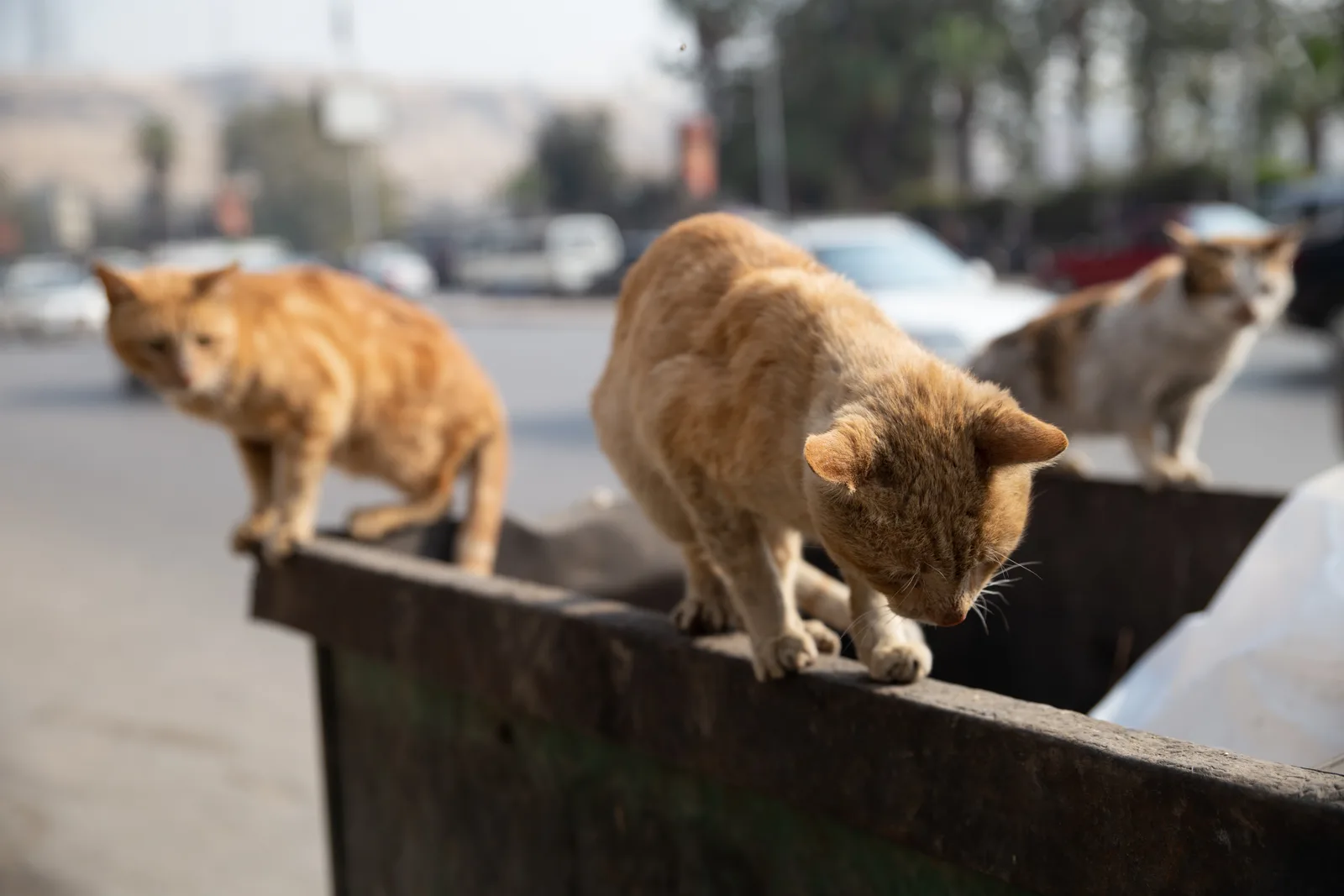
«Keda Ghalat» (Hii Si Sawa): Kudhuru Wanyama ni Kosa la Jinai Chini ya Sheria ya Adhabu ya Misri Tangu 1937
Jirani anaweka bakuli za sumu karibu na ukuta wa shule, na mmiliki wa mkokoteni anampiga punda wake usoni chini ya mzigo mzito kupita kiasi. Wengi hudhani «ni mnyama tu» maana yake hakuna sheria inayomlinda. Ukweli ni kwamba Ibara za 355, 356 na 357 za Sheria ya Adhabu zinaadhibu kuua, kutia sumu na kudhuru wanyama kwa adhabu zinazofikia kifungo jela. Katika usiku wa kuamkia Siku ya Wanyama Duniani, tunaeleza sheria inasema nini.
3 Oktoba 2026 · 6 dakika za kusoma