Je, piramidi zilijengwa na watumwa? Uchimbaji wa kiakiolojia huko Giza wasimulia hadithi tofauti kabisa
Kuanzia Herodotus hadi filamu za Hollywood, kwa karne nyingi imejengeka picha ya maelfu ya watumwa wakichapwa viboko ili kujenga piramidi za Giza. Lakini ugunduzi wa makaburi ya wajenzi na mji wao chini ya uwanda wa Giza umeipindua kabisa simulizi hiyo. Uamuzi: SI KWELI.
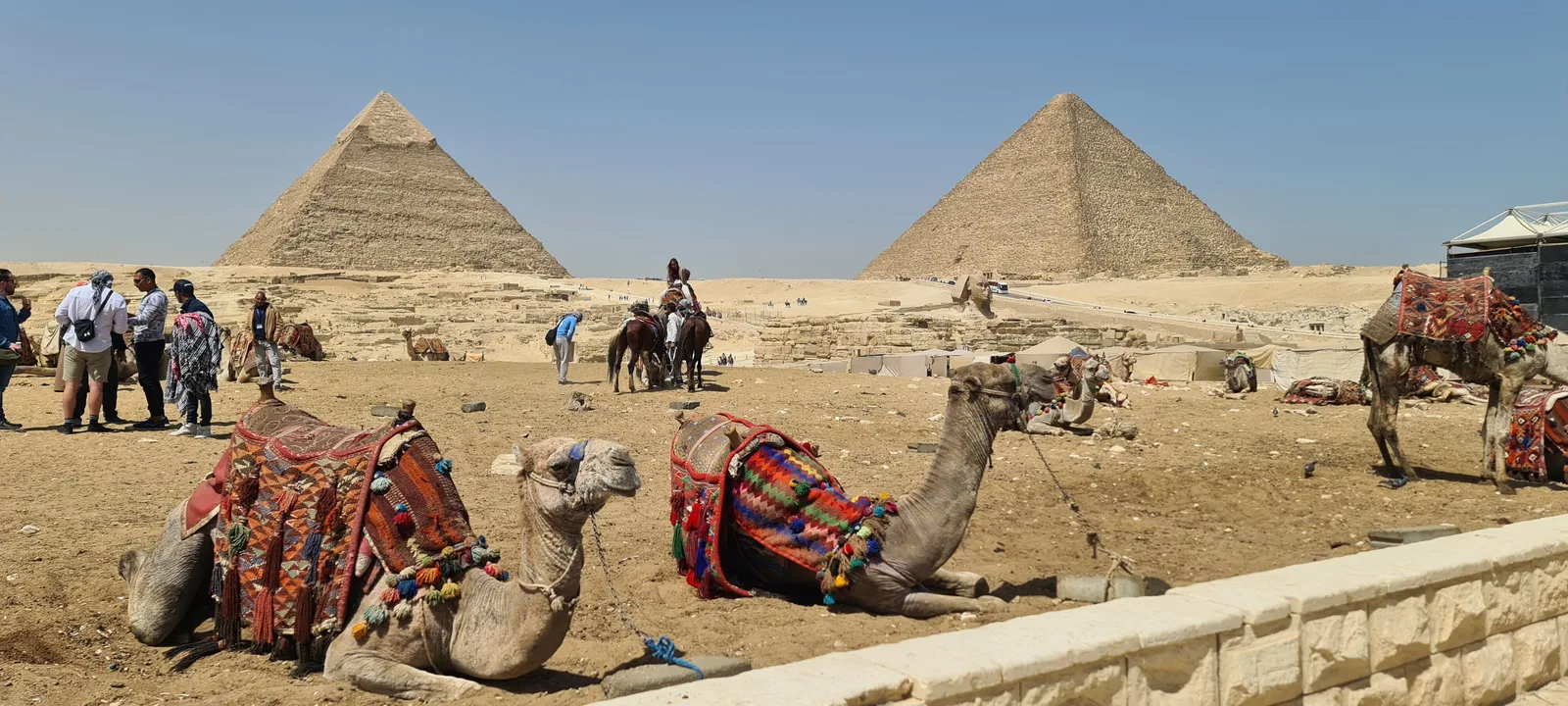
Ni hadithi chache za kihistoria zilizodumu na kuenea kama dai kwamba piramidi za Giza zilijengwa na watumwa waliolazimishwa kufanya kazi chini ya mijeledi. Taswira hii hujirudia katika vitabu vya zamani vya shule, katika filamu za Hollywood na katika filamu maarufu za uhalisia, hadi ikawa kwa watu wengi ukweli usiotiliwa shaka. Lakini yale ambayo majembe ya wanaakiolojia yameyafukua katika uwanda wa Giza wenyewe katika miongo ya karibuni yanasimulia hadithi tofauti kabisa, hadithi iliyowafikisha wataalamu wa Misri ya Kale kwenye muafaka adimu: wajenzi wa piramidi hawakuwa watumwa.
Chimbuko la hadithi hii linarudi kwa mwanahistoria wa Kigiriki Herodotus, aliyetembelea Misri katika karne ya tano kabla ya Kristo, yaani takribani miaka elfu mbili baada ya kukamilika kwa Piramidi Kubwa; naye akanukuu kutoka kwa waongozaji wake kwamba wanaume laki moja walilazimishwa kufanya kazi ya ujenzi. Simulizi hilo likaendelea kukua karne baada ya karne, na katika fikra za Wamagharibi likachanganyika na masimulizi ya vitabu vya dini kuhusu Waisraeli nchini Misri, ingawa maandiko hayo yenyewe hayataji piramidi hata kidogo, na tofauti ya wakati kati ya ujenzi wa piramidi na kipindi kinachohusishwa na matukio hayo inazidi miaka elfu moja.
Kisha ukaja uamuzi wa mwisho kutoka ardhini, si kutoka vitabuni. Katika miaka ya tisini ya karne ya ishirini, kuligunduliwa katika uwanda wa Giza, karibu kabisa na piramidi zenyewe, makaburi kamili ya wafanyakazi wa ujenzi na wasimamizi wao. Mahali pa makaburi hayo paliwashangaza watafiti: wanaume hao walizikwa katika kivuli cha makaburi ya wafalme wao, wakiwa wamepewa mitungi ya pombe ya shayiri na mikate kwa ajili ya safari ya ahera, na baadhi ya makaburi yao yalibeba vyeo vya kazi kama “msimamizi wa upande wa piramidi”. Kama wangelikuwa watumwa wanaodharauliwa, wasingelipata heshima ya kuzikwa katika eneo takatifu kuliko yote nchini Misri.
Ugunduzi huu uliimarishwa na uchimbuzi uliodumu miaka mingi katika eneo la kusini-mashariki mwa piramidi, ambapo mji kamili ulitokea kutoka mchangani, ukajulikana kama mji wa wafanyakazi wa piramidi. Wachimbuzi walipata humo viwanda vikubwa vya kuoka mikate vilivyozalisha mkate kwa wingi, sehemu za kutengeneza pombe ya shayiri, na mifupa ya maelfu ya ng'ombe, kondoo na mbuzi inayoshuhudia milo yenye nyama tele, pamoja na makazi yaliyopangwa vizuri na mabweni ya kulala pamoja. Kwa kifupi: miundombinu mikubwa mno ya kuwalisha na kuwahifadhi nguvu kazi kubwa, wala si kambi duni ya kazi ya kulazimishwa.
Mifupa iliyochunguzwa na madaktari na wanaakiolojia inafichua jambo lenye maana kubwa: mivunjiko ya mifupa iliyorekebishwa na kupona vizuri, na alama za matibabu zinazoonyesha kwamba wafanyakazi waliojeruhiwa walipata huduma halisi ya afya. Ni kweli kwamba mifupa hiyo pia ina alama za uchovu mkali zinazothibitisha ugumu na uzito wa kazi, lakini kumhudumia aliyejeruhiwa ni tabia isiyoendana na mantiki ya utumwa, ambayo hutumia miili kisha kuitupa.
Ama ushahidi wa maandishi, wenyewe unatoka ndani kabisa ya piramidi. Vikundi vya wafanyakazi viliacha maandishi ya wino mwekundu juu ya mawe yaliyofichika ndani ya vyumba vya kupunguza mzigo vilivyo juu ya chumba cha mfalme katika Piramidi Kubwa, na humo wakaandika majina ya vikundi vyao kwa roho ya ushindani na fahari, kama vile “marafiki wa Khufu”. Kisha zikaja hati za mafunjo za Wadi al-Jarf zilizogunduliwa katika pwani ya Bahari Nyekundu, miongoni mwake shajara ya msimamizi Merer, aliyeandika jinsi kikundi chake kilivyosafirisha mawe ya chokaa kwa mashua hadi Giza, na jinsi kikundi chake kilivyopokea mgao wa chakula na nguo; hizi ni karatasi kongwe zaidi za kiutawala zilizoandikwa na kutufikia kutoka Misri ya Kale.
Ushahidi huu ukiunganishwa pamoja unachora sura ya mfumo halisi wa kazi: nguvu kuu ya wafanyakazi na mafundi stadi wa kudumu, ikisaidiwa na makundi ya wakulima walioitwa kufanya kazi kwa zamu ndani ya mfumo wa kazi ya lazima uliosimamiwa na dola, wakilipwa ujira wao kwa bidhaa, yaani mkate, pombe ya shayiri na nguo, katika uchumi ambao ulikuwa bado haujajua fedha. Bila shaka kazi ilikuwa ngumu, lakini ilikuwa kazi iliyopangwa na yenye malipo katika mradi wa kitaifa wenye maana ya kidini, wala si kazi ya shuruti ya watumwa walioletwa kutoka nje.
Kwa nini basi hadithi hii bado inadumu licha ya yote hayo? Kwa sababu tu ni simulizi inayovutia: taswira ya umati uliokandamizwa ukivuta mawe chini ya mijeledi ina mvuto zaidi kuliko ukweli wa mradi wa uhandisi na uendeshaji uliopangwa kwa umakini. Ni kwa sababu pia sinema ya Kimagharibi ilirudia taswira hiyo kwa miongo mingi, na kwa sababu ukubwa wa piramidi zenyewe unawasukuma baadhi ya watu kuamini maelezo yoyote yaliyokithiri, kuanzia watumwa hadi viumbe wa sayari nyingine, badala ya maelezo magumu zaidi na mazuri zaidi: kwamba binadamu waliopangwa na wenye vipaji ndio waliofanya hayo.
Inafaa kutanabahi kwamba kukanusha hadithi ya watumwa hakumaanishi kuwa Misri ya Kale ilikuwa jamii kamilifu; ilijua aina mbalimbali za utumwa na za kazi ya kulazimishwa katika mazingira na zama tofauti, kama ilivyokuwa kwa ustaarabu wote wa ulimwengu wa kale. Lakini swali hapa ni mahususi: nani aliyejenga piramidi za Giza? Na jibu linaloungwa mkono na makaburi, mji, hati za mafunjo na mifupa ni moja tu: wafanyakazi Wamisri huru waliopangwa, wakifanya kazi kwa niaba ya dola.
Hukumu ya mwisho: dai kwamba watumwa walijenga piramidi ni dai la uongo. Ushahidi wa kiakiolojia uliokusanyika kwa miongo kadhaa, kuanzia makaburi ya wafanyakazi hadi mji wao na shajara zao za kila siku, unathibitisha kwamba wajenzi wa piramidi walikuwa wafanyakazi Wamisri waliolipwa ujira, waliopata huduma walipojeruhiwa na waliozikwa kwa heshima jirani na wafalme wao, na kwamba zaidi ya hayo walituachia sahihi zao za fahari juu ya jengo kubwa kuliko yote lililojengwa kwa mikono yao.
Habari Zinazohusiana
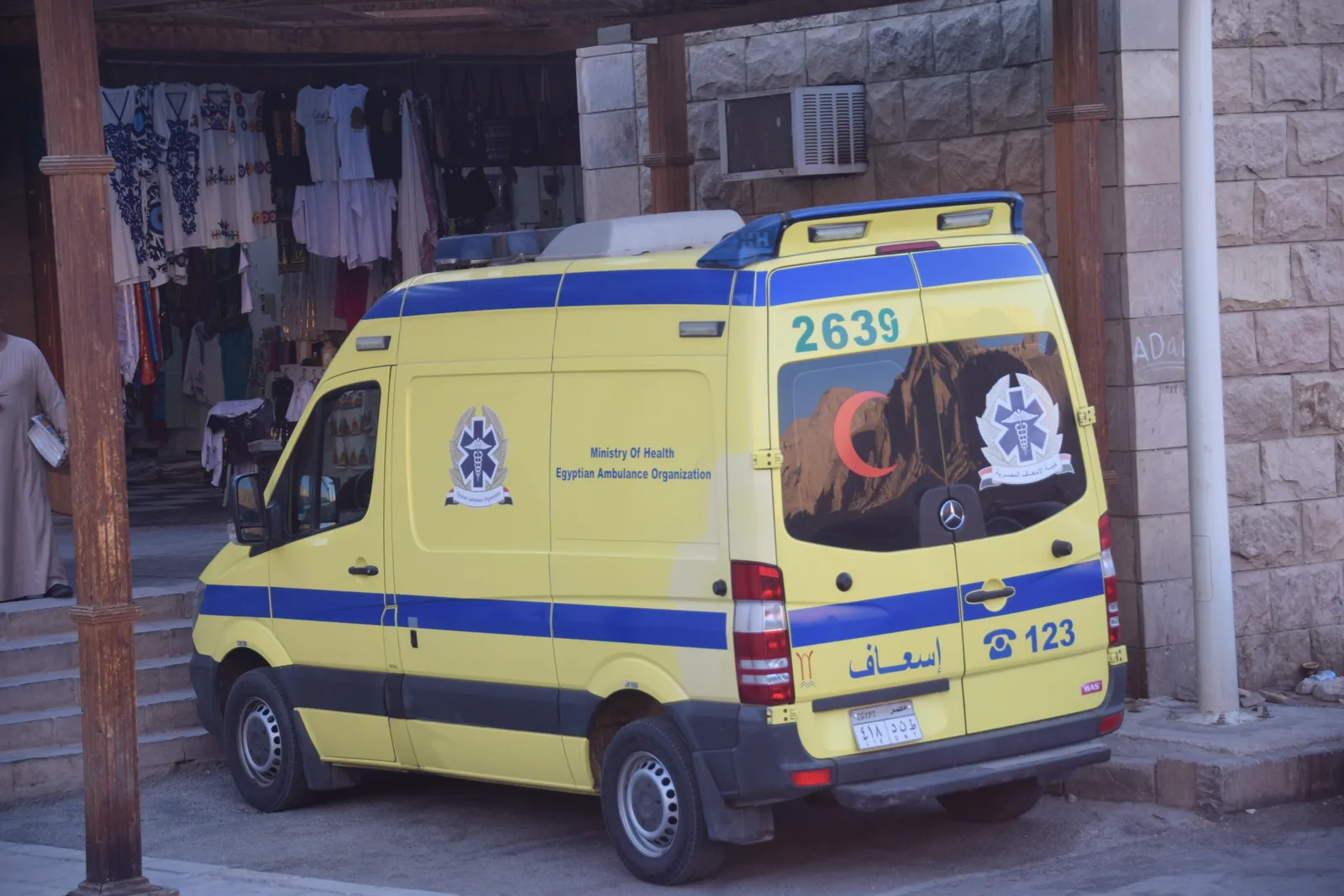
"Kohoa kwa nguvu unusurike mshtuko wa moyo ukiwa peke yako": ujumbe wa WhatsApp Misri ambao tiba inaukanusha
Ujumbe wa mnyororo unaofika karibu kila simu nchini Misri: ukipatwa na mshtuko wa moyo ukiwa peke yako, kohoa kwa nguvu na kwa mdundo hadi moyo urejee katika mpigo wake. Chama cha Moyo cha Marekani kinakataa waziwazi "CPR ya kukohoa", ujumbe unachanganya mshtuko wa moyo na kusimama kwa moyo, na kila dakika inayopotea kwa kukohoa badala ya kupiga simu ya bure ya gari la wagonjwa 123 inatolewa katika maisha ya mgonjwa. Haya ndiyo tiba inayosema.
28 Septemba 2026 · 7 dakika za kusoma
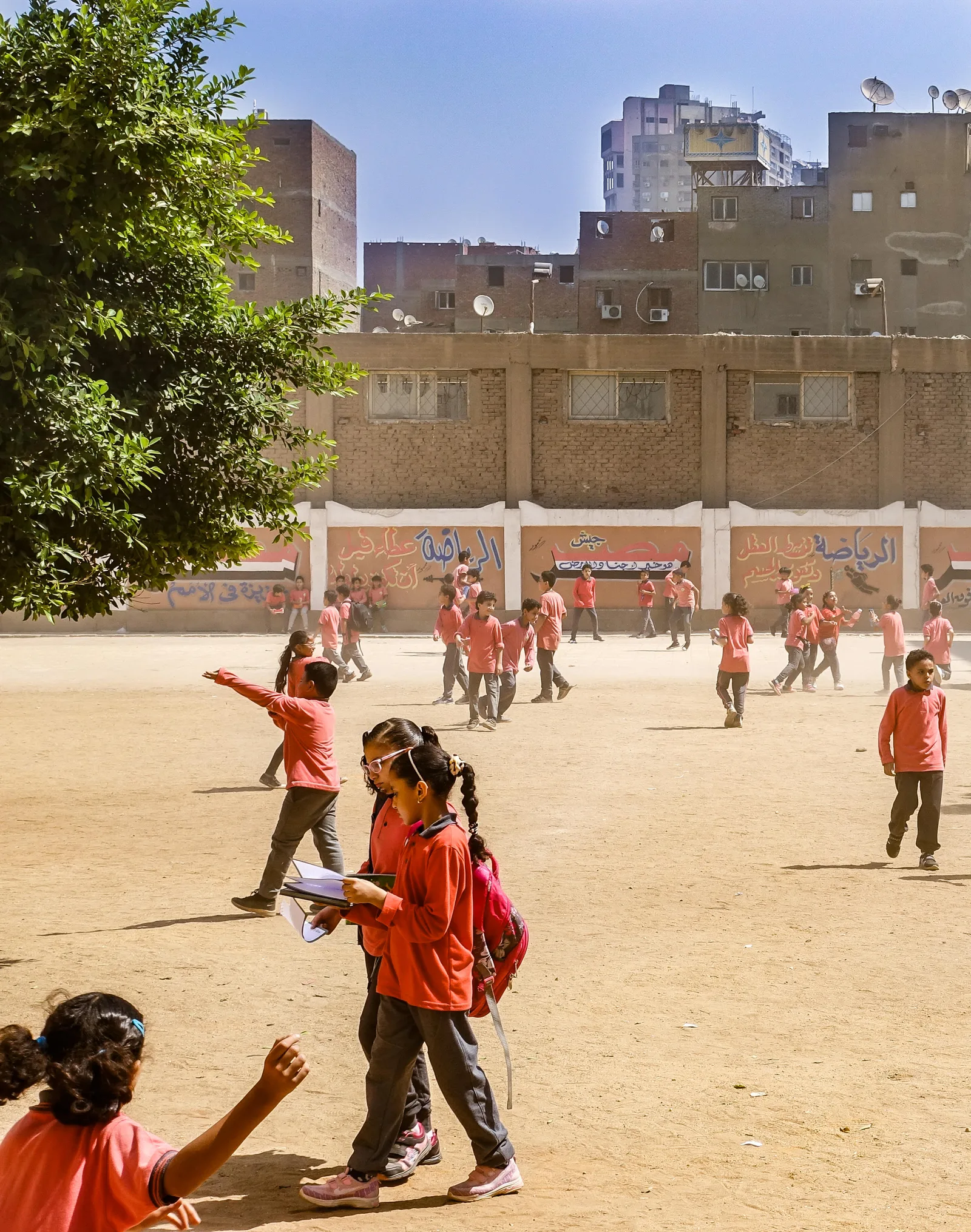
"Kusoma kwenye Mwanga Hafifu Kunaharibu Macho": Wanachothibitisha Madaktari wa Macho na Hatari Ambayo Wazazi Hawaioni
Huku masomo ya jioni chini ya balbu moja yakirejea, onyo la zamani linarudi tena: "Utapofuka." Tulichunguza dai hili neno kwa neno na kukuta madaktari wa macho wana kauli moja: mwanga hafifu na kukaa karibu na skrini huchosha macho, lakini haviyaharibu. Lakini nyuma ya faraja hii kuna hatari halisi ambayo kaya nyingi hazioni, na makadirio ya kikanda yanawaweka watoto wa Misri mstari wa mbele katika hatari hiyo.
19 Septemba 2026 · 7 dakika za kusoma
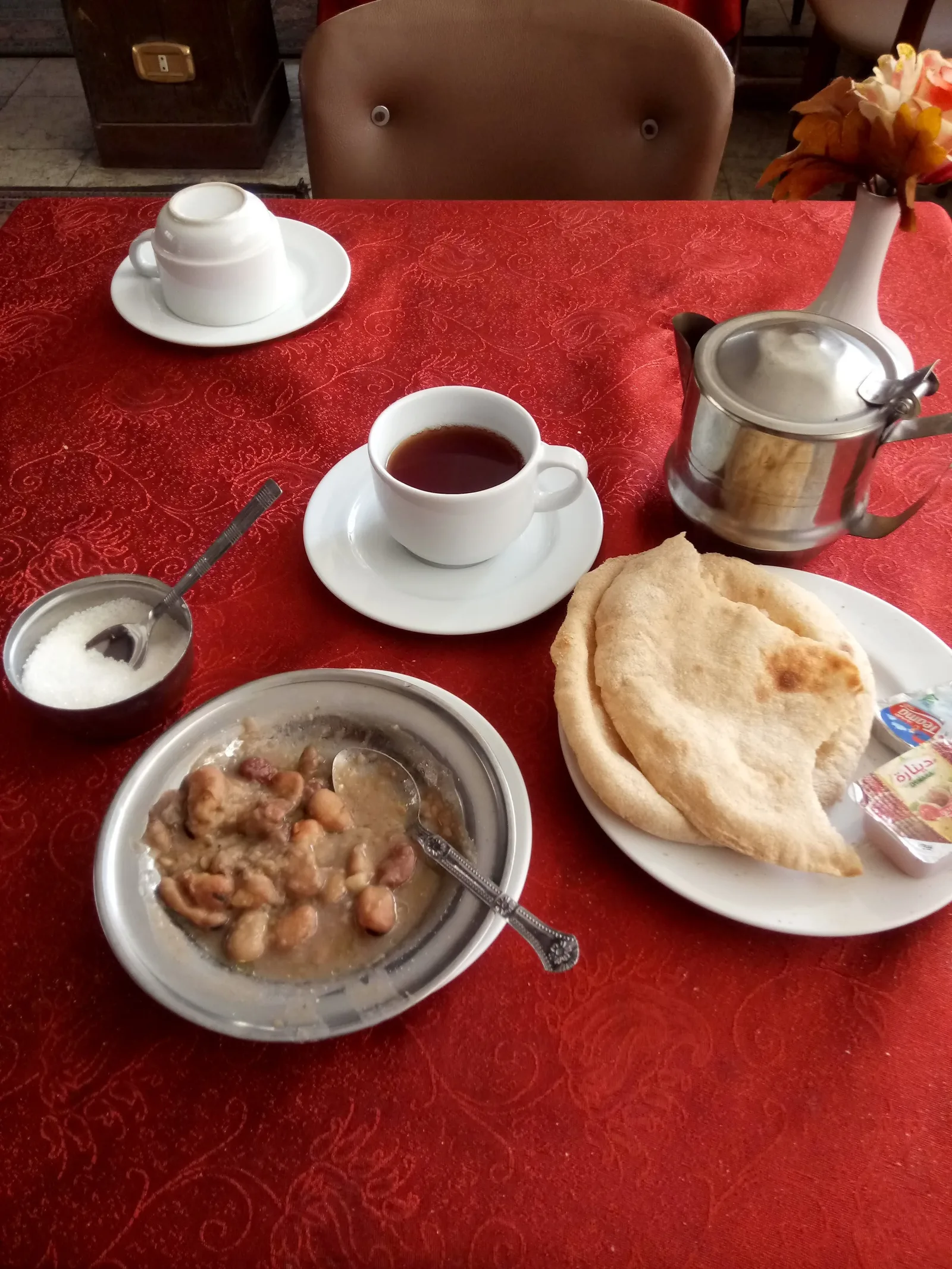
“Chai baada ya chakula huzuia chuma”: Onyo la akina mama lililothibitishwa na sayansi
Ni nadra kwa onyo linalotoka jikoni mwa familia ya Kimisri kuthibitishwa na maabara kwa uwazi kiasi hiki. Chai nyeusi inayonywewa pamoja na chakula hupunguza ufyonzwaji wa chuma kutoka mkate, dengu na mboga kwa kiwango cha kushangaza, na maziwa hayaisaidii hali hiyo. Suluhisho si kuondoa chai mezani, bali kuichelewesha kwa saa moja na kuongeza kipande cha limau. Tunaeleza ushahidi, na kwa nini jambo hili ni muhimu kwa Misri hasa.
10 Septemba 2026 · 7 dakika za kusoma