Sübvansiyonlu ekmek: Mısır'ın en eski destek programı nasıl işliyor?
Mısırlılar ekmeğe 'ayş' diyor; yani hayatın ta kendisi. Karne kartlarından buğday silolarına ve mahalle fırınlarına, altmış milyondan fazla Mısırlının yararlandığı ekmek sübvansiyon sisteminin nasıl işlediğini ve bu mütevazı somunun neden onlarca yıldır hem bütçenin hem siyasetin en hassas dosyası olduğunu anlatıyoruz.
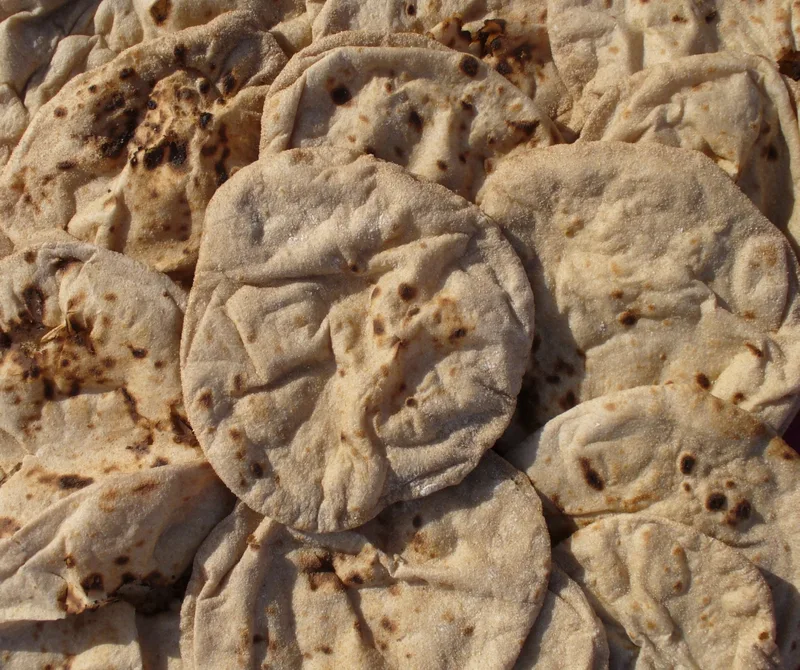
Mısır Arapçasında ekmeğe, çoğu Arap ülkesindeki gibi “hubz” denmez; “ayş”, yani hayatın kendisi denir. Bu tek kelime, yuvarlak beledi ekmeğinin Mısırlıların hayatındaki yerini bütünüyle özetler: milyonlarca aile için sembolik bir bedelle alınan sübvansiyonlu ekmek, günlük sofranın temel direği ve devlet bütçesinin en hassas kalemlerinden biridir.
Mısır'da gıda sübvansiyonlarının kökleri, devletin temel malların arzını denetlemeye başladığı İkinci Dünya Savaşı yıllarına uzanır; sistem sonraki on yıllarda hızla genişledi ve 1970'lere gelindiğinde geniş bir mal sepetini kapsar hale geldi. Ocak 1977'de hükûmetin ekmek ve diğer temel mallardaki desteği kısma girişimi, ancak karardan dönülmesiyle yatışan ülke çapında ayaklanmaları tetikledi; bu olay kendisinden sonra gelen bütün hükûmetlere ekmeğin siyasi ağırlığını öğretti.
Sistem bugün, kayıtlı hanelere verilen tayın kartlarına dayanıyor: karta kayıtlı her kişinin sübvansiyonlu beledi ekmeğinden günlük bir hakkı bulunuyor — uzun yıllardır yürürlükte olan tahsise göre kişi başına günde beş ekmek — ve bu ekmekleri ruhsatlı fırınlardan, üretim maliyetinin çok küçük bir bölümünü ödeyerek alıyor; aradaki farkı devlet fırınlara ödüyor.
Programın kapsamı devasa: resmî rakamlar yıllardır yararlanan kişi sayısını altmış milyonun üzerinde, yani her on Mısırlıdan yaklaşık altısı olarak veriyor; ülke genelinde on binlerce fırın da bu sisteme katılıyor. Bu da onu dünyadaki en büyük gıda desteği uygulamalarından biri yapıyor.
Sübvansiyonlu ekmeğin fiyatı, Mısır lirasının değerinde ve üretim maliyetlerinde yaşanan onca değişime rağmen 1980'lerin sonundan bu yana beş kuruşta donmuş kalmıştı. Hükûmet 2024'te fiyatı yirmi kuruşa çıkardı; bu, yaklaşık otuz beş yılın ilk zammıydı ve ekmeğin hâlâ gerçek maliyetinin çok altında olduğu vurgulandı. Yılda on milyarlarca lirayı bulan bu farkı devlet hazinesi üstleniyor.
Her ekmeğin ardında, Mısır'ın çok uzağında başlayan bir tedarik zinciri var: yerli hasat ulusal ihtiyacın ancak bir bölümünü karşıladığı için ülke, dünyanın en büyük buğday ithalatçıları arasında yer alıyor. Devlet buğdayı hem uluslararası ihalelerle hem de her sezon açıklanan alım fiyatlarıyla Mısırlı çiftçilerden satın alıyor, son yıllarda hatırı sayılır ölçüde genişletilen silo ağında depoluyor, ardından beledi ekmekte kullanılan yüksek randımanlı una öğütüyor.
Geçen on yılın ortasında köklü bir reform geldi: akıllı kartlar kâğıt belgelerin yerini aldı ve fırınlara ödeme, teslim alınan un üzerinden değil fiilen dağıtılan ekmek üzerinden elektronik olarak yapılmaya başlandı; bu da kaçağı ve israfı gözle görülür biçimde azalttı. Puan sistemi ayrıca ailelere, tüketmedikleri ekmek hakkını tayın satış noktalarından başka gıda maddeleriyle değiştirme imkânı veriyor.
Ne var ki sistemin küresel piyasalara açıklığı kalıcı bir zayıf nokta: uluslararası buğday fiyatlarındaki sıçramalar — en sertleri Ukrayna'daki savaşın ve Karadeniz ihracatındaki aksamanın ardından yaşandı — ithalat faturasını kabartıyor, döviz kurundaki hareketler de baskıyı katlıyor. Bu yüzden depolama kapasitesi, tedarik kaynaklarının çeşitlendirilmesi ve yerli alımların artırılması kelimenin tam anlamıyla birer millî güvenlik meselesi sayılıyor.
İktisatçılar desteğin geleceğini uzun zamandır tartışıyor: bir kesim, yardımın en çok ihtiyaç sahiplerine ulaşmasını sağlayacak ve bütçenin yükünü hafifletecek daha isabetli bir hedefleme istiyor; bir başka kesim ise idari ayıklamanın güçlüğüne dikkat çekiyor ve ekmeğin herkese açık olmasını paha biçilmez bir toplumsal emniyet supabı olarak görüyor. Ayni desteğin yerine nakit transferlerin geçirilmesi önerileri zaman zaman gündeme geliyor, ancak bugüne kadar bir karara varılmış değil.
Ekmeğin Mısır'da herhangi bir bakanlıktan çok daha eskiye uzanan bir medeniyet ağırlığı da var: Mısırlılar binlerce yıldır yuvarlak ekmek pişiriyor, antik mezarlardaki sahneler fırınları ve fırıncıları resmediyor; bugün yenen beledi ekmek de firavunlar çağından günümüz sofralarına uzanan bu geleneğin doğrudan mirasçısıdır.
Gelecek reform hangi biçimi alırsa alsın, temel veriler yakın zamanda değişmeyecek: artan bir nüfus, çoğunluğun beslenmesinin dayandığı bir ekmek ve tarihin tecrübeleriyle pekişmiş bir devlet taahhüdü. Ekmek sisteminin nasıl işlediğini anlayan kişi, Mısır ekonomisinin kendisinin nasıl işlediğinin büyük bölümünü anlamış olur.
İlgili Haberler

Ağustos Zirvesi: Mısır Elektrik Şebekesi İlk Kez 40 Bin Megavatı Aştı, Kesintiler Geri Dönmedi
Mısır'ın ulusal elektrik şebekesi, geçen haftaki sıcak hava dalgasında tarihinde ilk kez 40 bin megavat eşiğini aştı; planlı kesintilere geri dönülmedi. Dimyat'taki insansız hava aracı saldırısının ardından yakıt arzı nasıl ayakta kaldı ve yeni kademeli tarifeler faturanız için ne anlama geliyor?
19 Ağustos 2026 · 7 dk okuma
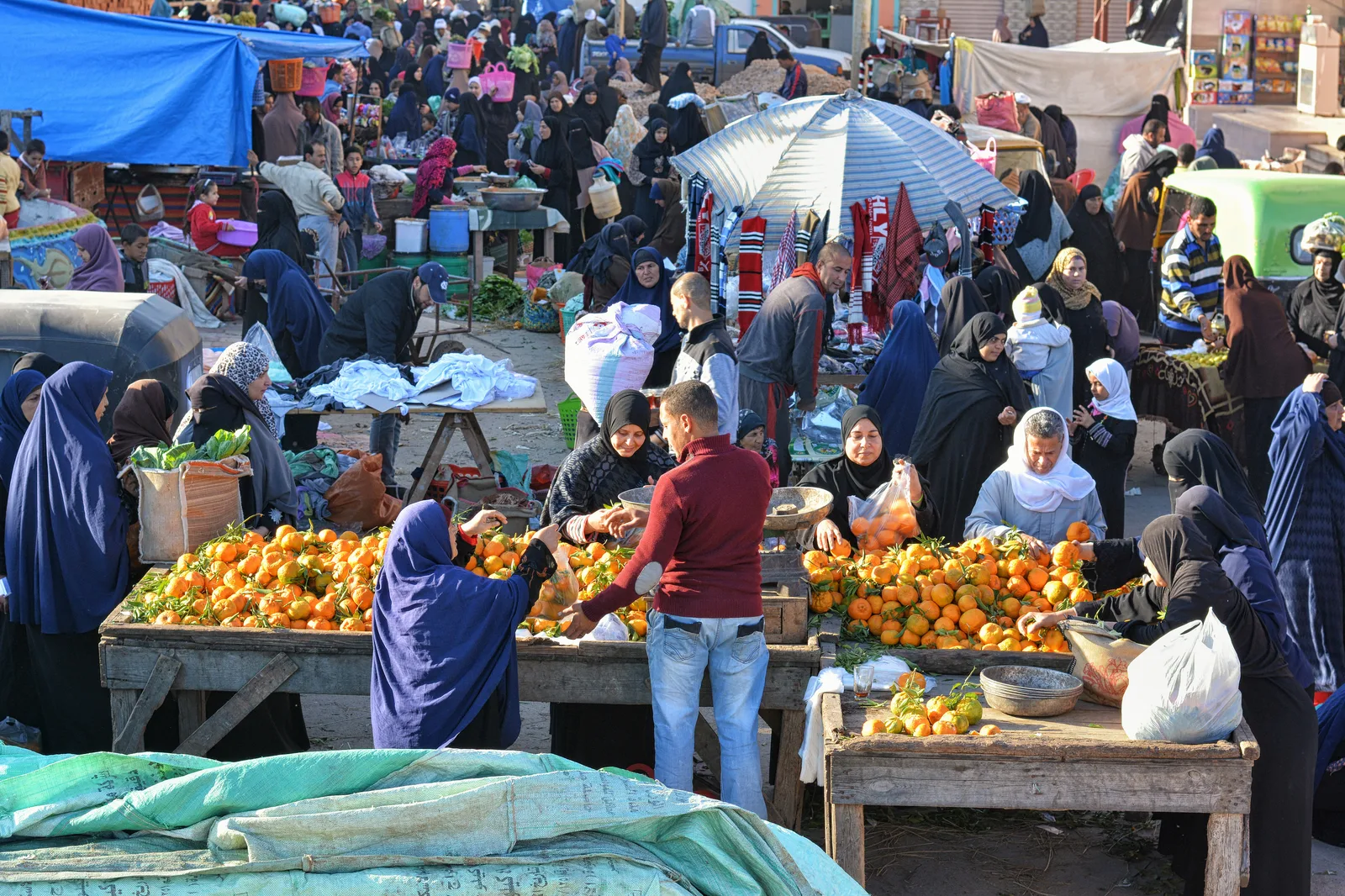
İki Rakamla Mısır Ekonomisi: Yüzde 5,2 Büyüme ve Gerilim Hattındaki Bölge
Hükümet dokuz ayda yüzde 5,2 büyüme açıklarken, bir yandan da bölgesel tırmanışın etkilerine karşı güncellenmiş acil durum senaryolarını gözden geçiriyor. Enflasyon yüzde 14,9'a çıkmış, dolar 50 lira civarında seyrederken bu iki rakam vatandaşın cebi için ne anlama geliyor?
18 Ağustos 2026 · 7 dk okuma
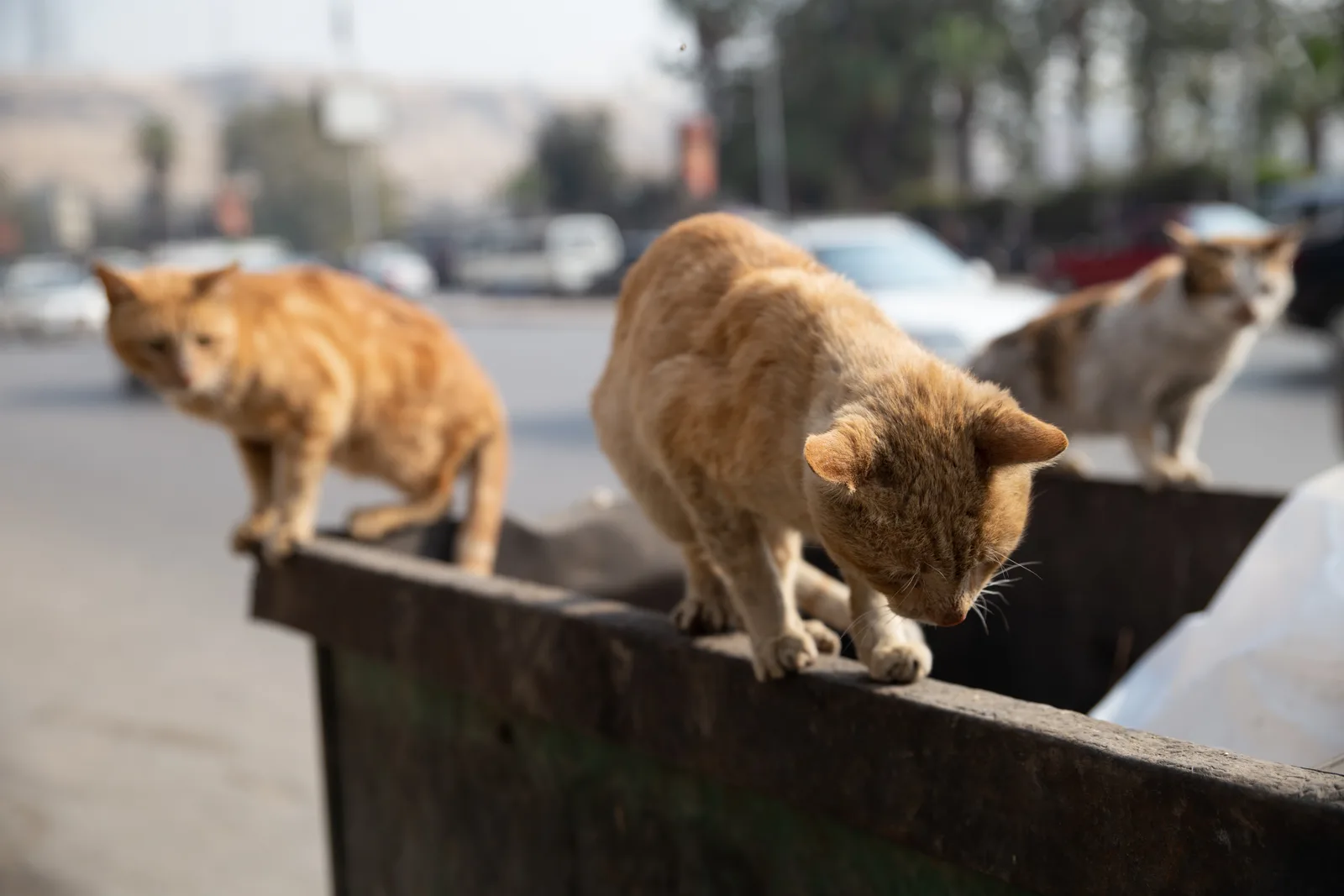
«Keda Ghalat» (Bu Yanlış): Kâsede Zehir, Sırtta Değnek — Hayvana Eziyet, 1937'den Beri Mısır Ceza Kanunu'nda Suç
Bir komşu okul duvarının yanına zehirli kaplar bırakıyor, bir araba sahibi ise eşeğine ağır bir yük çektirmek için yüzüne sopayla vuruyor. Birçok kişi «sadece bir hayvan»ı hiçbir kanunun korumadığını sanıyor. Oysa Ceza Kanunu'nun 355, 356 ve 357. maddeleri, hayvan öldürmeyi, zehirlemeyi ve ona eziyet etmeyi hapis cezasına varan yaptırımlarla cezalandırıyor. Dünya Hayvanlar Günü arifesinde kanunun ne dediğini açıklıyoruz.
3 Ekim 2026 · 6 dk okuma