İki Rakamla Mısır Ekonomisi: Yüzde 5,2 Büyüme ve Gerilim Hattındaki Bölge
Hükümet dokuz ayda yüzde 5,2 büyüme açıklarken, bir yandan da bölgesel tırmanışın etkilerine karşı güncellenmiş acil durum senaryolarını gözden geçiriyor. Enflasyon yüzde 14,9'a çıkmış, dolar 50 lira civarında seyrederken bu iki rakam vatandaşın cebi için ne anlama geliyor?
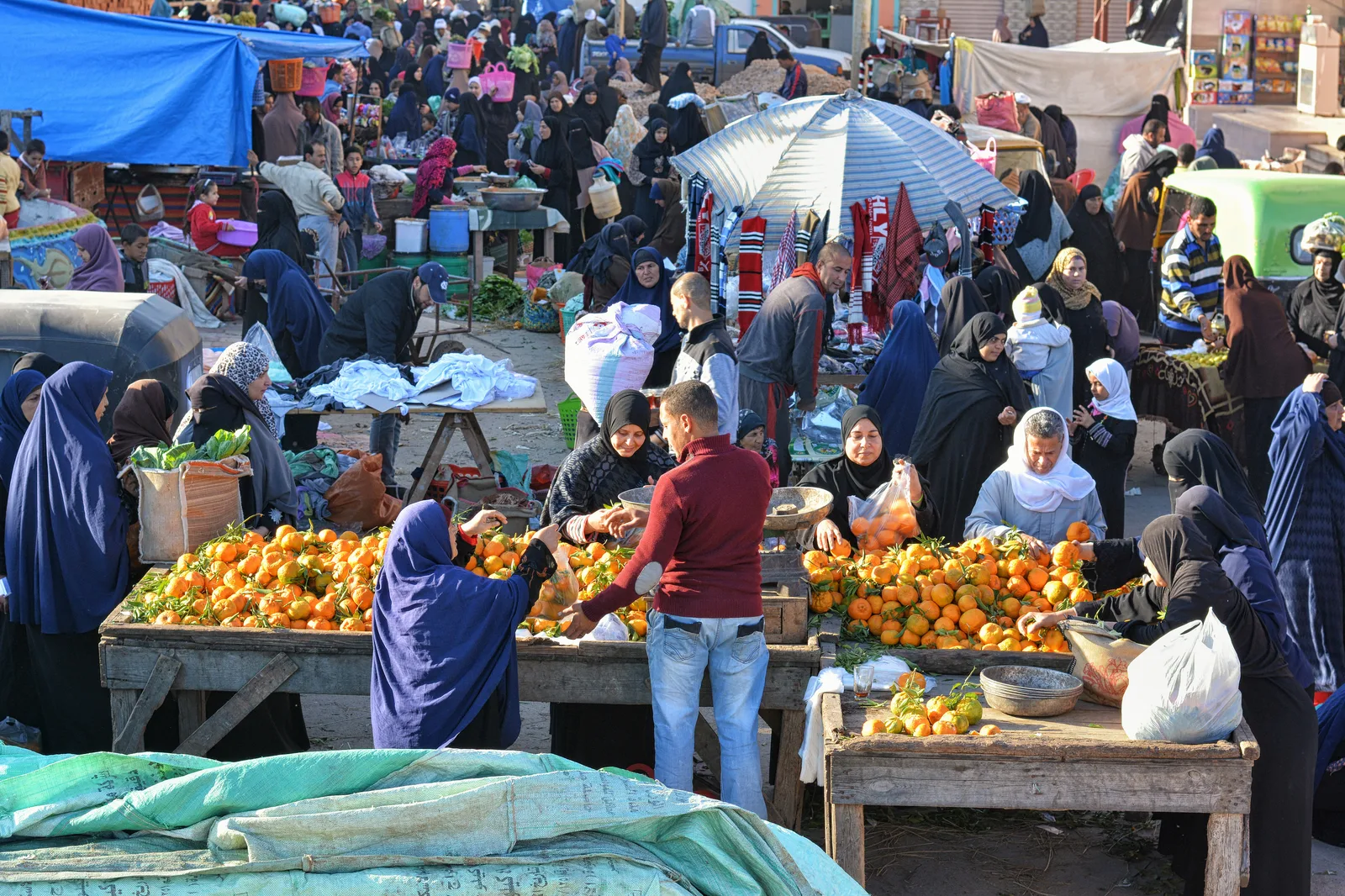
Mısır ekonomisi bu yaz, normalde aynı bültende bir araya gelmeyen iki rakamın gölgesinde yaşıyor: Planlama ve Ekonomik Kalkınma Bakanlığı’na göre 2025/2026 mali yılının ilk dokuz ayında yüzde 5,2’ye ulaşan bir büyüme ve hükümetin, bölgedeki tırmanışın olası yansımalarına karşı gözden geçirdiği “güncellenmiş” acil durum senaryoları. Bu iki rakamın arasında ise vatandaş duruyor ve tüm bunların fiyatları ile işi açısından ne anlama geldiğini soruyor.
İlk rakamı Planlama Bakanlığı haziran başında açıkladı: Gayrisafi yurt içi hasıla, Temmuz 2025 ile Mart 2026 arasında yüzde 5,2 büyüdü; birinci ve ikinci çeyreklerin her birinde yüzde 5,3, bölgesel tırmanışın son turunun patlak verdiği üçüncü çeyrekte (ocak-mart) ise yüzde 5 artış kaydedildi. Bakanlık bu performansı özel sektör faaliyetlerindeki toparlanmaya bağlıyor.
İkinci rakam hiçbir ekranda görünmüyor, ama her hükümet toplantısında masanın üzerinde. Başbakanlık açıklamasına göre Bakanlar Kurulu, ağustos ortasında Yeni Alameyn kentinde yaptığı haftalık toplantısının bir bölümünü, Gazze ve Lübnan’dan Washington ile Tahran arasındaki gerilime uzanan bölgesel gerginliklerin olası sonuçlarına karşı bakanlıkların hazırladığı “güncellenmiş senaryolar”ı ele almaya ayırdı. Başbakan Mustafa Medbuli daha mart başında “bütünleşik senaryolar”ın güncellenmesi ve Merkez Bankası ile eşgüdüm içinde, gıda maddeleri, petrol ürünleri ve üretim girdileri için gereken dövizi sağlayacak bir plan hazırlanması talimatını vermişti.
Savunma hatları şimdilik yukarı yönlü hareket ediyor. Medbuli’nin aynı toplantıda açıkladığına göre döviz rezervleri temmuz sonunda 56,3 milyar dolara ulaştı; bu, hazirana kıyasla yaklaşık 1,2 milyar dolarlık bir artış anlamına geliyor. Hükümet ayrıca şeker gibi bazı temel malların stoklarının yaklaşık bir yıl yeteceğini söylüyor. Ekonomi platformu “AGBI”nin aktardığına göre devlet, Hürmüz Boğazı yakınlarında yaşanabilecek herhangi bir denizcilik aksamasına karşı temmuzdan bu yana akaryakıt stoklarını da hızla artırıyor.
Vatandaşın gerilimi ilk hissettiği yer olan fiyat cephesinde enflasyon, kısa süreli sakinleme dalgasını geride bırakarak yeniden yükselişe geçti: Merkezi Halk Seferberliği ve İstatistik Kurumu’na göre kentlerde temmuz ayında yüzde 14,9 olarak ölçüldü; haziranda bu oran yüzde 14,3’tü ve artışın başlıca itici gücü gıda fiyatları oldu. Tırmanış şiddetlenmeden önce, ocak ayında oran yüzde 11,9 düzeyindeydi; yani pahalılığın hızı altı ayda üç puan arttı.
Döviz kuru ise hikâyenin iki yarısını birden anlatıyor. “El Arabiya”nın aktardığına göre tırmanışın zirveye çıktığı nisan sonunda dolar resmî olarak 53 Mısır lirası civarındaydı ve mayıs başında bazı bankalarda 54’e yaklaştı; bu hafta ise Merkez Bankası kurlarına göre yeniden 50,2 lira dolayına indi. Mısır lirasındaki göreli toparlanma ithalat maliyetini hafifletiyor; ancak bu, turizmden, kanaldan ve yurt dışındaki çalışanların gönderdiği havalelerden gelen dolar akışının sürmesine bağlı.
Devletin bölgenin ruh haline en duyarlı gelir kalemi olan Süveyş Kanalı toparlanıyor, ama henüz toparlanmış değil. Uluslararası Para Fonu’na göre kanalın gelirleri 2025/2026 mali yılında yüzde 23 artışla 4,67 milyar dolara ulaştı; aylık ortalama ise yaklaşık 390 milyon dolar. Bu, Kızıldeniz krizinden önce yılda yaklaşık 10 milyar dolara varan tarihî zirvenin yarısından bile az. O zirvenin altında geçen her ay, devletin kasasına girmeyen ve Mısır lirasına destek olmayan döviz demek.
Turizm şimdiye kadar bölgenin istisnası oldu. “El-Ahram”ın aktardığı Birleşmiş Milletler Turizm Örgütü verilerine göre 2026’nın ilk çeyreğinde ülkeye gelen ziyaretçi sayısı yüzde 16 arttı; aynı dönemde Orta Doğu genelinde turizm yüzde 14 geriledi. İlk dört ayda gelen ziyaretçi sayısı da yüzde 7 artışla 6,1 milyona ulaştı. “Egypt Independent”ın aktardığı resmî verilere göre sektörün gelirleri mali yılın ilk yarısında yüzde 17,3 artarak 10,2 milyar dolara yükseldi. Ancak nisanla birlikte kümülatif büyümenin yüzde 16’dan yüzde 7’ye inmesi, milyonlarca ailenin geçimini sağladığı bir sektörün her tırmanıştan ne kadar hızlı etkilendiğini gösteriyor.
İstihdam cephesinde Planlama Bakanlığı, büyümeyi ekonominin en büyük işvereni olan özel sektörün daha güçlü faaliyetine bağlıyor. Ne var ki Uluslararası Para Fonu, 2026/2027 mali yılına ilişkin büyüme tahminini yüzde 4,4 dolayına indirdi; gerekçe olarak da yatırımlardaki gerilemeyi, finansman maliyetlerindeki artışı ve çatışmaya bağlı belirsizliği gösterdi. Bunlar, istihdam yaratmayı genellikle başka hiçbir göstergede görünmeden önce yavaşlatan etkenler.
Hazırlıklı olmanın da bir bedeli var. Medbuli başkanlığındaki kriz yönetimi komitesi nisan ayında kamu harcamalarını ve tüketimi rasyonelleştirmeye yönelik bir önlem paketi kabul etti; öte yandan mal ve akaryakıt stoklarının oluşturulması, zaten kıt olan döviz kaynaklarının bir bölümünü tüketiyor. Hükümetin açıkladığı denklem şu: Sağlamlığın kanıtı olarak öne sürdüğü rezervleri tüketmeden piyasalara güven vermek.
Önümüzdeki haftalarda üç gösterge “vatandaşın cebinin” hâlini çizecek: ağustos enflasyonu verileri ve gıda dalgasının sürüp sürmeyeceği, denizcilik hatlarının kanala dönüş hızı ve bölgesel bekleyişe bağlı seyreden petrol fiyatlarının yönü. Bunların hepsi, Merkez Bankası’nın faiz kararlarında ağırlığını hissettirecek.
Sonuç olarak iki rakam da aynı anda doğru: Yıllardır görülen en hızlı oranlardan biriyle büyüyen bir ekonomi ve bu büyümeyi her an kenarlarından kemirebilecek bir bölge. Rezervlerin yükselmesi ve depoların dolu olması paniğe gerekçe bırakmıyor; yüzde 15’e yaklaşan enflasyon ile gelir kapasitesinin yarısından azıyla çalışan bir kanal da rahatlamaya yer bırakmıyor.
İlgili Haberler
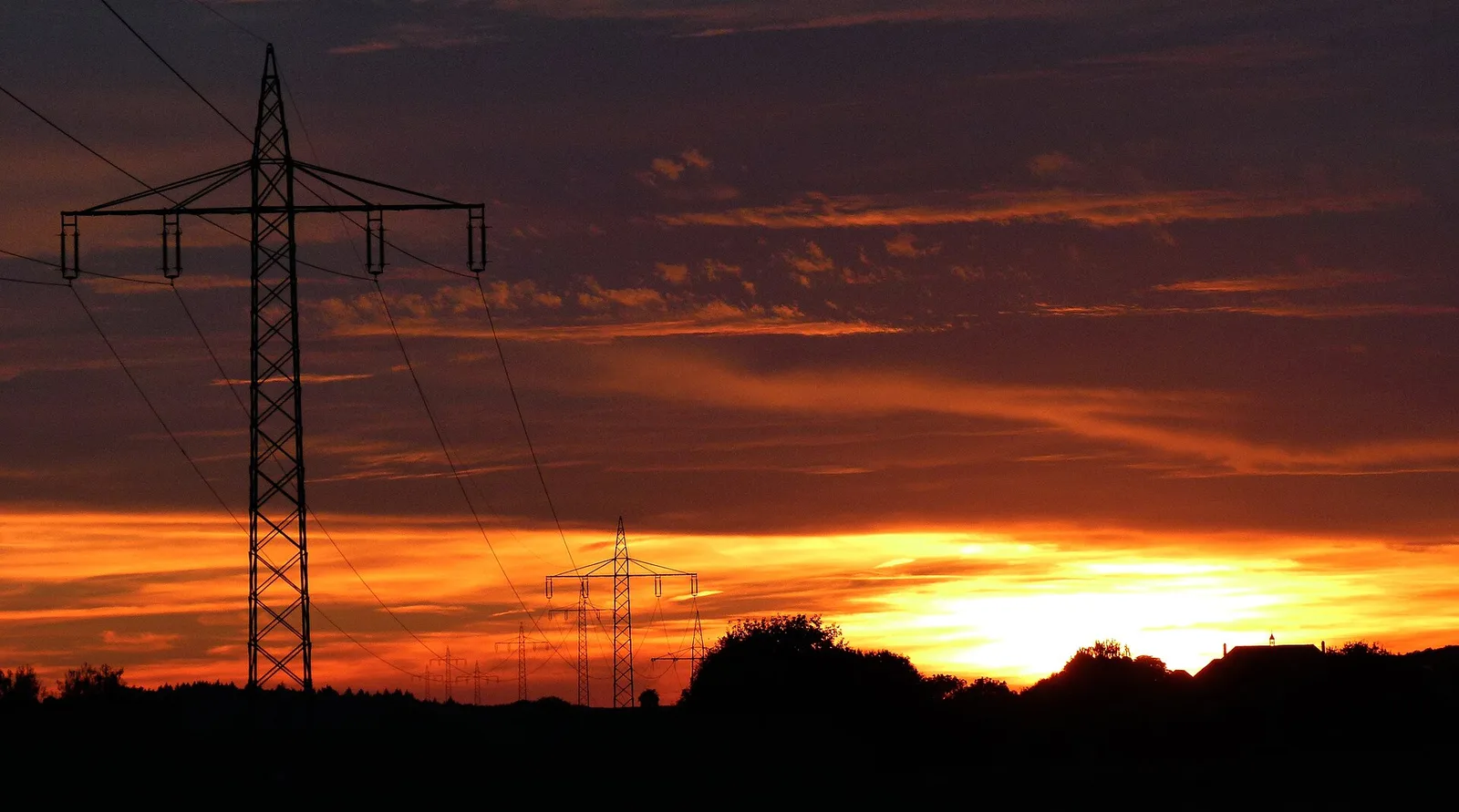
Ağustos Zirvesi: Mısır Elektrik Şebekesi İlk Kez 40 Bin Megavatı Aştı, Kesintiler Geri Dönmedi
Mısır'ın ulusal elektrik şebekesi, geçen haftaki sıcak hava dalgasında tarihinde ilk kez 40 bin megavat eşiğini aştı; planlı kesintilere geri dönülmedi. Dimyat'taki insansız hava aracı saldırısının ardından yakıt arzı nasıl ayakta kaldı ve yeni kademeli tarifeler faturanız için ne anlama geliyor?
19 Ağustos 2026 · 7 dk okuma
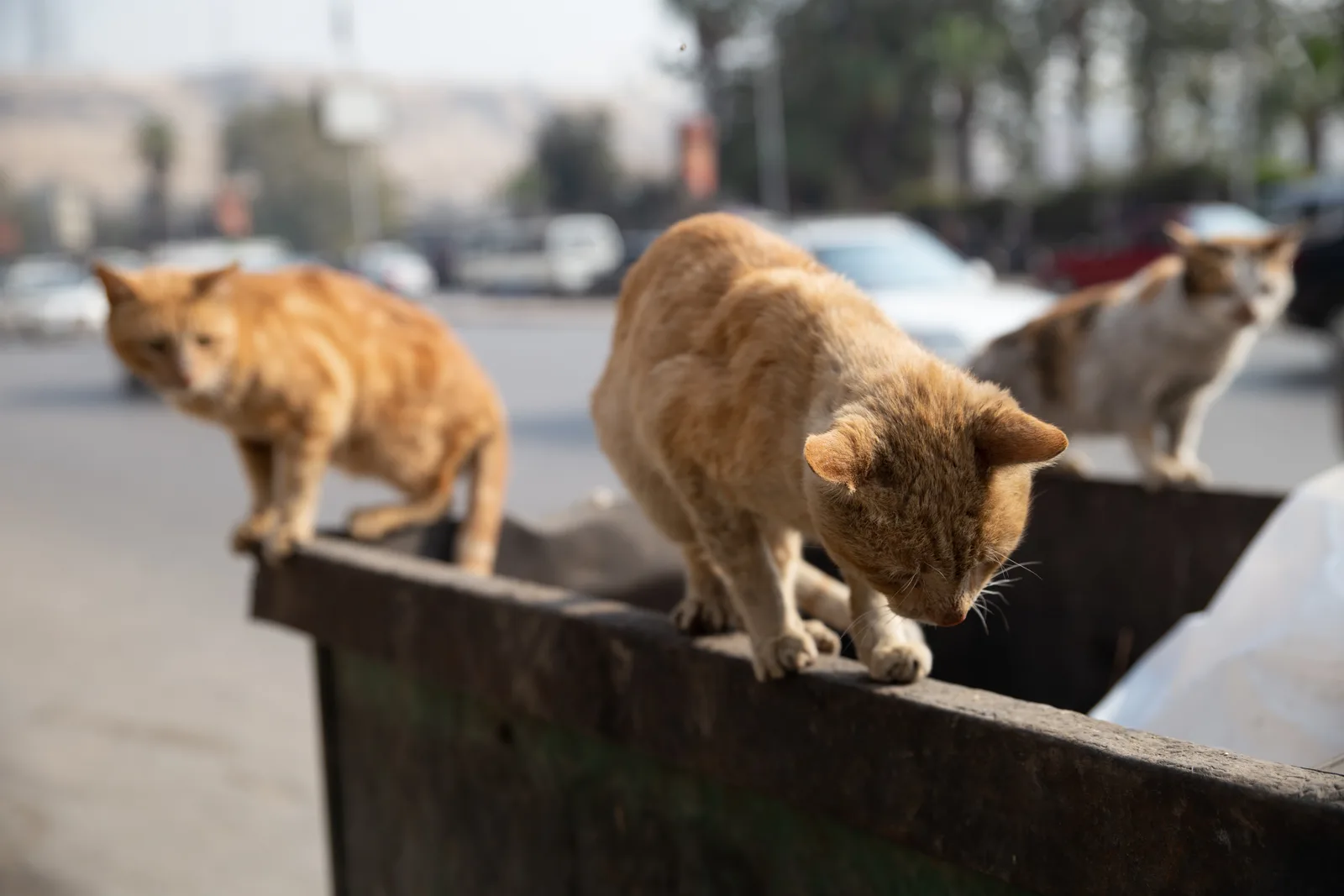
«Keda Ghalat» (Bu Yanlış): Kâsede Zehir, Sırtta Değnek — Hayvana Eziyet, 1937'den Beri Mısır Ceza Kanunu'nda Suç
Bir komşu okul duvarının yanına zehirli kaplar bırakıyor, bir araba sahibi ise eşeğine ağır bir yük çektirmek için yüzüne sopayla vuruyor. Birçok kişi «sadece bir hayvan»ı hiçbir kanunun korumadığını sanıyor. Oysa Ceza Kanunu'nun 355, 356 ve 357. maddeleri, hayvan öldürmeyi, zehirlemeyi ve ona eziyet etmeyi hapis cezasına varan yaptırımlarla cezalandırıyor. Dünya Hayvanlar Günü arifesinde kanunun ne dediğini açıklıyoruz.
3 Ekim 2026 · 6 dk okuma

Pembe Ekim: en yakın sağlık ocağında ücretsiz muayene… erken teşhis Mısırlı kadının kaderini neden değiştiriyor?
“Hiçbir yerim ağrımıyor” ertelemek için bir gerekçe değil. Temmuz 2019'dan bu yana Mısır'daki sağlık ocakları 18 yaş ve üzeri her kadına ücretsiz kapılarını açıyor; Haziran 2026'ya gelindiğinde geç evrede yakalanan vaka oranı %60'tan %19,5'e geriledi. Sağlık ocağında neler yaşandığını, hangi belirtilerin ziyareti gerektirdiğini ve korkunun bu önemli muayeneyi neden geciktirdiğini anlatıyoruz.
2 Ekim 2026 · 7 dk okuma