Hentbolun Firavunları: Mısır dünyanın elitleri arasına nasıl girdi?
Hentbol tam bir Avrupa oyunu — Mısır hariç. İki dünya şampiyonasına ev sahipliği, dolu bir Afrika şampiyonlukları rafı, gençlerde bir dünya tacı ve Tokyo Olimpiyatları'nda dördüncülük: Firavunlar, kendilerini büyükler arasında tutan, okuldan kulübe uzanan üretim hattını işte böyle kurdu.
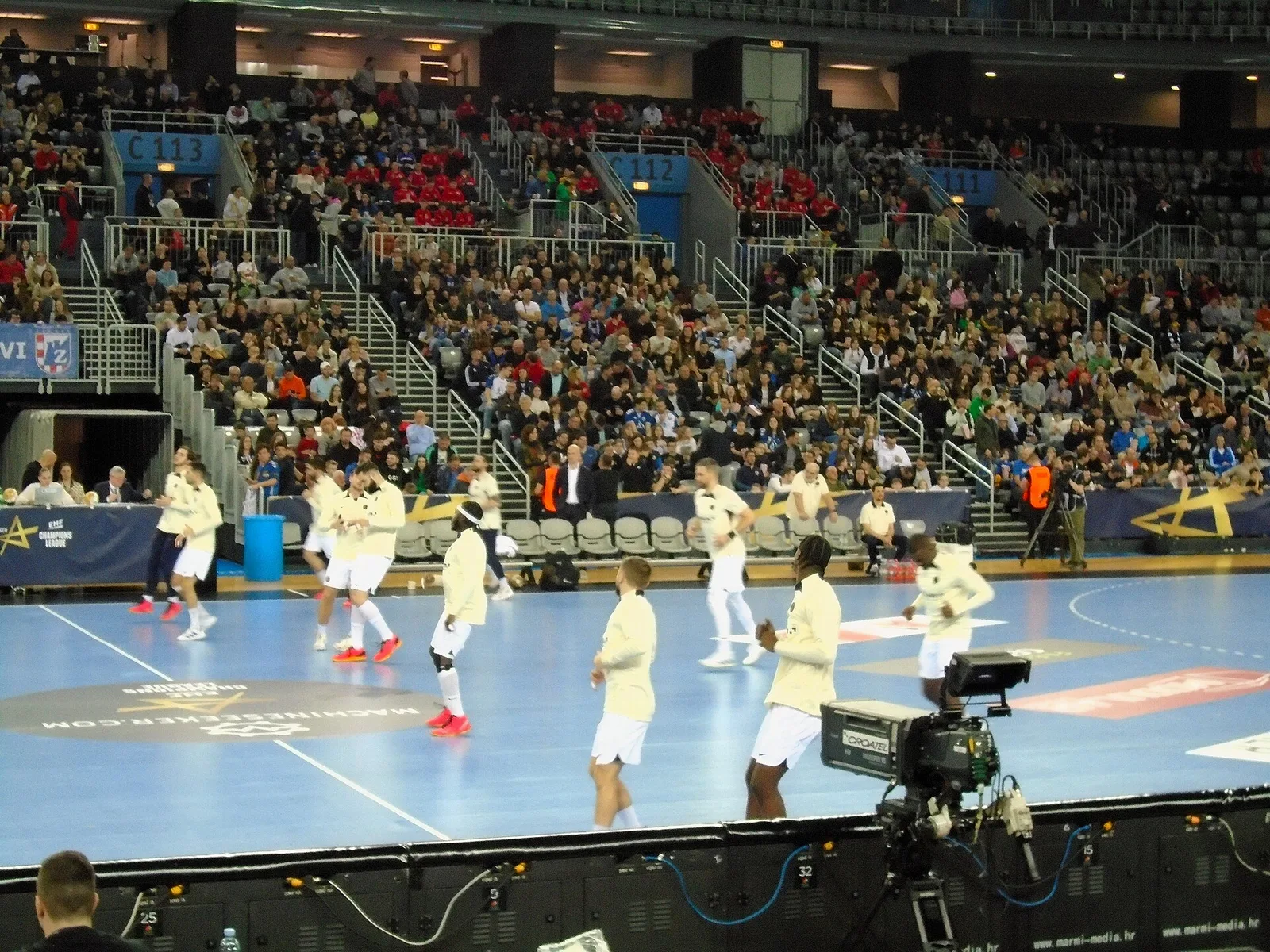
Hentbolun seçkinler sınıfı kapalı bir Avrupa kulübüdür: profesyonel ligler, Şampiyonlar Ligi ve dünya şampiyonluklarının çoğu, modern oyunu icat eden kıtaya aittir. Ama onlarca yıldır bu tablonun büyük istisnasının adı Mısır. “Firavunlar”, dünya şampiyonalarında düzenli olarak eleme turlarına kalıyor, turnuvaya iki kez ev sahipliği yaptı, kıta şampiyonluklarından oluşan zengin bir birikime sahip ve Tokyo Olimpiyatları'nda kürsüye yalnızca bir maç uzaklıktaydı. Avrupa dışında böyle bir karneyi bir araya getirebilen başka bir ülke yok; üstelik bu karne, kelimenin tam anlamıyla okul bahçesinde başlayan bir düzene dayanıyor.
Hentbol Mısır'da 20. yüzyılın ortalarında kök saldı; okullar, üniversiteler ve spor kulüpleri aracılığıyla yayıldıktan sonra bir ulusal federasyon müsabakalarını düzenlemeye başladı. Mısır, sporun Afrika'daki öncüsü hâline geldi: kıta şampiyonalarında erken dönemde ortaya çıkan istikrarlı bir güç ve 1990'lardan itibaren dünya şampiyonalarının ve olimpiyat turnuvalarının düzenli konuğu. Futbol tutkusuyla yanıp tutuşan başka ülkeler hentbolü ikincil bir iş sayarken, Mısır kulüpleri ona salonlar, antrenörler ve daha ünlü branşların yanında saygın bir yer verdi; yarım yüzyıldır meyvesini veren bir karar.
Afrika sahnesinde oyunun çehresini Mısır ile Tunus arasındaki rekabet çizdi; iki ülke onlarca yıl boyunca Afrika Erkekler Şampiyonası'nın kupasını birbirine devretti ve Mısır, son yıllardaki turnuvalara birkaç kupa daha ekleyerek şampiyonanın tarihindeki en çok kupa kazanan takımlar arasına girdi. Bu kıtasal üstünlük kupaların kendisinden daha önemli: Afrika şampiyonu, Olimpiyat Oyunları biletini doğrudan cebine koyuyor; düzenli katılım ise Mısır hentbolünü finanse edilir, ekranlarda görünür ve sporunu seçmeye hazırlanan her yeni gençlik kuşağı için çekici kıldı.
1999'da Mısır, erkekler dünya şampiyonasını ilk kez Afrika topraklarına taşıdı. Kahire'deki turnuva, uygulamalı bir bildiriydi: bu sporun en büyük şöleni Avrupa'daki kalbinin dışında da başarıyla düzenlenebilirdi ve ev sahibi takım orada ciddi biçimde rekabet edebilirdi. Mısır hentbolü için o şampiyona bir geçiş töreni oldu: kendi seyircisine millî takımın birinci sınıfa ait olduğunu, uluslararası federasyona ise Mısır'ın oyunun en büyük sahnelerini kurabildiğini kanıtladı.
Yirmi iki yıl sonra Mısır bunu çok daha büyük ölçekte yineledi. 2021'de Mısır'da düzenlenen dünya şampiyonası, 32 takımın katıldığı ilk şampiyonaydı; yeni salonlarda ve sıkı salgın önlemleri altında oynandı. Sahada ev sahipleri turnuvanın en büyük destanlarından birini yazdı: sonradan şampiyon olacak Danimarka karşısındaki çeyrek final, normal sürede de uzatmalarda da direndi, ancak penaltı atışlarında ellerinden kayıp gitti. Eleniş boğazda bir düğüm bıraktı; ama o performans, bu Mısır kuşağının dünyanın en iyi takımlarıyla denk durabildiğini ilan etti.
O yaz mesajı iyice pekiştirdi. Tokyo Olimpiyatları'nda Mısır, çeyrek finalde Almanya'yı yenerek tarihinde ilk kez olimpiyat yarı finaline yükseldi, Fransa'yı son sınırına kadar zorladı, ardından bronz madalya maçında İspanya'ya kıl payı yenildi. Dördüncülük hem acı hem de tarihîydi: bir Afrika hentbol takımının olimpiyatlardaki en iyi derecesi. Takım madalyasız döndü ama neredeyse madalya değerinde bir şeyle döndü: hentbol camiasının da paylaştığı bir kanaatle, Mısır'ın artık bu sporun seçkinleri arasında kalıcı bir üye olduğu kanaatiyle.
Bunların hiçbiri gökten zembille inmedi. 2019'da Mısır'ın 19 yaş altı takımı gençler dünya şampiyonluğunu kazandı; bu, Avrupa akademilerinin kendi malı saydığı bir unvandı. Mısır'ın genç takımları da uluslararası turnuvalarda defalarca son turlara kadar ilerledi. Bu sonuçlar, tam bir üretim hattının görünen zirvesidir: Mısırlı bir oyuncu yirmisine geldiğinde, birçok Avrupalı yaşıtından daha fazla düzenli ve rekabetçi hentbol oynamış olabilir; üstelik çoğu zaman onu çocukluğundan beri tanıyan tek bir kulüp yapısı içinde.
Üretim hattı okul sporuyla başlıyor. Hentbol, beden eğitimi derslerinin ve okullar arası liglerin değişmez bir parçası olmayı sürdürüyor; kulüp gözlemcileri dokuz ya da on yaşındaki çocukları izliyor. Kahire ve İskenderiye'nin büyük kulüpleri — Al Ahly, Zamalek, Sporting ve benzerleri — bütün yaş kategorilerinde takımlar çalıştırıyor; lisanslı antrenörler, yıl boyu süren müsabakalar ve mini hentbolden A takıma uzanan net bir merdiven var. Yetenekli bir on iki yaşındaki çocuk yolunu ayrıntısıyla biliyor, çünkü yüzlercesi ondan önce aynı yoldan geçti.
Bu kulüpler başlı başına birer güç. Al Ahly ve Zamalek, Afrika kulüpler şampiyonalarını defalarca kazandı ve kulüpler dünya şampiyonası “Super Globe”da Avrupa devlerinin karşısında kürsüye çıktı. Derbileri salonları ve ekranları dolduruyor, yerel hentbola Avrupa dışından bir ülkenin nadiren sunabildiği bir gösteri kazandırıyor. Oyuncular için güçlü bir lig, her hafta gerçek maç demek; millî takım için ise antrenörün, bütün sezon birlikte çalışılmış uyumlar üzerine inşa edebilmesi demek.
Bu düzen sonuçlar kadar karakterler de üretiyor. Kulübüne ve millî takımına kırklı yaşlarının ötesine dek kaptanlık yapan Ahmed El-Ahmar, Mısır hentbolünün profesyonelliğinin ve uzun soluklu oluşunun simgesi hâline geldi. Onun çevresinde ve ondan sonra bir millî oyuncu kuşağı Avrupa'nın en güçlü liglerine gitti; her hafta dünyanın en iyileriyle boy ölçüşüp millî takıma daha keskinleşmiş olarak döndü. Bir zamanlar kayıp sayılan oyuncu ihracı artık planın bir parçası: yurt dışında edinilen tecrübe doğrudan kadroya geri akıyor.
Geriye yalnızca son adım kaldı. Mısır dünyayı ağırladı, tekil maçlarda büyükleri devirdi, genç kategorilerde kupa üstüne kupa topladı; A takım düzeyinde bir dünya ya da olimpiyat madalyası ise sicildeki eksik satır olarak duruyor. Altyapı tartışmasını 2021 dünya şampiyonası için inşa edilen salonlar kapattı; yetenek tartışmasını ise yirmi yıllık genç takım finalleri. Kahire'de hentbol camiası kürsüden bir hayal gibi değil, takvime yazılmış bir randevu gibi söz ediyor; Firavunların arkasında çalışan bu üretim hattı göz önündeyken, bu sporda onlara karşı bahse girmeye cesaret edenlerin sayısı çok az.
İlgili Haberler
Bir Maçtan Fazlası: Ahly-Zamalek 'Zirve'sinin Mısır Evlerindeki Yüz Yıllık Hikâyesi
1917'deki ilk karşılaşmadan 2020 Afrika finaline kadar, Ahly-Zamalek maçı hiçbir zaman sadece doksan dakika olmadı. Tek bir oturma odasını kırmızıya ve beyaza bölüp sonra yeniden birleştiren bir randevudur bu. İki kulübün ortaya çıkışına, rekorlarına ve Mısır evlerindeki zirve günü ritüellerine sakin bir bakış.
25 Eylül 2026 · 6 dk okuma
“Nil Timsahı”: Manş'ı ve Michigan Gölü'nü geçip yüzyılın yüzücüsü olan İskenderiyeli Abdüllatif Ebu Heyf
1963 yazında iri yapılı bir İskenderiyeli, Michigan Gölü'nün buz gibi sularında altmış mili yaklaşık otuz beş saatte yüzdü; Amerikalılar onu teknelerden izliyordu. Bu, üç kez dünya şampiyonu olan ve Uluslararası Yüzme Onur Listesi'nce “Yüzyılın Maraton Yüzücüsü” seçilen Abdüllatif Ebu Heyf'in hikâyesi: Pek çok kişi adını taşıyan sokağı bilir ama hikâyesini bilmez.
18 Eylül 2026 · 8 dk okuma
"Helvan" vapurundan son 16'ya: Mısır'ın Dünya Kupası yolculuğunda doksan yıl
Doksan yılda yalnızca dört katılım: 1934'te Napoli'ye deniz yolculuğu, 1990 İtalya yazı, 2018 Rusya hayal kırıklığı ve nihayet Mısır'ın tarihinde ilk kez grup aşamasını geçtiği 2026 yazı. Anın heyecanından uzak, her seferinde neyin değiştiğine dair sakin bir okuma ve yabancı kaynakların bugün hâlâ yanlış yazdığı 1934 skorunun düzeltilmesi.
9 Eylül 2026 · 7 dk okuma