İşyerinde haklarınız: Mısır İş Kanunu'nun her çalışana tanıdığı güvenceler
Yazılı sözleşme, sosyal sigorta, yıllık izin ve keyfî işten çıkarmaya karşı koruma: Mısır İş Kanunu'nun özel sektörde çalışan milyonlara tanıdığı, ancak birçoğunun hiç bilmediği haklar. İmzadan önce ve sonra bilmeniz gerekenler için sade ve pratik bir rehber.
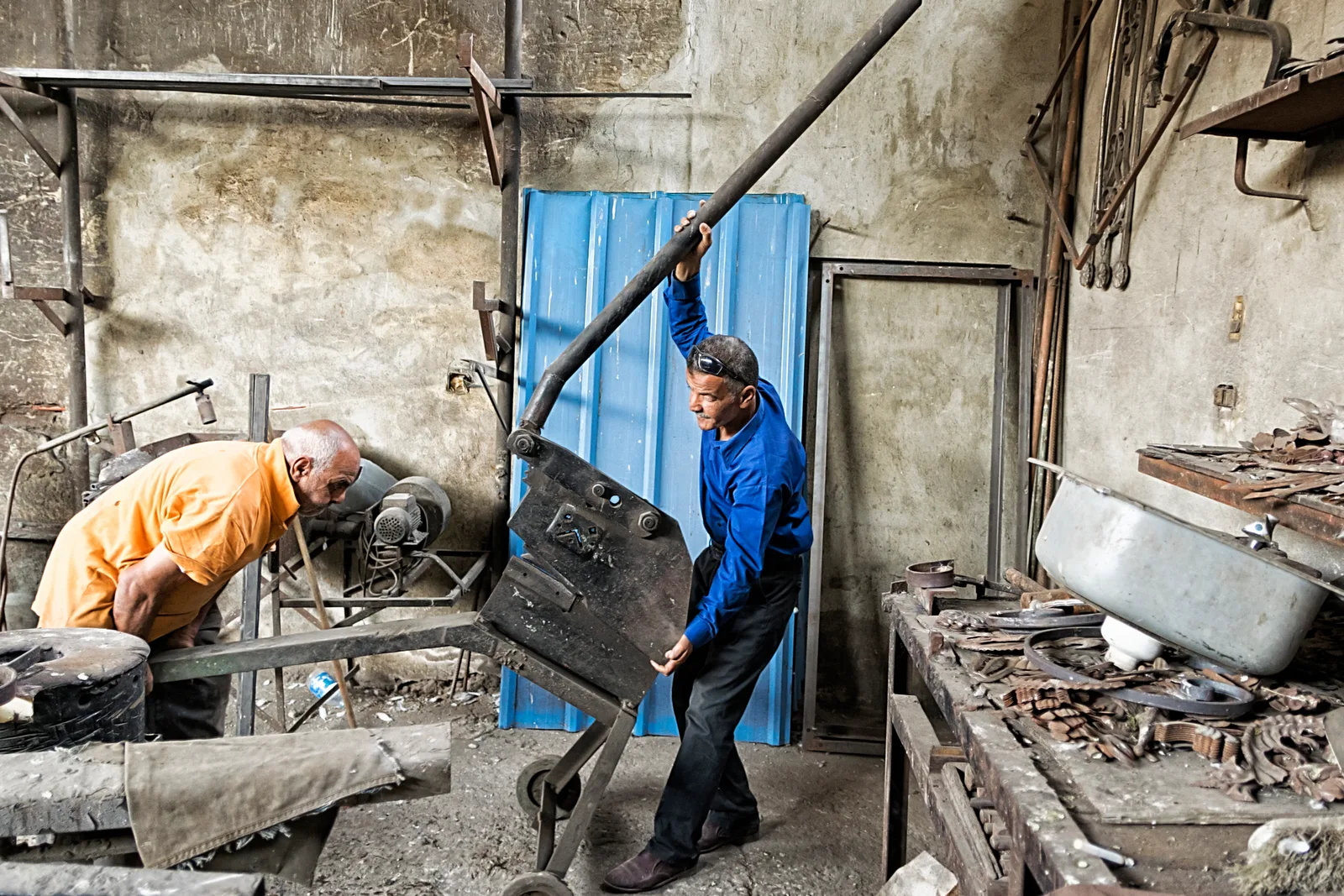
Milyonlarca Mısırlı; fabrikalarda, şirketlerde, dükkânlarda ve çiftliklerde, yani özel sektörde çalışıyor ve birçoğu yasanın kendisine tam olarak neyi güvence altına aldığını bilmiyor. Haklarınızı bilmek burada bir lüks değildir: işe alındığınız gün pazarlık gücünüzü, anlaşmazlık çıktığı gün ise dayanağınızı belirleyen şey budur. İş kanunu bu ilişkiyi Mısır’da onlarca yıldır düzenliyor ve yakın zamanda kapsamlı bir yasal güncellemeden geçti; ancak burada aktardığımız temel esaslar, Mısır mevzuatında köklü biçimde yerleşmiş, istikrar kazanmış haklardır.
İlk ve en önemli hak, yazılı sözleşmedir. Kanun, iş sözleşmesinin Arapça olarak yazılı biçimde ve birden fazla nüsha hâlinde düzenlenmesini, bir nüshanın işçide kalmasını ve sözleşmede esaslı unsurların yer almasını zorunlu kılar: işin niteliği, ücret ve ekleri, belirli süreli ise sözleşmenin süresi. Bununla birlikte yazılı sözleşmenin bulunmaması işçinin haklarını ortadan kaldırmaz; iş ilişkisi her türlü delille ispatlanabilir. Yine de belge, her zaman en güçlü silahtır.
Sözleşmeye bağlı, ondan aşağı kalmayan bir hak daha vardır: sosyal sigorta. İşveren, işçilerini iş ilişkisinin başladığı andan itibaren Ulusal Sosyal Sigorta Kurumu’na bildirmekle yasal olarak yükümlüdür; bu bildirim işçiye emeklilik aylığının, iş kazası tazminatının ve hastalık sigortasının kapılarını açar. Görünürde daha yüksek bir ücret karşılığında “sigortasız” çalışmayı kabul eden işçi, aslında bütün güvenlik ağından vazgeçmiş olur.
Deneme süresini ise kanun açık bir üst sınırla bağlar: üç ayı geçemez ve bir işçi aynı işveren nezdinde birden fazla kez deneme süresine tabi tutulamaz. Buna aykırı her koşul — denemenin altı aya uzatılması ya da yinelenmesi — sözleşmede ne yazarsa yazsın geçersizdir ve hükümsüzdür.
Çalışma saatlerinde kanun yerleşik kuralı benimser: fiilî çalışma günde en fazla sekiz saat ya da haftada kırk sekiz saattir; dinlenme araları bu süreye dâhil edilmez ve haftada en az yirmi dört tam saatlik ücretli bir dinlenme hakkı vardır. Bunun üzerindeki her çalışma fazla mesai sayılır ve işçiye kanunun belirlediği oranlarda ek ücret ödenir; bu oranlar gece çalışmasında, dinlenme günlerinde ve resmî tatillerde yükselir.
İzinler açık hükümlerle tanınmış bir haktır: bir tam hizmet yılını dolduran işçi için yirmi bir gün ücretli yıllık izin; hizmeti on yılı aşanlar ya da elli yaşını geçenler için otuz güne çıkan izin; bunlara ek olarak resmî tatiller, beklenmedik durumlar için mazeret izni ve onaylı sağlık raporlarına dayanılarak sosyal sigorta sistemi üzerinden düzenlenen hastalık izinleri.
Çalışan kadınlar özel bir korumadan yararlanır: Mısır mevzuatının güvence altına aldığı ve son güncellemelerde kapsamı genişletilen ücretli doğum izni; gebelik ya da doğum nedeniyle işten çıkarma yasağı; çalışma saatlerinden sayılan süt izni hakkı; ve kanunun belirlediği işyerlerinde çocuk bakım izni hakkı. Bu hükümler, kadının işgücü piyasasında kalıcı olmasını sağlamak için konulmuştur; yasal bir süs olsun diye değil.
Ücretler alanında Ulusal Ücret Konseyi, düzenli aralıklarla gözden geçirilen ve özel sektörü de kapsayan bir asgari ücret belirler. Kanun, ücretin düzenli ödeme tarihlerinde ödenmesini zorunlu kılar ve ücretten yapılacak kesintileri sınırlar ile kurallara bağlar: işveren ücretten keyfî biçimde kesinti yapamaz, kanunun çizdiği çerçevenin dışında para cezası uygulayamaz.
İş ilişkisinin sona ermesi, kanunu bilmenin en çok gerektiği alandır. İşten çıkarma ancak kanunun kabul ettiği sebeplerle ve öngördüğü usullerle hukuka uygun olur; haksız fesih, iş yargısının takdir edeceği bir tazminat doğurur. Mısırlı yasa koyucu, bu uyuşmazlıkların hızla çözülmesi için yakın zamanda uzman iş mahkemeleri kurmuştur. İşçi, hizmetin sona ermesinde çalışma belgesi almaya ve kullanılmayan izin karşılığı da dâhil olmak üzere tüm alacaklarını eksiksiz tahsil etmeye hak kazanır.
Güvenli bir çalışma ortamı olmadan haklar tamamlanmış sayılmaz: kanun, işvereni iş sağlığı ve güvenliği koşullarını sağlamakla ve iş risklerine karşı korunma araçlarını temin etmekle yükümlü kılar; iş kazaları ise sosyal sigorta yoluyla belirlenmiş tedavi ve tazminatlarla karşılanır. Koruyucu donanımı vermekten kaçınmak, yalnızca idari bir ihmal değil, hukuka aykırı bir davranıştır.
Haklar yitirilirse yol kapalı değildir: İşgücü Bakanlığı’na bağlı çalışma büroları ülkenin bütün muhafazalarına yayılmıştır, şikâyetleri kabul eder ve uzlaşma girişiminde bulunur; iş yargısı açıktır; sendikalar da kendilerine katılanlara örgütlü bir dayanak sunar. Bütün bunlarda altın kural tektir: belgelerinizi saklayın; sözleşmenizi, ücret makbuzlarınızı, yazışmalarınızı. Bugün sakladığınız kâğıt, yarın geri alacağınız hak olabilir.
İlgili Haberler

Hakkını Bil: Mirastan Mahrum Bırakılmak Suçtur. 49. Madde Ne Diyor, Payınızı Nasıl Geri Alırsınız?
2017'nin sonundan bu yana mirası teslim etmemek, sessizce örtbas edilen bir aile kavgası olmaktan çıkıp hapis ve para cezasıyla cezalandırılan bir suç hâline geldi; hüküm, Yüksek Anayasa Mahkemesi önünde iki anayasaya aykırılık itirazına da dayandı. Kanunun kimleri kapsadığını, hukuk davası ile ceza şikâyeti arasındaki farkı, metnin neden kesin bir taksimi şart koşmadığını ve hükümden sonra bile açık kalan uzlaşma kapısını anlatıyoruz.
11 Eylül 2026 · 8 dk okuma

Tapu Sicili: Ön sözleşme sizi neden korumaz, mülkiyetinizi adım adım nasıl tescil ettirirsiniz?
Çekmecede duran ön satış sözleşmeniz, ne kadar ödeme yapmış olursanız olun sizi malik yapmaz; Mısır'da taşınmaz mülkiyeti ancak tescille geçer. Noter onayı ile tescil arasındaki farkı, imzanın doğruluğu ile sözleşmenin geçerliliği ve icrası davalarının iki ayrı yolunu, alıcıyı hakkından eden yaygın hataları ve ilk evraktan son imzaya kadar mülkiyetinizi tescil ettirme adımlarını öğrenin.
30 Ağustos 2026 · 8 dk okuma

«Keda Ghalat» (Bu Yanlış): Kâsede Zehir, Sırtta Değnek — Hayvana Eziyet, 1937'den Beri Mısır Ceza Kanunu'nda Suç
Bir komşu okul duvarının yanına zehirli kaplar bırakıyor, bir araba sahibi ise eşeğine ağır bir yük çektirmek için yüzüne sopayla vuruyor. Birçok kişi «sadece bir hayvan»ı hiçbir kanunun korumadığını sanıyor. Oysa Ceza Kanunu'nun 355, 356 ve 357. maddeleri, hayvan öldürmeyi, zehirlemeyi ve ona eziyet etmeyi hapis cezasına varan yaptırımlarla cezalandırıyor. Dünya Hayvanlar Günü arifesinde kanunun ne dediğini açıklıyoruz.
3 Ekim 2026 · 6 dk okuma