Mısır lirası ve alışveriş sepeti: Enflasyon çarşı pazarda nasıl işliyor, aileler nasıl ayak uyduruyor?
Aynı pirinç, yağ ve sebze sepeti neden her mevsim biraz daha pahalı — üstelik Mısır'da yetişen ürünlerde bile? Enflasyonun ve liranın değer kaybının limanlardan pazar tezgâhlarına nasıl ulaştığını, sübvansiyonların darbeyi nasıl yumuşattığını ve ailelerin yıllarla sınanmış geçim stratejilerini anlatan sade bir rehber.
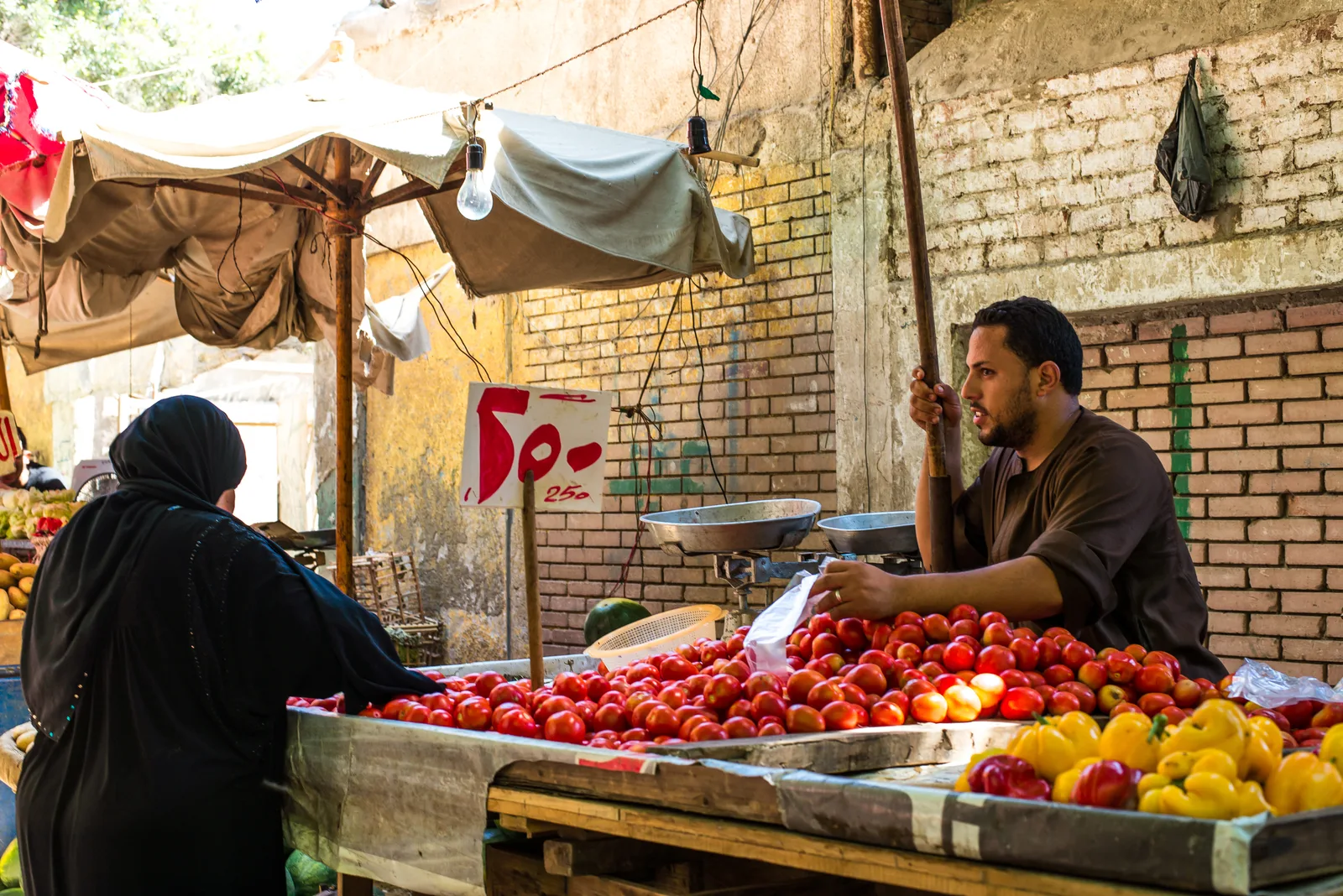
Mısır’da bir evin alışverişini yapan herkes bu duyguyu bilir: aynı pirinç, yağ, sebze ve ekmek sepeti her geçen mevsim daha pahalıya geliyor gibidir. Bu yazı ne günün fiyatlarını ne de döviz kurlarını veriyor, çünkü ikisi de sürekli değişiyor; bunun yerine rakamların ardındaki mekanizmayı anlatıyor: enflasyon gerçekte nedir, Mısır lirasının değeri neden manav tezgâhına kadar ulaşır, destekler darbeyi nasıl yumuşatır ve Mısırlı aileler sabit bir geliri yükselen bir faturaya yaymak için uzun zamandır hangi yollara başvurur?
Enflasyon, en yalın haliyle genel fiyat düzeyindeki sürekli artıştır; bu da paranın satın alma gücünün düşmesinin bir başka ifadesidir: aynı banknot eskisinden daha azını alır. Mısır’ın istatistik kurumu CAPMAS, enflasyonu sabit bir mal ve hizmet sepetinin maliyetini izleyerek ölçer. Yiyecek ve içecek, ortalama bir Mısır hanesinin harcamalarında büyük bir yer tuttuğu için gıda enflasyonu burada, market alışverişinin bütçenin yalnızca küçük bir dilimini oluşturduğu ülkelerdekinden çok daha sert hissedilir.
Döviz kuru önemlidir, çünkü Mısır yediğinin ve kullandığının büyük bölümünü ithal eder: ülke dünyanın en büyük buğday alıcılarından biridir; yemeklik yağı, hayvan yemi için mısırı ve soyayı, ilaç hammaddelerini ve yakıtı dışarıdan satın alır. İthalat dolarla fiyatlanır; lira dolar karşısında zayıfladığında aynı buğday ya da yağ yükü limanda daha çok liraya mal olur ve bu artış değirmenlerden, fırınlardan ve toptancılardan geçerek market rafına kadar gelir.
Yurt içinde üretilen mallar da bu etkiden muaf değildir ve bu, pek çok alışverişçinin kafasını karıştırır: Mısır peyniri ya da tavuğu dolar yüzünden neden pahalansın? Yanıt şudur: yerli üretim ithal girdilere yaslanır. Tavuk çiftlikleri ithal yem alır, çiftçi dünya fiyatlarına bağlı gübre ve tohum alır, fabrikalar ambalaj ve yedek parça alır, her şey yakıt yakan kamyonlarla taşınır. Her halka artan maliyetinin bir bölümünü bir sonrakine aktarır; böylece paranın değer kaybı, sınırı hiç geçmemiş ürünlere bile sızar.
Beklentiler de kendi ivmesini ekler. Yarın stok yenilemenin daha pahalıya geleceğinden korkan esnaf, yerine koyma maliyetini karşılamak için fiyatını bugünden yükseltir; kıtlıktan çekinen haneler fazladan alır, rafları kısa süreliğine boşaltır ve fiyatları daha da yukarı iter. Hükümetlerin çalkantılı dönemlerde stokçuluğa ve mal saklamaya karşı kampanya yürütmesinin, arz rakamlarını açıklamasının nedeni budur. Bunların hiçbiri Mısır’a özgü değildir, iktisadın en temel bilgisidir; ama fiyatların neden zaman zaman tek başına hiçbir maliyet kaleminin açıklayamayacağı kadar hızlı sıçradığını anlatır.
Bu baskıların karşısında destek sistemi durur. “Tamvin” programının erzak kartları, hanenin kayıtlı bireylerine desteklenmiş temel gıdalardan aylık kota tanır; ayrı bir program ise baladi ekmeğinin fiyatını on milyonlarca hak sahibi için maliyetinin çok altında tutar. Devletin tüketim mağazaları ve mevsimlik satış noktaları malları düşük kârla satar. Destekler enflasyonu durdurmaz, ama hayatta kalmanın temel mallarının fiyatını sabitler; sistemin reformu her gündeme geldiğinde tartışmanın bu kadar kızışmasının nedeni de budur.
Haneler pahalılığa ikameyle karşılık verir; bu, Mısır mutfağının sessiz sanatıdır. Kırmızı et elden uzaklaştıkça sofralar tavuğa, yumurtaya ve köklü baklagil geleneğine yönelir: bakla, mercimek ve koşari, proteini maliyetin küçük bir bölümüyle sağlar. Alışverişçiler markalı üründen açık ürüne, ithal olandan yerliye, büyük parçalardan küçüklerine geçer. Sebzeyi mevsiminde, arzın zirveye çıkıp fiyatların gerilediği dönemde almak ise en eski ve en etkili savunmalardan biri olmayı sürdürür.
Yalnızca fiyat etiketine değil, ambalaja da bakın. Üreticilerin artan maliyetlere verdiği yaygın karşılıklardan biri “küçülterek zamlama”dır: fiyat tanıdık kalırken paket sessizce gram kaybeder. Birim fiyatını, yani kilo ya da litre başına maliyeti karşılaştırmak, raf etiketinin gizlediğini açığa çıkarır. Aileler büyük harcamaları toplu halde de hafifletir: akrabalar, komşular ya da iş arkadaşları arasında sırayla ödenen bir birikim halkası olan “gamiyye”, okul masraflarını, ev aletlerini ya da borç ödemelerini resmî krediye başvurmadan finanse etmenin hâlâ çok yaygın bir yoludur.
Enflasyon atıl parayı da cezalandırır; bu yüzden fiyatlar değiştikçe tasarruf davranışı da değişir. Mısırlılar uzun zamandır altını düğün ve acil durumlar için bir değer saklama aracı olarak görür; bankalar da liranın elde tutulmasını cazip kılmak üzere zaman zaman yüksek getirili tasarruf sertifikaları çıkarır. Her seçeneğin kendi riskleri ve ödünleri vardır; bu yazı davranışı anlatır, önermez. Ancak temeldeki mantık aynıdır: çekmecede kıpırdamadan duran para, fiyatların yükseldiği her ay satın alma gücünü yitirir.
Bu mekanizmaların hiçbiri dar bir ayı kolaylaştırmaz; ama onları anlamak, alışveriş yapanın piyasayı okuma biçimini değiştirir: fiyat artışı artık bir esnafın keyfi olmaktan çıkar, limanlarda ve döviz kurlarında başlayıp kasada biten bir zincire dönüşür. Erzak kartında nelere hak kazandığınızı bilmek, birim fiyatları karşılaştırmak, mevsimine göre pişirmek ve alışverişi birlikte planlamak birer hile değildir; bu döngüden önce nice iktisadi döngüden geçmiş hanelerin biriktirdiği bilgeliktir.
İlgili Haberler

Ağustos Zirvesi: Mısır Elektrik Şebekesi İlk Kez 40 Bin Megavatı Aştı, Kesintiler Geri Dönmedi
Mısır'ın ulusal elektrik şebekesi, geçen haftaki sıcak hava dalgasında tarihinde ilk kez 40 bin megavat eşiğini aştı; planlı kesintilere geri dönülmedi. Dimyat'taki insansız hava aracı saldırısının ardından yakıt arzı nasıl ayakta kaldı ve yeni kademeli tarifeler faturanız için ne anlama geliyor?
19 Ağustos 2026 · 7 dk okuma
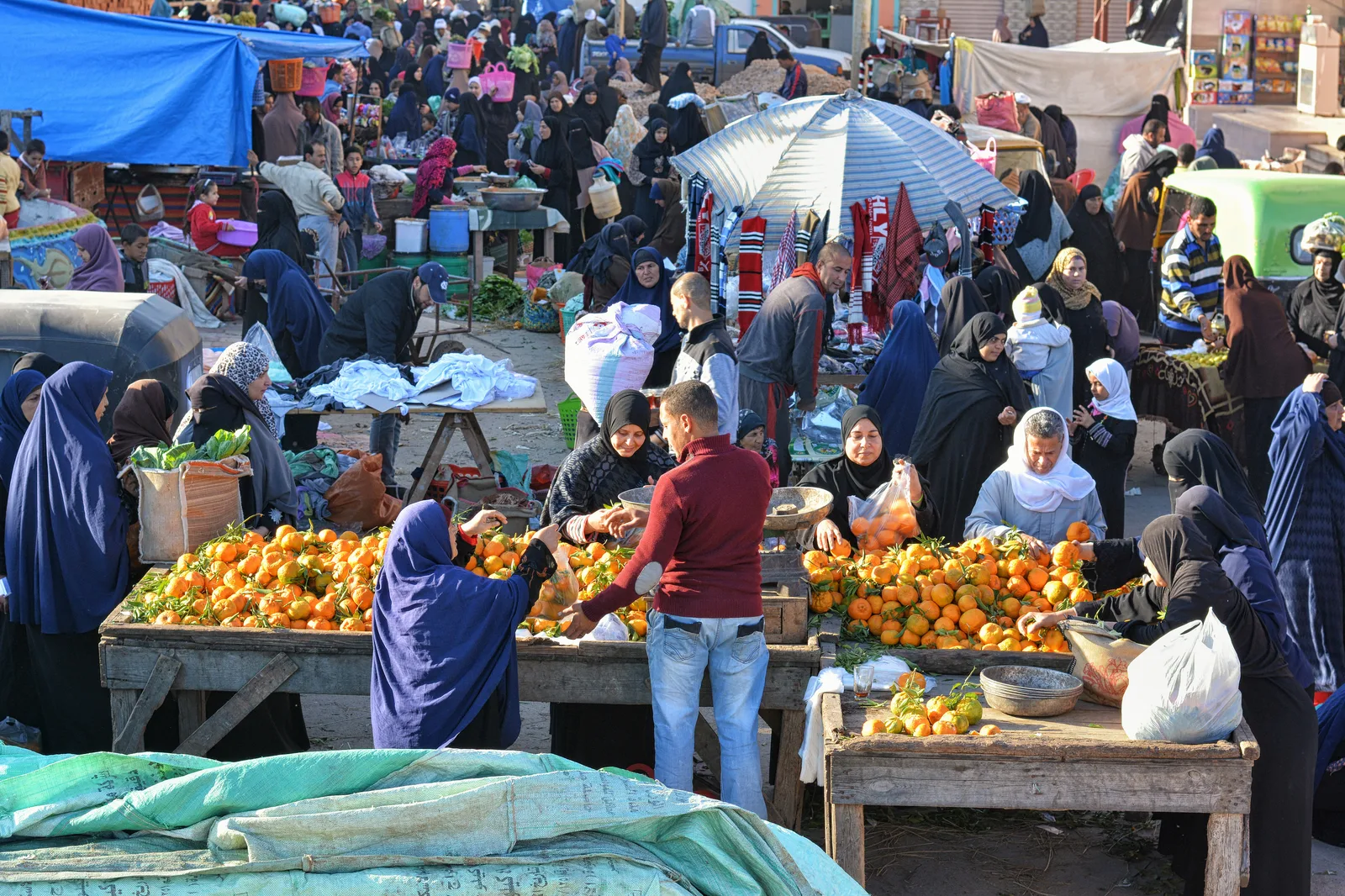
İki Rakamla Mısır Ekonomisi: Yüzde 5,2 Büyüme ve Gerilim Hattındaki Bölge
Hükümet dokuz ayda yüzde 5,2 büyüme açıklarken, bir yandan da bölgesel tırmanışın etkilerine karşı güncellenmiş acil durum senaryolarını gözden geçiriyor. Enflasyon yüzde 14,9'a çıkmış, dolar 50 lira civarında seyrederken bu iki rakam vatandaşın cebi için ne anlama geliyor?
18 Ağustos 2026 · 7 dk okuma
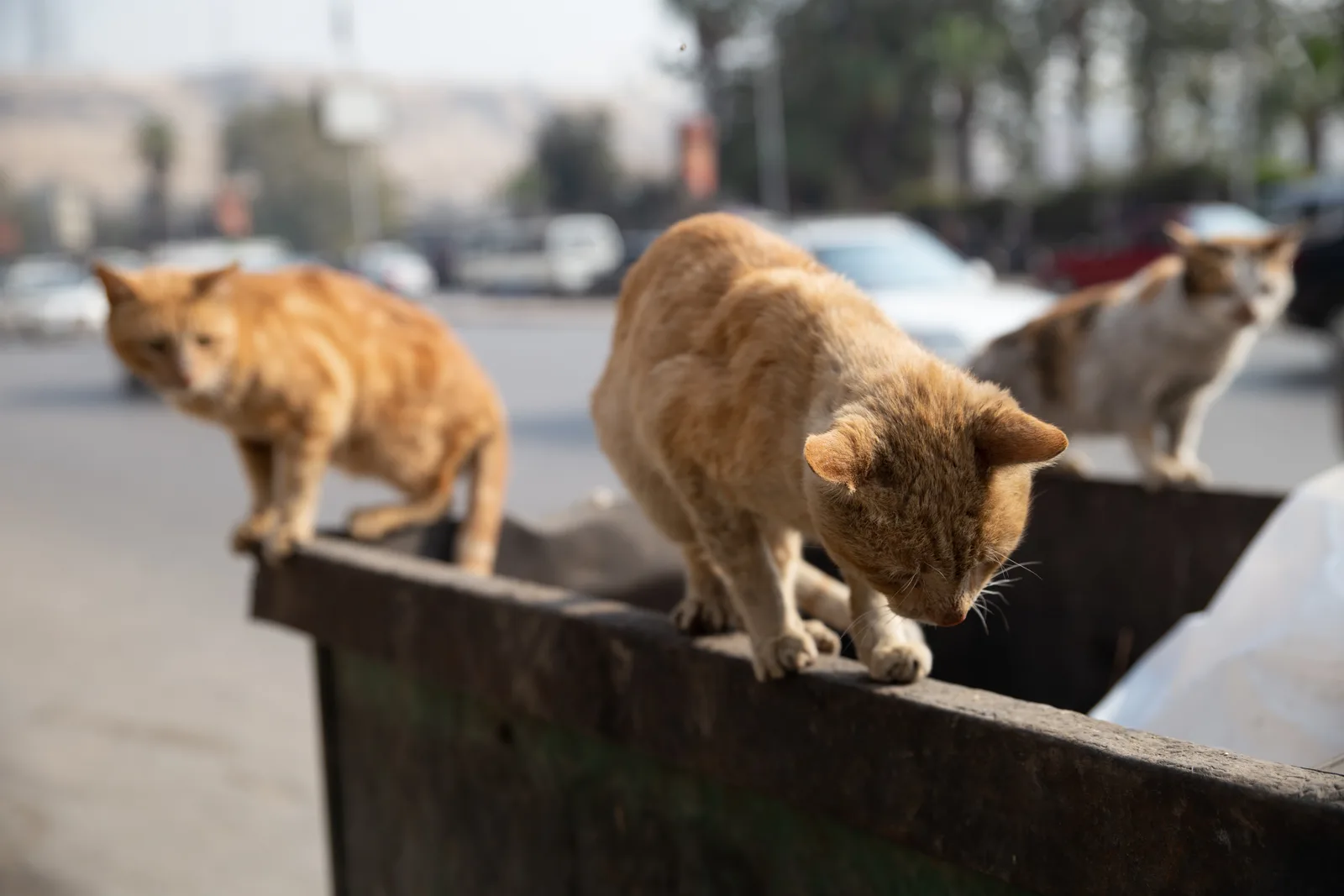
«Keda Ghalat» (Bu Yanlış): Kâsede Zehir, Sırtta Değnek — Hayvana Eziyet, 1937'den Beri Mısır Ceza Kanunu'nda Suç
Bir komşu okul duvarının yanına zehirli kaplar bırakıyor, bir araba sahibi ise eşeğine ağır bir yük çektirmek için yüzüne sopayla vuruyor. Birçok kişi «sadece bir hayvan»ı hiçbir kanunun korumadığını sanıyor. Oysa Ceza Kanunu'nun 355, 356 ve 357. maddeleri, hayvan öldürmeyi, zehirlemeyi ve ona eziyet etmeyi hapis cezasına varan yaptırımlarla cezalandırıyor. Dünya Hayvanlar Günü arifesinde kanunun ne dediğini açıklıyoruz.
3 Ekim 2026 · 6 dk okuma