Çin Seddi Ay'dan görülebilir mi? Astronotlar cevabı çoktan verdi
Ders kitaplarının gözde bilgisine göre Çin Seddi, Ay'dan görülebilen tek insan yapısı. Oraya gidenler — ve Çin'in ilk astronotu — aksini söylüyor; optik hesaplar da onları doğruluyor. Uzaydan gerçekte görülebilenler ise — şehir ışıklarından ışıl ışıl Nil Deltası'na — çok daha güzel bir hikâye. Hüküm: Yanlış.
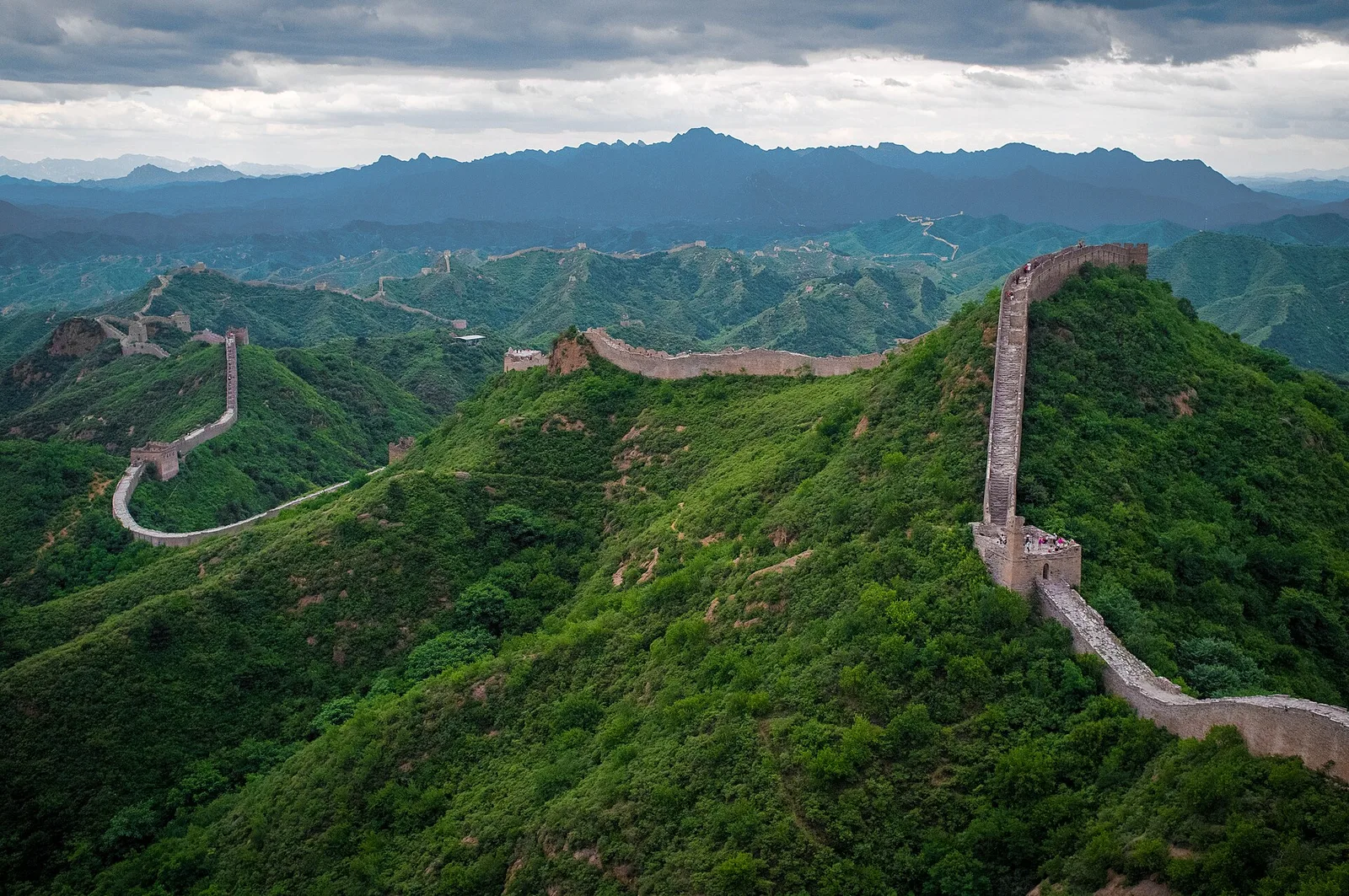
Her kıtada ders kitaplarında, yarışma programlarında ve akşam sofralarının kendinden emin sohbetlerinde karşınıza çıkar: Çin Seddi'nin, anlatıldığına göre, Ay'dan çıplak gözle görülebilen tek insan yapısı olduğu ya da daha yumuşak bir ifadeyle “uzaydan” görülebildiği söylenir. Çok az iddia bu kadar güvenle tekrarlanır ve çok azı bu kadar kolay doğrulanabilir; çünkü insanlar gerçekten Ay yüzeyine ayak bastı ve on yıllardır Dünya'nın çevresinde dönüyor. Onların tanıklığı, basit optik bilgisiyle de desteklenerek, hiçbir kuşkuya yer bırakmıyor ve tam tersini söylüyor.
Bu efsanenin en tuhaf yanı yaşı: Daha kimse uçamazken doğdu. On sekizinci yüzyılda İngiliz eskiçağ araştırmacısı William Stukeley, bir mektubunda seddin Ay'dan görülebileceğini hayal etti; on dokuzuncu yüzyıl yazarları da bu parlak cümleyi yineledi. Yirminci yüzyılda ünlü “Ripley's Believe It or Not!” dizisi onu milyonlara ulaştırdı. Roketler nihayet ortaya çıktığında bu “gerçek” çoktan ders kitaplarına yerleşmişti: uzay yolculuklarından yüzyıllar önce, rahat bir koltuktan uzay hakkında yapılmış bir tahmin.
Ay'dan başlayalım; yaklaşık 384.000 kilometre uzaklıkta. Bu mesafeden bakıldığında bütün Dünya, uzatılmış kolun ucundaki bir başparmak tırnağı büyüklüğünde görünür: astronotların üzerinde okyanusları, kıtaları ve dönen bulutları seçebildiği, mavi ve beyaz, parlak bir disk; insan elinden çıkma hiçbir şey ise seçilemez. Bilim insanları söz konusu ölçek için çarpıcı bir benzetme yaptı: Çin Seddi'ni Ay'dan seçebilmek, aşağı yukarı üç kilometreden uzaktaki tek bir saç telini fark edebilmeye denk düşer.
Bunu en iyi bilecek konumda olanlar açıkça söyledi. Ay'a giden Apollo astronotları, oradan hiçbir türden insan yapısının görülemediğini bildirdi; Apollo 12 astronotu Alan Bean manzarayı beyaz bulutlardan, mavi okyanustan ve sarı çöl lekelerinden oluşan güzel bir küre olarak tarif etti ve o mesafede insan yapımı hiçbir şeyin seçilemediğini söyledi. On iki insan Ay yüzeyinde yürüdü, çok daha fazlası Ay'ın çevresinde döndü; hiçbiri seddi gördüğünü söylemedi. İddianın “Ay'dan” sürümünde tanıklık oybirliğiyle aynı yöndedir.
Peki Uluslararası Uzay İstasyonu'nun süzüldüğü, yalnızca 400 kilometre yükseklikteki alçak Dünya yörüngesi? Burada gözü yenen, seddin kendi tasarımıdır. Büyük bölümünde genişliği beş ila dokuz metreyi geçmez; birçok otoyoldan bile dardır. Üstelik yörenin toprağı ve taşıyla inşa edilmiştir, bu yüzden rengi izlediği tepe sıralarının içinde erir. Bir yapının yukarıdan görülebilmesi, genişliğine ve çevresiyle olan karşıtlığına bağlıdır; seddin ikisi de yoktur. Daha geniş ve daha parlak olan yollar, havalimanları ve barajlar ise aslında çok daha kolay seçilir.
Belirleyici tanıklık 2003'te, ilk Çinli astronot Yang Liwei'den geldi. “Shenzhou 5” ile Dünya'nın çevresinde döndükten sonra, bütün ülkesinin yanıtını merak ettiği soru kendisine sorulduğunda, seddi göremediğini dürüstçe söyledi. Yanıtı Çin'de tam da bu iddia Çin ders kitaplarında yer aldığı için büyük yankı uyandırdı ve kitapların düzeltilmesi üzerine kamuoyunda bir tartışma başlattı. Uluslararası Uzay İstasyonu mürettebatı seddi elbette fotoğrafladı; ama güçlü teleobjektiflerle ve nereye bakacağını tam olarak bilerek. Bu da çıplak gözle görmekten bambaşka bir şeydir.
Efsane neden bu kadar dayanıklı çıktı? Bir ölçüde pohpohladığı için: Gerçekten görkemli bir anıtı, hiçbir rakibin elinden alamayacağı bir unvanla taçlandırıyor. Bir ölçüde, kimse sınayamadan tam iki yüzyıl dolaşıp “herkesin bildiği bilgi” hâline sertleştiği için. Bir ölçüde de “uzaydan görülebilir” ifadesi işe gelir biçimde bulanık olduğu için: yeterince alçak bir yörüngeden, kusursuz bir ışıkta ve eğitimli gözlerle, neredeyse görülebilirlik üzerine sonsuza dek tartışılabilir. Ay sürümü ise hiçbir tartışmaya yer bırakmaz.
Sorunun dürüst hâlinin yanıtı çok daha güzeldir. Astronotların yörüngeden çıplak gözle gerçekten gördükleri arasında gündüz kıyı çizgileri ve şehirler, geceleyin de pırıl pırıl şehir ışığı ağları vardır; bunlar uzay istasyonundan en çok fotoğraflanan manzaralar arasındadır. Mısırlıların burada özel bir gurur payı var: geceleyin Nil Vadisi ve Deltası, çölün karanlığı ortasında ışıkla parlayarak yörünge fotoğrafçılığının en ünlü görüntülerinden birini oluşturur ve çoğu zaman ışıldayan bir nilüfer çiçeğine benzetilir. Gözün yakaladığı şey geniş, parlak ve yüksek karşıtlıklı nesnelerdir; dokuz metre genişliğinde bir duvar değil.
İyi koşullarda yörüngeden görülebilen ya da fotoğraflanabilen diğer insan eserleri arasında İspanya'nın Almería bölgesindeki uçsuz bucaksız sera tarlaları — kıyıda soluk ve parlak bir yama gibi görünürler —, büyük havalimanları, dev barajlar ve su rezervuarları ile Dubai açıklarındaki yapay adalar sayılabilir. Bu listenin dersi tek ve tutarlıdır: Önemli olan alan ve karşıtlıktır, uzunluk değil. Binlerce kilometre uzanan ama yalnızca birkaç metre genişliğindeki bir yapı, odanın öbür ucundan baktığınız desenli bir halının üzerinde uzun ve ince bir ipliğin kaybolduğu gibi kolayca yok olur.
Karar şu: İddia her iki sürümünde de yanlıştır. Ay'dan hiçbir insan yapısı görülmez; oraya giden astronotlar hemfikirdir, optik de bunu matematiksel olarak kanıtlar. Alçak Dünya yörüngesinden bakıldığında Çin Seddi en iyi ihtimalle çıplak gözle görülebilirliğin sınırında durur ve Çin'in ilk astronotunun kendisi onu göremediğini bildirmiştir. Bir iddia, insanları söz konusu gözlem noktasına göndermekten daha doğrudan bir biçimde güçlükle sınanabilir; bu iddia da sınavdan kalmıştır.
Bunların hiçbiri seddin kendi değerinden bir şey eksiltmez. Çin'in resmî kültürel miras araştırmaları, seddin çok sayıdaki kolunu ve bölümünü toplamda yirmi bin kilometreden fazla olarak hesaplıyor: yaklaşık iki bin yıl boyunca inşa edilip yeniden inşa edilmiş bir savunma sistemi ve insanlık tarihinin en büyük yapı başarılarından biri. Efsaneye ihtiyacı yok. Dahası, gerçeğin taşıdığı ders çok daha alçakgönüllüdür: Yalnızca birkaç yüz kilometre yükseklikten bakıldığında, insanların inşa ettiği hemen her şey gezegenin yüzeyinde erir. Kendi görünürlüğünü abartmaya eğilimli bir tür için oldukça yararlı bir düşünce.
İlgili Haberler
"Yalnızken kalp krizi geçirirsen kuvvetle öksür, kurtulursun": Mısır'da dolaşan WhatsApp mesajı ve tıbbın dediği tersi
Mısır'da neredeyse her telefona ulaşan bir zincir mesaj: Yalnızken kalp krizi geçirirseniz, kalbiniz düzene girene kadar kuvvetle ve ritimle öksürün. Amerikan Kalp Derneği "öksürük CPR'ını" açıkça reddediyor; mesaj kalp krizi ile kalp durmasını birbirine karıştırıyor ve ücretsiz 123 ambulans hattını aramak yerine öksürmekle geçen her dakika hastanın ömründen gidiyor. İşte tıbbın söyledikleri.
28 Eylül 2026 · 7 dk okuma
"Loş Işıkta Okumak Gözü Bozar": Göz Doktorlarının Doğruladığı ve Ailelerin Asıl Gözden Kaçırdığı Şey
Tek bir ampulün altında akşam ders çalışma günleri geri dönerken o eski uyarı da geri dönüyor: "Kör olacaksın." İddiayı kelimesi kelimesine inceledik ve göz doktorlarının hemfikir olduğunu gördük: Loş ışık ve ekrana yakın oturmak gözü yorar, ama gözü bozmaz. Ne var ki bu güvencenin arkasında, çoğu evin gözden kaçırdığı gerçek bir tehlike duruyor ve bölgesel tahminler Mısırlı çocukları bu tehlikenin en başına yerleştiriyor.
19 Eylül 2026 · 7 dk okuma
“Yemekten sonra çay demiri engeller”: Bilimin doğruladığı anne uyarısı
Mısır mutfağından çıkan bir uyarının laboratuvarda bu kadar net doğrulanması nadir görülür. Yemekle birlikte içilen siyah çay, ekmekteki, mercimekteki ve sebzelerdeki demirin emilimini şaşırtıcı oranlarda düşürüyor; süt de bunu kurtarmıyor. Ama çözüm çay tepsisini sofradan kaldırmak değil, onu bir saat geciktirmek ve sofraya bir dilim limon koymak. Kanıtları ve bunun özellikle Mısır için neden önemli olduğunu anlatıyoruz.
10 Eylül 2026 · 7 dk okuma