Plajın ötesinde Kızıldeniz: Resifler, dalış kuralları, dugonglar ve yunus evleri
Mısır'ın Kızıldeniz kıyısı tatil köylerinden çok daha fazlası: dünyanın dört bir yanındaki bilim insanlarının incelediği sıcağa dayanıklı mercanlar, sıkı dalış kuralları, dugongların otladığı deniz çayırı koyları ve dönen yunusların dinlendiği resif lagünleri. Kumun ötesindeki denize — ve ona zarar vermeden nasıl ziyaret edileceğine — dair bir rehber.
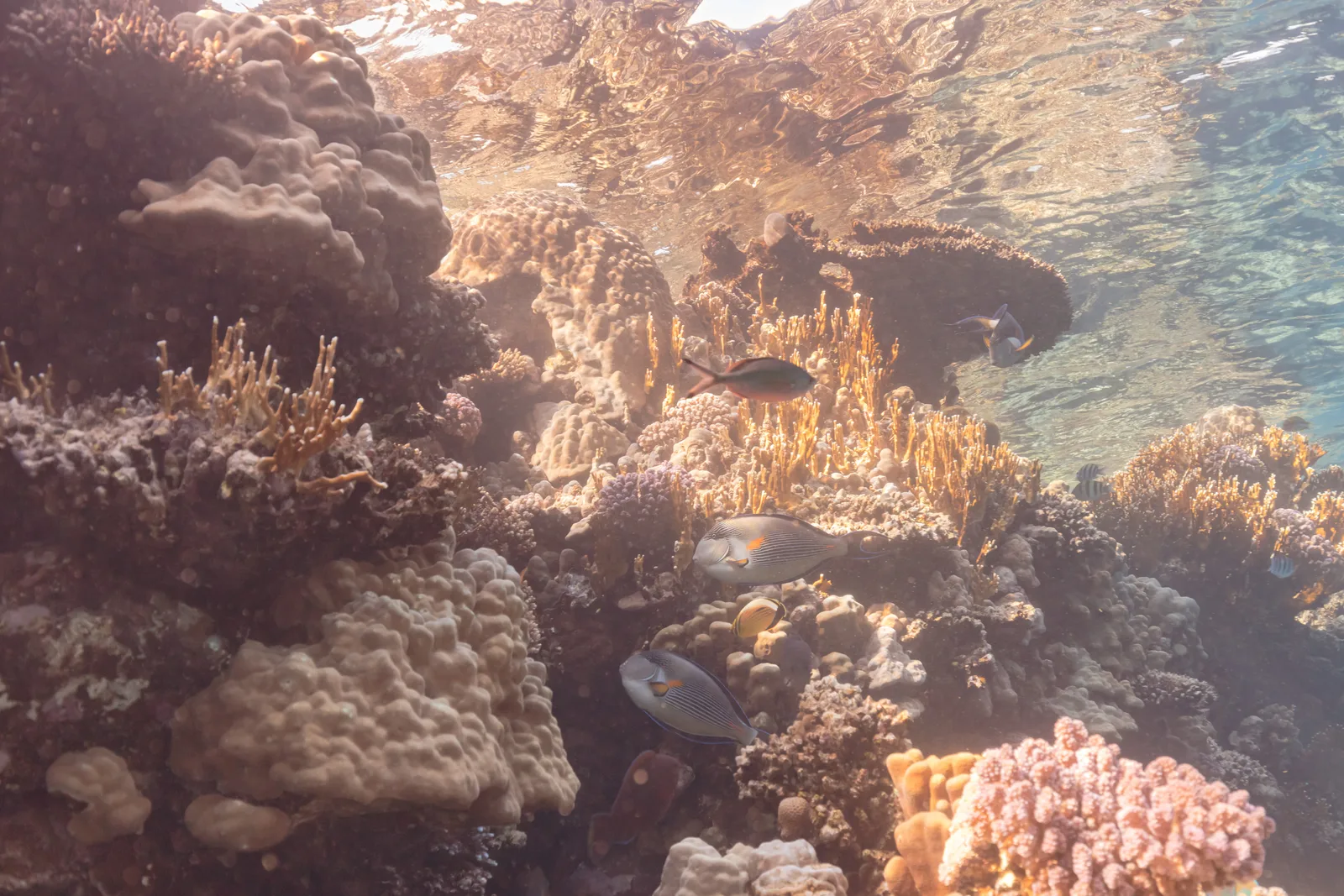
Kartpostallar kumu ve güneşi satar; oysa Kızıldeniz'in asıl zenginliği, plajın bittiği yerde başlar. Mısır'ın doğu kıyısı boyunca, Hurgada'dan güneye doğru Marsa Alam'a ve ötesine kadar yüzlerce kilometre uzanan bir kenar resifi vardır; kıyıya o kadar yakındır ki yüzücü, kumu terk ettikten birkaç dakika sonra canlı mercana ulaşır. Dalgıçlar ve şnorkelciler için burası yeryüzünde en kolay ulaşılabilen büyük resif sistemlerinden biridir; aynı zamanda deniz bilimcilerin en yakından izlediği resiflerden biri.
Bu bilimsel ilginin sağlam bir nedeni var: Kuzey Kızıldeniz ve Akabe Körfezi mercanları sıcak suya karşı alışılmadık bir dayanıklılık gösterdi; dünyanın başka bölgelerinde kitlesel mercan ağarmasına yol açan sıcaklıklarda hayatta kalıyorlar. Bu yüzden iklim değişikliği araştırmacıları bölgeyi, okyanuslar ısınsa bile mercan türlerinin tutunabileceği olası bir sığınak olarak görüyor. Bu da Mısır resiflerine turizmin çok ötesinde bir önem kazandırıyor: Onlar, daha geniş okyanusun bir gün ihtiyaç duyabileceği canlı bir gen hazinesi.
Hurgada tarihsel kapıdır. Yaşayanların hafızasında mütevazı bir balıkçı limanıyken dünyanın en yoğun dalış merkezlerinden birine dönüştü; tekneler her gün Giftun Adaları'nın resiflerine ve onların ötesindeki onlarca adlandırılmış dalış noktasına açılıyor. Ne var ki şöhret beraberinde baskı getirdi: Dikkatsizce atılan demirler, büyümesi on yıllar süren mercan kolonilerini paramparça ediyor; kontrolsüz palet vuruşları kırılgan dallı mercanları kırıyor; kalabalık noktalar ise hasarı, şehrin ününü kuran yerlerin tam üzerinde yoğunlaştırıyor.
Yanıt kısmen dalış sektörünün kendisinden geldi. Doksanlı yılların başında dalış işletmecileri, “HEPCA” adıyla bilinen Hurgada Çevre Koruma ve Muhafaza Derneği'ni kurdu. Dernek, kıyı boyunca sabit bağlama şamandıraları yerleştirdi; böylece tekneler canlı resifin üzerine demir atmak yerine bir halata bağlanabildi. Şamandıra ağı yıllar içinde genişleyerek Mısır Kızıldeniz'inin geniş bölümlerini kapsadı ve bir turizm sektörünün, geçimini sağladığı kaynağı korumak için kendi kendini örgütleyebileceğinin sık sık anılan bir örneği hâline geldi.
Ziyaretçinin su altında uyması gereken kurallar nazik tavsiyelerden ibaret değildir; birçoğu koruma alanı mevzuatının ve her sorumlu dalış merkezinin brifinginin şartıdır. Mercana dokunmayın, üzerine basmayın, eldivenle bile olsa tutmayın; hatta pek çok merkez, hevesi baştan kesmek için eldiveni tümüyle yasaklar. Yüzerliğinizi öyle ayarlayın ki paletleriniz ve ekipmanınız resifin üzerinde sürtmesin. Balıkları beslemeyin, deniz canlılarını kovalamayın ve yakalamayın, canlı ya da ölü kabuk veya mercan toplamayın: Deniz hatıralarını Mısır'dan çıkarmak yasaktır. Deniz parklarında alınan çevre harçları da koruma alanlarının kendisini finanse etmeye katkı sunar.
Güneyde Marsa Alam, aynı denizin daha sakin bir sürümünü sunuyor. Bir zamanlar yalnızca uzun bir çöl yolundan ulaşılabilen bölge, havalimanının açılmasından sonra büyüdü ve Mısır'ın en ünlü dalış noktalarından bazılarının üssü hâline geldi. Derin maviye dalan dar bir açık deniz duvarı olan Elphinstone Resifi, güçlü akıntıları ve okyanus köpekbalıklarıyla karşılaşmalarıyla tanınır; Marsa Abu Dabbab gibi korunaklı koylar ise bambaşka bir hazine saklar: Kumlu tabanların üzerinde salınan uçsuz bucaksız deniz çayırları, yani yeşil kaplumbağaların ve onlardan da nadir bir konuğun otlakları.
O daha nadir konuk, dugongdur: deniz ineğinin akrabası olan, iri ve ağır hareket eden, neredeyse yalnızca deniz çayırıyla beslenen otçul bir deniz memelisi. Marsa Alam koylarındaki gözlemler onu güney kıyısının simgesi yaptı; ancak dugong dünya genelinde tehdit altında ve kolayca ürküyor. Bu nedenle karşılaşma âdabı katıdır: Mesafenizi koruyun, hayvanı kovalamayın, sıkıştırmayın, ona dokunmayın, nefes alması gereken yüzeye çıkış yolunu kapatmayın ve karşılaşmanın — ya da karşılaşmamanın — tümüyle hayvanın kendi koşullarında gerçekleşmesine izin verin.
Bir de yunus evleri var. Marsa Alam yakınlarındaki at nalı biçimli Samadai Resifi, derin sularda geceyi avlanarak geçiren dönen yunusların gündüz dinlendiği sığ bir lagünü kucaklıyor. İki binli yılların başında düzensiz tekne trafiği dinlenen sürüleri sıkıştırmaya başlayınca yetkililer bir yönetim düzeni getirdi: Resif bölgelere ayrıldı, ziyaretçiler yunusların temel dinlenme alanından uzak tutuldu ve günlük sayılara üst sınır kondu. Güneyde benzer bir resif olan Sataya da ziyaretçilerini benzer kurallarla karşılıyor.
Güney kıyı ayrıca 2003'te koruma alanı ilan edilen Vadi el-Gemal Millî Parkı'na yaslanıyor; park, iç çöl vadilerinden mangrov ağaçlarıyla çevrili kıyılara, oradan da açıktaki adalara ve resiflere uzanıyor. Buradaki mangrovlar yavru balıklara ve yuva kuran kuşlara barınak sağlıyor; adalar üreyen deniz kuşlarını ve yumurta bırakan kaplumbağaları ağırlıyor; park ise turizm broşürlerinin genellikle birbirinden ayırdığı deniz ve çöl dünyalarını birleştiriyor. Bu, Kızıldeniz kıyısının bir otel plajları dizisi değil, tek bir ekosistem olduğunun hatırlatıcısıdır.
Ziyaretçinin önündeki sorumlu yol açık: Kapsamlı brifing veren ruhsatlı dalış merkezlerini seçin, bölge kurallarına ve grup büyüklüğü sınırlarına saygı gösteren işletmecileri tercih edin, rehberi dinleyin ve her palet vuruşunu bir karar olarak görün. Mısır'ın resifleri, denizlerin ısınmasına yeryüzündeki resiflerin çoğundan daha iyi dayandı; kendi şöhretlerine dayanıp dayanamayacakları ise büyük ölçüde onları hayranlıkla izlemeye gelenlerin davranışına bağlı. Plaj kapıdır, resif ise evdir — ve konuklardan buna göre davranmaları beklenir.
İlgili Haberler
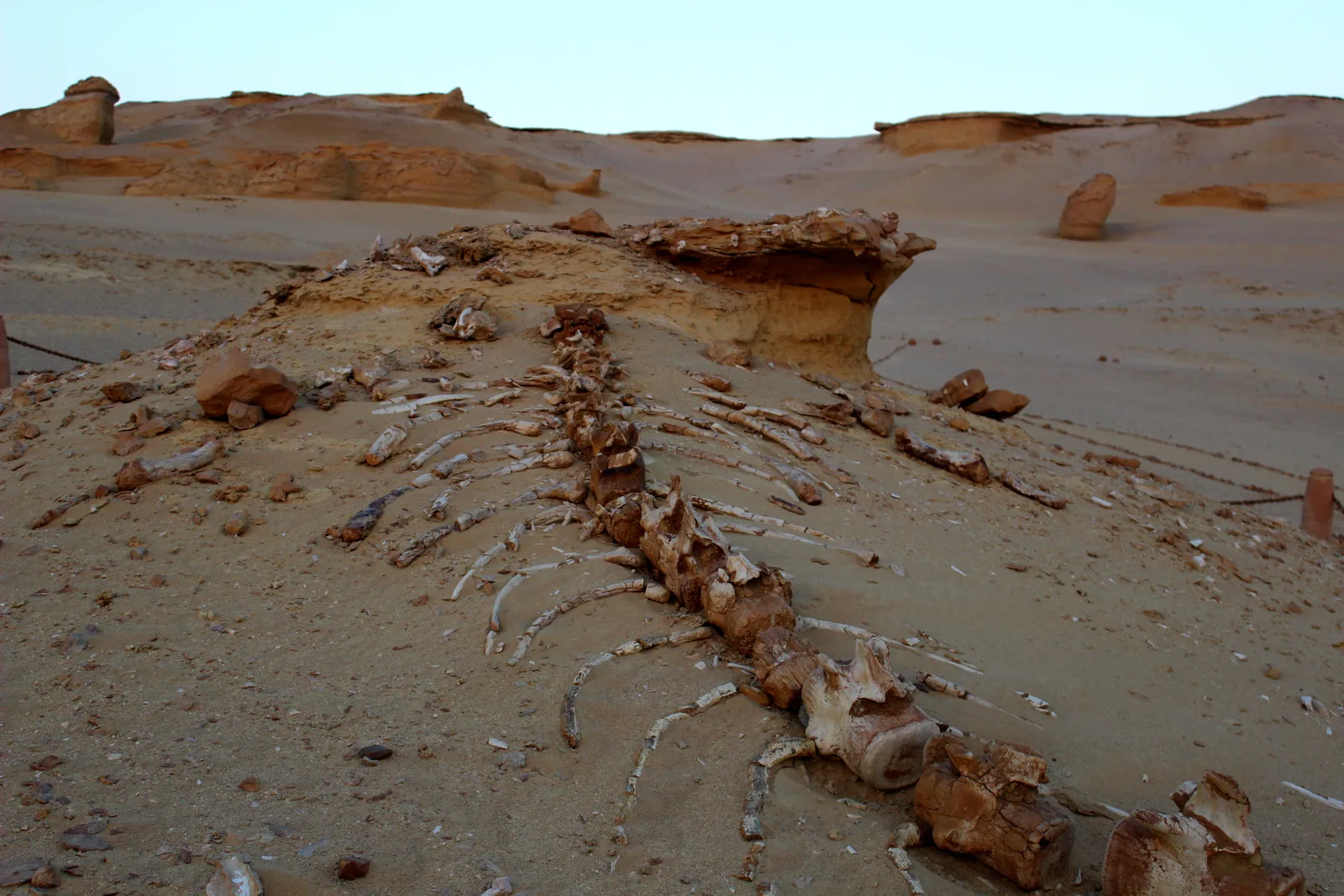
Vadi'ül-Hitan, Fayyum Bir Denizken: Kahire'den Kırk Milyon Yıllık Deniz Tabanına Bir Günlük Gezi
Kahire trafiğinden yaklaşık üç saat uzaklıkta, bir Mısırlı aile, 40 milyon yıl önce yaşamış, arka bacaklı bir balina iskeletinin önünde durur; bulundukları çöl bir zamanlar deniz tabanıydı. UNESCO, Vadi'ül-Hitan'ı Mısır'ın Dünya Mirası Listesi'ndeki ilk doğal alanı olarak neden seçti? Fosilleri, Vadi'r-Reyyan şelalelerini ve Tunus köyü çömlekçiliğini tek bir günde nasıl bir araya getirebilirsiniz? Vizesiz bir yolculuk için pratik bir rehber.
24 Eylül 2026 · 7 dk okuma
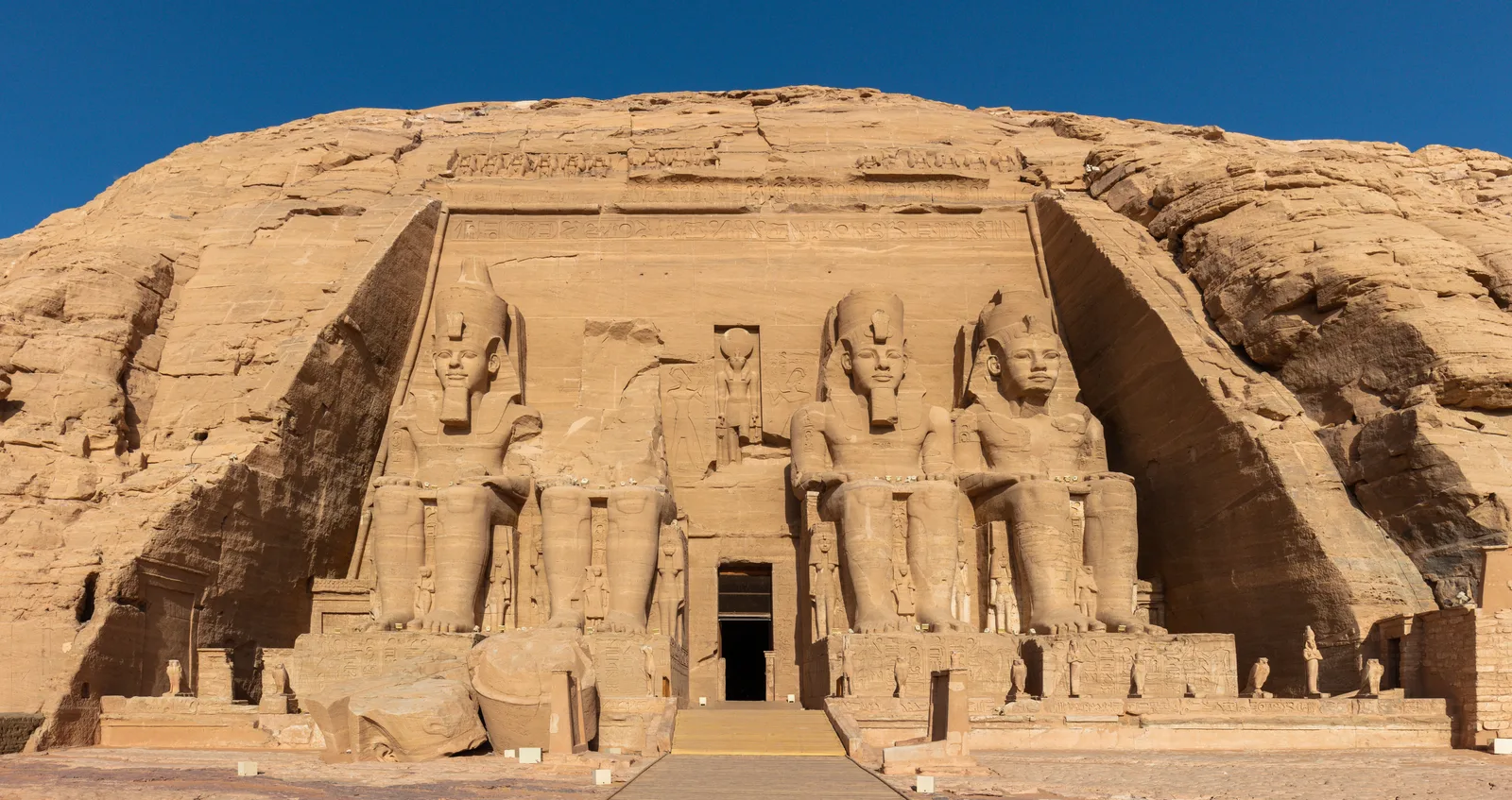
Ebu Simbel: İnsanlığın sular altında kalmasın diye 65 metre yukarı taşıdığı tapınak ve 22 Ekim'de ona geri dönen güneş
22 Ekim'de gün doğmadan kısa süre önce insanlar büyük salonun karanlığında, kayanın içinde yaklaşık altmış metre ilerleyip Ramses'in yüzünü aydınlatacak bir ışık huzmesini bekler. Bu anın ardında, tapınağı blok blok Nasır Gölü'nün sularının üzerine çıkaran yirmi yıllık bir uluslararası kampanyanın öyküsü var. Bu yazı, sahneyi anlamanız ve Asvan yolculuğunu tarihten bir ay önce planlamanız için rehberiniz.
20 Eylül 2026 · 7 dk okuma
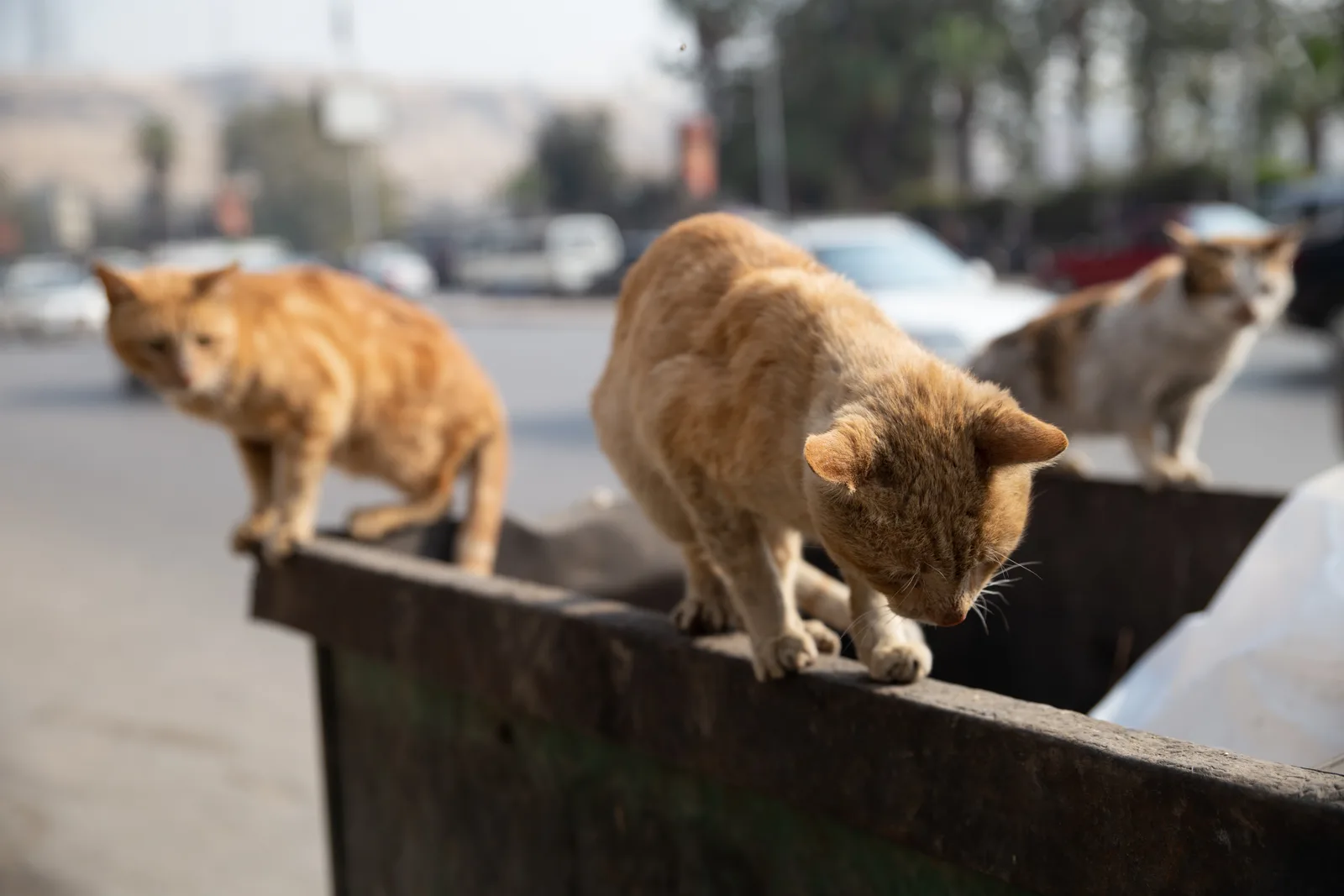
«Keda Ghalat» (Bu Yanlış): Kâsede Zehir, Sırtta Değnek — Hayvana Eziyet, 1937'den Beri Mısır Ceza Kanunu'nda Suç
Bir komşu okul duvarının yanına zehirli kaplar bırakıyor, bir araba sahibi ise eşeğine ağır bir yük çektirmek için yüzüne sopayla vuruyor. Birçok kişi «sadece bir hayvan»ı hiçbir kanunun korumadığını sanıyor. Oysa Ceza Kanunu'nun 355, 356 ve 357. maddeleri, hayvan öldürmeyi, zehirlemeyi ve ona eziyet etmeyi hapis cezasına varan yaptırımlarla cezalandırıyor. Dünya Hayvanlar Günü arifesinde kanunun ne dediğini açıklıyoruz.
3 Ekim 2026 · 6 dk okuma