Tekerlekli bomba: Külüstür arabayla hız yapmak insan hayatını hiçe saymaktır
Yarı yarıya tutan frenler, kabak lastikler, yanmayan farlar — ve arabayı yolda sanki fabrikadan yeni çıkmış gibi uçuran bir sürücü. Hız yapan külüstür bir araba ulaşım aracı değil, yoldaki her aileyi tehdit eden seyyar bir tehlikedir. Bu yanlış: Direksiyon başındaki özgürlüğün, başkalarının evlerine sağ salim varma hakkının başladığı yerde biter.
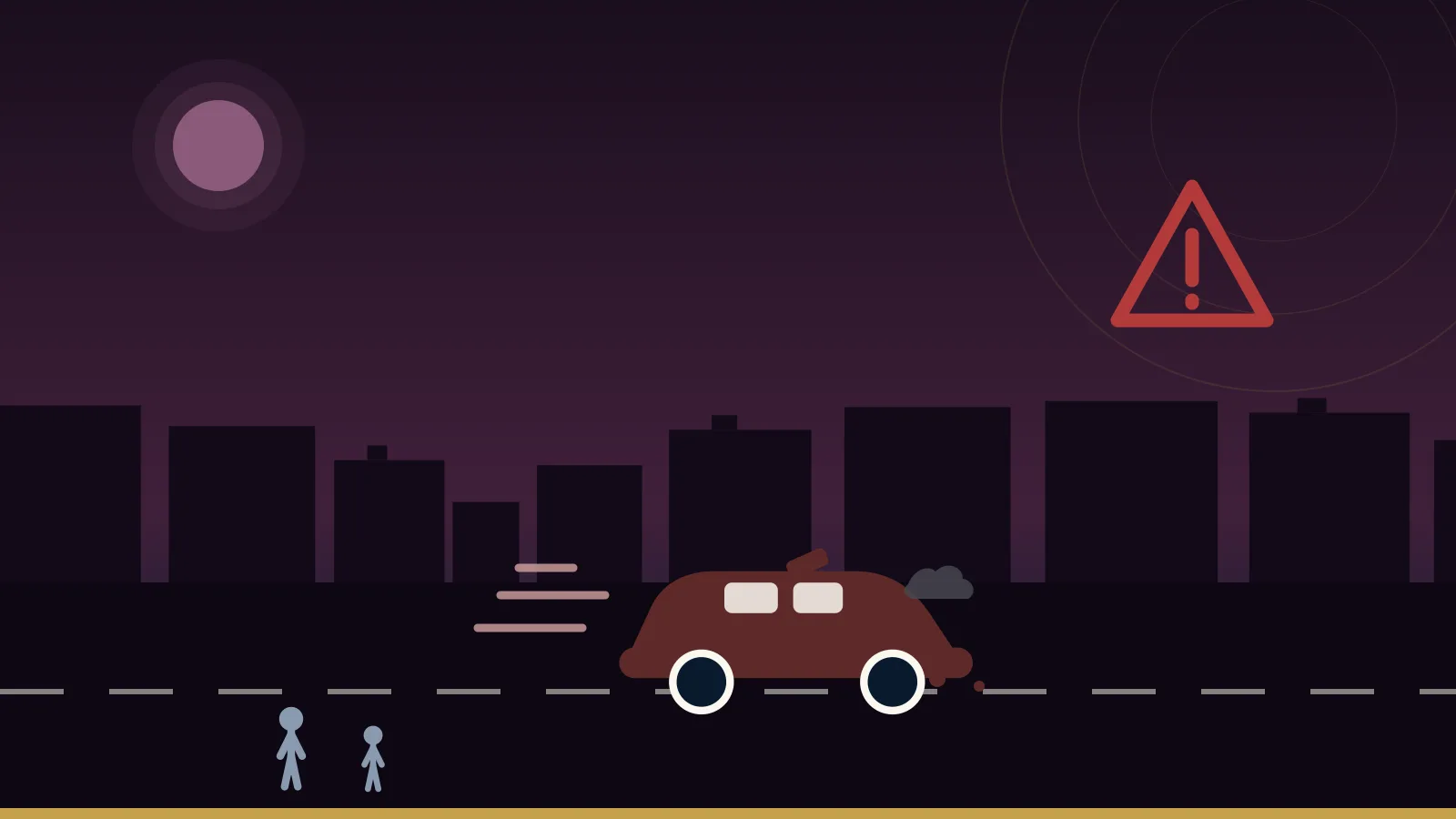
Hepimiz gördük; hem şehirlerarası yollarda hem de şehrin içinde: gövdesini pas yemiş, sollarken sağa sola yalpalayan, bir stop lambası kırık, diğeri hiç yanmayan, egzozundan siyah duman savuran, desenleri yıllar süren kullanımdan silinmiş lastiklerle giden bir araba. Korkutucu olan onun hâli değil; sahibinin geçim darlığı içinde olması bir mazeret sayılabilir. Korkutucu olan, bu arabanın yolu çılgın bir hızla yutması, sağdan soldan sollaması, sanki direksiyonundaki kişi dağılmakta olan bir kaporta değil de bir yarış arabası kullanıyormuş gibi davranmasıdır.
Açıkça söyleyelim: teknik olarak yola elverişli olmayan bir aracı yüksek hızla kullanmak ne beceridir ne de zorunluluk; yolu sizinle paylaşan herkese karşı ahlaki bir saldırıdır. İki kez basınca ancak tutan frenler, ilk ıslaklıkta kayan kel lastik, boşluk yapan direksiyon: bunlar teknik ayrıntı değildir. Bunlar, ucuz atlatılmış bir an ile koca ailelerin yasa boğulduğu bir felaket arasındaki mesafedir.
Kimseye dilemediğimiz o sahneyi düşünün: yoğun saatte tıkanmış bir yol, sollamak için fırlayan köhne bir minibüs ve önünde birden yavaşlayan bir otomobil. Sağlam aracın sürücüsü frene basar, araç cevap verir; köhne olanı ise geç cevap verir ya da hiç vermez. O saniyelerde bedeli yalnızca aracın sahibi ödemez; yan şeritteki aile, yol kenarındaki işçi ve tek kabahati yanlış araca binmek olan bir yolcu da öder.
Burada acı bir çelişkinin önünde durmak gerekiyor: bu araçların birçoğu tam da insan taşımacılığında çalışıyor; ekonomik ömrü yıllar önce dolmuş minibüsler ve taksiler. Yani muhtemel kurban, tehlikeye doğru giden yolculuğunun ücretini kendi cebinden ödüyor ve başka seçeneğin bulunmadığı bölgelerde seçme lüksüne de sahip değil. Bu durum, araç sahibinin ve sürücünün ahlaki sorumluluğunu ikiye katlıyor; muayeneyi yaptığı ve ruhsatı verdiği varsayılan kurumların sorumluluğunu ise kat kat artırıyor.
Kâğıt üzerinde kanun yok değil. Mısır trafik kanunu, aracın ruhsatlandırılması ve ruhsatının yenilenmesi için teknik muayeneyi şart koşuyor; yola elverişsiz araç kullanmayı da hız sınırlarını aşmayı da cezalandırıyor. Peki, herhangi bir yayanın çıplak gözle elverişsiz olduğunu gördüğü araçlar aramızda nasıl dolaşıyor? Üzücü cevabı herkes biliyor: kimi zaman biçimsel bir işleme dönüşen bir muayene ve kendisini kimsenin durdurmayacağına bahse giren bir sürücü.
Ama bütün yükü denetime yıkmadan önce kendimizle yüzleşelim: frenlerinin zayıf olduğunu bile bile arabasına binip hız yapan kişinin, hatalı olduğunu anlamak için bir trafik ekibine ihtiyacı yoktur. Bilir. Yalnızca her gün şansına oynar; asıl mesele, ortaya koyduğu şeyin sadece kendi hayatı olmaması, bu bahse girmeye hiç razı olmamış insanların hayatı olmasıdır.
Bunu, camdan çöp atan lüks araç sahibine söylediğimiz gibi hiç dolandırmadan söyleyeceğiz: yoksulluk bir suçlama değildir, geçim darlığı da ayıp değildir; ama köhne bir arabayla çılgınca hız yapmak kimseye dayatılmış bir kader değildir. Aynı arabayı, onarabilecek duruma gelene kadar yavaş ve dikkatli kullanabilirsiniz; zayıf bir araçla ağır gitmek takdire değer bir tevazudur, onunla hızlı gitmek ise öldürücü bir kibirdir.
Sürücüden ve araç sahibinden istenen şudur: arabanızın durumu konusunda kendinize karşı dürüst olun ve her şeyden önce güvenliğe dokunan neyse onu onarın; frenler, lastikler ve farlar lüks değildir. Onaramıyorsanız, hiç değilse aracınızın hâline saygı gösteren bir hızla gidin. Arabasıyla yolcu taşıyarak geçinen kişinin sorumluluğu ise iki katıdır; çünkü ona ücreti ödeyenler, canlarını ona emanet etmiştir.
Devletten istenen şudur: rutin bir mühür değil, gerçek bir teknik muayene; kazalar olduktan sonra değil, olmadan önce, gözle görülür biçimde köhneleşmiş araçları öncelikle hedef alan bir yol denetimi; ve özellikle toplu taşımada çalışan eskimiş araçların yenilenmesi için gerçek kolaylaştırma programları, ki yoksul sürücünün elinde insanların canıyla kumar oynamaktan başka tek bir seçenek kalmasın.
Yol ortak bir mülktür ve üzerindeki en zayıf olanlar, yani yayalar, çocuklar ve toplu taşıma yolcuları, en güçlü olanların en dikkatli davranmasını hak eder. Ağır ağır giden köhne bir arabayı anlarız, sahibine de saygı duyarız; ama yolda uçan köhne bir araba, tekerlekli bir bombadır. Bu böyle olmaz; insanların hayatı, kimsenin şansını denediği bir alan değildir.
İlgili Haberler
«Keda Ghalat» (Bu Yanlış): Kâsede Zehir, Sırtta Değnek — Hayvana Eziyet, 1937'den Beri Mısır Ceza Kanunu'nda Suç
Bir komşu okul duvarının yanına zehirli kaplar bırakıyor, bir araba sahibi ise eşeğine ağır bir yük çektirmek için yüzüne sopayla vuruyor. Birçok kişi «sadece bir hayvan»ı hiçbir kanunun korumadığını sanıyor. Oysa Ceza Kanunu'nun 355, 356 ve 357. maddeleri, hayvan öldürmeyi, zehirlemeyi ve ona eziyet etmeyi hapis cezasına varan yaptırımlarla cezalandırıyor. Dünya Hayvanlar Günü arifesinde kanunun ne dediğini açıklıyoruz.
3 Ekim 2026 · 6 dk okuma
Dört Kişi Bir Motosiklette, Hiçbirinde Kask Yok: Ailenin Yolda Kaybedebileceği En Değerli Şey Açık Baştır
Okulların ikinci haftasında aynı sahne tekrarlanıyor: baba direksiyonda, bir çocuk önünde, biri arkasında, anne çantaları tutuyor; aralarında tek bir kask yok. Basın, CAPMAS'a dayanarak ölümlerin 2020-2024 arasında 190'dan 897'ye çıktığını aktarıyor; Cochrane derlemesi kaskın ölüm riskini %42 azalttığını gösteriyor. Kanun açık başı 1999'dan beri cezalandırıyor, ceza 2008'de artırıldı. Peki neden uymuyoruz?
23 Eylül 2026 · 8 dk okuma
"Kabloya Atlatma" Kurnazlık Değildir: Elektrik Hırsızlığı Bedelini Tüm Mahallenin Ödediği Bir Suçtur
Aydınlatma direğinden balkona sarkan çıplak bir kablo, sayacı hiç dönmeyen bir sayaç üzerinden çalışan klima ve üçüncü kez atan sigorta, faturasını ödeyen komşunun evini karanlığa gömüyor. Elektrik Kanunu'nun 71. maddesi bunu elektrik akımına haksız el koyma sayıyor ve hapis ile para cezasıyla cezalandırıyor; daha ağır bir değişiklik ise Temsilciler Meclisi'ni bekliyor. Bir kaçak bağlantıdan bütün sokak ne kaybeder? Doğru alternatif nedir?
14 Eylül 2026 · 7 dk okuma