Kaldırım yurttaşın hakkıdır: Yayaları yol nehrinde ölüme iten büfeler
Bir anne bebek arabasını arabaların arasında sürüyor, yaşlı bir adam minibüslerin dibinden el yordamıyla yürüyor; çünkü onlar için yapılan kaldırımı bir büfe, içecek dolapları ve sergilenen mallar yutmuş. Kaldırımın üstüne kurulan büfe — ruhsatlı bile olsa — insanlar için yapılmış bir geçide el koyar ve onları yolun ortasına iter. Bu yanlış: Kaldırım kiraya verilecek bir mülk değil, her yurttaşın güvenlik koridorudur.
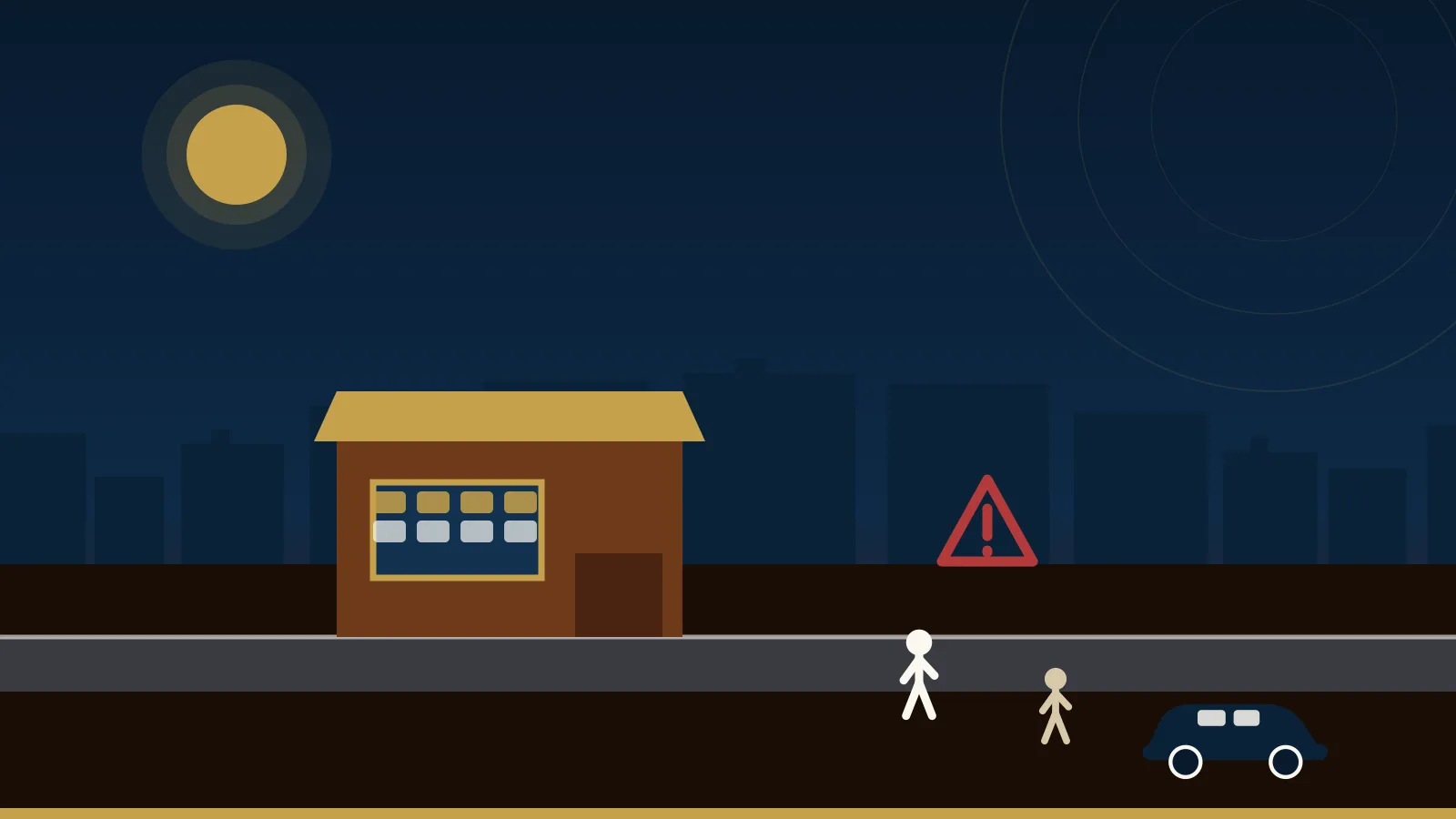
Herhangi bir Mısır kentinde ana bir caddeyi baştan sona kaldırımdan yürümeyi deneyin; bir kez bile taşıt yoluna inmeden. Birçok mahallede daha ilk yüz metreyi tamamlayamadan pes edersiniz: sigara ve gazoz satan bir büfe genişleye genişleye dükkâna dönüşmüş; buzdolapları ve mal kasaları, tenteler ve sandalyeler derken yayaya dar bir şerit kalmış, çoğu yerde ise hiçbir şey. Sonuç, o kadar alıştığımız ki vahametini unuttuğumuz gündelik bir manzara: kendilerine ayrılmış geçit işgal edildiği için arabaların arasında yürüyen insanlar.
Olduğu gibi söyleyelim: bu, estetik bir ayrıntı ya da yalnızca bir “şehir görüntüsü” meselesi değil; güvenlik ve hayat meselesidir. Yayalar taşıt yoluna indiğinde otomobiller ve motosikletlerle doğrudan karşı karşıya kalırlar ve en zayıf olanlar en çok tehlikeye açık olanlardır: okula giden çocuk, bebek arabasını iten anne, adımı ağırlaşmış yaşlı ve engelli yurttaşlar — ki yürünebilir kaldırımı olmayan bir kentte hareket etmeleri zaten imkânsızdır. Kaldırımı kapatan her büfe, bu insanları adım adım tehlikeye doğru itmektedir.
Hukuktan önce bu, apaçık bir ahlaki ihlaldir. Kaldırım tümüyle kamu malıdır; herkesin parasıyla, herkes güvenle yürüsün diye yapılmıştır. Onu kendi işi için işgal eden kişi, pratikte her yoldan geçene şunu söylemektedir: benim çıkarım sizin güvenliğinizden önce gelir, siz yola inin ve riski siz üstlenin. Bu bölümün işaret ettiği gündelik tahrik tam da budur: yurttaşın kendi ülkesinde arabaların arasında yolunu yoklayarak ilerlerken onurunda açılan küçük ama tekrarlanan yara.
Ve burada cesaretle söylenmesi gereken noktaya geliyoruz: ruhsat, yanlışı doğru yapmaz. Belediyenin ruhsat verdiği, sonra genişleyip kaldırımı yutan bir büfe, kaçak bir büfeden daha az zararlı değildir; hatta daha kötü olabilir, çünkü kamusal geçidi resmî bir mühürle işgal etmektedir. Ruhsat, çizilmiş sınırlar içinde bir faaliyete izin verir; yaya geçidinin tapusu olamaz. Bir idare, kaldırımda yürümeyi imkânsız kılan bir ruhsat verdiğinde, o idarenin kendisi de hataya ortaktır.
Mısır hukuku ilkeyi onlarca yıl önce netleştirdi: 1956 tarihli ve 140 sayılı Genel Yolların İşgali Kanunu, kamuya ait yolun her türlü işgalini düzenler ve bunu mutlak bir kural değil, koşullara bağlı ruhsatlı bir istisna hâline getirir; çünkü asıl olan, yolun ve kaldırımın gelip geçenlerin ortak hakkı olmasıdır. Yani hukuki dayanak mevcut, ilke de netleşmiş durumda. Eksik olan — bu bölümün dosyalarında her zaman olduğu gibi — küçük bir büfe ile büyük bir kahvehaneyi ve malını vitrininin metrelerce önüne yayan tanınmış bir mağaza arasında ayrım yapmayan tutarlı bir uygulamadır.
Burada büfe sahiplerine karşı da insaflı olalım: çoğu, ekmeğinin peşinde koşan aile reisleridir; büfe onların tek işidir ve ahlaki bir kampanyanın küçük esnafın rızkına açılmış bir savaşa dönüşmesi yakışık almaz. Ama insaf, zararı kabul etmek anlamına gelmez: helal kazanç, yoldan geçenlerin hayatını tehlikeye atarak kurulmaz. Çözüm büfeleri kaldırmak değil, düzene sokmaktır: uyulan belirli bir alan, dokunulmayan bir yaya geçidi ve kaldırımın yetmediği yerlerde düzenli alternatif alanlar.
Bizimle birlikte tersine çevrilmiş tabloyu hayal edin; bu bir hayal değil, dünyanın pek çok kentinde ve yeniden düzenlenmiş Mısır sokaklarında zaten böyle: kesintisiz ve yürünebilir bir kaldırım, çizilmiş yerinden bir santim taşmayan bir büfe ve çocuğunun arabasını caddenin başından sonuna, bir kez bile yola inmeden iten bir anne. İki tablo arasındaki fark hayâlî bir bütçe değil; uygulama iradesi ve çizilmiş sınırlara karşılıklı saygıdır.
Büfe sahibinden istediğimiz şudur: ruhsatınızın sınırlarına santimi santimine uyun; fazladan konan buzdolabı ve öne uzatılan mal kasası hüner değil, insanların geçidine tecavüzdür. Ve bu bölümün bütün kahramanlarına sorduğumuz soruyu kendinize sorun: kaldırımı işgal edildiği için annenizin ya da kızınızın arabaların arasında yürümesine razı olur musunuz?
Devletten ve yerel yönetimlerden istediğimiz ise şudur: işgal ruhsatlarını tek ve açık bir ölçütle gözden geçirin — kesintisiz ve yeterli bir yaya geçidinin korunması; kaldırımları kapatan ne varsa büyüğü kayırmadan, küçüğün rızkını alternatifsiz bırakacak bir sertliğe de kaçmadan kaldırın; gerekli yerlerde düzenli alternatif alanlar sağlayın; ve yaya hakkını her yeni planlama ve kaldırım çalışmasına dâhil edin. Çünkü yapılıp sonra işgale terk edilen bir kaldırım iki kez heba edilmiştir: bir kez parasıyla, bir kez işleviyle.
Kaldırım, büyük bir fikrin küçük bir sınavıdır: sokak herkesin midir, yoksa elini ilk atanın mı? Yayaya geri kazandırılan her metre kaldırım, zayıfın hakkının korunduğunu söyleyen bir mesajdır; bu hak yalnızca geçme hakkı olsa bile. Geçidi yutup insanları taşıt yoluna iten her büfe ise bunun tersi bir mesajdır ve biz onu reddediyoruz: bu iş yanlış; kaldırım, her türlü çıkardan önce yurttaşın hakkıdır.
İlgili Haberler
«Keda Ghalat» (Bu Yanlış): Kâsede Zehir, Sırtta Değnek — Hayvana Eziyet, 1937'den Beri Mısır Ceza Kanunu'nda Suç
Bir komşu okul duvarının yanına zehirli kaplar bırakıyor, bir araba sahibi ise eşeğine ağır bir yük çektirmek için yüzüne sopayla vuruyor. Birçok kişi «sadece bir hayvan»ı hiçbir kanunun korumadığını sanıyor. Oysa Ceza Kanunu'nun 355, 356 ve 357. maddeleri, hayvan öldürmeyi, zehirlemeyi ve ona eziyet etmeyi hapis cezasına varan yaptırımlarla cezalandırıyor. Dünya Hayvanlar Günü arifesinde kanunun ne dediğini açıklıyoruz.
3 Ekim 2026 · 6 dk okuma
Dört Kişi Bir Motosiklette, Hiçbirinde Kask Yok: Ailenin Yolda Kaybedebileceği En Değerli Şey Açık Baştır
Okulların ikinci haftasında aynı sahne tekrarlanıyor: baba direksiyonda, bir çocuk önünde, biri arkasında, anne çantaları tutuyor; aralarında tek bir kask yok. Basın, CAPMAS'a dayanarak ölümlerin 2020-2024 arasında 190'dan 897'ye çıktığını aktarıyor; Cochrane derlemesi kaskın ölüm riskini %42 azalttığını gösteriyor. Kanun açık başı 1999'dan beri cezalandırıyor, ceza 2008'de artırıldı. Peki neden uymuyoruz?
23 Eylül 2026 · 8 dk okuma
"Kabloya Atlatma" Kurnazlık Değildir: Elektrik Hırsızlığı Bedelini Tüm Mahallenin Ödediği Bir Suçtur
Aydınlatma direğinden balkona sarkan çıplak bir kablo, sayacı hiç dönmeyen bir sayaç üzerinden çalışan klima ve üçüncü kez atan sigorta, faturasını ödeyen komşunun evini karanlığa gömüyor. Elektrik Kanunu'nun 71. maddesi bunu elektrik akımına haksız el koyma sayıyor ve hapis ile para cezasıyla cezalandırıyor; daha ağır bir değişiklik ise Temsilciler Meclisi'ni bekliyor. Bir kaçak bağlantıdan bütün sokak ne kaybeder? Doğru alternatif nedir?
14 Eylül 2026 · 7 dk okuma