«Burası benim bölgem»: Zorba değnekçi — haraç, zorunlu hizmete dönüşünce
Tek taşına bile sahip olmadığı bir sokakta dikiliyor; park yerlerini babasının çiftliğiymiş gibi paylaştırıyor, tarifeyi keyfine göre belirliyor. İtiraz edenin payına ya arabasının yanına çekilen keskin bir anahtar ya da ailesinin önünde onur kırıcı bir laf düşüyor. Kendini yıldırmayla dayatan ruhsatsız değnekçi bir hizmet sağlayıcısı değil, haraç tahsildarıdır. Bu yanlış: Sokak kamu malıdır; yasa bu işi zaten düzenlemiş — onun kılığına bürünen zorbalığın hiçbir mazereti yoktur.
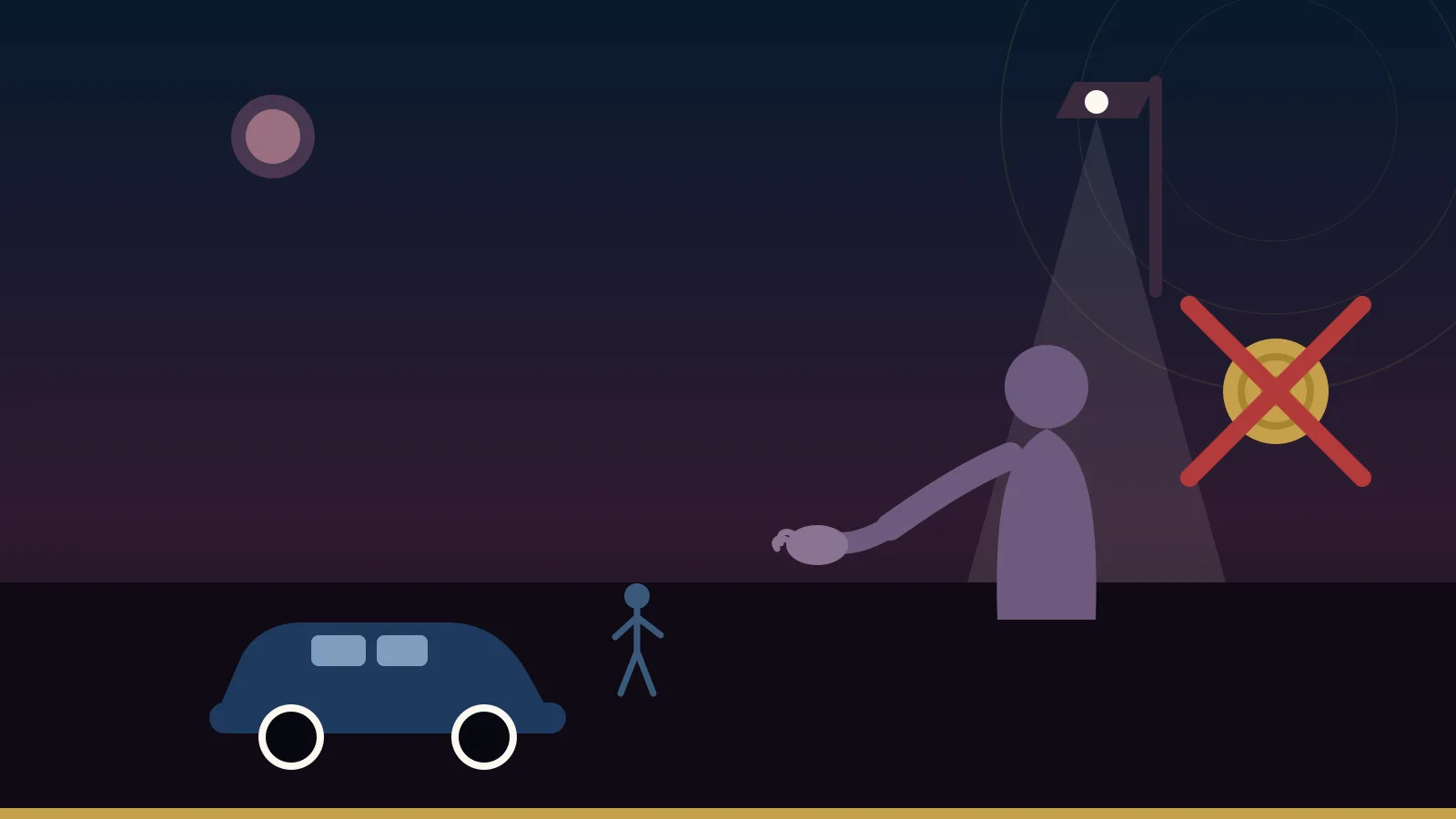
Hikâyeyi daha bitmeden bilirsiniz: arabanıza yer aramak için bir ara sokağa girersiniz ve yoktan bir adam belirir, asfaltın sahibi olanların güveniyle size işaret eder: “Buraya patron.” Ondan bir hizmet istemediniz, o da isteyip istemediğinizi size sormadı; ama o andan itibaren park işinizin zorunlu ortağı olmuştur ve döndüğünüzde onun belirlediği parayı ödersiniz. Tutarı tartışmaya kalkarsanız ya da uzanan eli görmezden gelirseniz vay hâlinize.
Önce net bir ayrım yapalım, çünkü bu bölümün şiarı insaftır: her mahallenin tanıdığı dürüst bir araba bekçisi vardır; gerçekten çalışır, arabalara gerçekten göz kulak olur, dar yere park etmeye yardım eder ve gönül rızasıyla verilene razı olur. Bu helal bir kazançtır, tek kelimeyle bile dokunmayız; üstelik kanun bu işi düzenlemiş ve ona meşru bir kapı açmıştır. Bizim sözümüz bambaşka bir tür hakkında: kamuya ait bir sokağa el koyan ve herkese güvence altına alınmış geçme ve park etme hakkını zorla satılan bir mala çeviren adam hakkında.
Meselenin özü her şeyden önce ahlakidir: bu adam size kendisine ait olmayanı satmaktadır. Sokak kamu malıdır; oradaki park yeri ya herkesin ortak hakkıdır ya da devletin belli bir bedelle düzenlediği bir hizmettir. Onun gerçekte sunduğu tek bir şey vardır: kaynağı yine kendisi olan zararın ortadan kaldırılması. Ona bir hizmetin ücretini değil, arabanızın tam da ondan korunmasının bedelini ödersiniz; bu da haracın birebir tanımıdır.
Ve buradaki incitici olan, ödenen birkaç Mısır lirasından ibaret değildir. Bu, yurttaşın kendi ülkesinin sokağında, eşinin ve çocuklarının gözü önünde haraca bağlandığını hissetmesidir; boyun eğip ödemekle nereye varacağını bilmediği bir çekişmeye girmek arasında sıkışmasıdır: çiviyle atılmış derin bir çizik, kırılmış bir ayna, havası indirilmiş bir lastik ya da en çirkin hâliyle açık bir tehdit. Kaç kez gördük: sürücü öfkesini yutar ve öder; inandığı için değil, şerden korunmak için. Sonra da göğsünde eskilerin üstüne binen bir burukluk daha ile yoluna gider.
Daha tehlikelisi, bunların bir kısmının bireysellikten örgütlülüğe terfi etmiş olmasıdır: sokakları ganimet gibi paylaşan, yerleri sandalyeler ve su bidonlarıyla tutan, park hakkını saatliğine ve aylığına kiralayan, ödemeyeni sokaktan kovan gruplar. Artık tek bir kişinin yanlış davranışıyla değil, kamusal bir alana kendi kanununu dayatan küçük bir paralel iktidarla karşı karşıyayız; ve her paralel iktidar küçük başlar.
Mısır hukuku bu alanı gri bırakmadı: araç park düzenleyicilerinin faaliyetlerini düzenleyen 2020 tarihli ve 150 sayılı Kanun, bu işi şartları, kuralları ve belirlenmiş bir ücreti olan ruhsatlı bir meslek hâline getirdi ve ruhsatsız yapılmasını suç saydı. Yani ayrım bugün ahlaken olduğu kadar hukuken de açıktır: bir yanda kurallar çerçevesinde çalışan ruhsatlı park düzenleyicisi, öte yanda bir meslek adı altında haraç toplayan sahtekâr. Tehdide başvuran ya da itiraz edenin arabasına zarar veren kişi ise çoktan Ceza Kanunu'nun cezalandırdığı suçların alanına girmiştir.
Toplumsal kökeni de göz ardı etmeyeceğiz: bu işi yapanların çoğunu buraya iten şey, geçim kapılarının kapanmasıdır; kimileri bu birkaç Mısır lirasıyla koca bir aileyi geçindirmektedir. Bu, istihdam politikalarında ciddiyetle ele alınmayı hak eder; ama yıldırmanın gerekçesi olamaz. İhtiyaç, namusuyla çalışanın lehine şefaatçidir; insanları haraca bağlayanın lehine değil. Mesleği düzenleyen kanun da girmek isteyene meşru bir kapı açmıştır.
Yurttaştan istenen şudur: yıldırmayı, sanki kadermiş gibi kalıcı bir boyun eğişle ödüllendirmeyin. Dürüst ve ruhsatlı araba bekçisini destekleyin, ona gönül rızasıyla verin; ama bir saldırı olursa belgeleyin ve şikâyet edin, çünkü şikâyetsiz geçen her olay, sokağın kendini dayatana ait olduğu kanaatini herkeste pekiştirir. Siz de sokağa el koyan bu yapılardan telefonla “yer ayırtma” satın almayın: çalınanı kiralayan, hırsızlığı finanse eder.
Devletten istenen ise şudur: park düzenleyiciliği kanununu iki yönüyle birden işletmek, yani dürüstçe çalışmak isteyene ciddi ruhsatı kolaylaştırmak ve ruhsatsız çalışana ya da haraç kesene karşı kararlı davranmak; bunu da kaynağı kurutacak sistemli bir alternatifle birlikte yürütmek: kalabalık sokaklarda çizgileri, ilan edilmiş tarifesi ve açık ödeme yöntemleri olan düzenli park. İlan edilmiş bir kuralın bulunduğu yerde, kendi kuralını icat edene alan daralır.
Kabadayı araba bekçisinin hikâyesi, bir arabayı park etmekten daha büyüktür: sokağı kimin yönettiği sorusudur bu; genel kural mı, yoksa köşe başında duran daha güçlü kol mu? Bir yurttaş zoraki bir gülümsemeyle her haraç ödediğinde, yanlış cevap bir adım ilerler. Böylesi yanlıştır. Doğrusu, yurttaşın kendi ülkesinin sokağında arabasını başı dik park etmesi ve kendi iradesiyle seçtiği gerçek bir hizmet için yalnızca bilinen bir bedeli ödemesidir.
İlgili Haberler
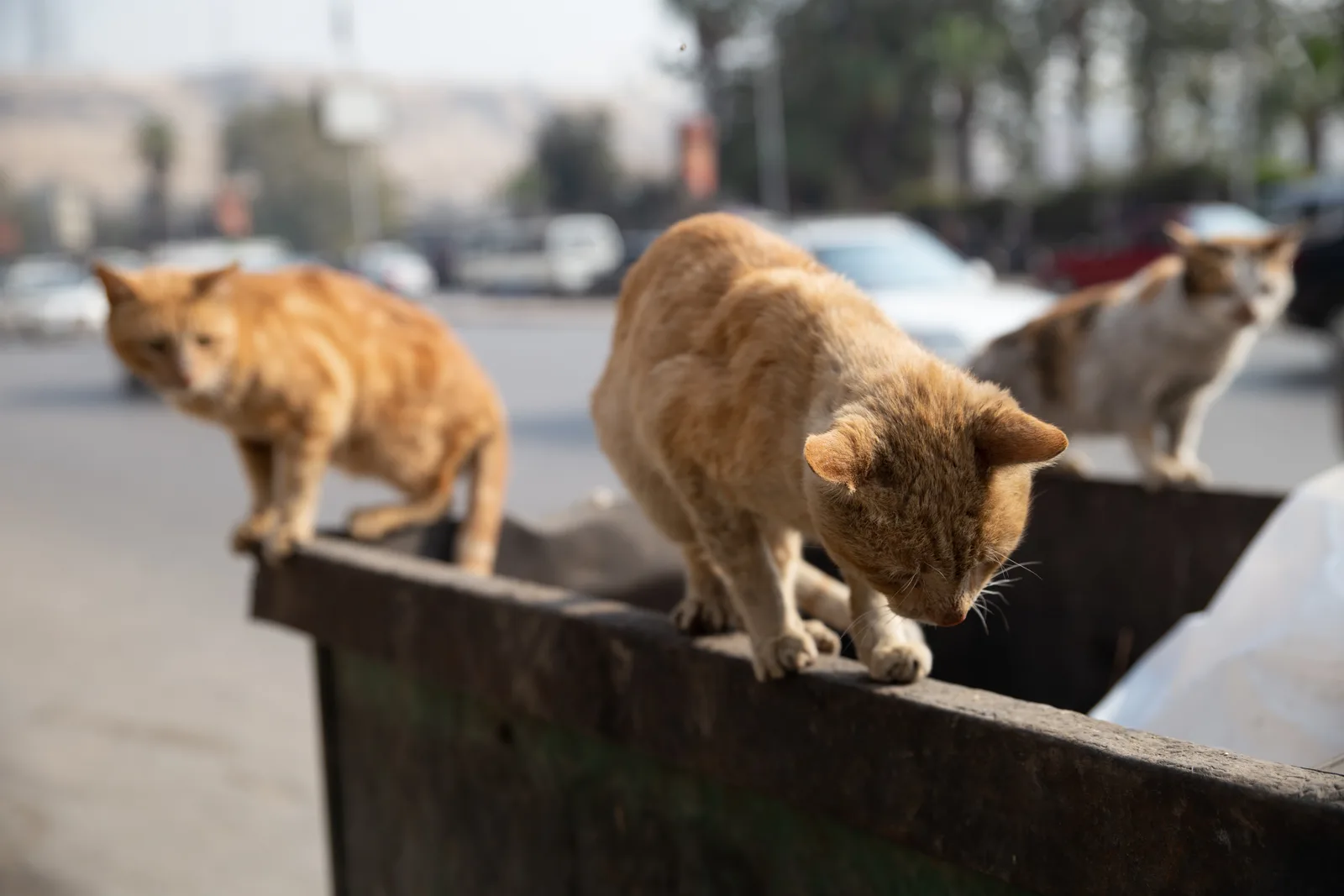
«Keda Ghalat» (Bu Yanlış): Kâsede Zehir, Sırtta Değnek — Hayvana Eziyet, 1937'den Beri Mısır Ceza Kanunu'nda Suç
Bir komşu okul duvarının yanına zehirli kaplar bırakıyor, bir araba sahibi ise eşeğine ağır bir yük çektirmek için yüzüne sopayla vuruyor. Birçok kişi «sadece bir hayvan»ı hiçbir kanunun korumadığını sanıyor. Oysa Ceza Kanunu'nun 355, 356 ve 357. maddeleri, hayvan öldürmeyi, zehirlemeyi ve ona eziyet etmeyi hapis cezasına varan yaptırımlarla cezalandırıyor. Dünya Hayvanlar Günü arifesinde kanunun ne dediğini açıklıyoruz.
3 Ekim 2026 · 6 dk okuma
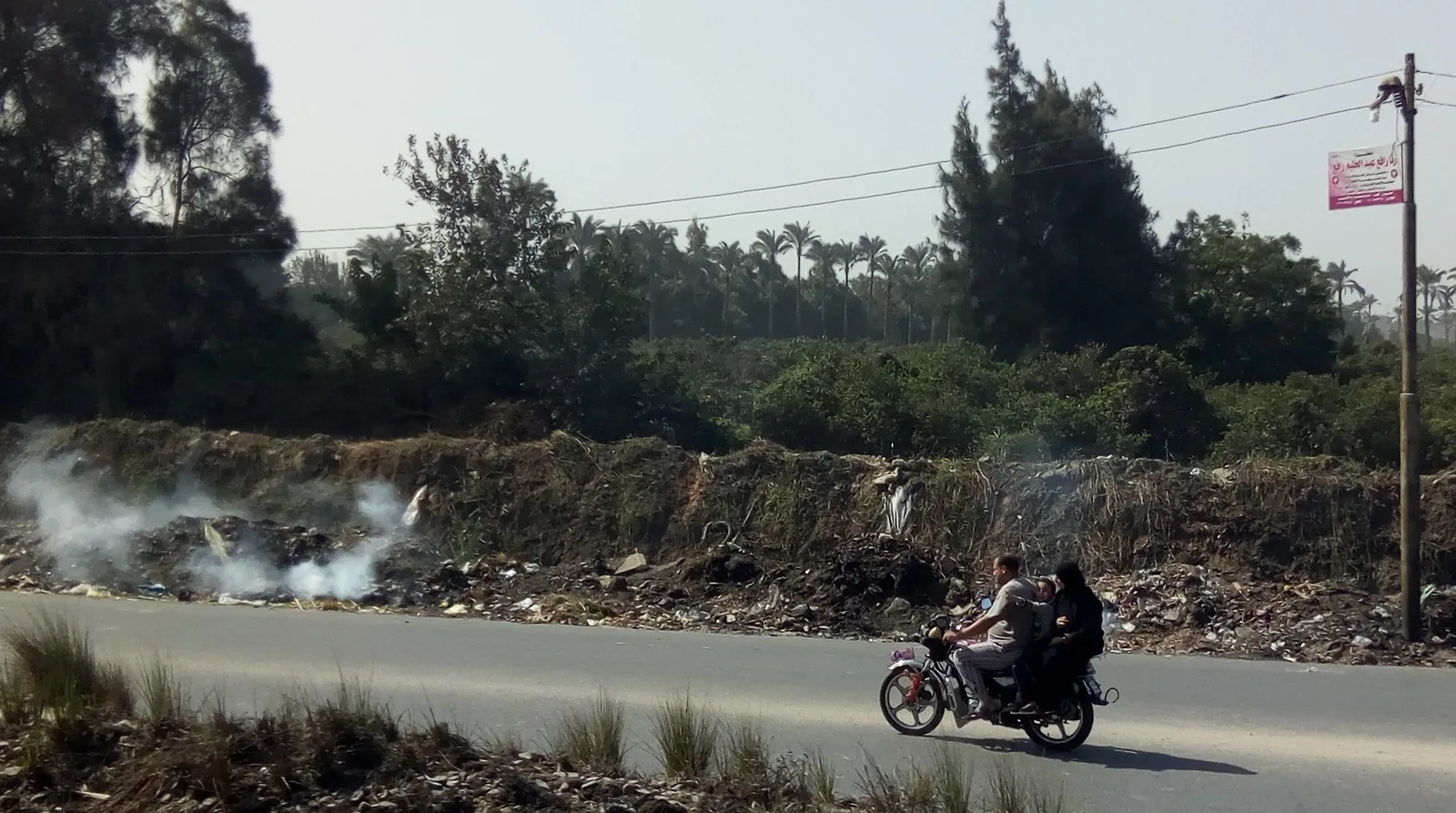
Dört Kişi Bir Motosiklette, Hiçbirinde Kask Yok: Ailenin Yolda Kaybedebileceği En Değerli Şey Açık Baştır
Okulların ikinci haftasında aynı sahne tekrarlanıyor: baba direksiyonda, bir çocuk önünde, biri arkasında, anne çantaları tutuyor; aralarında tek bir kask yok. Basın, CAPMAS'a dayanarak ölümlerin 2020-2024 arasında 190'dan 897'ye çıktığını aktarıyor; Cochrane derlemesi kaskın ölüm riskini %42 azalttığını gösteriyor. Kanun açık başı 1999'dan beri cezalandırıyor, ceza 2008'de artırıldı. Peki neden uymuyoruz?
23 Eylül 2026 · 8 dk okuma
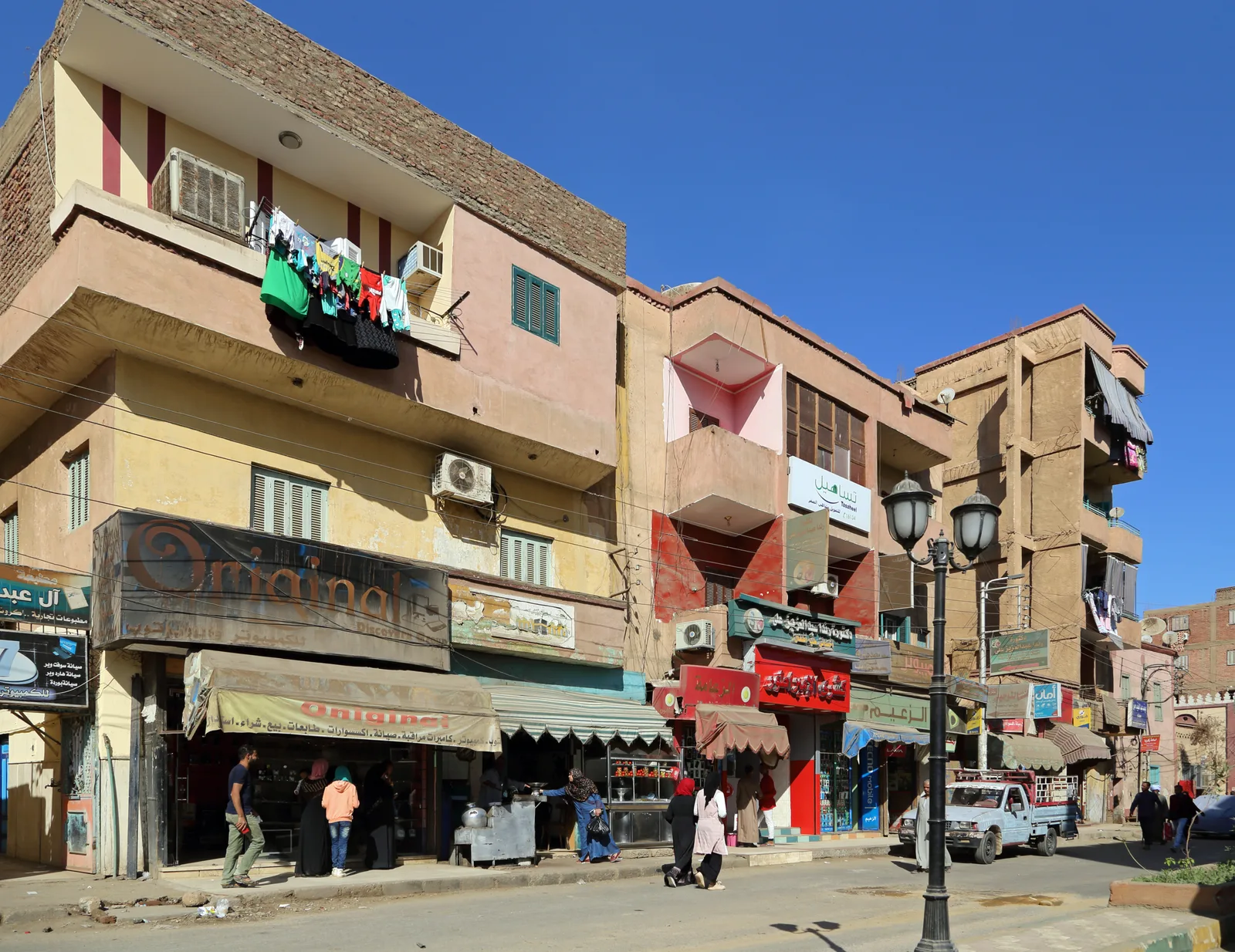
"Kabloya Atlatma" Kurnazlık Değildir: Elektrik Hırsızlığı Bedelini Tüm Mahallenin Ödediği Bir Suçtur
Aydınlatma direğinden balkona sarkan çıplak bir kablo, sayacı hiç dönmeyen bir sayaç üzerinden çalışan klima ve üçüncü kez atan sigorta, faturasını ödeyen komşunun evini karanlığa gömüyor. Elektrik Kanunu'nun 71. maddesi bunu elektrik akımına haksız el koyma sayıyor ve hapis ile para cezasıyla cezalandırıyor; daha ağır bir değişiklik ise Temsilciler Meclisi'ni bekliyor. Bir kaçak bağlantıdan bütün sokak ne kaybeder? Doğru alternatif nedir?
14 Eylül 2026 · 7 dk okuma