Kadın sünneti: Yasanın cezalandırdığı, dinin ve tıbbın reddettiği bir suç... Yaşatılmayı hak eden bir gelenek değil
Kadın sünneti; Mısır yasaları onu ağır cezalarla suç saymasına, El-Ezher ile Dârü'l-İftâ dinde hiçbir dayanağı bulunmadığını ilan etmesine ve tıp dünyası tek bir faydası olmayan katıksız bir zarar olduğunda birleşmesine rağmen, hâlâ gelenek ve sözde dindarlık adı altında sessizce uygulanıyor. Bu yazı ailelere yönelik bir suçlama değil, onları korumaya çağrıdır: Kızlarımızı korumak, bir annenin ve babanın söyleyeceği «hayır» sözüyle başlar.

Sokakta, herkesin gözü önünde sürdürülen yanlış âdetler vardır; onları görür ve öfkeleniriz. Bir de kapalı kapılar ardında, eksiksiz bir aile sessizliği içinde sürdürülen, üstelik kıza zarar verme adına değil, onu kollama ve onun için duyulan korku adına sürdürülen çok daha tehlikeli bir âdet vardır. Kadın sünneti diye bilinen kadın genital mutilasyonu işte bu âdettir: Mısır yasalarının ağır suç kapsamına varan cezalarla karşılık verdiği bir suçtur; buna rağmen onu hâlâ uygulayanlar, atalardan devralınmış bir inançla bunun “korunma”, “temizlik” ve “asıl” olduğunu sanmaktadır.
Sözü tam da bu dosyada başlaması gereken yerden başlatalım: biz aileleri teşhir etmek için yazmıyoruz; anneleri ve nineleri katı yüreklilikle suçlamak için de yazmıyoruz. Bu adımı atanların çoğu, iyi bir şey yaptıklarına inanarak attı; bu kesin inancı, soyadlarını devraldıkları gibi devraldılar. Biz, devralınan bu kesin inancın kökünden yanlış olduğunu açıkça söylemek için yazıyoruz: tıbben yanlış, dinen yanlış, hukuken yanlış ve hepsinden önce, kendi hakkında hiçbir söz hakkı olmayan bir kız çocuğuna karşı haksızlık.
Tıpta artık tartışma diye bir şey kalmamıştır. Dünya Sağlık Örgütü ve dünyanın dört bir yanındaki tıp kurumları, yanlarında Mısır Sağlık Bakanlığı ve Mısır Tabipler Sendikası ile birlikte meseleyi kesin biçimde karara bağladı: kadın sünnetinin tek bir sağlık yararı yoktur; zararları ise gerçek ve kalıcıdır. Bu zararlar işlemin yapıldığı andaki risklerle başlar ve kızı hayatı boyunca, eş ve anne olarak da izleyebilecek bedensel ve ruhsal etkilerde bitmez. Tıbbi bir yararı olduğu yönündeki her iddia, kısacası tıp biliminde hiçbir dayanağı bulunmayan bir iddiadır.
Burada bu dosyanın en tehlikeli yanılsamasını yıkmak gerekir: bir hekim elinde yapılan “güvenli sünnet” yanılsaması. Suçu, geleneksel bir uygulayıcının elinden alıp steril neşter tutan bir ele devretmek onu tıbbi bir işleme dönüştürmez; aksine daha da ağırlaştırır. Mısır yasası cezayı tam da fail hekim ya da sağlık mesleği mensubu olduğunda ağırlaştırmış, meslek mevzuatı da bunu yasaklamıştır. Bu işlemi yapan hekim tıp icra etmiyordur; mesleğin bizzat kendisinin oybirliğiyle reddettiği bir zararı meşrulaştırmak için mesleğin saygınlığını ödünç alıyordur.
Dinde ise son sözü, Mısırlıların en çok güvendiği kurumlar söyledi: Ezher ve Mısır Fetva Kurumu Dâru’l-İftâ, tekrarlanan açıklama ve fetvalarında kadın sünnetinin dinin özünde hiçbir dayanağı bulunmayan, devralınmış bir âdet olduğunu, zararı sabitken buna girişmenin dinen kabul edilemez olduğunu duyurdu; Mısır Kilisesi de kesin reddini açıkladı. Dolayısıyla bu âdeti dini adına bir ihtiyat olarak sürdüren kişi müsterih olsun: uğrunda ihtiyat gösterdiği din bundan beridir ve ömrünü o dine hizmete adamış kurumlar, tam da bu âdeti bırakmaya çağıranlardır.
Hukukta ise artık yorum payı kalmamıştır: Mısır, kadın sünnetini 2008’den bu yana Ceza Kanunu’nda suç saydı; ardından 2016 değişikliğiyle cezaları ağırlaştırarak fiili ağır suç hâline getirdi; 2021 değişikliğiyle bir kez daha ağırlaştırdı; öyle ki ceza, ağırlaştırıcı hâllerinde uzun yıllara varan ağır hapse ulaşıyor. Yasa, sünneti yapanı da, bunu isteyen aile bireylerini de, kolaylaştıranları da kapsıyor; hekimler söz konusu olduğunda daha da ağırlaşıyor ve meslekten men cezası getiriyor. Yasa koyucunun mesajı son derece nettir: Mısır devleti bu fiili bir aile tercihi değil, bir suç olarak görüyor.
Devlet ceza hükmüyle de yetinmedi. Yıllar boyunca ulusal farkındalık ve mücadele kampanyaları başlattı; sağlık, sosyal dayanışma, çocukluk ve annelikten sorumlu kurumları bir araya getiren Kadın Sünnetini Sona Erdirme Ulusal Komitesi’ni kurdu; kapı kapı dolaşan ekipler köyleri ve mezraları gezerek ailelerle korkutma diliyle değil, yakınlık diliyle konuştu. Doğru yol da budur; çünkü yüzyıllardır süregelen bir âdeti tek başına bir yasa metni yenemez, onu ancak bir babanın ve bir annenin kanaati yener.
Meselenin ahlaki özü karşısında bir an duralım; bu bölümün kalbi de zaten orasıdır: bu işleme maruz bırakılan kız çocuğuna danışılmadı, onayı alınmadı; itiraz etme imkânı yok; ve kendisine en yakın, onu korumakla en çok yükümlü olan kişilerin onun adına verdiği bir kararla, kalıcı ve telafisi imkânsız bir zarar üzerine çöküyor. Tıp çevrelerinin de din âlimlerinin de hep birlikte dayanaksız olduğunu söylediği kuruntular ve gelenekler savuşturulsun diye, bir çocuğun bedenine kesin ve dönüşü olmayan bir zarar verilmesine izin veren hangi ahlak terazisi vardır bu dünyada?
Bu âdetin sığındığı son savunmayı da biliyoruz: “Eloğlu ne der?” — ailelerin toplumun dedikodusundan ve kızlarının sünnet edilmediği için ayıplanmasından duyduğu korku. İşte tam da bu gerekçeyle her evin cesaretle yüzleşmesi gerekir; çünkü el âlemin sözü hiçbir zararı iyileştirmez, sağlam bir bedeni geri getirmez. Değişen bir toplum tek seferde değişmez; ev ev değişir: “hayır” diyen bir babayla, onu destekleyen bir anneyle ve dinin de tıbbın da torununun yanında olduğunu öğrendiğinde devraldığını yeniden düşünen bir nineyle.
Her aileden istenen şudur: kızlarınızı evin içinde tek ve net bir sözle koruyun; gerekirse bu sözü geniş ailenin önünde yüksek sesle söyleyin ve Ezher’in, Fetva Kurumu’nun ve hekimlerin söylediklerine dayanın; bu, en yüksek kürsülerden gelen bir destektir. Bir kız çocuğuna bu işlemin yapılacağını duyan da şunu hatırlasın: Çocuk Yardım Hattı’na bildirmek ihbarcılık değil, bir can kurtarmadır; yasa da bildiren kişinin yanındadır.
Devletten istenen ise şudur: bir eli farkındalıkla uzanmış, öteki eli yasayla sıkı kalsın; sünneti yapanlara, özellikle de sağlık mesleklerine mensup olanlara hiçbir müsamaha gösterilmesin; yasa çıktı diye farkındalık kampanyaları durdurulmasın. Çünkü yasa, ancak insanlar ondan haberdar olduğunda ve onu ihlal edenlere gerçekten uygulandığını gördüklerinde koruyabilir.
Bu bölümde işgal edilmiş bir kaldırımı, pervasız bir arabayı, uyku kaçıran bir kahvehaneyi yazdık; hepsi kamusal alanda yurttaşa yönelik birer saldırıydı. Burada ise saldırı, yurttaşların en güçsüzüne yöneliyor: kendi evindeki bir kız çocuğuna, hem de onu sevenlerin elinden. Tam da bu yüzden bu konuyu, hayatımızın manzarasından silinmesi gereken her şeyin başına koyuyoruz. Bu yanlış — yarısı bile doğru olmayan, tümüyle yanlış bir şey — doğru olan ise, Mısır’daki her kızın bedeni sağlam ve onuru korunmuş olarak; ülkesinin yasası, dini ve ailesi tarafından birlikte korunarak büyümesidir.
İlgili Haberler

«Keda Ghalat» (Bu Yanlış): Kâsede Zehir, Sırtta Değnek — Hayvana Eziyet, 1937'den Beri Mısır Ceza Kanunu'nda Suç
Bir komşu okul duvarının yanına zehirli kaplar bırakıyor, bir araba sahibi ise eşeğine ağır bir yük çektirmek için yüzüne sopayla vuruyor. Birçok kişi «sadece bir hayvan»ı hiçbir kanunun korumadığını sanıyor. Oysa Ceza Kanunu'nun 355, 356 ve 357. maddeleri, hayvan öldürmeyi, zehirlemeyi ve ona eziyet etmeyi hapis cezasına varan yaptırımlarla cezalandırıyor. Dünya Hayvanlar Günü arifesinde kanunun ne dediğini açıklıyoruz.
3 Ekim 2026 · 6 dk okuma
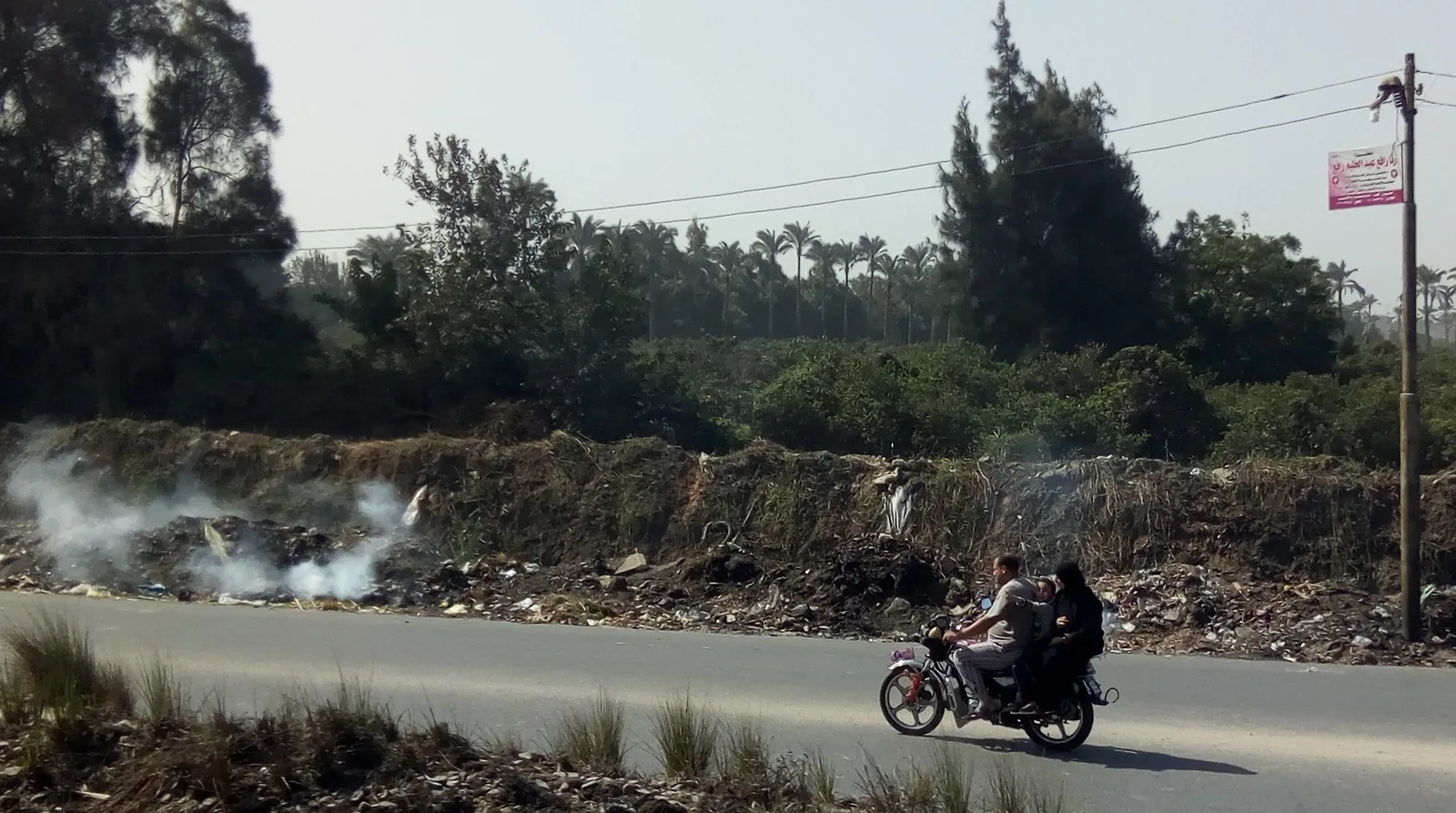
Dört Kişi Bir Motosiklette, Hiçbirinde Kask Yok: Ailenin Yolda Kaybedebileceği En Değerli Şey Açık Baştır
Okulların ikinci haftasında aynı sahne tekrarlanıyor: baba direksiyonda, bir çocuk önünde, biri arkasında, anne çantaları tutuyor; aralarında tek bir kask yok. Basın, CAPMAS'a dayanarak ölümlerin 2020-2024 arasında 190'dan 897'ye çıktığını aktarıyor; Cochrane derlemesi kaskın ölüm riskini %42 azalttığını gösteriyor. Kanun açık başı 1999'dan beri cezalandırıyor, ceza 2008'de artırıldı. Peki neden uymuyoruz?
23 Eylül 2026 · 8 dk okuma
"Kabloya Atlatma" Kurnazlık Değildir: Elektrik Hırsızlığı Bedelini Tüm Mahallenin Ödediği Bir Suçtur
Aydınlatma direğinden balkona sarkan çıplak bir kablo, sayacı hiç dönmeyen bir sayaç üzerinden çalışan klima ve üçüncü kez atan sigorta, faturasını ödeyen komşunun evini karanlığa gömüyor. Elektrik Kanunu'nun 71. maddesi bunu elektrik akımına haksız el koyma sayıyor ve hapis ile para cezasıyla cezalandırıyor; daha ağır bir değişiklik ise Temsilciler Meclisi'ni bekliyor. Bir kaçak bağlantıdan bütün sokak ne kaybeder? Doğru alternatif nedir?
14 Eylül 2026 · 7 dk okuma