C vitamini soğuk algınlığını önler mi? Onlarca yıllık deneyler gerçekte ne gösteriyor?
Milyonlarca insan ilk hapşırıkta C vitaminine sarılır. Oysa onlarca yıllık kontrollü deneyler daha ince bir hikâye anlatıyor: C vitamini çoğu insanı soğuk algınlığından korumuyor; önceden ve düzenli alındığında hastalığı bir miktar kısaltabiliyor. Gerçek bir korunma ise yalnızca maraton koşucularında, kayakçılarda ve aşırı efor altındaki askerlerde görülüyor. Hüküm: Kısmen doğru.
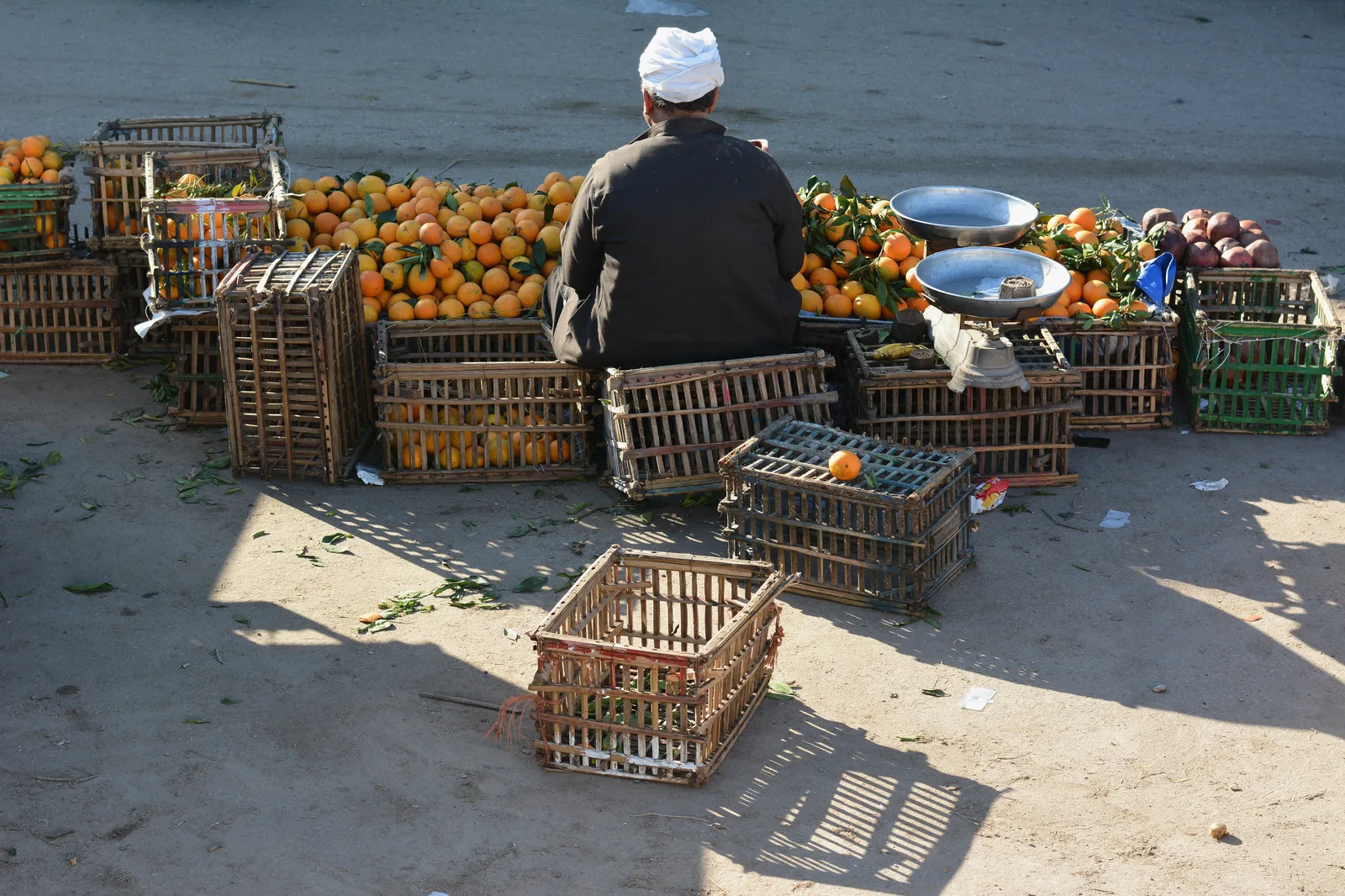
Dünyada en çok tekrarlanan sağlık öğütlerinden biri; Mısır evleri de bunun dışında değil. Kışın ilk hapşırığında biri elinize bir bardak portakal suyu ya da bir efervesan tablet tutuşturur: C vitamini alın, soğuk algınlığından korur. Öğüdü büyükanneler de eczacılar da verir ve her soğuk mevsimde bu inanç uğruna takviyelere hatırı sayılır para harcanır. Peki bilimsel kanıt — on binlerce insan üzerinde yürütülen onlarca yıllık kontrollü deneyler — gerçekte ne söylüyor? Yanıt, basit bir evetten ya da hayırdan çok daha ilginç.
Bu iddianın modern biçiminin belirli bir doğum yeri var. 1970’te iki Nobel ödüllü Amerikalı kimyager Linus Pauling, geniş yankı uyandıran “C Vitamini ve Soğuk Algınlığı” adlı kitabını yayımladı ve yüksek günlük dozların hastalığı savuşturabileceğini savundu. Pauling’in muazzam bilimsel itibarı fikri dünyaya taşıdı, arkasında koca bir sektör kuruldu. Sorun şu ki vardığı sonuçlar elindeki kanıtların çok ilerisindeydi; araştırmacılar da izleyen yarım yüzyılı bu iddiayı gerektiği gibi sınamakla geçirdi.
Bilimin bu tür soruları karara bağlarken kullandığı araç randomize kontrollü deneydir: bir gruba C vitamini, diğerine görünüşü tıpatıp aynı bir plasebo verilir; katılımcılar hangisini aldıklarını bilmez, sonra araştırmacılar soğuk algınlıklarını sayar. Onlarca yıl boyunca bu türden onlarca deney yapıldı, on binlerce katılımcı yer aldı; kanıta dayalı tıbbın altın ölçütü sayılan “Cochrane” sistematik derlemeleri de sonuçları düzenli aralıklarla bir araya getirip çözümlüyor. Ortaya çıkan tablo tutarlı ve yaygın iddiayı birbirinden ayrı üç parçaya bölüyor.
Birinci parça: sıradan hayatta korunma. Genel nüfus için — çalışanlar, öğrenciler, anne babalar — her gün C vitamini almak yakalanılan soğuk algınlığı sayısını kayda değer ölçüde azaltmıyor. Günlük takviyeyi aksatmayanlar, yıllar boyunca ve deney üstüne deneyde, plasebo alanlarla aşağı yukarı aynı sayıda soğuk algınlığı geçirdi. İddianın çoğu insanın anladığı hâline gelince — günde bir tabletin sizi soğuk algınlığına yakalanmaktan koruyacağı — kanıtın yanıtı: hayır. Büyükannenizin tableti her ne yapıyorsa, virüsün karşısına bir duvar örmüyor.
İkinci parça, iddiaya “kısmen” niteliğini kazandıran yerdir. C vitaminini düzenli olarak, enfeksiyondan önce ve mevsim boyunca alanlarda soğuk algınlıkları biraz daha kısa ve görece daha hafif seyretti. Birleştirilmiş çözümlemeler süredeki kısalmayı yetişkinlerde yaklaşık yüzde sekiz, çocuklarda yaklaşık yüzde on dört olarak tahmin ediyor. Pratikte bu, bir hafta süren bir soğuk algınlığından yarım günle bir gün arasında bir süre kırpmak demek. Gerçek ve ölçülebilir bir etki — ama hiç kuşkusuz mütevazı bir etki.
Üçüncü parça asıl sürprizi barındırıyor. Bir avuç deney, aşırı bedensel zorlanma altındaki insanları inceledi: maraton koşucuları, yarışmacı kayakçılar ve yarı kutupsal soğukta tatbikat yapan askerler. Bu gruplarda düzenli C vitamini, soğuk algınlığına yakalanma riskini neredeyse yarıya indirdi; başka hiç kimsede görülmeyen, büyük ve tutarlı bir etki. Bilim insanları, ağır zorlanmanın bağışıklık sistemini geçici olarak yıprattığını ve vitaminin bu yıpranmayı hafifletmeye yardım ettiğini düşünüyor. Karda maraton koşuyorsanız takviye sizi gerçekten koruyabilir. Çoğumuz ise koşmuyoruz.
Peki gerçek hayatta en yaygın alışkanlık — boğazda ilk gıcık hissedildiğinde efervesan tablete uzanmak — ne oluyor? Deneyler en açık hâliyle burada: belirtiler başladıktan sonra C vitaminine başlamak, soğuk algınlığının süresi ya da şiddeti üzerinde tutarlı bir etki göstermedi. Neredeyse herkesin vitamini kullandığı tek senaryo, tam da kanıtın desteklemediği senaryo. Var olan mütevazı yararlar ise virüs gelmeden önce zaten vitamini almakta olanların payına düşüyor.
Öyleyse bu inanç neden bu kadar güçlü ayakta kalıyor? Çünkü soğuk algınlığı kendi kendini sınırlayan bir hastalık: ne yaparsanız yapın, yaklaşık bir haftayla on gün içinde kendiliğinden geçiyor. Sona yaklaşırken ne almışsanız — C vitamini, bitki çayı ya da tavuk çorbası — zaten gelmekte olan iyileşmenin payesini o topluyor. Buna doğrulama yanlılığını, anlatıdan çıkarı olan bir sektörü ve sağlıkla parlayan “vitamin” sözcüğünü ekleyin; karşınızda hayatta kalma becerisi son derece yüksek bir efsane olur.
Bütün bunlar C vitaminini işe yaramaz kılmıyor: vücudun kendi üretemediği, dokuların sağlamlığı ve yaraların iyileşmesi için gerekli temel bir besin ögesidir. Suda çözünür; ölçülü fazlası idrarla atılır, ancak çok yüksek dozlar mide rahatsızlığına yol açabilir ve yatkın kişilerde böbrek taşı riskini artırabilir. Günlük gereksinimi karşılamak için takviyeye de gerek yok: günlük kaynakların en zenginlerinden olan ve Mısır pazarlarında bol bulunan guava, portakal, limon, çilek ve biberle birlikte bu gereksinimi rahatça karşılıyor.
Yani “C vitamini soğuk algınlığından korur” cümlesi hakkındaki karar şudur: kısmen doğru. Çoğu insanın kullandığı biçimiyle yanlış — ilk hapşırıkta alınan bir tablet ölçülebilir hiçbir şey yapmıyor, günlük kullanım da sıradan insanları hastalanmaktan alıkoymuyor. Dar ama gerçek bir anlamda doğru — düzenli kullanım soğuk algınlıklarını biraz kısaltıyor ve aşırı bedensel zorlanma altındakileri gerçekten koruyor. İddia ne salt bir halk kuruntusu ne de kanıtlanmış bir kalkan; büyütüle büyütüle kocaman görünen küçük bir gerçek.
Daha az soğuk algınlığı isteyenler için, parlaklıktan uzak kanıt başka bir yeri işaret ediyor: ellerinizi sık sık yıkayın, özellikle kalabalık mevsimlerde; yüzünüze dokunmaktan kaçının; yeterince uyuyun, çünkü süreğen uykusuzluk bağışıklık savunmasını ölçülebilir biçimde zayıflatıyor; odaları iyi havalandırın. Taze meyve ve sebzeyle dengeli bir beslenme, bağışıklık sisteminin ihtiyaç duyduğu C vitamininin tamamını sağlıyor. Portakal yenecek çok iyi bir şey olarak kalıyor — yalnızca lezzetli ve besleyici olduğu için yiyin, kışa karşı nöbet tuttuğu için değil.
İlgili Haberler
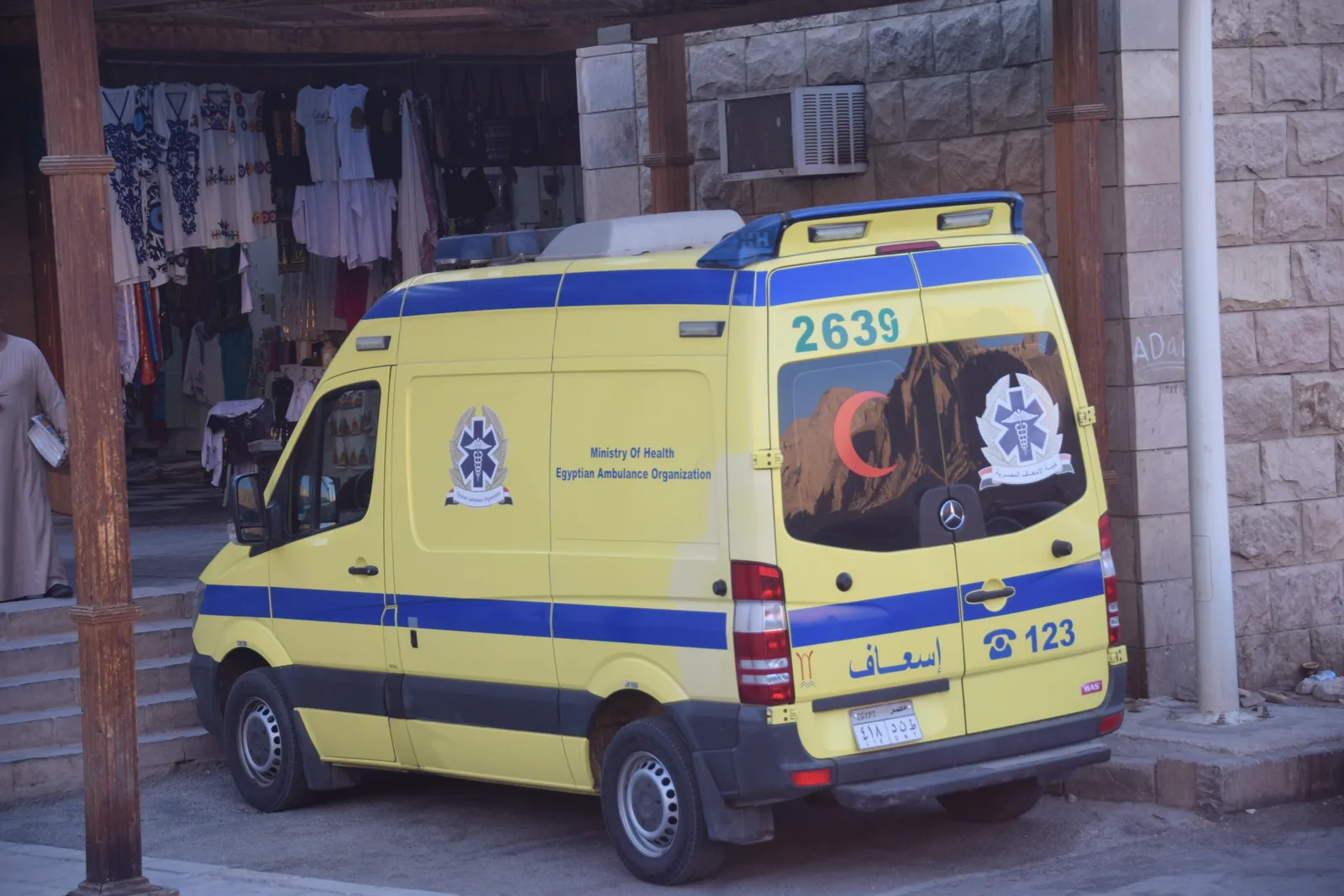
"Yalnızken kalp krizi geçirirsen kuvvetle öksür, kurtulursun": Mısır'da dolaşan WhatsApp mesajı ve tıbbın dediği tersi
Mısır'da neredeyse her telefona ulaşan bir zincir mesaj: Yalnızken kalp krizi geçirirseniz, kalbiniz düzene girene kadar kuvvetle ve ritimle öksürün. Amerikan Kalp Derneği "öksürük CPR'ını" açıkça reddediyor; mesaj kalp krizi ile kalp durmasını birbirine karıştırıyor ve ücretsiz 123 ambulans hattını aramak yerine öksürmekle geçen her dakika hastanın ömründen gidiyor. İşte tıbbın söyledikleri.
28 Eylül 2026 · 7 dk okuma
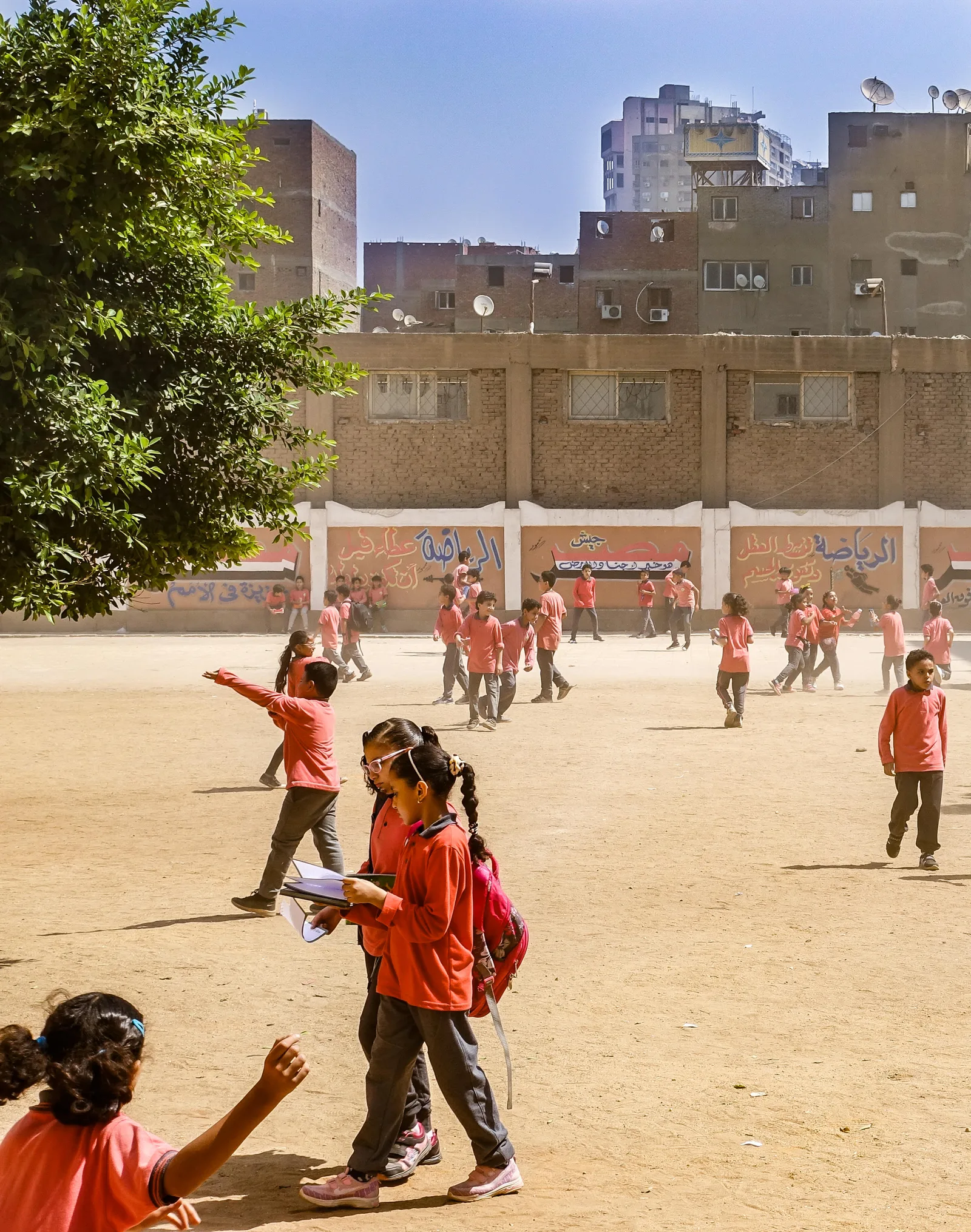
"Loş Işıkta Okumak Gözü Bozar": Göz Doktorlarının Doğruladığı ve Ailelerin Asıl Gözden Kaçırdığı Şey
Tek bir ampulün altında akşam ders çalışma günleri geri dönerken o eski uyarı da geri dönüyor: "Kör olacaksın." İddiayı kelimesi kelimesine inceledik ve göz doktorlarının hemfikir olduğunu gördük: Loş ışık ve ekrana yakın oturmak gözü yorar, ama gözü bozmaz. Ne var ki bu güvencenin arkasında, çoğu evin gözden kaçırdığı gerçek bir tehlike duruyor ve bölgesel tahminler Mısırlı çocukları bu tehlikenin en başına yerleştiriyor.
19 Eylül 2026 · 7 dk okuma
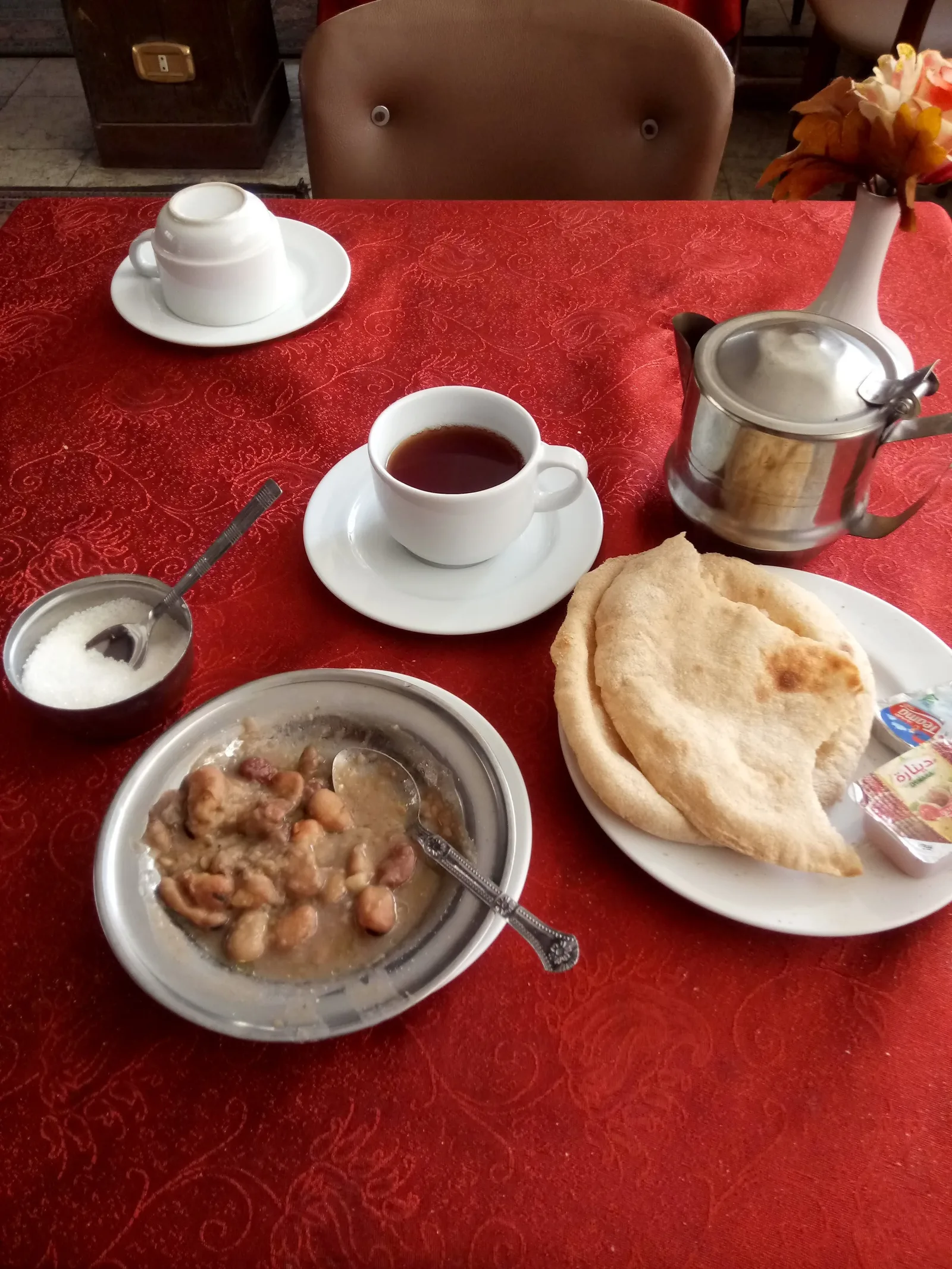
“Yemekten sonra çay demiri engeller”: Bilimin doğruladığı anne uyarısı
Mısır mutfağından çıkan bir uyarının laboratuvarda bu kadar net doğrulanması nadir görülür. Yemekle birlikte içilen siyah çay, ekmekteki, mercimekteki ve sebzelerdeki demirin emilimini şaşırtıcı oranlarda düşürüyor; süt de bunu kurtarmıyor. Ama çözüm çay tepsisini sofradan kaldırmak değil, onu bir saat geciktirmek ve sofraya bir dilim limon koymak. Kanıtları ve bunun özellikle Mısır için neden önemli olduğunu anlatıyoruz.
10 Eylül 2026 · 7 dk okuma