Back to School on a Budget: A Family Guide to September 12
With Egypt's school year opening on September 12, a practical guide to the back-to-school budget: the official fees, a use-what-you-have inventory, spending priorities, realistic savings tactics — and how to rein in the biggest line item, private tutoring.
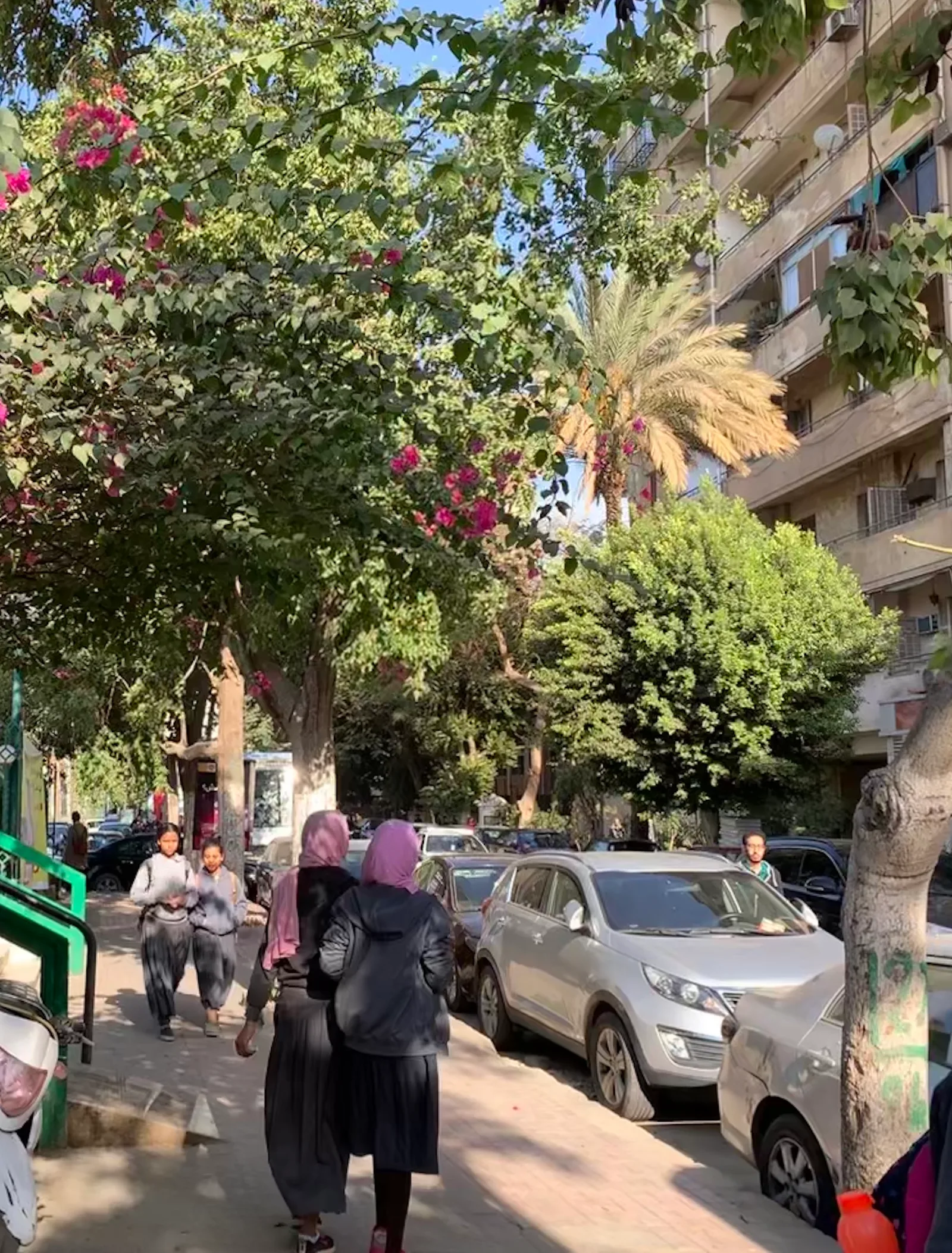
Egyptian families have less than four weeks before the 2026/2027 school year opens on Saturday, September 12, under the academic calendar approved by the Ministry of Education and Technical Education. Between fees, uniforms, supplies and private tutoring, the remainder of August and September becomes one of the heaviest spending stretches a household faces. Early planning will not erase the bill, but it can visibly shrink it.
According to the ministry's announcements as reported by local media, classes at public, official-language and private schools run from September 12, 2026 to June 24, 2027 — 39 school weeks — while international schools open on September 6. That window means a family can stagger purchases over several weeks instead of draining the budget in a single trip.
On fees, Ministerial Decree No. 116 for 2026/2027 sets tuition at 320 Egyptian pounds from kindergarten through the end of preparatory school, 545 pounds for the first year of general secondary, 530 pounds for the second and third secondary years, and 245 pounds for the first year of technical education with 230 pounds for its remaining years, as reported by Al-Shorouk and Masrawy. Fees are payable in two installments through electronic collection points and post offices, and categories specified in the decree are exempt, paying only token administrative charges.
Official-language schools add a supplementary services charge ranging from 800 pounds for primary to 1,400 pounds for kindergarten, rising to 4,400 pounds for secondary at the distinguished official-language schools, according to press coverage of the same decree. Knowing the official number in advance protects parents from charges that exceed it — and they are entitled to ask what any extra item is based on.
The first step comes before opening the wallet: a full inventory of what survived last year. A backpack with intact straps and zippers, uniform pieces that still fit, a usable geometry set and pencil case, notebooks with unused pages that can be combined for rough work. The golden rule: nothing enters the shopping list unless it is genuinely worn out or outgrown.
Then come the priorities. Uniforms first, because children grow and there is no substitute — and two sets bought slightly loose beat three that fit exactly and are outgrown by midyear. Next, notebooks and supplies according to the school's actual list rather than guesswork; the backpack sits last on the list as long as the old one still serves.
On the savings side, small tactics add up. Group buying among mothers splits a dozen notebooks at wholesale rates; wholesale and seasonal markets across the governorates are markedly cheaper than neighborhood stationers at peak season; and comparing prices at three outlets before paying usually earns back the extra errand.
Press reports — including Al-Dostor, citing sources at the Ministry of Supply and Internal Trade — say this season's "Ahlan Madares" (Welcome, Schools) exhibitions are expected to open in early September across the governorates, with bookshops and school-supply vendors participating and discounts that vary by product. Coverage of previous seasons put discounts at around 20 percent, so it is worth watching for the governorates' official announcements of venues and dates before buying.
Spending traps claim their share of the budget too. Brand names for a child in early primary are money without return — supplies get lost or wrecked within weeks — and items printed with cartoon characters can sell for double the price of identical quality. Other traps: buying everything before the school lists arrive, and installment offers on small purchases that add financing costs for no reason.
The biggest line in the education budget, however, is neither uniforms nor supplies. According to figures from Egypt's statistics agency CAPMAS published by local newspapers this month, private tutoring and review groups absorb 28.3 percent of education spending by households with students, with Menoufia governorate topping the list, as Al-Dostor reported from the agency's data.
That item can be rationed without hurting a student's performance: start only with subjects the child genuinely needs rather than a full "package" from day one; use the cheaper official school review groups; share small study groups among three or four families; and lean on the free official educational channels and platforms as backup. Simply postponing tutoring until the child's level becomes clear in the first month saves at least a full month's cost.
Spreading the bill over time is the final safety valve. Paying fees in two installments is an officially established right, so there is no need to pay in full up front; supplies can be bought in two rounds — essentials now, the rest after school starts, when real needs become clear — and receipts kept for exchanges and price comparisons.
Finally, bringing children into the budget is a free lesson in home economics: a child who understands that a new backpack means giving up something else learns to choose early. Back-to-school season is an annual exam for the family budget — and those who prepare early pass it with the fewest losses.
Related Stories
Social Security Law 12 of 2025: How Can Your Family Apply for Takaful and Karama, and What Stops the Payments?
On the International Day for the Eradication of Poverty, we open the file on "Takaful and Karama" from the family's side, not the press release's: what Social Security Law 12 of 2025 and its executive regulations, issued in July 2026, actually changed; the difference between conditional and unconditional support; the conditions a mother must know before standing in the queue; and why payments sometimes stop.
October 17, 2026 · 8 min read
Before Eighteen: What Egyptian Law Says About Child Marriage, and Why Children Pay for an Unregistered Contract
Egypt's constitution defines a child as anyone under eighteen, and the law bars registering that child's marriage. But the ban targets registration, not the marriage itself, so it slips into an informal 'orfi' arrangement, and the losses begin the moment the newborn needs a first document. On the International Day of the Girl Child, we lay out the texts and numbers as they stand, and why a school seat still outweighs any sermon.
October 11, 2026 · 7 min read

“A Cold Shot Cures a Cold”: A False Claim, and What Trials Say About the “Power” of the Vein
“Forget the pills, take a shot and you'll be back on your feet” is advice that returns with the first chill of every year. We test two claims: that a “cold shot” cures a cold, and that an injection is inherently stronger than tablets. Verdict: false. The evidence lies in the mixture itself, in randomized trials comparing vein with mouth, and in an official Egyptian guide. The route of a medicine is the doctor's decision alone.
November 22, 2026 · 9 min read