Know Your Number: A Practical Guide to Understanding Blood Pressure, Measuring It at Home and Taming It
High blood pressure neither hurts nor warns you, yet it quietly wears down the heart and the kidneys. In this guide: what 120/80 actually means, the right way to measure at home and the mistakes people make, proven steps to tame it from your kitchen, your feet and your medicine, plus a one-week measurement chart to take to your doctor.
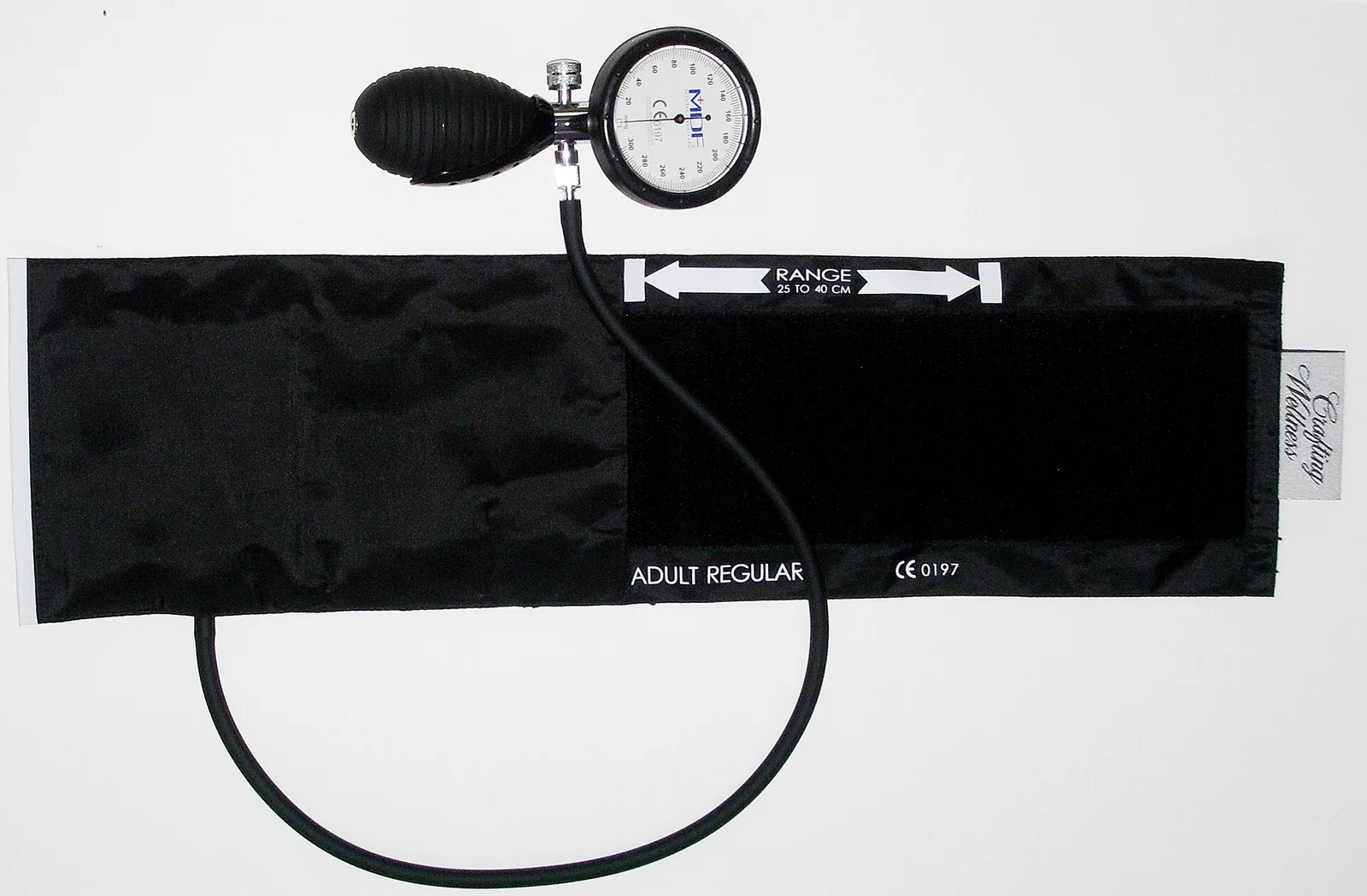
Picture a man in his mid-forties, laughing at the top of his voice at a family gathering, swearing his health is "cast iron" because nothing ever hurts. He walks into a pharmacy for a cold remedy, offers his arm to the blood pressure machine half as a joke, and then sees the pharmacist's face change. This is not one particular incident; it is a cautionary tale that repeats in a hundred versions in our homes every single day, because high blood pressure does not hurt and does not ring any alarm. It works in silence, which is why doctors named it, decades ago, "the silent killer". And the first step to taming it is astonishingly simple: know your number.
Why doesn't it hurt? Because there are no alarm bells inside your arteries. The heart is a pump, the arteries are elastic pipes, and blood pressure is the force with which the blood pushes against their walls. When that force stays high for months and years, the walls stiffen and the organs fed by the finest capillaries begin to tire: the heart muscle, the kidneys, the retina, the brain. The body sends no pain because the damage builds up too slowly for the nerves to register, and by the time symptoms appear the disease has already come a long way. Waiting until you "feel" your blood pressure is therefore a common mistake; the only reliable sensation is a number on a screen.
So what do those two figures we have heard since childhood actually mean: 120 over 80? The first is the systolic pressure, the force of the push at the moment the heart contracts and drives the blood out. The second is the diastolic pressure, what is left in the arteries while the heart relaxes between two beats. Both values are expressed in a technical unit called the millimetre of mercury, a detail that need not concern you much. What should concern you is that together the two numbers tell a single story: how hard your heart is working, and how much your arteries are taking.
And where does the safe zone end? A reading close to 120/80 is considered ideal for most adults. Above that, and up to the 140/90 mark, lies a grey area that deserves attention and a change of habits, bearing in mind that the exact thresholds differ slightly between international medical guidelines, some of which are stricter than others. Crossing 140/90 repeatedly, however, is generally regarded by doctors as hypertension that calls for follow-up and treatment. Note the word "repeatedly": a single high reading diagnoses nothing, since stress, a cup of coffee and a flight of stairs all push the number up for a while. Diagnosis is a doctor's decision based on several readings taken on different days, not on one exasperated moment in front of a screen.
This is precisely where home measurement proves its worth. Doctors know a well-documented phenomenon they call "white coat hypertension": patients whose pressure climbs in front of the doctor out of sheer clinic nerves, then settles back to normal at home, and others in whom the opposite happens. Measuring regularly at home draws an honest picture of the average of your real life, and that is the picture your doctor needs in order to decide: do you need medication? Is the current dose doing its job? A home monitor and a small notebook can steer your entire treatment plan towards something far more accurate.
Start by choosing the right device. Electronic monitors with a cuff that wraps around the upper arm are generally more accurate and easier to read than wrist models, and they are what most doctors prefer for follow-up at home. Watch the cuff size: a cuff too tight on a heavy arm reads higher than the truth, and one too loose on a slim arm reads lower. Take your own device to the clinic once and measure with both monitors in the same sitting, so you can be confident it is accurate. One trustworthy device is worth ten smart apps.
Then learn the correct sitting position, because it is half of the accuracy. Sit quietly for five minutes before measuring, your back supported by the chair, your feet flat on the floor and uncrossed, your arm resting on a table at roughly the level of your heart. No coffee, no tea and no cigarettes for about half an hour beforehand, and empty your bladder first, since a full bladder can lift the reading. Wrap the cuff directly around the arm, never over a sleeve, and stay completely silent while the device is working. Take two readings a minute apart, and record their average.
As for the common mistakes, memorise them so you can avoid them: measuring the moment you come in from the street or straight after a shouting match on the phone, talking and laughing during the reading, crossing your legs, wrapping the cuff over a winter sleeve, and leaving your arm dangling in mid-air. There is a subtler error too: repeating the measurement again and again until a "comfortable" number appears, then recording that one alone and ignoring the rest. And the two worst habits are exact opposites: measuring twenty times a day with an anxiety that raises the pressure by itself, or never measuring at all because you "feel fine". Moderation and regularity are the prescription.
Here is a practical schedule that carries this article from words into action: measure twice in the morning before breakfast — and before your medication, if you take any — and twice in the evening before bed, for a full week, recording every reading with its date and time in a notebook or on your phone. The weekly average is the number that matters to your doctor, not the highest reading nor the lowest. And there is one red line that admits no delay: if a reading approaches or exceeds 180/120, especially alongside a violent headache, chest pain, shortness of breath, or disturbed vision or speech, this is an emergency demanding immediate medical care, not a "let's see tomorrow".
Now to the taming, and it begins in the kitchen. The World Health Organization has recommended for many years less than five grams of salt a day, roughly a single teaspoon, while our tables sail past that figure without our noticing. The pickles that no Egyptian spread is complete without, the mish (fermented salted cheese) and the aged cheese, the herring and the fesikh (salted, fermented mullet), stock cubes, instant soups and processed meats are all disguised vaults of sodium, charged to our account before our hand even reaches the salt shaker. And the answer is not food stripped of its soul: lemon, cumin, garlic, vinegar, chilli and herbs replace saltiness with a smarter flavour, and the palate adjusts within a few weeks, until you wonder how you ever tolerated all that salt.
The second front of taming lies in your feet. The firmly established global recommendation is about one hundred and fifty minutes a week of moderate activity, that is half an hour of walking on five days, and regular walking genuinely lowers blood pressure while improving sleep and mood. You need no gym membership and no expensive trainers: walking to the mosque for prayers, getting off one stop early, taking the stairs instead of the lift, a turn around the neighbourhood after sunset. Anchor it to something you already do every day, rather than making it a heroic resolution that dies within a week. Your heart is a muscle, and a muscle grows stronger with use.
The third front is the one most dangerously neglected: medication. The most perilous sentence spoken in our homes is, "I stopped the pills because my pressure came back to normal." It came back to normal precisely because the medicine is working, exactly like a pair of glasses that does not cure short-sightedness but does show you the road: take them off and the blur returns. Never stop your treatment or change its dose on your own initiative, and never take a relative's pills because "his case is just like yours": choosing the drug and setting the dose is your doctor's decision alone, based on your own condition. And if a side effect troubles you, say so frankly so the plan can be changed, rather than dropping out in silence and letting your heart pay the price.
Because high blood pressure rarely travels alone, it often keeps company with diabetes and excess weight, each of them doubling the burden the other places on the heart and kidneys. If you have read before about diabetes as a "silent epidemic", you will notice the prescription is almost identical: enough sleep, giving up smoking, and shedding a few kilograms that relieve the arteries long before they flatter the mirror. Make your routine check-up a complete one: blood pressure and blood sugar in the same visit, since both advance in silence and early detection always gets there first. Whoever tames one has already covered half the road with the other.
In the end, go back to the title of this article and apply it literally: know your number. A reliable upper-arm monitor, a correct measuring position, a full week's chart, a notebook you carry to your doctor, less salt on the table, regular walking, and medication you never interrupt. High blood pressure is usually not "cured", but it can be thoroughly tamed, and millions of people around the world live long lives with it because they learned their numbers early and acted on them. The number you do not know works against you in silence; the number you do know is in your own hands. Let your first reading be this week, not someday.
Related Stories

Pink October: a free check-up at the nearest health unit – why early detection is changing the fate of Egyptian women
“Nothing hurts” is no reason to put it off. Since July 2019, Egypt's health units have opened their doors free of charge to every woman aged 18 and over, and by June 2026 the share of cases caught at a late stage had fallen from 60% to 19.5%. We explain what happens at the unit, which signs call for a visit, and why fear and stigma keep delaying this check-up.
October 2, 2026 · 7 min read
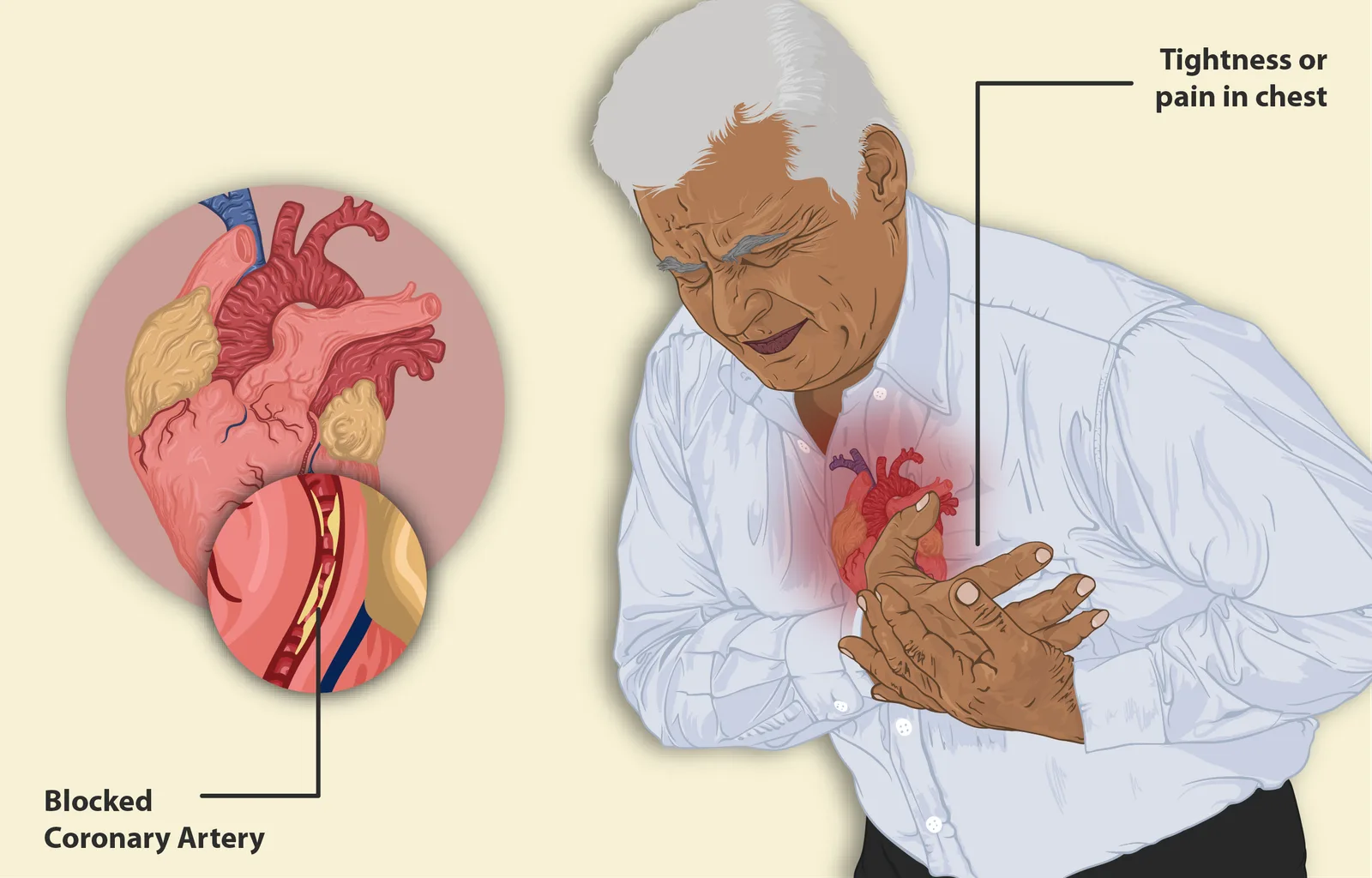
On World Heart Day: How to Spot Angina and a Heart Attack in Time, and What to Do First
A man in his fifties puts the heaviness in his chest down to "heartburn" from a heavy dinner and postpones the hospital until morning. On World Heart Day we explain the difference between angina, a heart attack, cardiac arrest and stroke, the warning signs listed by the World Health Organization, including how they differ in women, and what to do in the first minutes: call 123, which is free, sit down, and do not drive.
September 29, 2026 · 7 min read

Mental Health Is Not a Luxury: When Does Sadness Become an Illness, and Where Can You Find Help Without Stigma?
Caught between "man up" and "you just need more faith," people living with depression and anxiety wither in silence. A practical guide that separates passing sadness from an illness that requires treatment, explains the difference between a psychiatrist and a psychologist, and maps out the road to help in Egypt — in words that open the door instead of slamming it shut.
August 31, 2026 · 7 min read