Pink October: a free check-up at the nearest health unit – why early detection is changing the fate of Egyptian women
“Nothing hurts” is no reason to put it off. Since July 2019, Egypt's health units have opened their doors free of charge to every woman aged 18 and over, and by June 2026 the share of cases caught at a late stage had fallen from 60% to 19.5%. We explain what happens at the unit, which signs call for a visit, and why fear and stigma keep delaying this check-up.
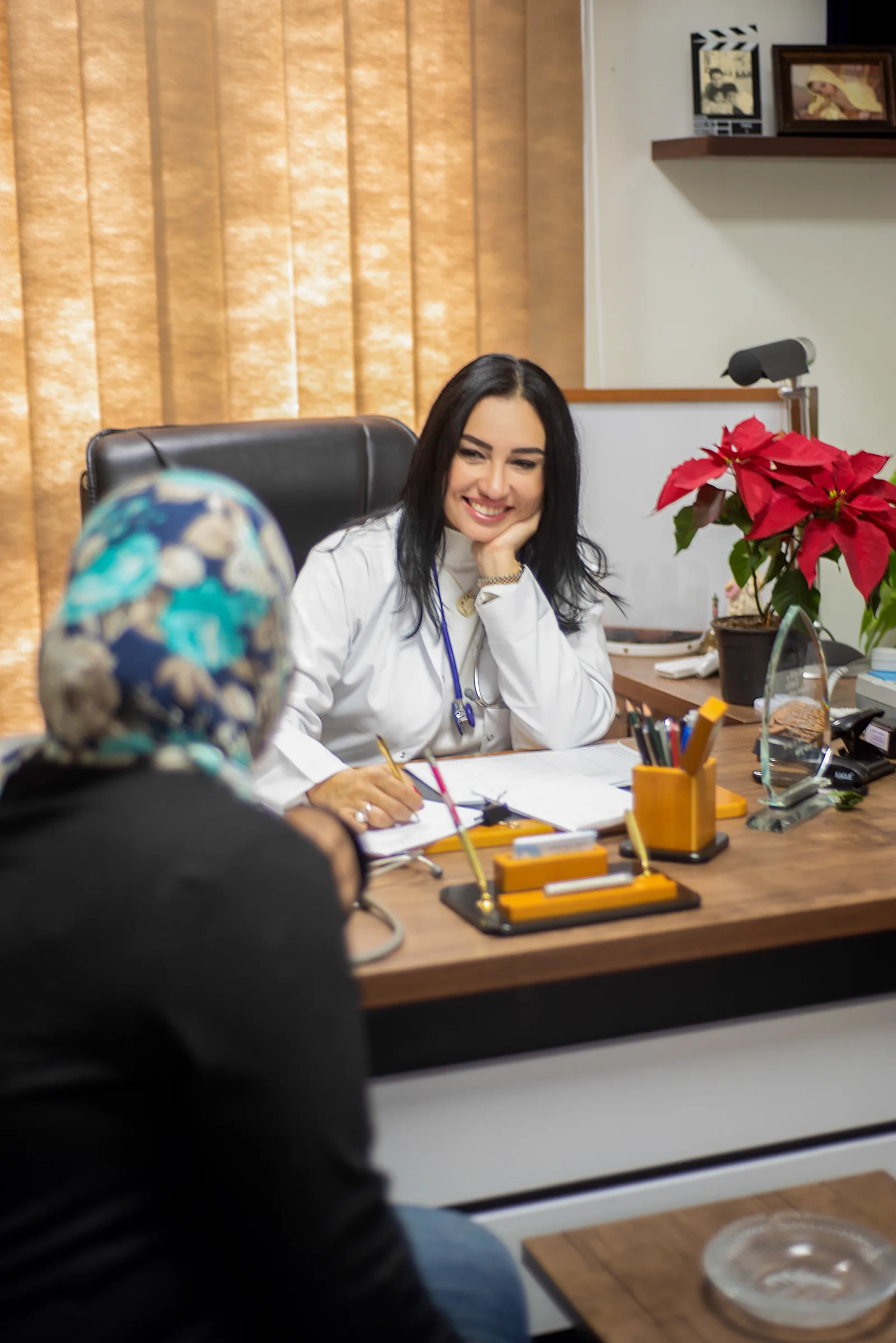
In a small kitchen in a working-class neighbourhood, a woman in her mid-forties stands at the stove stirring a pot while her daughter, a university student, sits on a plastic chair reading aloud from her phone: “Screening is free at the health unit for all women from the age of 18.” Without turning round, the mother replies: “Nothing hurts. When I feel something, I'll go.” The daughter knows this line is repeated in countless homes, and that behind it lies a mix of busyness, fear and modesty. But she also knows that putting it off is precisely what doctors warn against every October.
The trouble with the “nothing hurts” logic is that breast cancer is usually silent in its early stages and does not announce itself with pain. According to a study published in the journal ecancermedicalscience in 2026, drawing on GLOBOCAN 2022 estimates, it is the most common cancer among Egyptian women, with roughly 26,845 new cases in 2022 alone, or close to 17.8% of all cancers diagnosed in women in Egypt. Strikingly, the same study puts the median age at diagnosis in Egypt at between 50 and 51, about a full decade younger than what is recorded in Western societies. In other words, the forty-something woman in our kitchen is not on the fringes of the circle of concern; she is at its centre.
October arrives each year draped in pink across the world, not as a celebration but as a reminder. The World Health Organization says in its fact sheet that some 2.4 million women were diagnosed with breast cancer in 2024, that the disease claimed 694,000 lives that same year, and that it was the most frequently diagnosed cancer among women in 164 of 186 countries. The figure is frightening on its own, but the more important message in the same fact sheet is that early detection changes the course of the disease, and that small tumours are easier to treat than those that were left to wait.
This is exactly where Egypt comes in, with an experience worth knowing in detail. In July 2019 the Presidential Initiative for Supporting Egyptian Women's Health was launched, and the country's health units – the state's neighbourhood primary care clinics – opened their doors free of charge to every woman who had turned 18. According to figures announced by the Ministry of Health and Population and published by the State Information Service in February 2025, the initiative had by then delivered some 57.129 million medical services, spanning screening and awareness, through 3,663 health units across the governorates; 870,376 women had undergone advanced tests following the initial screening, and the initiative aims to reach 28 million women.
What actually happens inside the unit? As far as we know, and as the ministry describes it on the initiative's pages and in its awareness materials, the visit begins with registering the woman's details and measuring her weight, blood pressure and blood sugar. A trained medical team then carries out a clinical breast examination, along with a simple explanation of how to notice any change at home. If anything warrants a closer look, the woman is referred to a specialised centre for a mammogram or an ultrasound and whatever further tests are needed, all at no cost.
The real story of the initiative lies not in the number of services but in a qualitative shift that can be measured. At a Ministry of Health and Population press conference whose proceedings were published on 29 June 2026, it was announced that the initiative had provided more than 70 million services to more than 23 million women, and had detected around 40,000 cases of breast cancer, 80% of them at early stages. The figure worth committing to memory is this: the share of cases discovered at a late stage had fallen from 60% to 19.5% as of that announcement. That is not an abstract statistical improvement. It means that a great many women reached a doctor while treatment was simpler and the chances of recovery greater.
Time is decisive in this disease, and the initiative bet on it from the outset. In December 2021, Ahram Online quoted the ministry as saying that the interval between initial screening and diagnosis had fallen from 141 days to 21, that the interval between screening and the start of treatment had dropped from 270 days to 38, and that treatment was being delivered at 14 ministry centres and 13 university hospitals. The June 2026 announcement stated that the average time from diagnosis to the start of treatment had fallen from a previous 180 to 280 days to around 49. The numbers vary with the date, the method of measurement and the starting point from which they are counted, but the direction is clear: from months of waiting to weeks.
What should a woman look out for at home? The World Health Organization sets out clear warning signs: a lump or thickening in the breast, often painless; a change in the size, shape or appearance of the breast; dimpling, redness, pitting or other changes in the skin; a change in the appearance of the nipple or the skin around it; and abnormal discharge from the nipple, especially if it is bloody. Any one of these signs merits a visit to the health unit as soon as possible – not waiting for an annual appointment, and not waiting for pain that may only come late.
But there is a message of reassurance that should be stated just as plainly: most lumps found in the breast are not cancer, according to the WHO, and when cancerous lumps are small, the chances of treating them successfully are higher. Then there is another message that demolishes a common excuse in our homes: “We don't have it in the family.” The WHO says that family history does indeed raise the risk, but that most women diagnosed with breast cancer have no known family history of the disease, and that the absence of such a history does not necessarily mean a woman is safe. It adds that around 80% of cases occur in women with no modifiable risk factor – such as obesity, alcohol or physical inactivity – other than being female and over 40. The absence of family history, then, is no exemption from screening, and screening does not mean there is a suspicion; it means there is care.
The hardest question remains: if screening is free, close by and quick, why do so many women put it off? The answer is mostly not medical but social. There is the modesty around having a part of the body that society regards as private examined; the fear of a word some people avoid saying aloud, calling it instead “el-marad el-wehesh”, the terrible disease; the worry about how a husband or relatives will look at her; the dread that a diagnosis will mean losing a breast, or losing her standing in her own home; and a mother's habit of looking after everyone but herself. Understandable feelings – but when they turn into delay, the price is paid in health and in years of life.
The answer to stigma is not lectures but small acts. A daughter accompanying her mother to the health unit the way she accompanies her to the market. A husband quietly asking his wife, “Have you had your check-up this year?” instead of avoiding the subject. Women at family gatherings talking about screening the way they talk about blood pressure. A neighbour, a cousin, a colleague being reminded that October is a good month to start the habit. As far as we know, it usually takes no more than a national ID card and a trip to the nearest health unit in the neighbourhood or village; screening has been a standing service at the units all year round since the initiative was launched, not a campaign that ends when October does.
We should also be honest about what we do not know. The initiative's official figures are cumulative and constantly updated, which is why we have taken care to note the date on which each figure was announced; by the time these lines are written, the numbers may well have moved beyond those cited here. Nor can we promise any particular woman an outcome or a cure rate; that is a matter for her treating physician. We confine ourselves to what the World Health Organization says: that health promotion for early detection, timely diagnosis and comprehensive treatment are the three pillars of its global initiative, which aims to cut breast cancer deaths by 2.5% a year through 2040. Egypt's move to bring screening out of the big hospital and into the nearby unit sits at the heart of the first of those pillars.
Back to the small kitchen. The daughter has put down her phone and got up to help her mother lift the pot off the heat, then says in a tone that brooks no delay: “The unit opens early. We'll go tomorrow morning, together.” This time the mother does not argue, because she has realised that “nothing hurts” is not an argument but a gamble. A single visit to a building she knows and walks past every day, taking perhaps no more than an hour of her morning, may be the most important thing she does for herself this year. And if you are reading these lines and your mother, your sister or you yourself have not yet gone, October asks nothing of you but to begin.
Related Stories
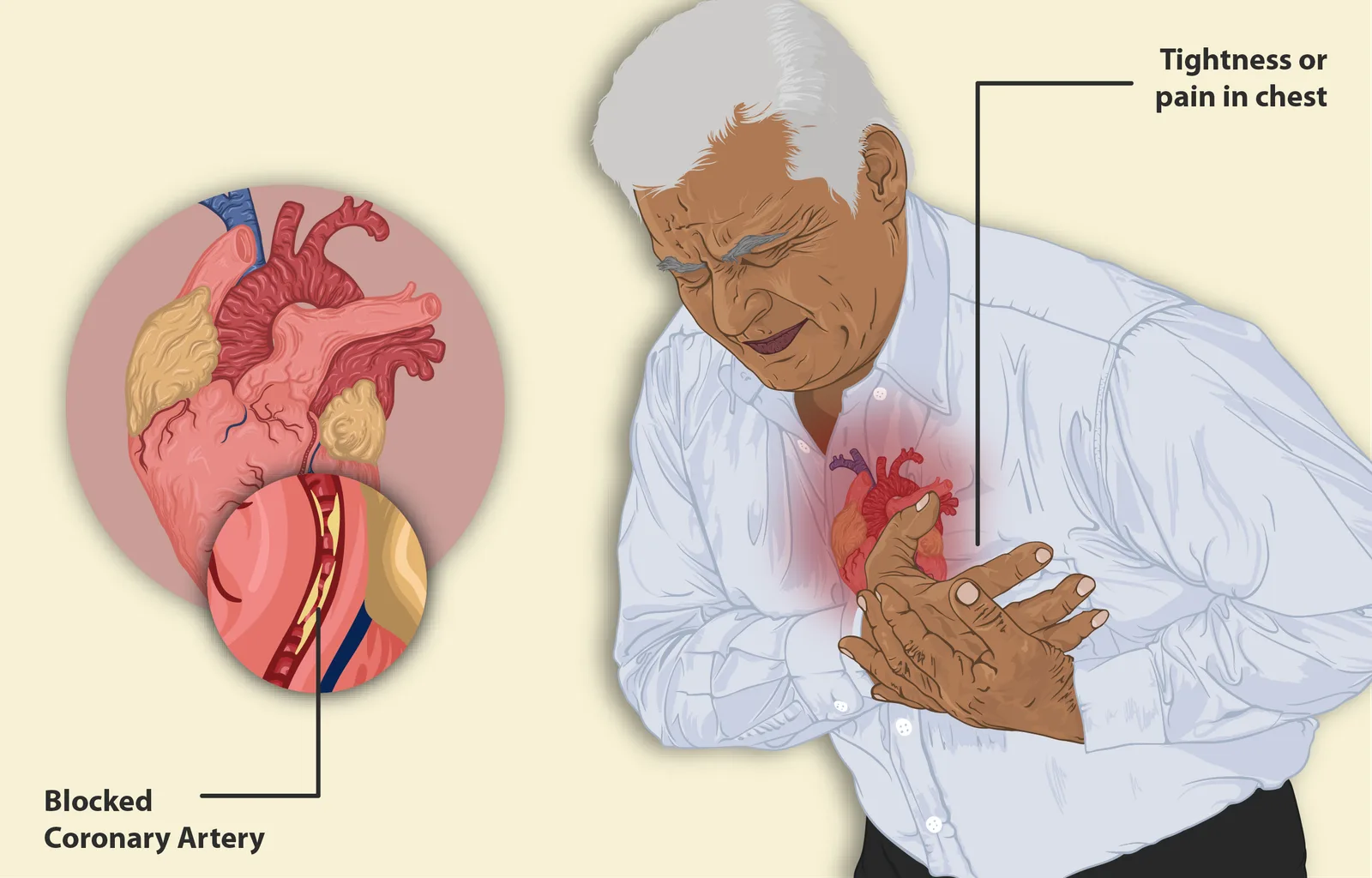
On World Heart Day: How to Spot Angina and a Heart Attack in Time, and What to Do First
A man in his fifties puts the heaviness in his chest down to "heartburn" from a heavy dinner and postpones the hospital until morning. On World Heart Day we explain the difference between angina, a heart attack, cardiac arrest and stroke, the warning signs listed by the World Health Organization, including how they differ in women, and what to do in the first minutes: call 123, which is free, sit down, and do not drive.
September 29, 2026 · 7 min read
Mental Health Is Not a Luxury: When Does Sadness Become an Illness, and Where Can You Find Help Without Stigma?
Caught between "man up" and "you just need more faith," people living with depression and anxiety wither in silence. A practical guide that separates passing sadness from an illness that requires treatment, explains the difference between a psychiatrist and a psychologist, and maps out the road to help in Egypt — in words that open the door instead of slamming it shut.
August 31, 2026 · 7 min read
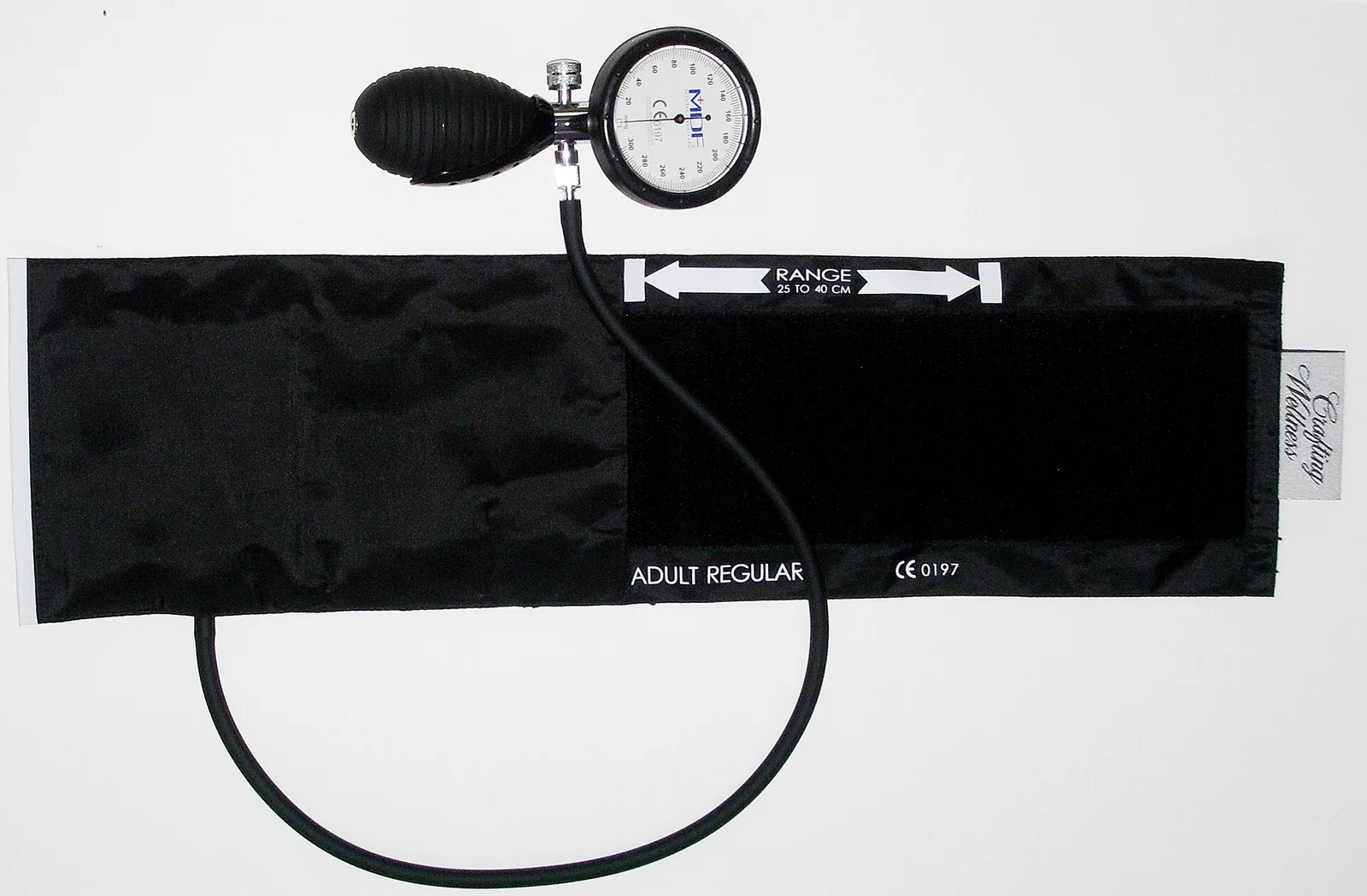
Know Your Number: A Practical Guide to Understanding Blood Pressure, Measuring It at Home and Taming It
High blood pressure neither hurts nor warns you, yet it quietly wears down the heart and the kidneys. In this guide: what 120/80 actually means, the right way to measure at home and the mistakes people make, proven steps to tame it from your kitchen, your feet and your medicine, plus a one-week measurement chart to take to your doctor.
August 24, 2026 · 7 min read