Cairo's air is a national cause: from the 'Black Cloud' to the electric bus, the battle for every breath
Every autumn the 'Black Cloud' returns to choke Greater Cairo, but what actually kills is what we cannot see: particles finer than a hair that slip into the lungs and the bloodstream. On the eve of World Car-Free Day, we open the file on one of the gravest environmental health problems facing Greater Cairo: what the numbers say, what is being done, and what you can do in your own day.
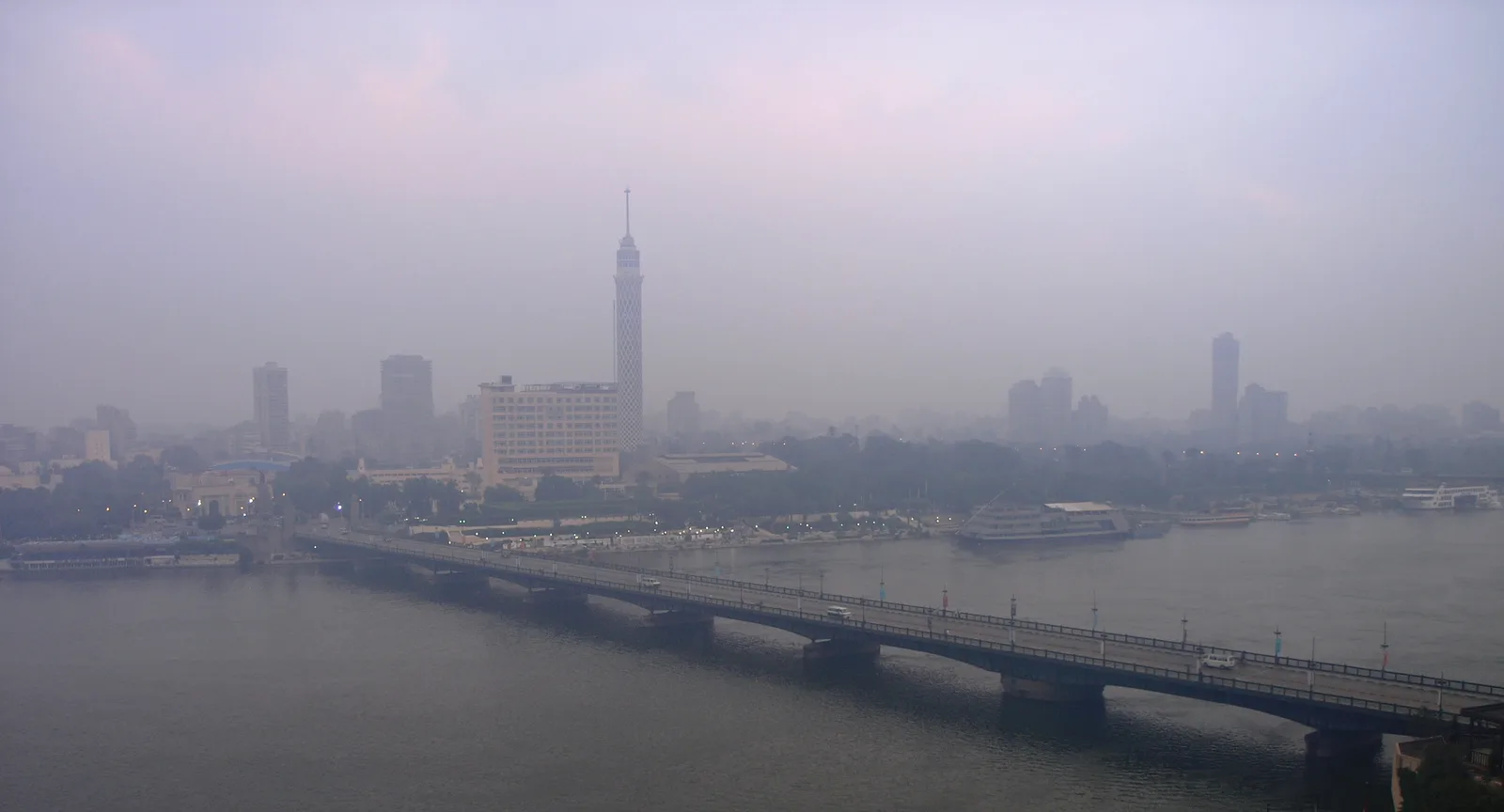
On a recent September morning, a driver sits stalled in the usual jam on the 6th of October Bridge, the flyover that runs across central Cairo. He wipes the windscreen with his palm, assuming the haze is on the glass, then realises the haze is in the air itself. A faint smell of burning creeps in through the air-conditioning vents, a smell familiar to anyone who has lived through a single autumn in Greater Cairo, and in the back seat a child in school uniform gives a small cough and goes back to his game as if nothing had happened. The scene is so familiar that we have stopped noticing it, and yet it is among the most dangerous things we encounter in a day.
This is the 'Black Cloud', the seasonal smog that Cairo has known since the late 1990s, returning every year with the start of the rice harvest in the Delta between September and December. We write these lines on the eve of World Car-Free Day, which falls tomorrow, 22 September, and to which we will devote a separate piece tomorrow in the Voice of the Citizen section on what it is like to ride a bicycle on our streets. Today the question is broader: what exactly are we breathing, why does it kill, what is actually being done about it, and what remains in the hands of each of us?
Let us start with the term that crops up in every report and that nobody explains: fine particulate matter, or PM2.5. The letters and the number refer to particles suspended in the air with a diameter of less than 2.5 micrometres, roughly thirty times thinner than a human hair. That smallness is the secret of their danger: coarse dust gets caught in the nose and throat and is coughed back out, but these particles travel all the way down to the alveoli deep in the lungs, and the smallest of them cross into the bloodstream and circulate to the heart and the brain. PM10, by contrast, refers to the larger particles with a diameter of less than 10 micrometres, which do not penetrate as deeply into the body, which is why the two figures should not be confused when reading the news.
Why do we say it kills? Because the World Health Organization estimates that outdoor air pollution caused some 4.2 million premature deaths worldwide in 2019 alone, and that around 68 per cent of those deaths came from heart disease and stroke, not from lung disease as many assume. The WHO says that 99 per cent of the world's population lives in places where its air quality guidelines are not met. In the guidelines it issued in 2021, the organisation set the annual guideline level for fine particulate matter, PM2.5, at just five micrograms per cubic metre of air. Remember that number, because we are about to compare it with our own.
A scientific study by Wheida and colleagues on Greater Cairo, published in late 2017 (in the January 2018 issue) in the journal Environmental Research, estimated the average PM2.5 concentration there at around 75 micrograms per cubic metre, fifteen times the level the WHO recommends, and attributed to this pollution some 12,520 premature deaths a year among people over thirty in Greater Cairo alone. That is close to another estimate cited by the World Bank in a blog post published in April 2026, which puts premature deaths from PM2.5 across the whole of Egypt in 2017 at around 12,600 a year. We should be clear that these figures rest on data from around 2017 or earlier and do not describe the current situation, but they convey the scale of the problem from which the later efforts set out.
Because health figures can seem abstract, the World Bank attached an economic number when it approved financing for the Greater Cairo project: the annual economic cost of air pollution's toll on health in Greater Cairo alone is estimated, according to the Bank's statement on approving the project, at around 1.4 per cent of Egypt's gross domestic product. Every polluted breath, in other words, translates into sick days, medical bills and lost productivity, and clean air is a matter of the national economy, not an environmental luxury.
Where does this pollution come from? World Bank sources identify four main sources: the burning of rice straw during its season from September to December, the burning of solid waste in the streets and in open dumps, vehicle exhaust, and industrial emissions. Here we should pause on an important point. It is easy to blame the farmer who sets fire to his field, but the farmer does not burn straw because he likes smoke; he burns it because it stands in the way of planting the next crop, because hauling it away costs him money, and because he can find nobody to buy it at a decent price. The solution, then, is economic before it is a matter of enforcement: straw has to become a commodity that is bought, baled and turned into fodder, fertiliser or fuel, so that there is no longer any reason to burn it.
So what is actually being done? On 30 September 2020 the World Bank approved $200 million in financing for the Greater Cairo Air Pollution Management and Climate Change Project, to run over six years. The project rests on four pillars: modernising the air quality management system and the monitoring network and strengthening residents' ability to cope with pollution episodes; building an integrated waste management facility in 10th of Ramadan City while closing and rehabilitating the Abu Zaabal dump; cutting vehicle emissions through a pilot of electric buses in the public sector together with their charging infrastructure; and a fourth pillar on behaviour change and citizen engagement.
Almost five years on from that approval, the World Bank blog post published in April 2026 presents preliminary results that are worth relaying with caution, since they come from the financing body itself. The post says that the average PM10 concentration at the monitoring stations fell from 128 micrograms per cubic metre in 2020 to 88 in 2025; that the open-burning incidents counted by the project dropped from around 3,200 in 2024 to around 1,000 in 2025; and that the first electric bus has entered testing, with a fleet of one hundred buses to be manufactured locally once the trials are complete, alongside some 2,000 further buses put out to tender by the Ministry of Transport. As of this writing we have seen no independent evaluation of these figures, but if they hold up they represent a genuine step forward.
Let us put those figures in perspective. A fall in PM10 from 128 to 88 is an improvement to be welcomed, but it is still several times what the WHO recommends, and the figure concerns the larger particles, not the more dangerous fine ones. The electric buses are still at the testing stage, and a hundred promised buses are a drop in a city where millions of vehicles are on the road. And the closure of the Abu Zaabal dump, whose works were put out to tender in late 2025 with an implementation period of about two and a half years, will not by itself mean the end of haphazard burning in working-class neighbourhoods and villages. The road is long, and what matters is that the journey continues regardless of who sits in the driver's seat, because this is a cause for generations, not for a season.
This is where a permanent civic voice on the issue becomes important. The air quality index should not be merely an item in the weather bulletin; it is a citizen's right to know what they are breathing today, and the readings from the official monitoring network should be published transparently and be easy to reach. We advise readers to rely on the official readings published by the Egyptian Environmental Affairs Agency through the 'Egypt Air Radar' service on its website, rather than on commercial apps that give conflicting numbers, because in a file like this an inaccurate figure does as much harm as silence.
So what can a reader do in an ordinary day? Small things that seem weightless until they add up. Try, tomorrow, on Car-Free Day, leaving the car at home and taking the metro or the bus, or walking, as an experiment that might just prove enjoyable. Never burn rubbish or fallen leaves outside the house, however much easier it may seem, and gently talk those around you out of doing so. Keep your car serviced and have its exhaust tested, and follow the air index on autumn days, postponing the morning run outdoors when pollution is high and keeping the elderly, people with chest conditions and children away from the street at peak hours.
Perhaps most important of all is to ask. To ask about the monitoring station nearest your neighbourhood, about what happens to the straw in your village and whether it is bought or burned, and about when the electric bus will reach your route. Great causes are not settled by a single project, however large its price tag, but by citizens who know their right to clean air and demand it without tiring.
Tomorrow the same driver will sit on the same bridge, and he may wipe the windscreen once again. This time, though, he will know that the haze is not on the glass, that the small cough in the back seat is no passing complaint, and that between him and cleaner air for his children lies a battle fought every day and with every breath, one in which he is no spectator.
Related Stories
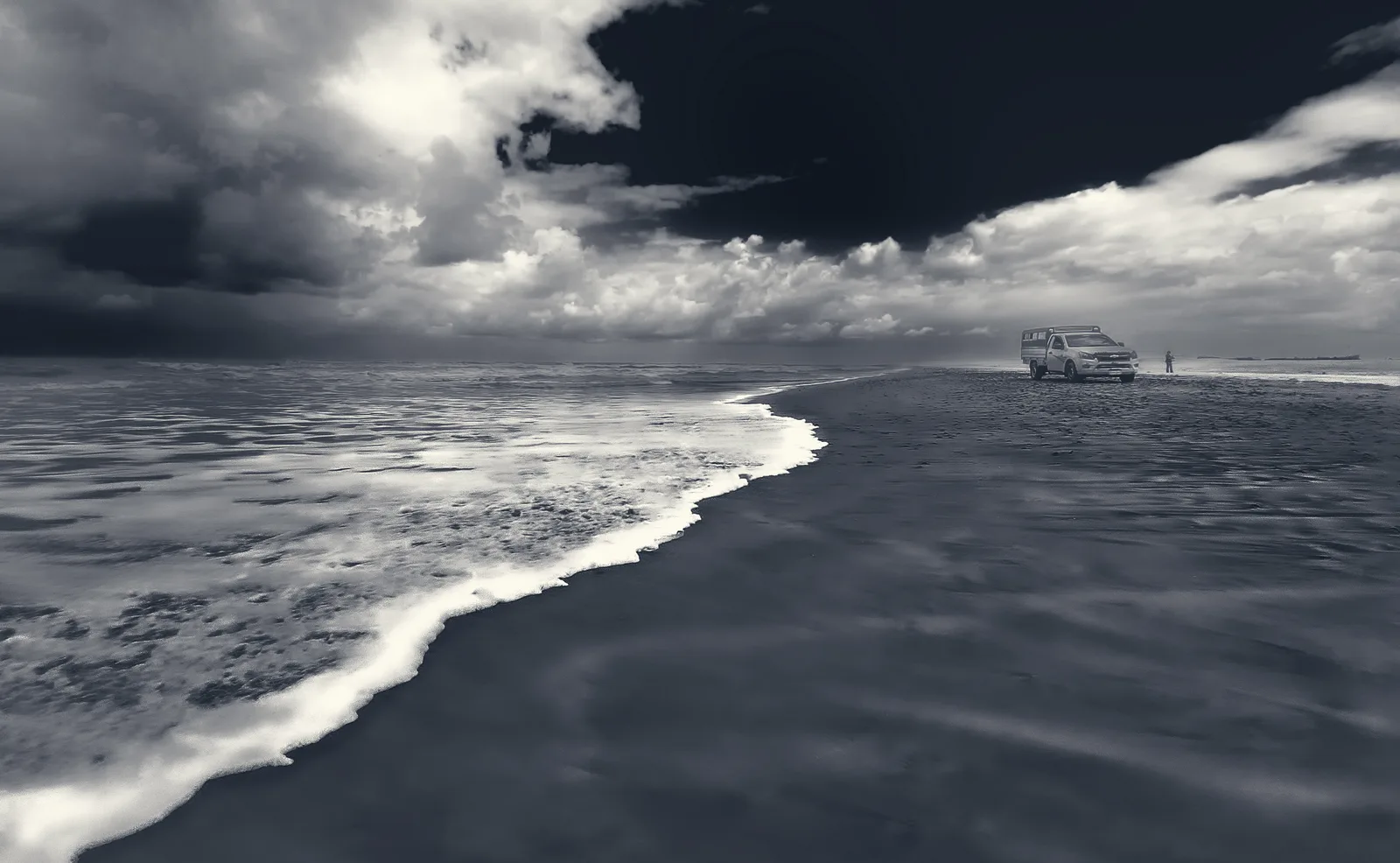
The Sea Creeps Up on the Delta: How Egypt Is Defending Its Most Fertile Land With Barriers of Sand and Reed
Along the coastal road at Burullus, sand dunes held in place by reed fences stand guard; behind them, a farmer tastes the water from his well and finds it salty. A silent crisis threatens a quarter of Egypt's population: a rising sea and a sinking land. This article lays out the danger in documented figures, examines a $105 million project that has built 69 kilometres of soft barriers, and asks what role the citizen has in protecting the shore.
September 13, 2026 · 8 min read
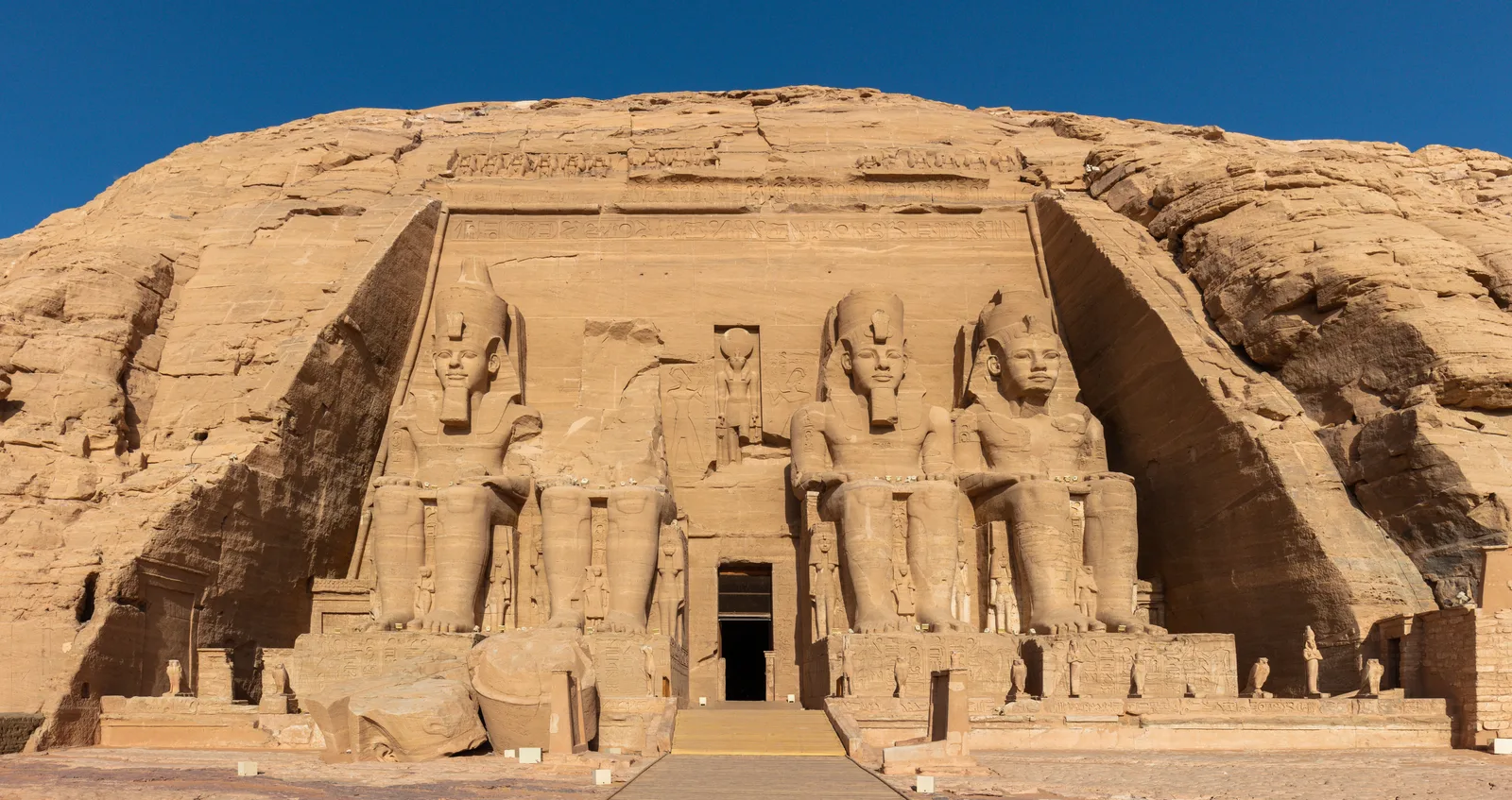
Abu Simbel: the temple the world lifted 65 metres so it would not drown, and the sun that comes back to it on 22 October
Shortly before sunrise on 22 October, people stand in the darkness of the great hall waiting for a thread of light to travel some sixty metres through solid rock and fall on the face of Ramses. Behind that moment lies the story of a twenty-year international campaign that lifted the temple, block by block, above the waters of Lake Nasser. Here is your guide to understanding the spectacle and planning an Aswan trip a month ahead of the date.
September 20, 2026 · 7 min read
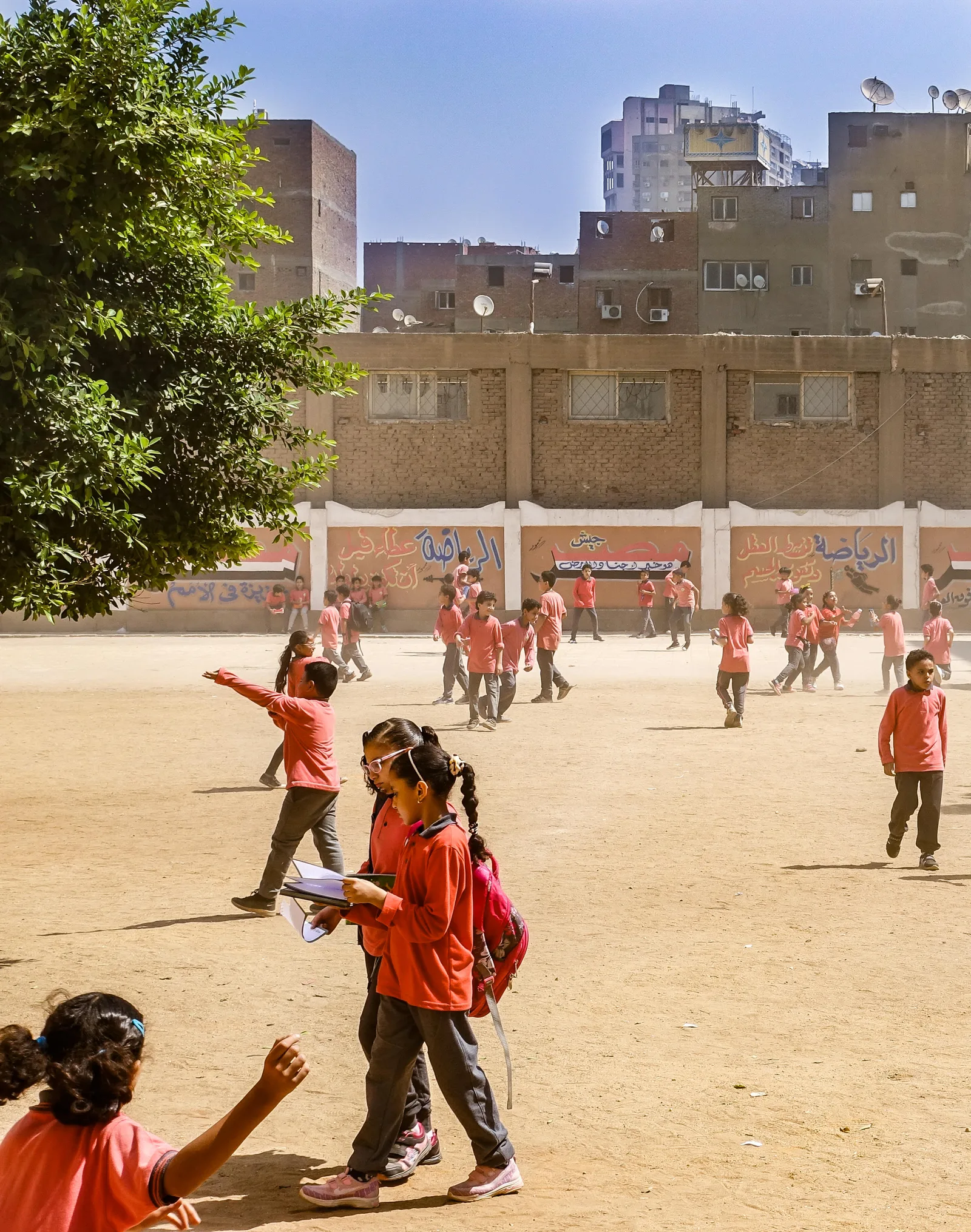
"Reading in Dim Light Ruins Your Eyes": What Ophthalmologists Confirm, and the Risk Parents Really Overlook
With evening study sessions back under a single bulb, the old warning returns: "You'll go blind." We checked the claim word for word and found ophthalmologists of one mind: dim light and sitting close to the screen tire the eyes; they do not damage them. But behind that reassurance stands a real danger most households overlook, and regional estimates put Egypt's children at the top of it.
September 19, 2026 · 7 min read