Confronting Fourth-Generation Warfare: Our Scientific Method Against Rumours
We are not merely a carrier of news; we are — to our knowledge — the first news platform to openly adopt a doctrine of confronting fourth-generation rumour warfare. This article explains what these campaigns are, how rumours are engineered to harm Egypt's economy and social peace, the scientific verification method we commit to through experts and specialists, and how every citizen can vaccinate themselves before hitting the share button.

From its first day, this platform has taken on a commitment no other news platform has openly adopted before it: a declared, methodical confrontation of fourth-generation warfare — wars waged not with tanks and aircraft but with rumours, fabrications and doctored images. Today we lay that method before the reader in full transparency, because the reader is our first partner in this battle.
"Fourth-generation warfare" is not a journalist's invention. The term emerged in American military literature in the late 1980s, in a well-known 1989 article in the Marine Corps Gazette by William Lind and his co-authors. The idea, simply put: modern wars are no longer fought on battlefields alone. They have moved into people's minds, where the lines blur between war and politics, combatant and civilian, and the manipulation of information becomes a weapon whose effect rivals guns and missiles.
In these wars, a rumour is not a passing lie told by an individual for amusement. It is a carefully manufactured product: it usually begins with a small grain of truth, is then wrapped in exaggeration and distortion, injected with fear or anger, and released at a calculated moment — just before an economic decision, in the middle of a crisis, on the eve of a national occasion — to achieve maximum spread and maximum damage.
Its patterns are known and documented in academic and press literature around the world: an old photo from another country published as an event that happened in Egypt yesterday; a fabricated statement attributed to an official who never uttered it; a doctored screenshot of an official announcement; a claim of an imminent shortage of a commodity that drives people into panic buying and thereby creates the very crisis it alleged; economic figures ripped from context to suggest a collapse that does not exist.
Why is Egypt targeted in particular? Because an economic rumour, once believed, turns into action: hoarding, market panic, pressure on the currency, hesitant investors. And because a rumour of strife, once it spreads, tears at the single fabric that binds the nation's people. The ultimate goal of these campaigns is not to mislead one person but to exhaust an entire society and strike at its confidence in itself and its institutions.
So how do we respond? Our first step is source tracing. For every claim that reaches us we ask: where did it first appear? On a verified account, or an anonymous page created days ago? Who amplified it and why? Who benefits from its spread? A manufactured rumour always leaves fingerprints that point to its maker.
The second step is gathering evidence: we go back to the original document and the full official statement, not the circulated excerpt; we use reverse image search to expose recycled footage; we scrutinise dates, places and the small details that give forgeries away; and we compare circulating figures against the data published by their original sources.
The third step — the heart of our method — is consulting experts and specialists. We do not settle for an editor's opinion. We put the economic claim to professors of economics, the medical claim to physicians, the legal claim to jurists, and the expert appears with name and title, answerable to the reader for their judgement. This is how verification is transformed from a journalistic impression into expert testimony.
The fourth step: grading the evidence and publishing a verdict. Every investigation ends in a clear ruling on a published scale: true, partly true, misleading, false, or satire. Alongside the verdict we lay out, step by step, the evidence on which we built it, so the reader can judge our method itself. And when we get something wrong, we correct it publicly — credibility is built on transparency or not at all.
But the strongest line of defence is not us; it is you. Vaccination against rumour begins with a moment's pause before pressing "share". Ask yourself: what is this story's source? Does it carry a clear date? Was it published by a known body that answers for what it publishes? And why is this post pushing me toward intense anger or fear? Content that violently provokes your emotions is very often content designed to do exactly that.
Simple tools are within every citizen's reach: reverse-search an image before believing it; check the official accounts and websites of the body concerned; and be wary of messages that open with "forwarded as received" — that phrase is an open admission that the sender has not verified a single word of it. And a golden rule: if you cannot confirm it, do not share it. Staying silent about a rumour is a thousand times better than spreading it.
This is a long battle that will not end with one investigation or a hundred. We commit before you to the scientific method, to the named specialist, to the reasoned verdict, and to public correction when we err. We ask of you one thing: make verification a daily habit, like washing your hands. When every citizen pauses for a single second before sharing, fourth-generation warfare loses its sharpest weapon — our own fingertips.
Related Stories
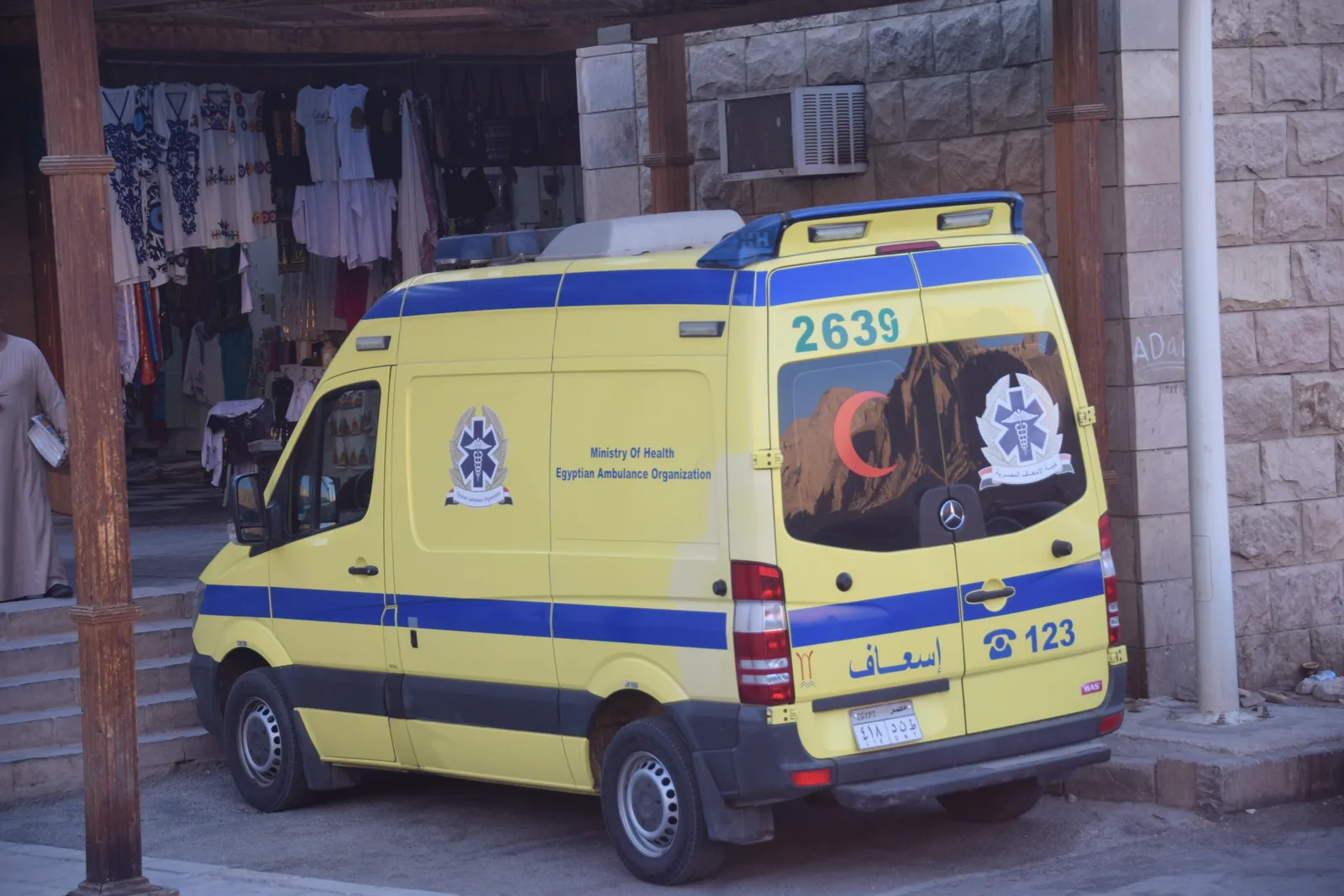
"Cough Hard to Survive a Heart Attack Alone": A WhatsApp Message Egyptian Homes Pass Around, and Medicine Says Otherwise
A chain message reaches nearly every phone in Egypt: if you have a heart attack alone, cough hard and in rhythm until your heart steadies. The American Heart Association flatly rejects "cough CPR," the message confuses a heart attack with cardiac arrest, and every minute spent coughing instead of calling the free 123 ambulance line is taken from the patient's life. This is what medicine says.
September 28, 2026 · 7 min read

"Reading in Dim Light Ruins Your Eyes": What Ophthalmologists Confirm, and the Risk Parents Really Overlook
With evening study sessions back under a single bulb, the old warning returns: "You'll go blind." We checked the claim word for word and found ophthalmologists of one mind: dim light and sitting close to the screen tire the eyes; they do not damage them. But behind that reassurance stands a real danger most households overlook, and regional estimates put Egypt's children at the top of it.
September 19, 2026 · 7 min read
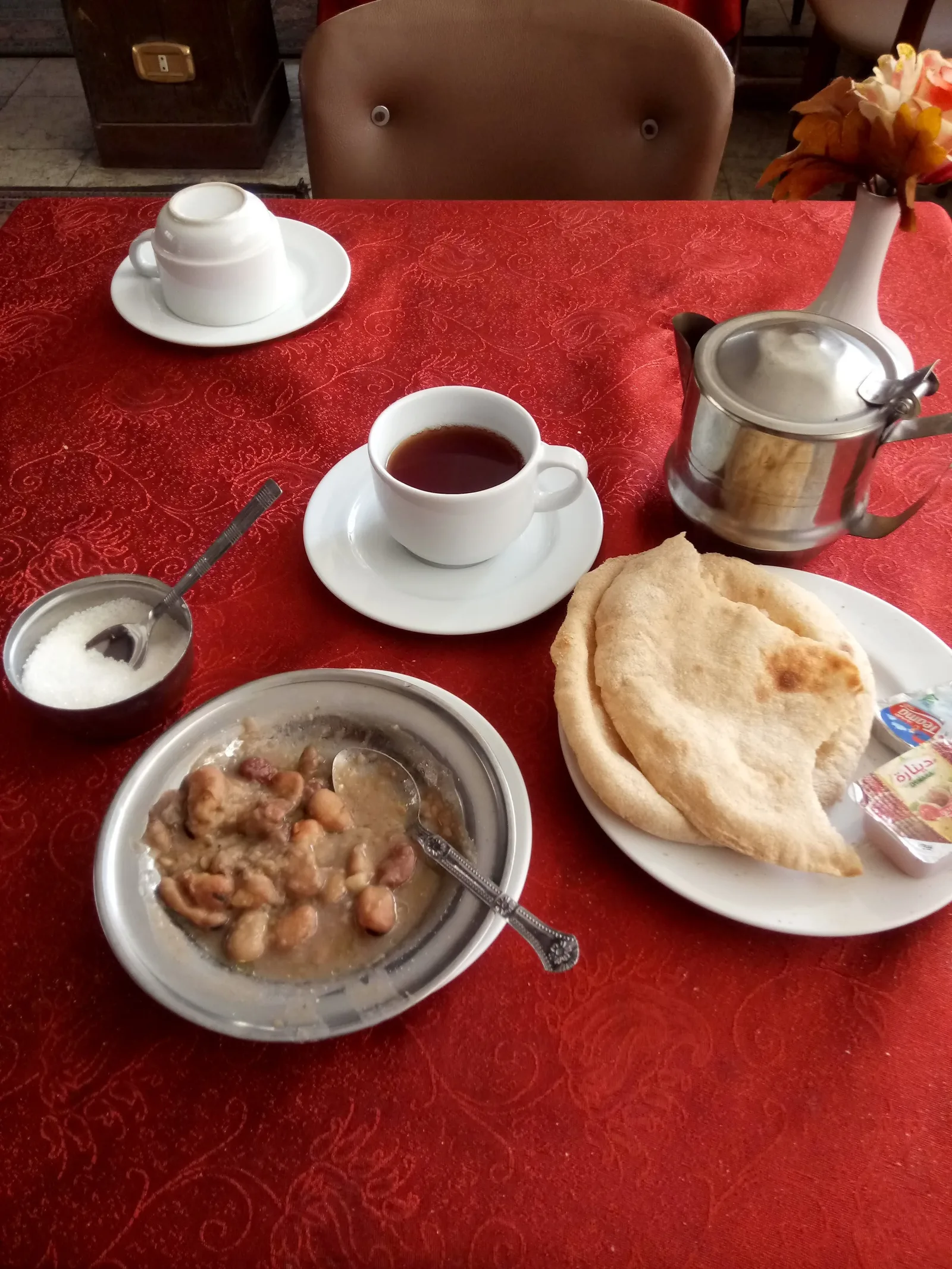
“Tea After Meals Blocks Iron”: The Mothers’ Warning Science Confirmed, and a Simple Fix
It is rare for a warning from the Egyptian kitchen to be backed so clearly by the laboratory. Black tea taken with a meal cuts the absorption of iron from bread, lentils and vegetables by startling margins, and milk does not rescue it. But the answer is not to banish the tea tray; it is to hold it back by a single hour, and to put a wedge of lemon on the table. We lay out the evidence, and why it matters for Egypt in particular.
September 10, 2026 · 7 min read