Diabetes in Egypt: A Silent Epidemic That Can Be Pushed Back
Millions of Egyptians live with diabetes, and many do not even know they have it. This guide explains the risk factors, the early warning signs, and the simple, evidence-based steps that protect you and your family.
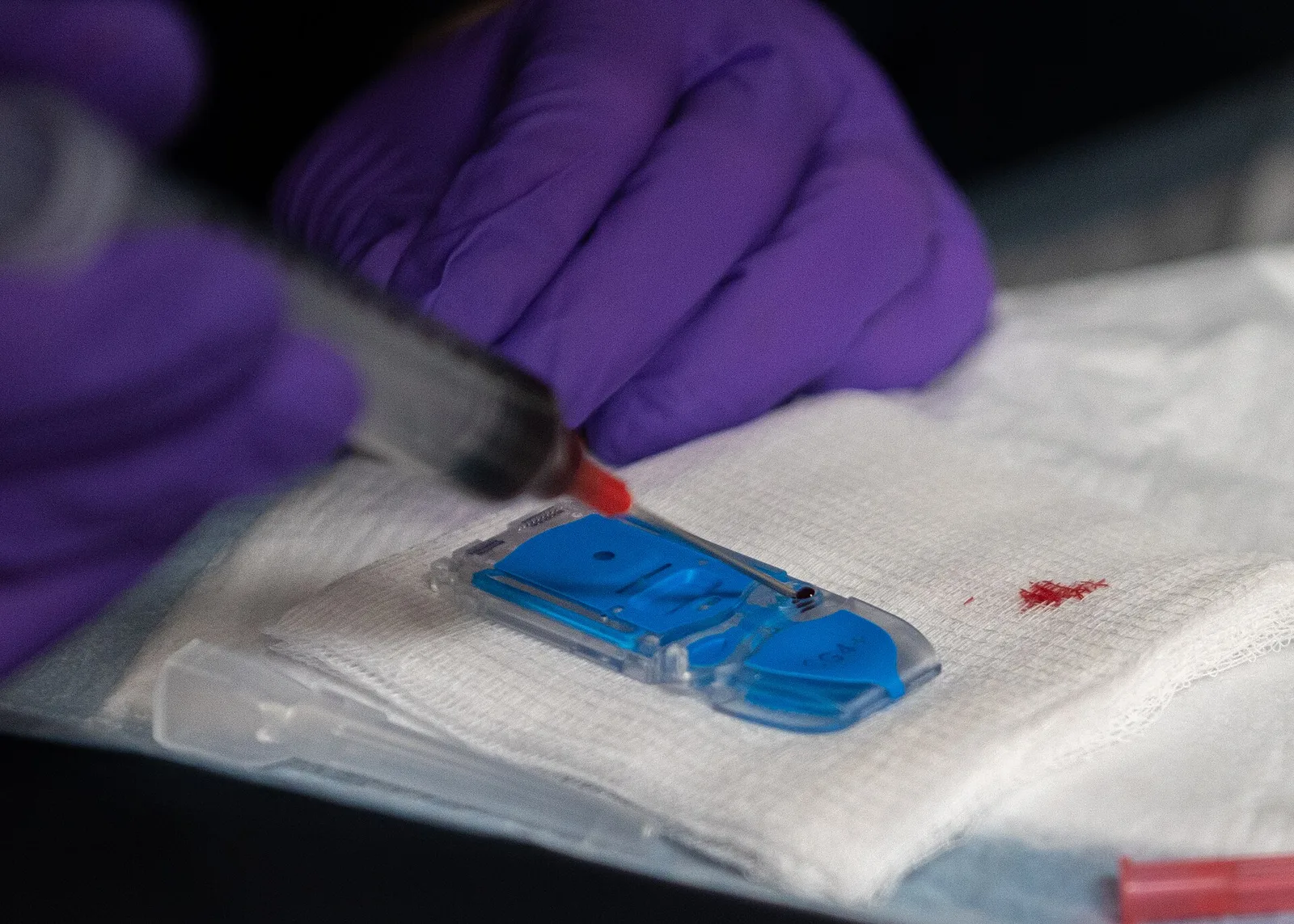
Estimates from the International Diabetes Federation in recent years have placed Egypt among the ten countries with the largest numbers of adults living with diabetes. Millions of Egyptians have the condition, and estimates suggest that roughly one in five adults either has diabetes or is on the threshold of it. Those numbers make diabetes one of the country's biggest public health challenges — yet it is also one of the most preventable and manageable chronic diseases.
Diabetes, simply put, is a chronic elevation of blood sugar caused by a problem with insulin, the hormone produced by the pancreas. Type 1 usually appears in childhood or youth, when the body stops producing insulin altogether, and requires lifelong insulin injections. Type 2 — by far the more common form — develops when the body's cells gradually stop responding to insulin, and it is closely tied to lifestyle, body weight, and genetics.
Why is the disease so widespread in Egypt? Several forces converge: adult obesity rates that national health surveys rank among the highest in the region; a gradual dietary shift toward refined starches, sweetened drinks, and fast food; physical inactivity in an urban life built around long hours of sitting; and a genetic predisposition that makes family history a major risk factor.
The greater danger is that type 2 diabetes can creep in silently for years before it is discovered. Global studies indicate that a large share of people with diabetes do not know they have it, learning of the disease only through a routine test or when the first complication appears. During those silent years, high blood sugar is quietly damaging blood vessels and nerves.
There are early warning signs worth taking seriously: intense and frequent thirst, frequent urination especially at night, persistent unexplained fatigue, blurred vision, wounds that heal slowly, unexplained weight loss, and tingling in the hands or feet. One or more of these signs does not necessarily mean diabetes — but it is reason enough for a simple blood test that takes only minutes.
Neglected or poorly controlled diabetes opens the door to serious complications: retinopathy that can end in blindness, kidney failure, heart and artery disease, peripheral nerve damage, and foot ulcers that in late stages can lead to amputation. The good news is that consistent treatment and regular follow-up reduce these risks dramatically.
Early detection is the first line of defense, and screening is simple and widely available: a fasting blood sugar test or an HbA1c test, which reflects average blood sugar over roughly three months. Doctors advise periodic screening for everyone over forty, and for younger people who are overweight, have a family history of the disease, or are women who had gestational diabetes. Egypt's '100 Million Healthy Lives' initiative included diabetes screening in its mass surveys, helping uncover many cases that had gone unnoticed.
Prevention rests on rules that are scientifically solid and practically simple. Landmark studies have shown that losing just five to seven percent of body weight cuts the risk of prediabetes progressing to full diabetes by more than half. Add moderate activity such as brisk walking for half an hour most days of the week, cutting back on sweetened drinks and desserts, and favoring whole grains, vegetables, and the legumes that the traditional Egyptian table has always been rich in.
Those already diagnosed can live long, normal lives on one condition: commitment. That means taking medications on schedule and never stopping them without medical advice, monitoring HbA1c periodically, having annual eye and kidney checks, and inspecting the feet daily for even the smallest wound. Anyone who wishes to fast during Ramadan should consult their doctor beforehand to adjust medication doses and timing — some cases can fast safely, others are advised not to.
What doctors call 'prediabetes' deserves special attention: the stage where blood sugar is above normal but below the diagnostic threshold. It is not a final verdict but a golden opportunity. With changes to diet, movement, and weight, blood sugar can return to normal in many cases and the disease can be avoided entirely.
Ultimately, diabetes is a family matter, not an individual one. When the whole household adopts better habits — a table with more vegetables and legumes and less sugar, family walks instead of sedentary evenings, water instead of soda — everyone's risk falls, and children grow up with a lifestyle that may spare them the disease altogether. Early screening takes minutes, but it can add years to a life.
Related Stories
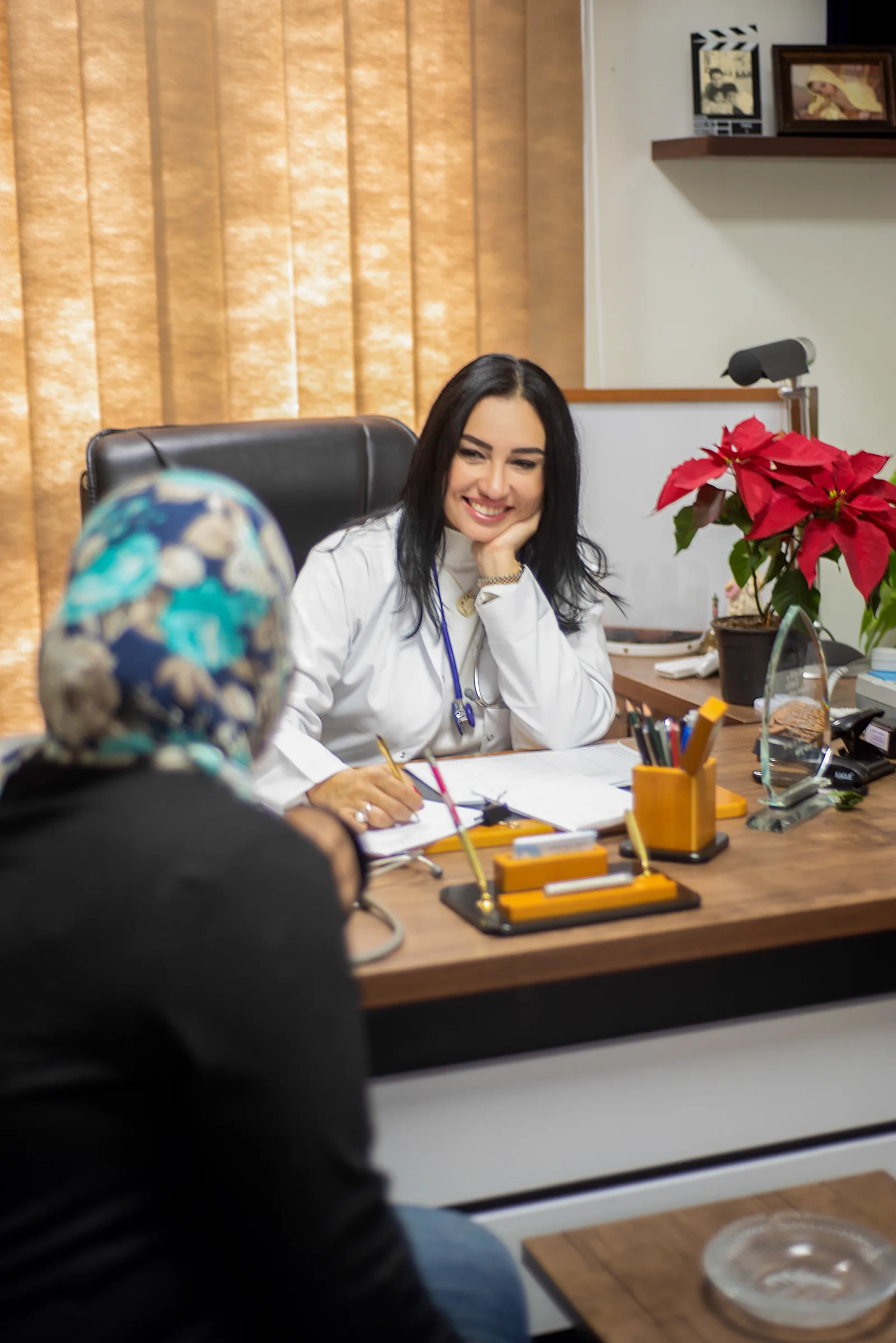
Pink October: a free check-up at the nearest health unit – why early detection is changing the fate of Egyptian women
“Nothing hurts” is no reason to put it off. Since July 2019, Egypt's health units have opened their doors free of charge to every woman aged 18 and over, and by June 2026 the share of cases caught at a late stage had fallen from 60% to 19.5%. We explain what happens at the unit, which signs call for a visit, and why fear and stigma keep delaying this check-up.
October 2, 2026 · 7 min read
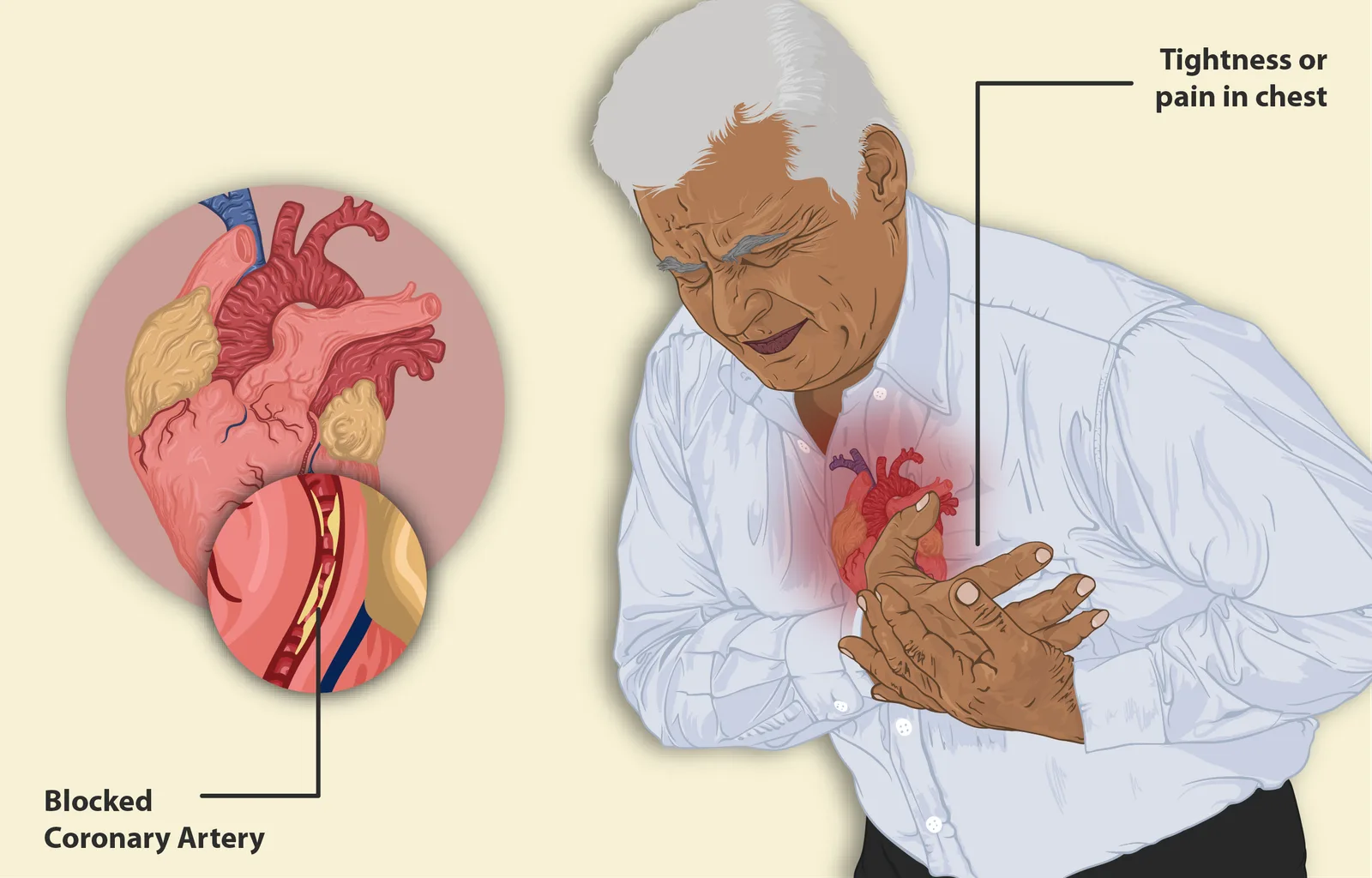
On World Heart Day: How to Spot Angina and a Heart Attack in Time, and What to Do First
A man in his fifties puts the heaviness in his chest down to "heartburn" from a heavy dinner and postpones the hospital until morning. On World Heart Day we explain the difference between angina, a heart attack, cardiac arrest and stroke, the warning signs listed by the World Health Organization, including how they differ in women, and what to do in the first minutes: call 123, which is free, sit down, and do not drive.
September 29, 2026 · 7 min read
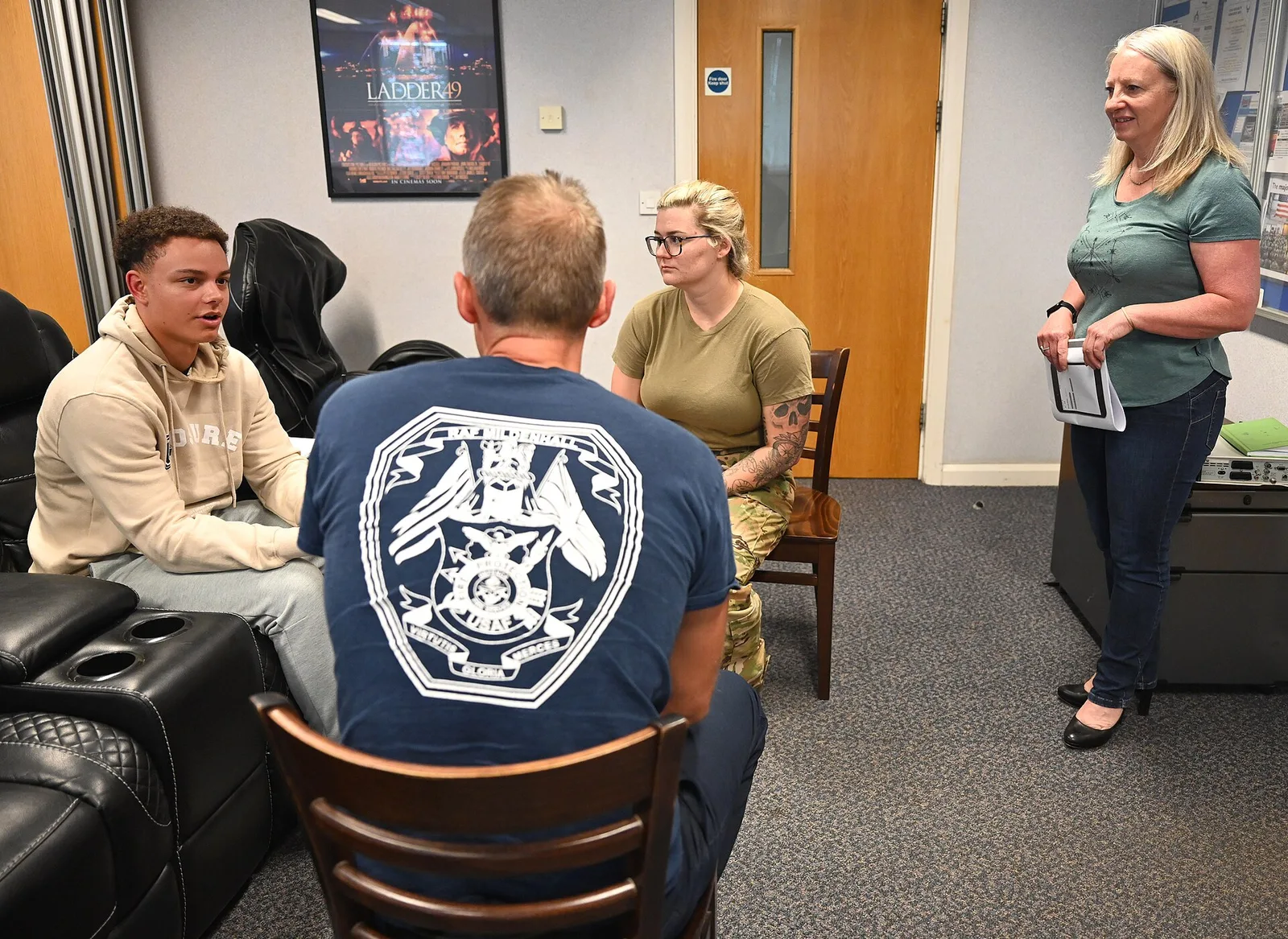
Mental Health Is Not a Luxury: When Does Sadness Become an Illness, and Where Can You Find Help Without Stigma?
Caught between "man up" and "you just need more faith," people living with depression and anxiety wither in silence. A practical guide that separates passing sadness from an illness that requires treatment, explains the difference between a psychiatrist and a psychologist, and maps out the road to help in Egypt — in words that open the door instead of slamming it shut.
August 31, 2026 · 7 min read