How Egypt Beat Hepatitis C: The World's Largest Screening and Cure Campaign
Egypt once had the highest hepatitis C infection rate in the world. Within a few years it became a global public health success story. This is the story of the '100 Million Healthy Lives' campaign — how free testing and treatment reached tens of millions of Egyptians, earning the country a first-of-its-kind recognition from the World Health Organization.
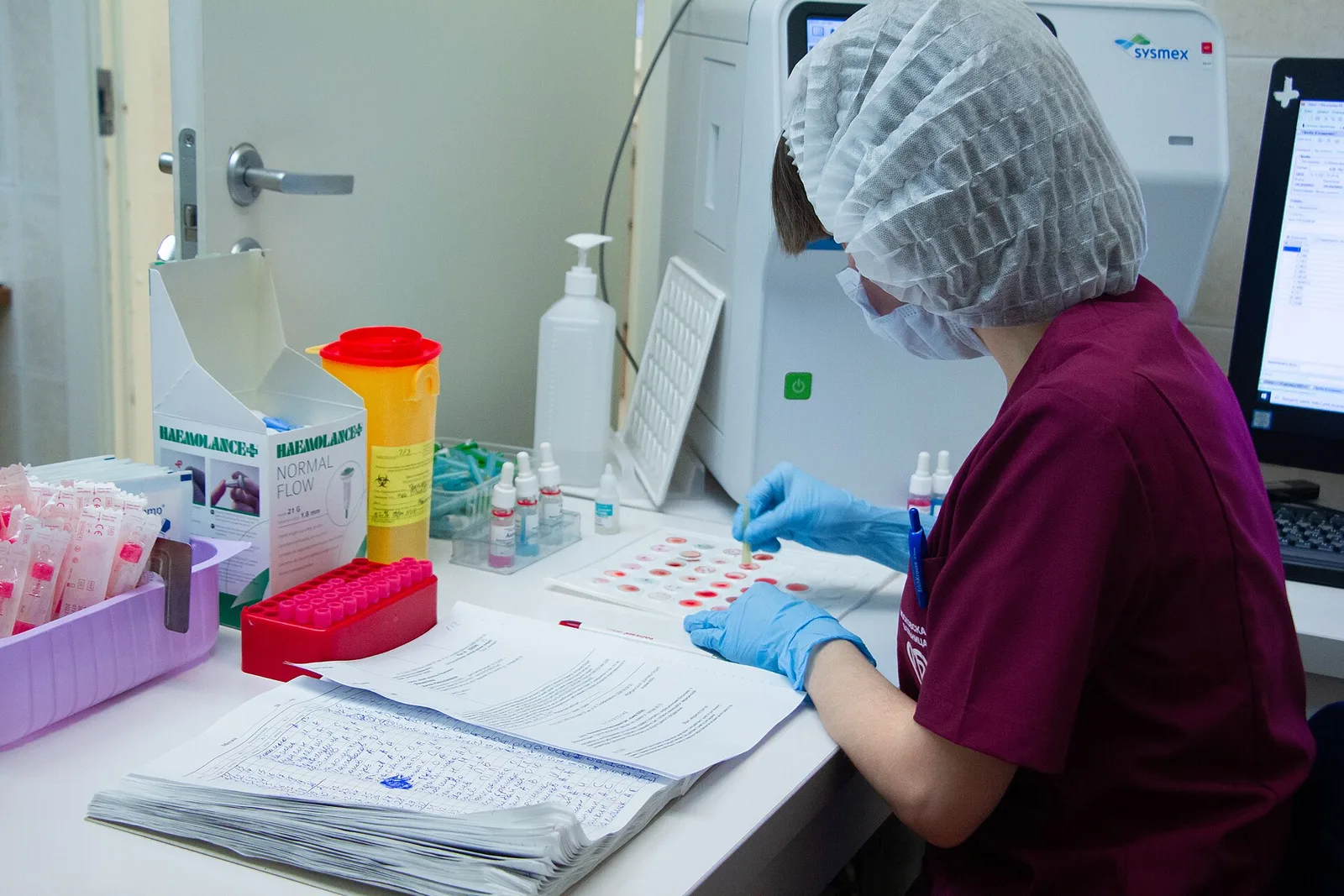
Not so long ago, Egypt carried an unenviable title: the highest prevalence of hepatitis C virus in the world. Today, the Egyptian experience is taught in international public health circles as a model of what political will can achieve when it meets modern science and good organization. It is a rare story of transformation — from a crushing national burden to an achievement certified by the World Health Organization.
The roots of the tragedy go back to the mid-twentieth century, when the state waged mass campaigns to treat schistosomiasis, the parasitic disease that had exhausted Egypt's farmers for centuries. Injections in those days were given with glass syringes refilled and reused many times without adequate sterilization — in an era when hepatitis C had not even been discovered. And so, with the intention of curing one disease, another silent virus passed between hundreds of thousands of bodies, and kept spreading for decades through blood transfusions and unsterilized medical instruments.
When accurate testing became available, the scale of the catastrophe emerged: national health surveys around a decade ago indicated that roughly one in ten Egyptian adults carried antibodies to the virus, meaning they had been exposed to infection at some point. Chronic infection was slowly scarring livers, until liver disease and its complications — cirrhosis and liver cancer — became a leading cause of death and suffering in the country.
For many years the available treatment, interferon injections, was an ordeal: months of weekly injections with harsh, flu-like side effects, and modest cure rates that at best reached about half of patients. Many preferred to live with the disease rather than endure the journey, and the virus kept spreading and taking its toll.
Then came the scientific turning point: direct-acting antivirals, led by sofosbuvir, which reached the world market in the middle of the last decade. Pills taken by mouth for a matter of weeks, with cure rates above ninety-five percent and limited side effects. The only problem was the exorbitant international price. Egypt negotiated an unprecedented discount, then opened the door for local pharmaceutical companies to produce equivalent generics that brought the cost of a full treatment course down to a small fraction of the global price.
Cheap medicine alone is not enough if patients do not know they are patients. That is where the boldest step came in: the '100 Million Healthy Lives' campaign, launched in the autumn of 2018 with a goal without precedent anywhere — to screen every adult in the country. Testing was free, in health units, hospitals, and mobile points that reached villages, hamlets, and railway stations. By linking results to the national ID number, every positive case could be tracked and routed into a clear treatment pathway.
Within months, tens of millions were screened — around sixty million adults — in what stands as the largest medical screening campaign for a single disease in the history of public health. Nor did the campaign stop at hepatitis C: it also measured blood pressure, blood sugar, and obesity, becoming a comprehensive survey of non-communicable diseases as well.
Anyone confirmed positive moved into a complete, free treatment pathway: confirmatory tests, an assessment of the liver's condition, then a course of direct-acting antivirals. Through this pathway, more than four million Egyptians were treated over the program's years, and the prevalence of active infection fell sharply — a decline without precedent in a country of this population size.
International recognition crowned the journey: in 2023, the World Health Organization awarded Egypt 'gold tier' status on the path to eliminating hepatitis C — the first country in the world to receive it. It means Egypt met strict criteria on diagnosis, treatment, blood safety, and infection control, and that what remains is preserving those gains until the disease is fully declared eliminated as a public health threat.
The battle is not entirely over. Preserving the achievement demands constant vigilance: screening couples before marriage, pregnant women, and blood donors; strict sterilization of medical instruments and of barbering and tattooing tools outside health facilities; and treating any new cases immediately, before they can pass on the infection. Those who developed advanced fibrosis before treatment still need regular liver monitoring even after the virus itself is cured.
The Egyptian experience distills three lessons that have become a global reference: a political decision that made the issue a top national priority, cheap locally produced medicine that broke the global price monopoly, and a simple patient pathway from test to cure with no complications and no cost. Many countries still burdened by the virus now look to replicate those lessons with the support of the World Health Organization.
At the individual level, the message is simple: if you have never been tested, the test is free and available at public health facilities — and if an infection is found, the treatment is a course of pills for a limited number of weeks, with near-complete cure rates. A virus that preyed on Egyptians for nearly a century can now be defeated with a drop of blood and a tablet.
Related Stories
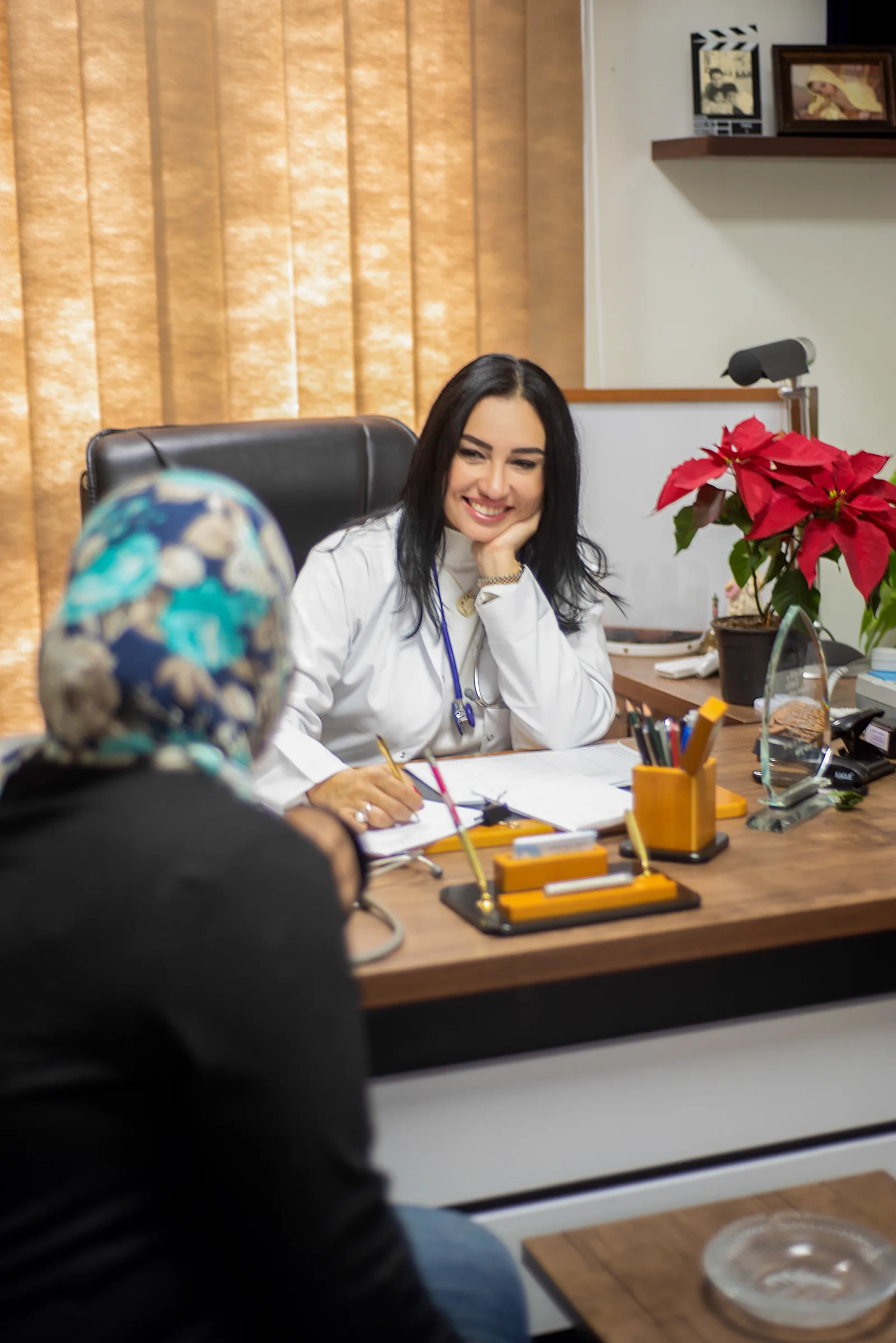
Pink October: a free check-up at the nearest health unit – why early detection is changing the fate of Egyptian women
“Nothing hurts” is no reason to put it off. Since July 2019, Egypt's health units have opened their doors free of charge to every woman aged 18 and over, and by June 2026 the share of cases caught at a late stage had fallen from 60% to 19.5%. We explain what happens at the unit, which signs call for a visit, and why fear and stigma keep delaying this check-up.
October 2, 2026 · 7 min read
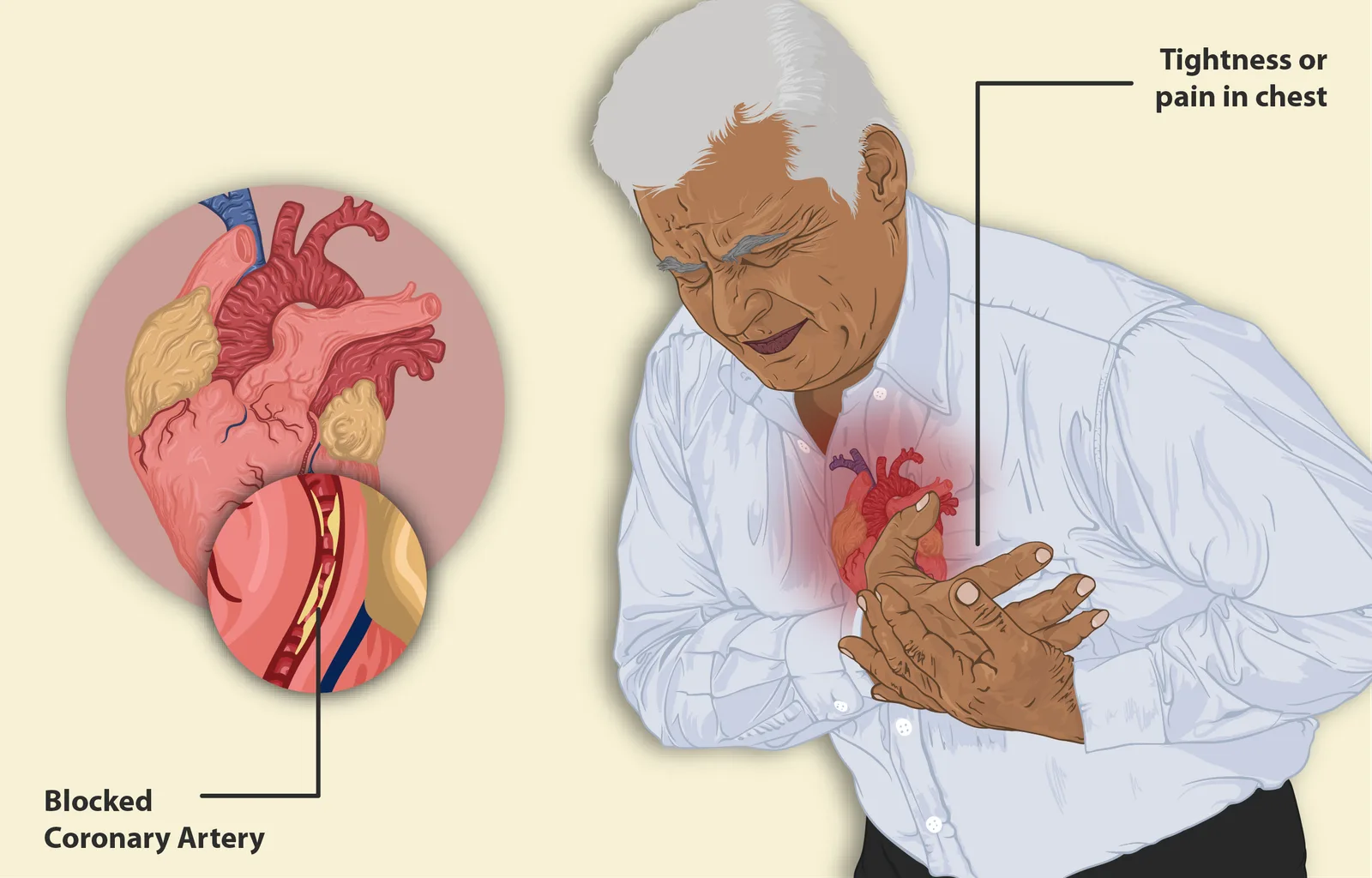
On World Heart Day: How to Spot Angina and a Heart Attack in Time, and What to Do First
A man in his fifties puts the heaviness in his chest down to "heartburn" from a heavy dinner and postpones the hospital until morning. On World Heart Day we explain the difference between angina, a heart attack, cardiac arrest and stroke, the warning signs listed by the World Health Organization, including how they differ in women, and what to do in the first minutes: call 123, which is free, sit down, and do not drive.
September 29, 2026 · 7 min read

Mental Health Is Not a Luxury: When Does Sadness Become an Illness, and Where Can You Find Help Without Stigma?
Caught between "man up" and "you just need more faith," people living with depression and anxiety wither in silence. A practical guide that separates passing sadness from an illness that requires treatment, explains the difference between a psychiatrist and a psychologist, and maps out the road to help in Egypt — in words that open the door instead of slamming it shut.
August 31, 2026 · 7 min read