From Nosseir to Elgendy: A Century of Egypt's Olympic and Paralympic Medals
From El-Sayed Nosseir's gold in 1928 to Ahmed Elgendy's record-breaking title in Paris, and from Fatma Omar to Sherif Osman on the Paralympic powerlifting platform: a century of Egyptian Olympic and Paralympic medals, won above all through strength.
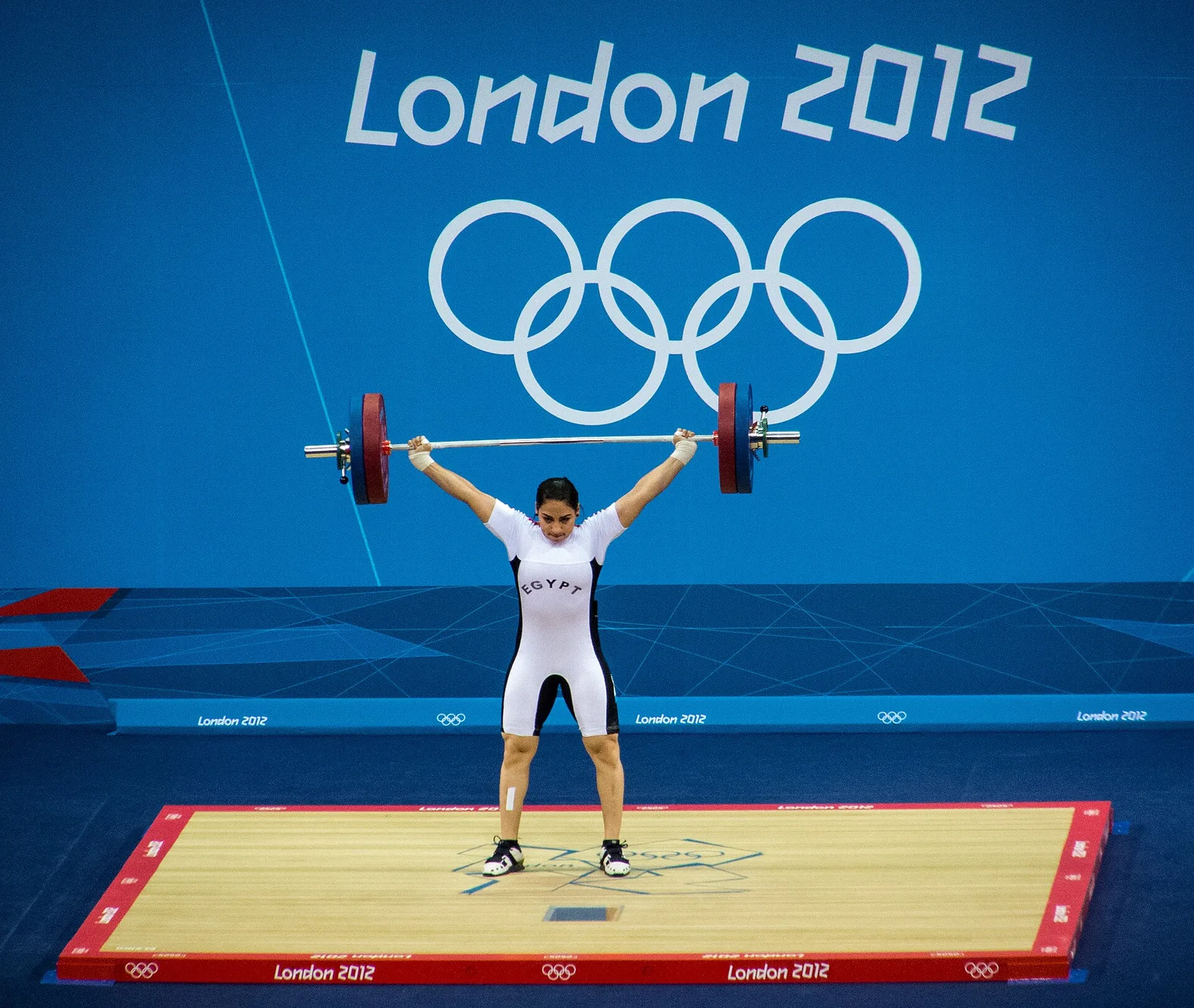
Egypt's Olympic story begins earlier than most. The country was the first from the Arab world to appear at the Games, debuting in Stockholm in 1912, and it has since built one of Africa's largest medal collections. The pattern of that collection is unmistakable: Egypt wins with strength. Weightlifting and wrestling account for most of its Olympic medals, and at the Paralympic Games the national speciality is powerlifting. From the barbells of Amsterdam in 1928 to a modern pentathlon gold in Paris, the medals trace a full century of Egyptian sport.
The breakthrough came in Amsterdam in 1928. Weightlifter El-Sayed Nosseir won gold in the light-heavyweight class, and wrestler Ibrahim Moustafa took a Greco-Roman title — two champions in a single Games, at a time when Olympic podiums rarely saw anyone from Africa or the Arab world. The diver Farid Simaika added silver and bronze from the boards. For a country then still under British occupation, the medals were read at home as something larger than sport: proof of an Egypt that could compete with anyone.
Berlin 1936 produced the performance still spoken of with awe. Middleweight Khadr El-Touni won gold with a total so far ahead of his class that it exceeded what the champion of the heavier category lifted — a feat that made him a legend of the sport and one of the most celebrated weightlifters of his century. Anwar Mesbah shared the lightweight gold, and Egyptian lifters left Berlin with a haul of medals that established the country, for a generation, as a genuine weightlifting superpower.
London 1948 confirmed it. Mahmoud Fayad and Ibrahim Shams both won weightlifting gold, Fayad with a world-record total in the featherweight class, and Attia Hamouda took silver. Between 1928 and 1948, Egypt's lifters and wrestlers gathered a collection of Olympic medals unmatched in Africa or the Middle East. The strongmen were national heroes, their photographs pinned up in every café — and their sports sank roots in Egyptian clubs and back streets that have never been pulled out since.
Then came the drought. Wars, boycotts and lean funding kept Egypt away from some Games and under-prepared for others, and for half a century after London the medal table showed long gaps. The tradition survived in the clubs even when it disappeared from the podium: boys kept wrestling and lifting, federations kept organizing championships, and Egypt kept sending teams. What was missing was the final step onto the podium — until a Greco-Roman wrestler from the Nile Delta supplied it emphatically.
At Athens 2004, Karam Gaber overwhelmed his division to win Greco-Roman wrestling gold — Egypt's first Olympic title since 1948 — and later added a silver at London 2012. Around him the medals began to return: a judo bronze for Hesham Mesbah in Beijing 2008, and in London a fencing silver for Alaa Abouelkassem, the first Olympic fencing medal in Egypt's history and a fitting nod to the sport with which Egypt had entered the Games a century earlier.
Rio 2016 changed the face of the team. Weightlifter Sara Ahmed, then a teenager, became the first Egyptian woman to stand on an Olympic podium, taking bronze; the taekwondo fighter Hedaya Malak added another bronze, and Mohamed Ihab a third in weightlifting. In a delegation once defined by its strongmen, the breakthrough of its young women was the story — and it was no accident, but the product of years of federation and club investment in women's sport across the country.
Tokyo 2020 brought Egypt's richest harvest at a single Games: six medals. Feryal Abdelaziz won the karate heavyweight final to become the first Egyptian woman crowned Olympic champion; Ahmed Elgendy took silver in modern pentathlon; and bronzes came in karate, taekwondo and wrestling. The haul arrived despite a painful absence: Egypt's weightlifters, the historic core of the team, were barred from Tokyo after doping violations in the federation — a hard reminder that tradition alone guarantees nothing.
In Paris in 2024, Ahmed Elgendy finished the climb, winning modern pentathlon gold with a record points total — the first Olympic title in the sport for Egypt and for Africa. Sara Ahmed Samir, the pioneer of Rio, returned to the podium in weightlifting, and Egypt's wrestlers kept their old flame alight with another medal. A century after Amsterdam, the team's medals still spoke the ancient dialect of strength — now joined by newer languages Egypt had learned along the way.
The Paralympic chapter is, if anything, prouder. Egypt has turned para powerlifting into a national institution, supplying champions Games after Games. Fatma Omar collected Paralympic golds across successive editions and became one of the sport's defining figures, while Sherif Osman lifted his way to Paralympic titles and world records of his own. Behind them stands a deep national base of lifters with disabilities — the same strength tradition that began with Nosseir and El-Touni, carried forward on the Paralympic stage.
No Egyptian Paralympian is better known than Ibrahim Hamadtou, the table tennis player who lost both arms in a childhood accident and taught himself to serve with his foot and hold the racket in his mouth. His appearances at successive Paralympic Games made him a global emblem of the movement itself, his motto 'nothing is impossible' quoted far beyond sport. Alongside him, Egypt's sitting volleyball teams have long ranked among the leading squads outside the sport's traditional giants, a fixture of Paralympic tournaments.
Read together, the Olympic and Paralympic ledgers teach the same lessons. Egypt wins where tradition, clubs and federations pull in one direction — strength sports above all — and it breaks new ground when it invests early, as it did in women's sport and modern pentathlon. The next chapters are already sketched: young lifters, wrestlers, fencers and pentathletes competing worldwide, and a Paralympic programme that keeps producing champions. A century after its first golds, Egypt's medal story remains what it was in 1928 — unfinished, and still being written by hand.
Related Stories
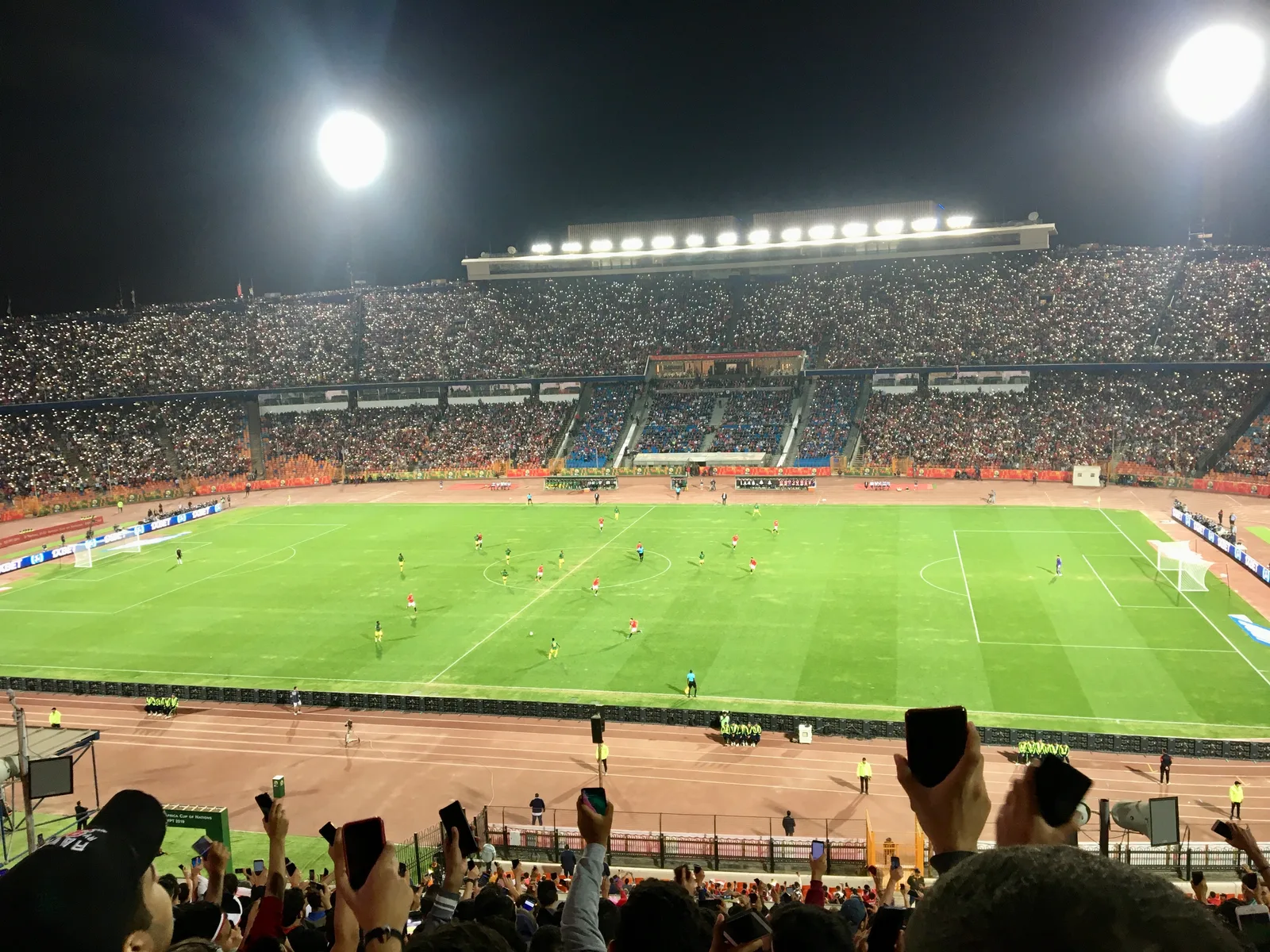
More Than a Match: A Century of the Al Ahly–Zamalek 'Summit' as Egyptian Homes Live It
From the first meeting in 1917 to the 2020 African final, Al Ahly against Zamalek has never been just ninety minutes. It is a date that splits a single living room into red and white and then brings it back together. A calm look at how the two clubs came to be, at their records, and at the rituals of derby day in Egyptian homes.
September 25, 2026 · 6 min read
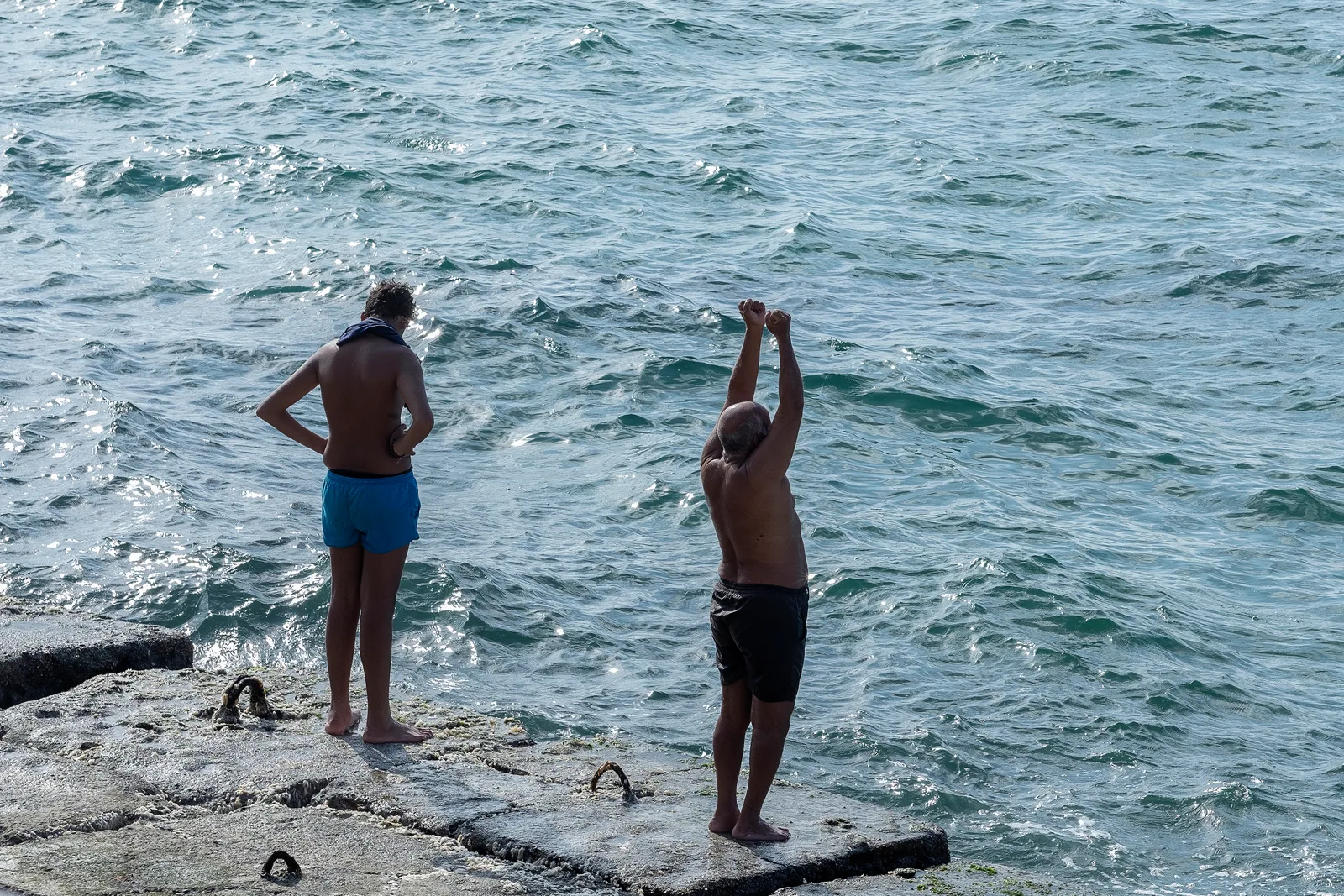
'Crocodile of the Nile': Abdel Latif Abou Heif, the Alexandrian who became Swimmer of the Century
In the summer of 1963 a heavily built man from Alexandria swam sixty miles through the cold water of Lake Michigan over nearly thirty-five hours, with Americans following him from the boats. This is the story of Abdel Latif Abou Heif, three-time world champion and 'Marathon Swimmer of the Century' by the verdict of the International Swimming Hall of Fame, a man whose street name many people know without knowing his story.
September 18, 2026 · 8 min read
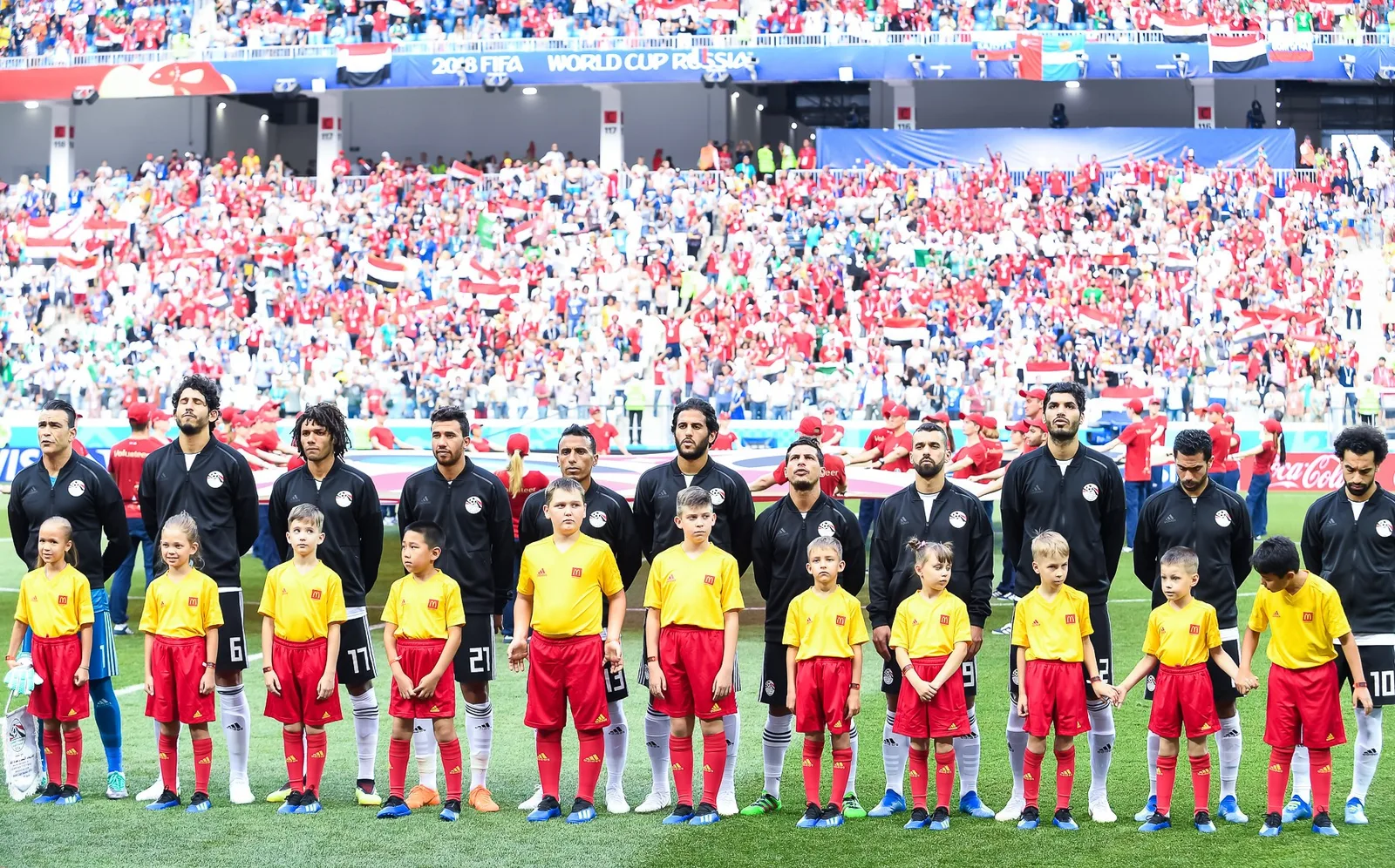
From the Steamship Helwan to the Round of 16: Ninety Years of Egypt's World Cup Journey
Only four appearances in nine decades: a sea voyage to Naples in 1934, the summer of Italia '90, the disappointment of Russia 2018, and then the summer of 2026, when Egypt got past the group stage for the first time in its history. A calm reading of what changed each time, away from the heat of the moment, together with a correction of the 1934 scoreline that foreign sources still get wrong to this day.
September 9, 2026 · 7 min read