Egypt's Senate Explained: Composition, Powers and Limits
Three hundred members, a third of them appointed, and an advisory mandate covering the constitution, treaties and draft laws. After the second chamber's return under the 2019 constitutional amendments, here is how the Senate is formed, what it can and cannot do, and where it sits in Egypt's lawmaking kitchen.

Bicameralism returned to Egyptian parliamentary life with the constitutional amendments approved by referendum in 2019, which provided for a Senate alongside the House of Representatives; its first elections were held in the summer of 2020. Egypt thereby regained a second chamber that had been absent since the Shura Council was abolished by the 2014 constitution — though with a composition and powers redrawn from scratch.
The Senate consists of three hundred members divided into thirds: one hundred elected on an individual basis, one hundred through closed party lists, and one hundred appointed by the president of the republic. Membership runs for five years from the chamber's first sitting. This blend of election and appointment continues a tradition entrenched in Egypt's second chambers since the 1920s.
A candidate or appointee must be an Egyptian enjoying civil and political rights, must hold a university degree or its equivalent, and must be at least thirty-five years old on the day candidacy opens, as detailed in the Senate's governing law. The rules also guarantee women no less than one tenth of the total seats.
The chamber's mandate is essentially consultative. It is charged with studying and proposing whatever it deems capable of widening democracy and supporting social peace and the basic values of society, and its opinion is taken on proposed constitutional amendments, the general plan for social and economic development, treaties of peace and alliance and matters touching sovereign rights, and draft laws referred to it by the president or the House of Representatives.
The limits are equally clear. The Senate neither grants nor withdraws confidence in the government, does not approve the state budget, and does not have the final word in legislation: the power to pass laws belongs to the House of Representatives alone, while the senators contribute opinion and study that enrich the texts before they are settled.
Internally, the Senate works much like its counterpart: plenary sessions led by a speaker and two deputies elected at the start of each legislative term, specialised committees that study referred files and prepare reports, and a long annual session whose details are governed by the chamber's internal regulations.
Clear rules of separation govern the relationship between the two chambers. No one may hold membership of both the Senate and the House at once, and the Senate's opinions and reports are transmitted to the body that requested them to weigh as it sees fit — keeping the chamber's role an institutional tributary of study and review rather than a rival power.
Elections are held in large constituencies for the closed lists, where the list winning an absolute majority of valid votes takes the seats, and in individual constituencies where the contest may go to a run-off between the front-runners if no candidate wins outright in the first round — all under the supervision of the National Elections Authority.
The chamber belongs to a venerable parliamentary family tree. It is heir to the Senate created by the 1923 constitution, which stood until the July revolution, and then to the Shura Council introduced by the 1980 amendments and abolished in 2014, before the 2019 amendments restored the second chamber under its historic old name.
The Senate's existence is not without debate. Supporters see a chamber of expertise and deliberation that allows legislation to be reviewed away from the pressure of daily politics and draws in talents who might never contest a general election; critics question the value of an advisory chamber whose opinion binds no one, and its cost to the public purse — a familiar argument in bicameral systems the world over.
Wherever one stands in that debate, following the Senate's work — from its committee discussions to its reports on economic and social questions — offers a useful window onto the early stages of Egypt's lawmaking kitchen, before texts reach the hall of final decision in the House of Representatives.
Related Stories
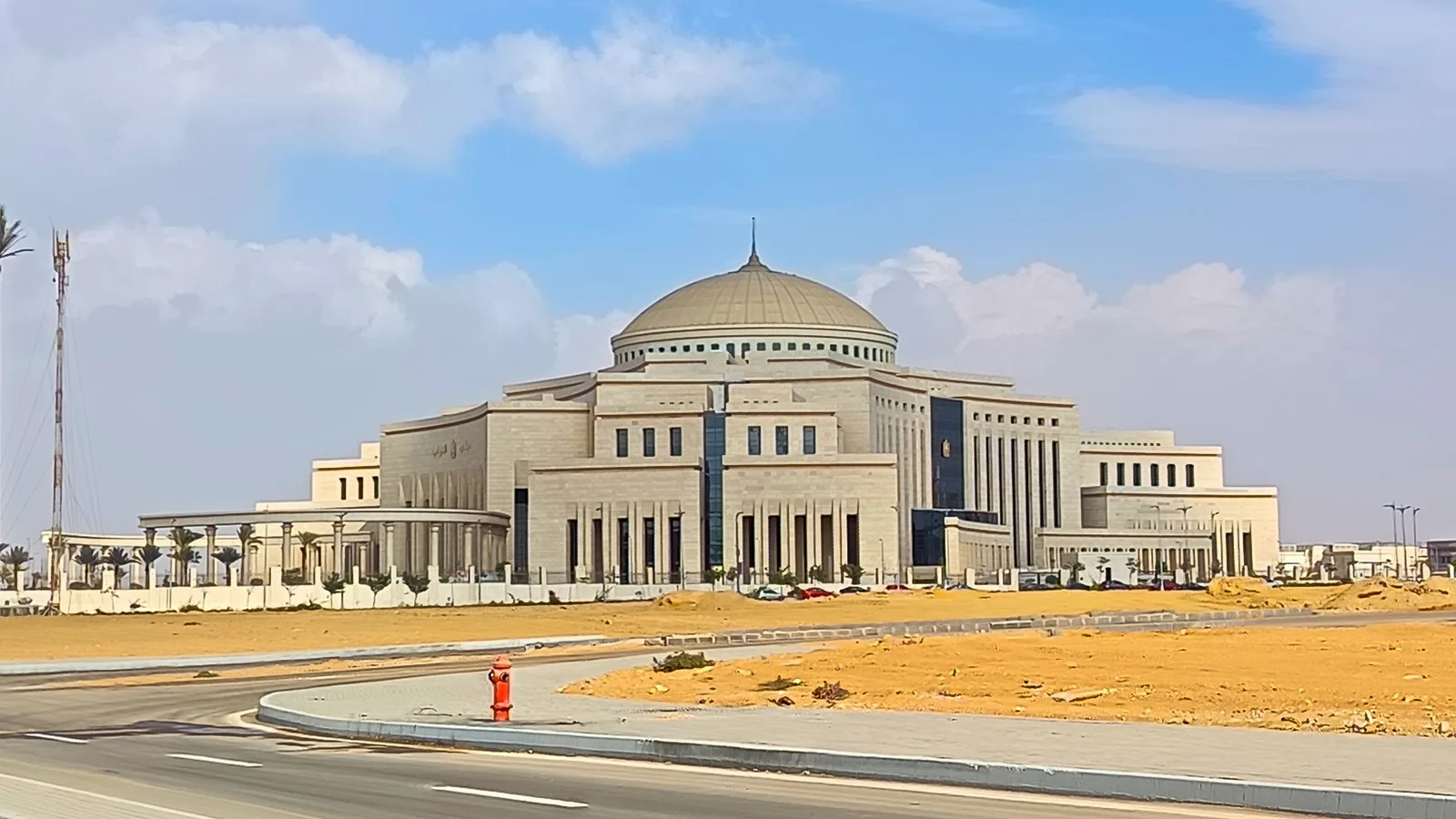
Parliament's Eye on the Government: From a Briefing Request to a Withdrawal of Confidence — The Oversight Toolkit as the Constitution Drew It
From a question put to a minister to an interpellation that can bring down a government: a practical tour of parliament's oversight toolkit as drawn by the 2014 Constitution and the 2019 amendments — what the House of Representatives can do that the Senate cannot, and how to follow it all for yourself.
September 6, 2026 · 7 min read

Egypt's Senate in 2026: No Election This Year — What Voters Need to Know
No Senate election is scheduled in Egypt for 2026: the current chamber was elected in August 2025 for a five-year term, with the next vote due in 2030. A neutral guide to seats, voter eligibility, polling stations, and results.
August 20, 2026 · 7 min read
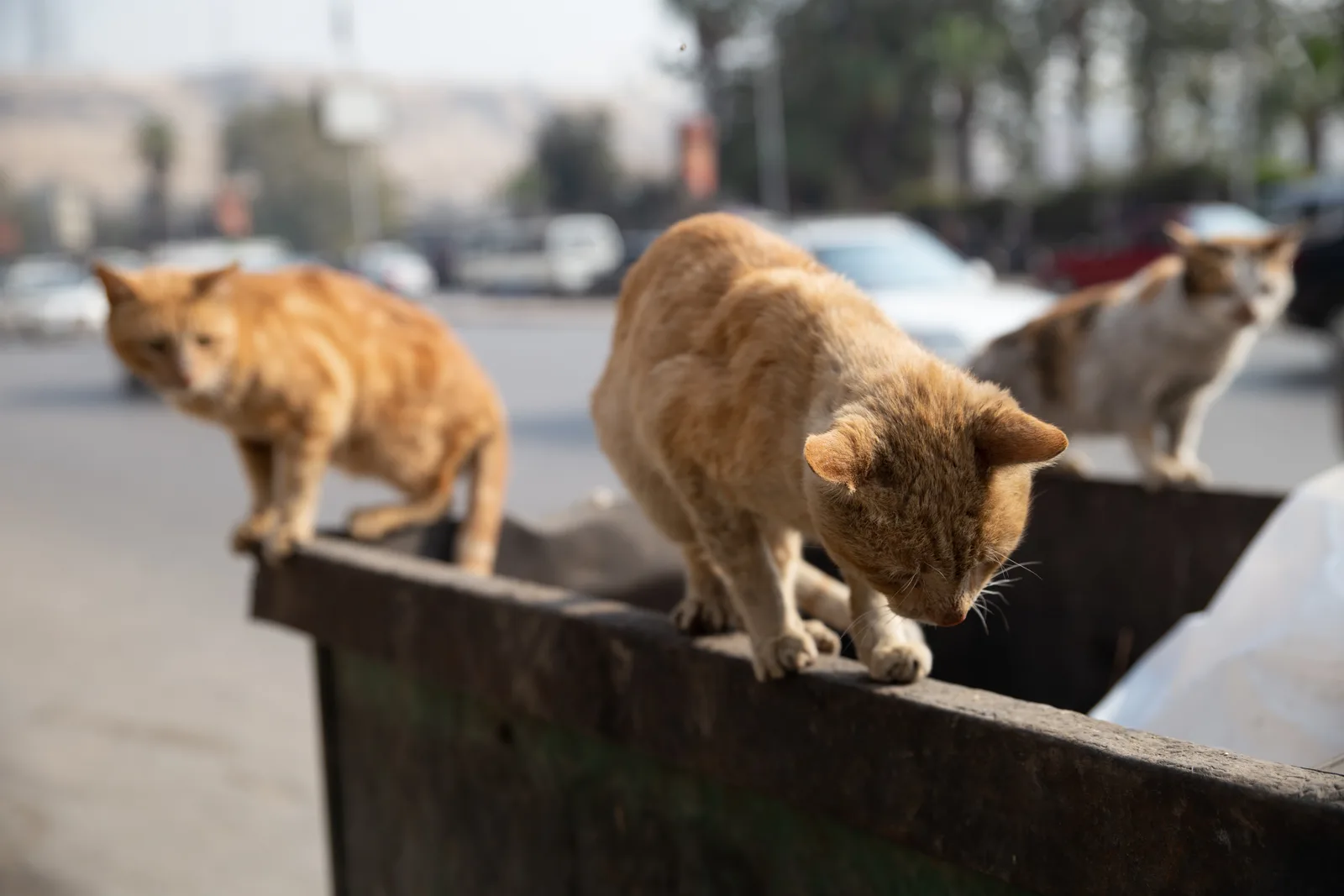
Keda Ghalat (That's Just Wrong): Harming an Animal Has Been a Crime Under Egypt's Penal Code Since 1937
A neighbour sets out poisoned bowls beside the school wall; a cart driver beats his donkey across the face to make it haul a load beyond its strength. Many assume that "just an animal" means no law protects it. In fact, Articles 355, 356 and 357 of the Penal Code punish killing, poisoning and harming animals with penalties that go as far as prison. On the eve of World Animal Day, we explain what the law says and what the right thing to do is.
October 3, 2026 · 6 min read