How Egypt Built a Squash Dynasty That Rules the World
For years on end, Egyptian men and women have monopolised the top of world squash, turning major finals into all-Egyptian affairs. This is the story of a complete system — clubs, coaches, families and a glass court before the pyramids — behind one of the rarest dominances in modern sport.
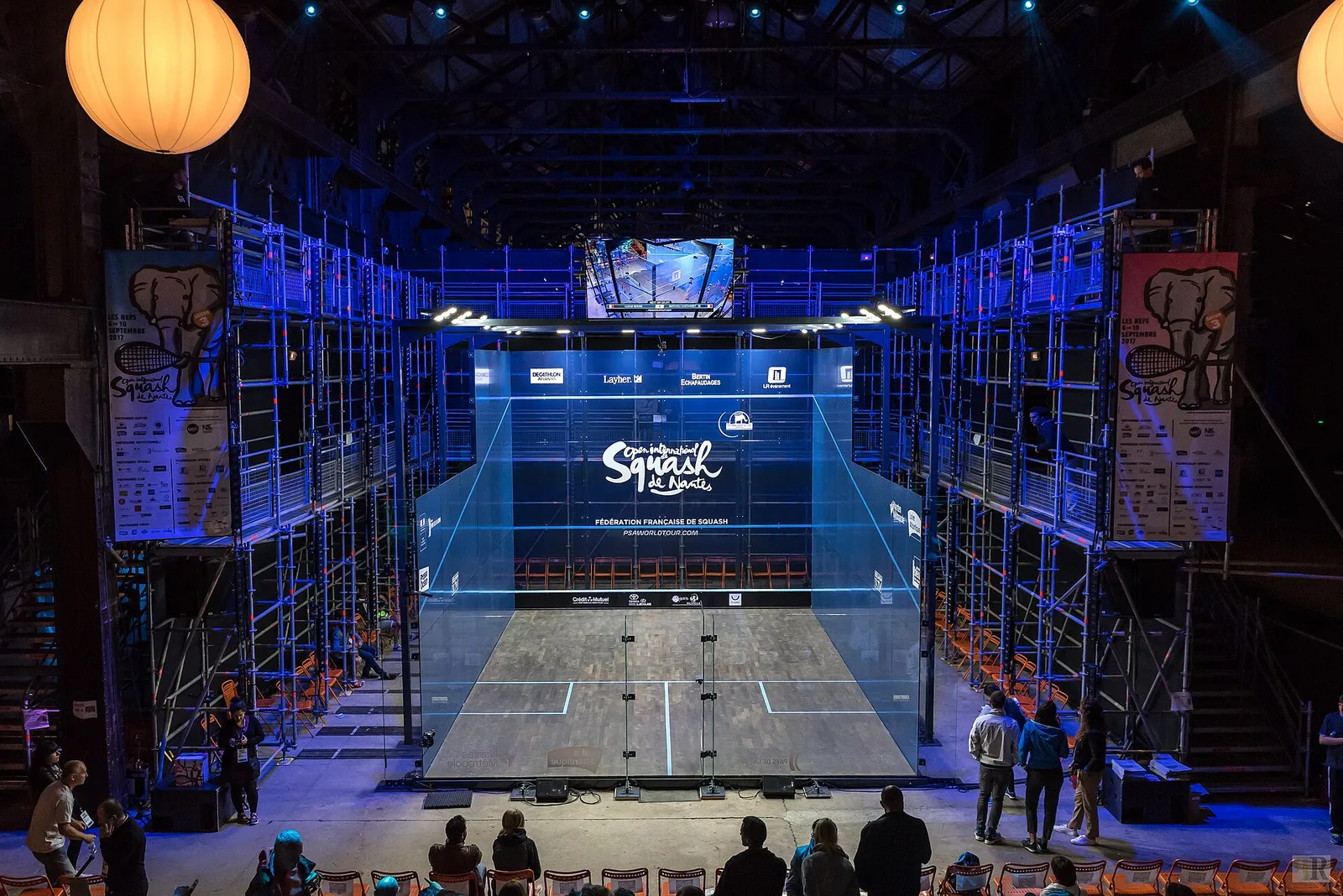
In most sports, nations compete for titles. In squash, the question for many years has been different: which Egyptian will lift the trophy this time? For roughly a decade and a half, Egyptian men and women have occupied most of the top-ten places in the world rankings simultaneously, and all-Egyptian finals have become routine at the biggest tournaments — a spectacle that international sports media never tire of marvelling at.
This dominance did not come from nowhere. The game's roots in Egypt reach back to the first half of the twentieth century, when squash courts spread through the great social sporting clubs of Cairo and Alexandria. Egyptian champions made an early international mark in the era before the modern professional tour, before the spotlight dimmed for decades — only to return brighter than ever.
Many date the modern spark to the mid-1990s, when the Al-Ahram International tournament was staged on an illuminated glass court erected at the foot of the pyramids of Giza, and the young star Ahmed Barada reached a world championship final and climbed to No. 2 in the world. Those televised images — a small ball flying before the oldest wonder of the world — fired the imagination of a whole generation of Egyptian club children and persuaded their parents that the game could be a road to glory.
Then came the explosion of the new millennium. Amr Shabana collected four world titles in its first decade. He was followed by Ramy Ashour — a talent many critics have called the most creative in the history of the game — with three world titles despite recurring injuries. The champions kept coming: Mohamed ElShorbagy, Karim Abdel Gawad, Ali Farag and Tarek Momen all stood on the world championship podium or at the top of the rankings.
The women were never a shadow of the men but full partners in the empire. Raneem El Welily became the first Egyptian and Arab woman to top the world rankings; Nour El Sherbini has won the world championship many times after first taking it at a record young age; and Nouran Gohar, Hania El Hammamy and their generation have carried on the monopoly, until the biggest women's matches, too, became largely internal Egyptian contests.
Behind the shining names stands an entire system. The big clubs of Cairo and Giza — Heliopolis, Gezira, Wadi Degla and others — run junior programmes that take in children from the age of six or seven, offering abundant courts and full-time coaches, many of them former champions. Middle-class Egyptian families invest in the game in earnest: daily training after school, early travel to tournaments, and siblings inheriting the racquet generation after generation.
The system's fruits show extremely early. Egyptian juniors have long swept the world's premier age-group events, above all the British Junior Open, the historic benchmark of youth squash — so that by the time an Egyptian player turns professional, beating peers from every continent has been a habit since childhood.
The technical signature of the Egyptian school is plain to any follower: a bold attacking style built on wrist flexibility, sudden drop shots and quick finishing of points, in contrast to the more patient, attritional European and Asian schools. That blend of skill and audacity has made Egyptian matches compelling viewing, which in turn has helped market the sport worldwide.
Egypt continues to deploy its unique visual assets. In recent years the glass courts have returned to the foot of the pyramids to host major championships broadcast to the world, joined by seaside courts overlooking the Red Sea at El Gouna — cementing in the global imagination the pairing of the game with Egypt's most beautiful backdrops.
One historic frustration is finally being resolved. Squash's absence from the Olympic programme denied Egypt's champions the most famous podium in sport for decades, until the game was at last added to the programme of the Los Angeles 2028 Games. When the Olympic curtain rises on squash for the first time, Egyptians will enter as the greatest power in its modern history — and their next generation is already training on the same club courts where the story began.
Related Stories
More Than a Match: A Century of the Al Ahly–Zamalek 'Summit' as Egyptian Homes Live It
From the first meeting in 1917 to the 2020 African final, Al Ahly against Zamalek has never been just ninety minutes. It is a date that splits a single living room into red and white and then brings it back together. A calm look at how the two clubs came to be, at their records, and at the rituals of derby day in Egyptian homes.
September 25, 2026 · 6 min read

'Crocodile of the Nile': Abdel Latif Abou Heif, the Alexandrian who became Swimmer of the Century
In the summer of 1963 a heavily built man from Alexandria swam sixty miles through the cold water of Lake Michigan over nearly thirty-five hours, with Americans following him from the boats. This is the story of Abdel Latif Abou Heif, three-time world champion and 'Marathon Swimmer of the Century' by the verdict of the International Swimming Hall of Fame, a man whose street name many people know without knowing his story.
September 18, 2026 · 8 min read
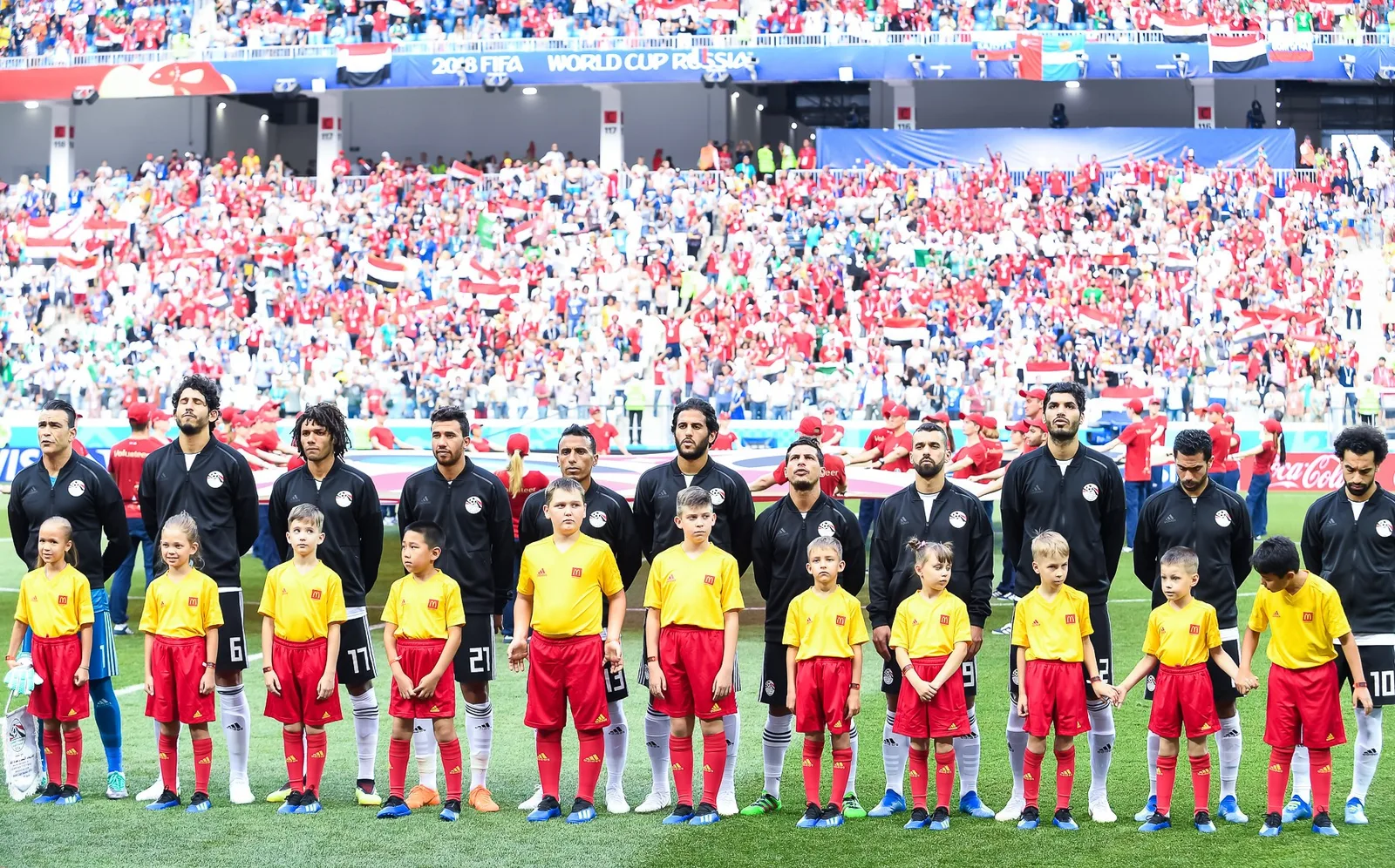
From the Steamship Helwan to the Round of 16: Ninety Years of Egypt's World Cup Journey
Only four appearances in nine decades: a sea voyage to Naples in 1934, the summer of Italia '90, the disappointment of Russia 2018, and then the summer of 2026, when Egypt got past the group stage for the first time in its history. A calm reading of what changed each time, away from the heat of the moment, together with a correction of the 1934 scoreline that foreign sources still get wrong to this day.
September 9, 2026 · 7 min read