From the Steamship Helwan to the Round of 16: Ninety Years of Egypt's World Cup Journey
Only four appearances in nine decades: a sea voyage to Naples in 1934, the summer of Italia '90, the disappointment of Russia 2018, and then the summer of 2026, when Egypt got past the group stage for the first time in its history. A calm reading of what changed each time, away from the heat of the moment, together with a correction of the 1934 scoreline that foreign sources still get wrong to this day.
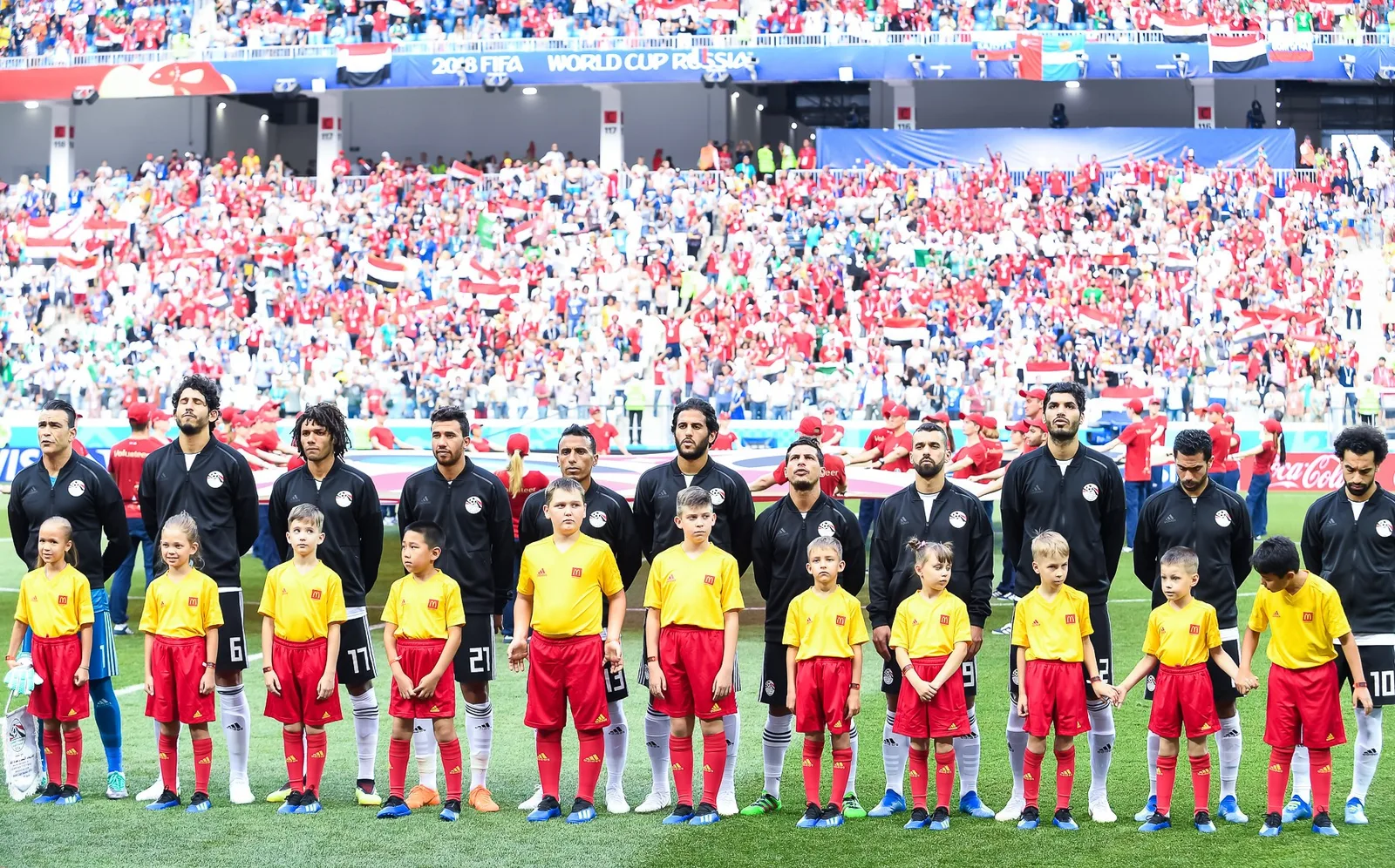
Picture a mother in an Egyptian home in the summer of 1934, standing on the balcony to see off her son as he heads for the port with a small suitcase. He was not travelling for work or for study, but to play football in Italy, in a tournament called the World Cup that few people in the hara, the neighbourhood alley, had ever heard of. The documented part of the story is four days aboard a steamship named the Helwan, as the American sports network ESPN recounted many decades later, drawing on the testimony of goalkeeper Mustafa Kamel Mansour. Four days at sea, then the city of Naples, then Hungary, one of the strongest sides in Europe at the time.
Egypt had not arrived there by chance. In March and April of that year the national team played a two-legged qualifier against the team of Palestine under the British Mandate, winning 7-1 in Cairo and then 4-1 away. That made Egypt the first team from Africa, and from the entire Middle East, to reach the World Cup finals, long decades before the rest of the continent found its way to the tournament.
On 27 May 1934, Egypt faced Hungary in Naples. In those days the tournament began straight away with the round of 16: a single match that sent the loser home and kept the winner in. The Hungarians went two goals up, and then came the moment that would be retold in Egyptian homes for decades: Abdulrahman Fawzi, the star of Al-Masry of Port Said who had moved to Zamalek that same year, scored twice in the space of a few minutes to level the score before half-time. He thereby became the first African player to score in the history of the World Cup. The match ended in a 4-2 defeat for Egypt, and that is the result recorded in the archives of FIFA, the game's world governing body; yet even the very ESPN report from which we take the goalkeeper's testimony wrongly gives the score as 4-3.
The story of 1934 is not complete without the testimony of the goalkeeper Mustafa Kamel Mansour, as the American network reported it: he said a Hungarian forward crashed knees-first into his chest and that an elbow broke his nose, and that Fawzi scored a third goal which the referee disallowed for offside. We have no way of verifying the disallowed goal today; to our knowledge there is no footage and no complete recording of the match. But the testimony is itself part of the tale: a team that travelled by sea, finished its match with a goalkeeper whose nose was broken, and came home having written its name into a line of the game's history that cannot be erased.
Then the door closed for fifty-six years. A world war, a revolution, one war after another, boycotts and withdrawals, and the realities of African football at a time when the whole continent was allotted one place or two. The generation of grandparents who saw Fawzi score in Naples grew old and passed away, and a generation of fathers came along who never once saw Egypt at a World Cup, until Italy came round again in the summer of 1990.
Anyone who remembers that summer remembers the colour television that was not yet in every home, and the neighbours who would gather at the house of whoever owned one. Under coach Mahmoud El-Gohary, Egypt played in a group with the Netherlands, then European champions, England and Ireland. They drew 1-1 with the Netherlands, the goal a penalty converted by Magdi Abdelghani; drew 0-0 with Ireland; and lost 1-0 to England. Three matches, two points, and an exit from the group stage without a heavy defeat. It was not an achievement in footballing terms, but for an entire generation it was the first time they had seen their country's flag at that tournament, and Abdelghani's goal would be replayed on television screens for the next twenty-eight years.
Another twenty-eight years of waiting. Generations of great players came and went without getting there, and a string of African titles could not make up for the absence from the World Cup. Then came Russia 2018, and with it a star the like of which Egypt had never known in Europe, Mohamed Salah, along with an Argentine coach, Héctor Cúper. Hopes were higher than ever before, and in June that year the streets were decked with flags as if the tournament were being held in Cairo.
But the story turned out bitter. Egypt lost to Uruguay to a goal in the dying minutes, then to the hosts Russia 3-1, then to Saudi Arabia 2-1. Salah scored Egypt's only two goals, and the team came home without a single point. Those who lived through those days remember the silence that fell over the ahwa, the neighbourhood coffee houses, after the third match, and a sense that the long wait had been exchanged for a short, sharp disappointment. And yet there was a silent lesson in it: simply getting there was no longer enough.
Then came the summer of 2026, with the tournament expanded to forty-eight teams spread across three countries in North America. Egypt were drawn in Group G alongside Belgium, Iran and New Zealand. The campaign opened on 15 June with a 1-1 draw against Belgium, followed by a 3-1 win over New Zealand on the 21st and a 1-1 draw with Iran on the 26th. Five points from three matches without defeat, and for the first time in its entire history Egypt had come through the group stage of a World Cup.
It was not only getting through that was new, but what came after. In the round of 32, in early July, Egypt faced Australia; the match finished 1-1 after extra time and was settled on penalties, 4-2. Anyone who watched that night knows that the Egyptian street did not sleep, and that the blaring of horns we used to hear after African titles was heard, for the first time, because of a match at a World Cup.
In the round of 16 the opponent was Argentina, the holders. Egypt lost 3-2, and we will confine ourselves here to the documented result without going into the scorers and the minute-by-minute details, since they are not the subject of this reading. What matters is that Egypt, which went out after its first match in 1934 and at the group stage in 1990 and 2018, this time went out in the round of 16 against the world champions by a single goal.
What changed between the four appearances? Almost everything. In 1934 the players travelled four days by sea; in 2026 they played in a tournament streamed moment by moment onto people's phones. In 1934 the tournament had sixteen teams and Egypt stood alone for an entire continent; in 2026 it had forty-eight, and the continent's share had grown to nine direct places plus a tenth through the intercontinental play-off, so that ten African teams took part. Between the two, professionalism changed, the players' physiques changed, and so did a public that no longer settled for merely being there but had come to demand going further.
But one thing has not changed: the way these matches find their way into Egyptian homes. A grandmother tells of a match she never saw but heard about from her father; a father tells his son about Abdelghani's goal, knowing the boy will never understand why a draw with the Netherlands was an event; and a son will one day tell his own children about the penalty shoot-out against Australia. In Egypt the football story is told by word of mouth before it is ever written down, and the reader is entitled to find it written in full, with its dates and its results, far from the clamour of the moment.
And when you sit in the coffee house next week and hear someone say that Egypt 'has never done anything at the World Cup', you can tell him about the steamship Helwan, about a goalkeeper with a broken nose, about a player from Port Said who scored the first African goal in history, and about the more than ninety years it took the country to get past the group stage. Four appearances in nine decades is not many, but it is enough to know that the journey did not begin in the summer of 2026, and that in all likelihood it will not end there either.
Related Stories
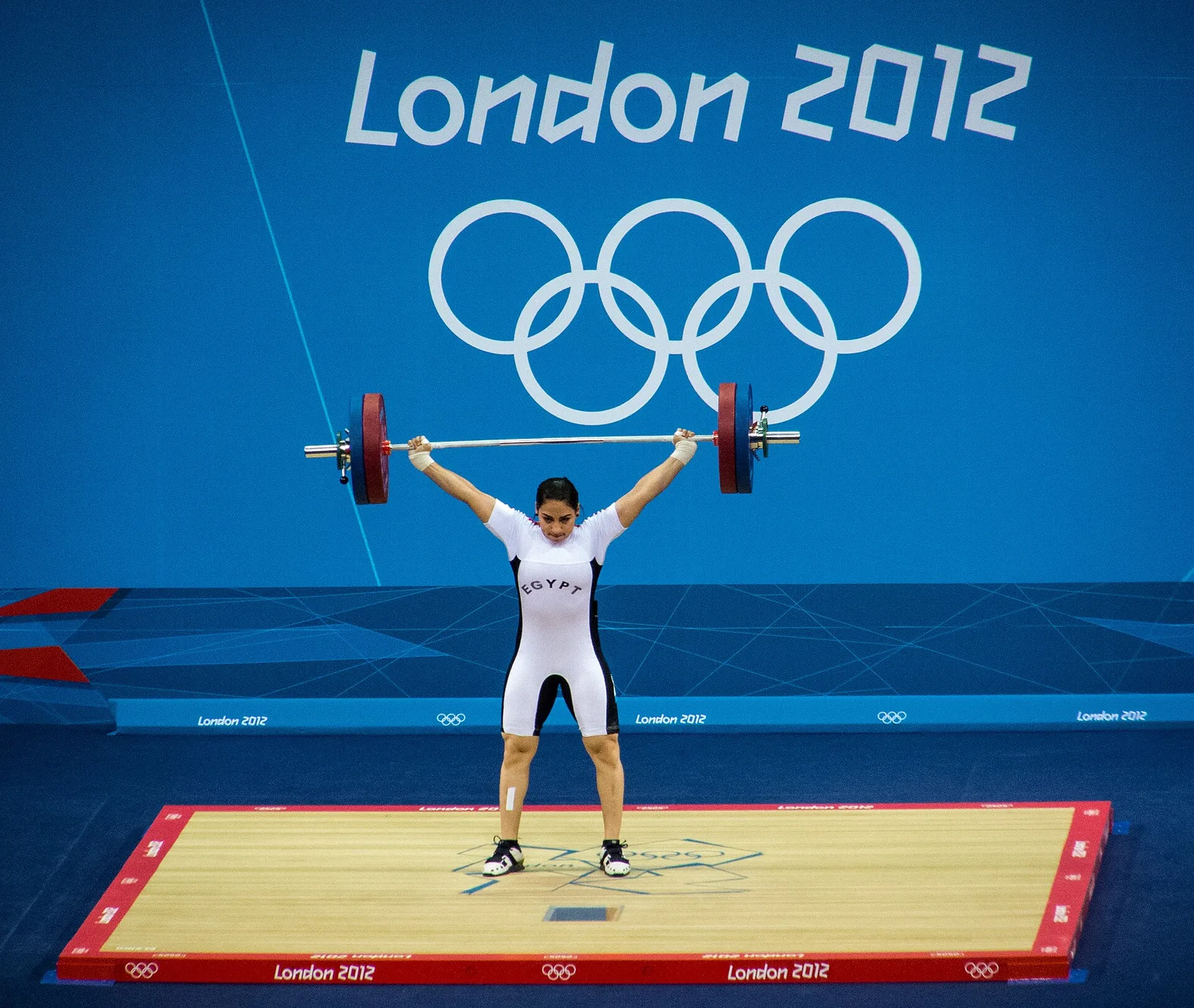
From Nosseir to Elgendy: A Century of Egypt's Olympic and Paralympic Medals
From El-Sayed Nosseir's gold in 1928 to Ahmed Elgendy's record-breaking title in Paris, and from Fatma Omar to Sherif Osman on the Paralympic powerlifting platform: a century of Egyptian Olympic and Paralympic medals, won above all through strength.
August 18, 2026 · 7 min read

Pharaohs of Handball: How Egypt Joined the World's Elite
Handball belongs to Europe — except in Egypt. Two world championships hosted, a shelf of African titles, a youth world crown and fourth place at the Tokyo Olympics: how the Pharaohs built a school-to-club pipeline that keeps them among the elite.
August 18, 2026 · 6 min read
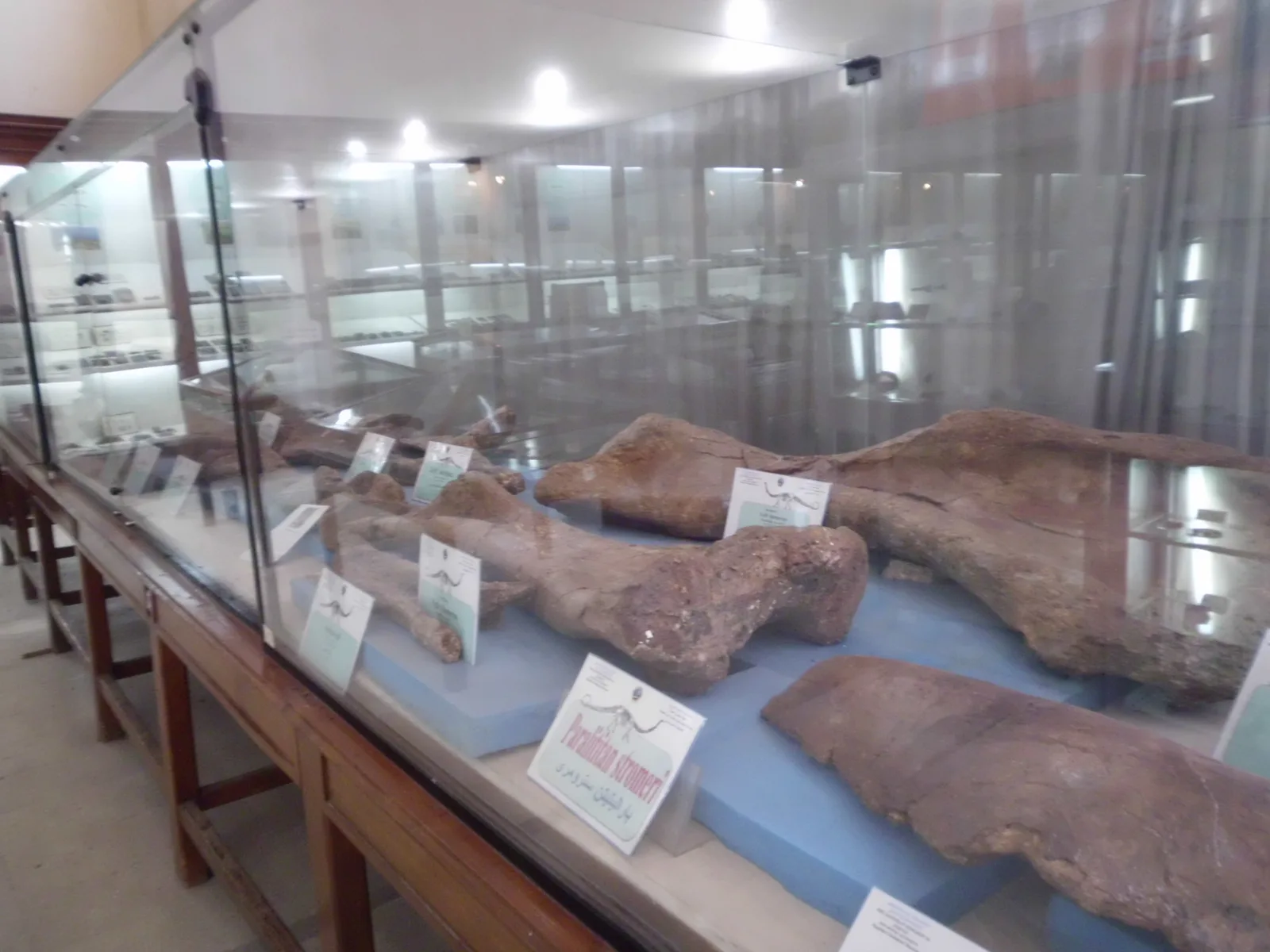
Eighty Million Years Before the Pharaohs: Mansoura's Dinosaur and the Oasis Fossils the War Burned
Egyptian students from Mansoura University pulled from the rocks of Dakhla Oasis the bones of Mansourasaurus, the most complete Late Cretaceous dinosaur skeleton ever found in Africa. A century before them, a German scientist laid the dinosaurs of Bahariya Oasis to rest in Munich, and the war burned them. The story of the Earth's archive in Egypt's desert, and of a science your child can study here.
September 8, 2026 · 7 min read