Fish and Milk: Does Mixing Them Really Cause Poisoning or Vitiligo?
A belief handed down for generations in Egypt, the Arab world and beyond holds that eating fish with milk causes poisoning or vitiligo. What do medicine and nutrition science say about a claim that still governs millions of dinner tables? Verdict: FALSE.
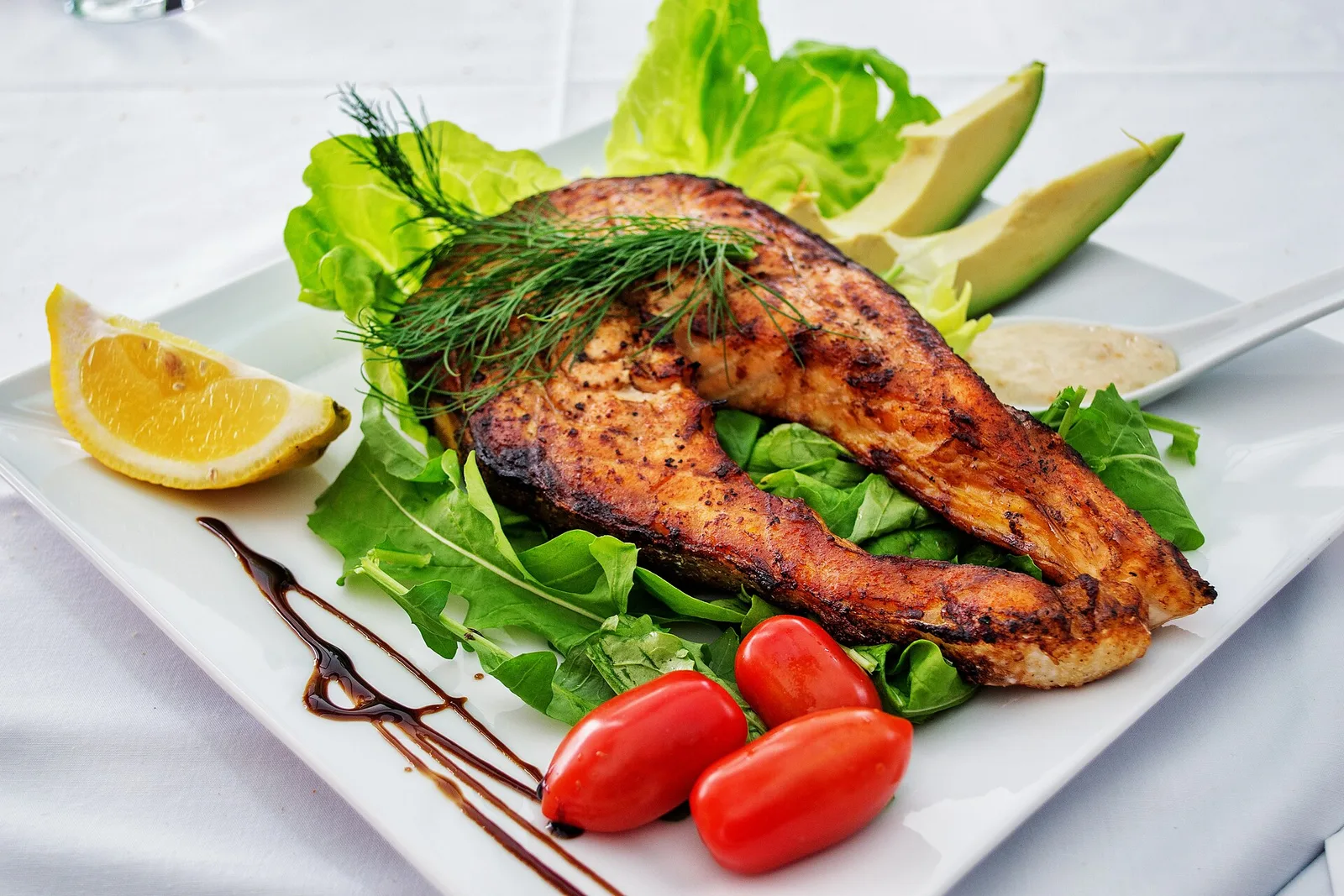
Hardly a fish dinner passes in an Egyptian home without the famous warning: no milk after fish. The belief that combining fish with dairy causes poisoning, violent indigestion or even vitiligo is deeply rooted and passed down through generations — and not only in Egypt. It thrives across many Arab countries, the Indian subcontinent and parts of Eastern Europe, marking it as one of the oldest and most widespread food myths in the world.
Yet scientific scrutiny of the claim runs into a simple fact: nowhere in the medical or nutritional literature is there evidence that combining fish and milk harms a healthy person. Both are high-quality animal proteins, and the human digestive system is built to handle mixed meals — the stomach and intestines secrete enzymes that break down proteins, fats and starches together regardless of their source. Medicine knows of no mechanism by which this particular pairing could turn toxic.
The practical evidence sits on the world's tables every day. French cuisine has cooked fish in cream and butter sauces for centuries; American chowder is built on fish or shellfish simmered in milk; Italian cooking pairs tuna with cheese; sushi restaurants serve rolls with cream cheese; and traditional Egyptian and Levantine dishes combine seafood with yogurt-based tahini sauces. If the combination were poisonous, hospitals from Paris to Tokyo would overflow with its victims. They never have.
The most damaging part of the myth — linking fish and milk to vitiligo — is flatly contradicted by modern dermatology. Vitiligo is an autoimmune condition in which the immune system attacks the melanin-producing pigment cells of the skin, with genetic and immunological factors playing the central role. Its causes have been studied at length, and no rigorous research has ever established a link between the disease and any food combination, let alone a glass of milk drunk after a fish meal.
This unjust association carries a real human cost. People with vitiligo already endure harsh social stigma, and the myth adds an implicit accusation that their illness is punishment for a dietary mistake — something medicine rejects entirely. The myth also leads some families to deprive affected children of foods rich in calcium, protein and omega fatty acids without any scientific justification, turning a superstition into genuine nutritional harm.
Where did the myth come from? Folklore researchers trace it to a blend of old sources, including historical medical theories that classified foods as hot and cold and deemed certain combinations corrupting to the body's humours — ideas whose echoes reached folk medicine in our region. Coincidence then cemented it: real cases of food poisoning after fish meals are caused by the fish itself having spoiled, while blame falls on the innocent glass of milk that happened to accompany the meal.
That is the most likely explanation for the inherited poisoning tales. Fish is among the fastest foods to spoil, and poor storage allows histamine to form, producing what is known as scombroid poisoning — nausea, flushing, rash and digestive upset that appear quickly after eating and resemble an allergic reaction. If the sufferer happened to drink milk with the meal, the illness gets attributed to the combination rather than to the spoiled fish, and each new case feeds the myth again.
There remain legitimate individual reasons for caution that have nothing to do with the myth: someone with a true fish or shellfish allergy will react to fish with or without milk; someone with lactose intolerance will be troubled by dairy no matter what accompanies it; and anyone who overeats a heavy, rich meal may simply feel unwell. These are known, specific medical situations — not evidence of any supposed toxicity in the pairing itself.
The myth offers a lesson in how food superstitions work in general: a simple frightening story, told by people we trust, reinforced by scattered coincidences, and resistant to correction because the cost of obeying it seems trivial. But the cost is not always trivial. Food myths deprive millions of nutritious foods and distract public health awareness from real dangers — above all food spoilage and poor storage, which is the genuinely worrying issue where fish is concerned.
Final verdict: the claim that combining fish and milk causes poisoning or vitiligo is FALSE. Not a single piece of scientific evidence supports it, the world's cuisines have refuted it daily for centuries, and medicine confirms vitiligo is an autoimmune disease unrelated to diet. The only golden rule here: buy fresh fish, keep it chilled, cook it well — and drink as much milk afterwards as you please.
Related Stories

"Cough Hard to Survive a Heart Attack Alone": A WhatsApp Message Egyptian Homes Pass Around, and Medicine Says Otherwise
A chain message reaches nearly every phone in Egypt: if you have a heart attack alone, cough hard and in rhythm until your heart steadies. The American Heart Association flatly rejects "cough CPR," the message confuses a heart attack with cardiac arrest, and every minute spent coughing instead of calling the free 123 ambulance line is taken from the patient's life. This is what medicine says.
September 28, 2026 · 7 min read

"Reading in Dim Light Ruins Your Eyes": What Ophthalmologists Confirm, and the Risk Parents Really Overlook
With evening study sessions back under a single bulb, the old warning returns: "You'll go blind." We checked the claim word for word and found ophthalmologists of one mind: dim light and sitting close to the screen tire the eyes; they do not damage them. But behind that reassurance stands a real danger most households overlook, and regional estimates put Egypt's children at the top of it.
September 19, 2026 · 7 min read
“Tea After Meals Blocks Iron”: The Mothers’ Warning Science Confirmed, and a Simple Fix
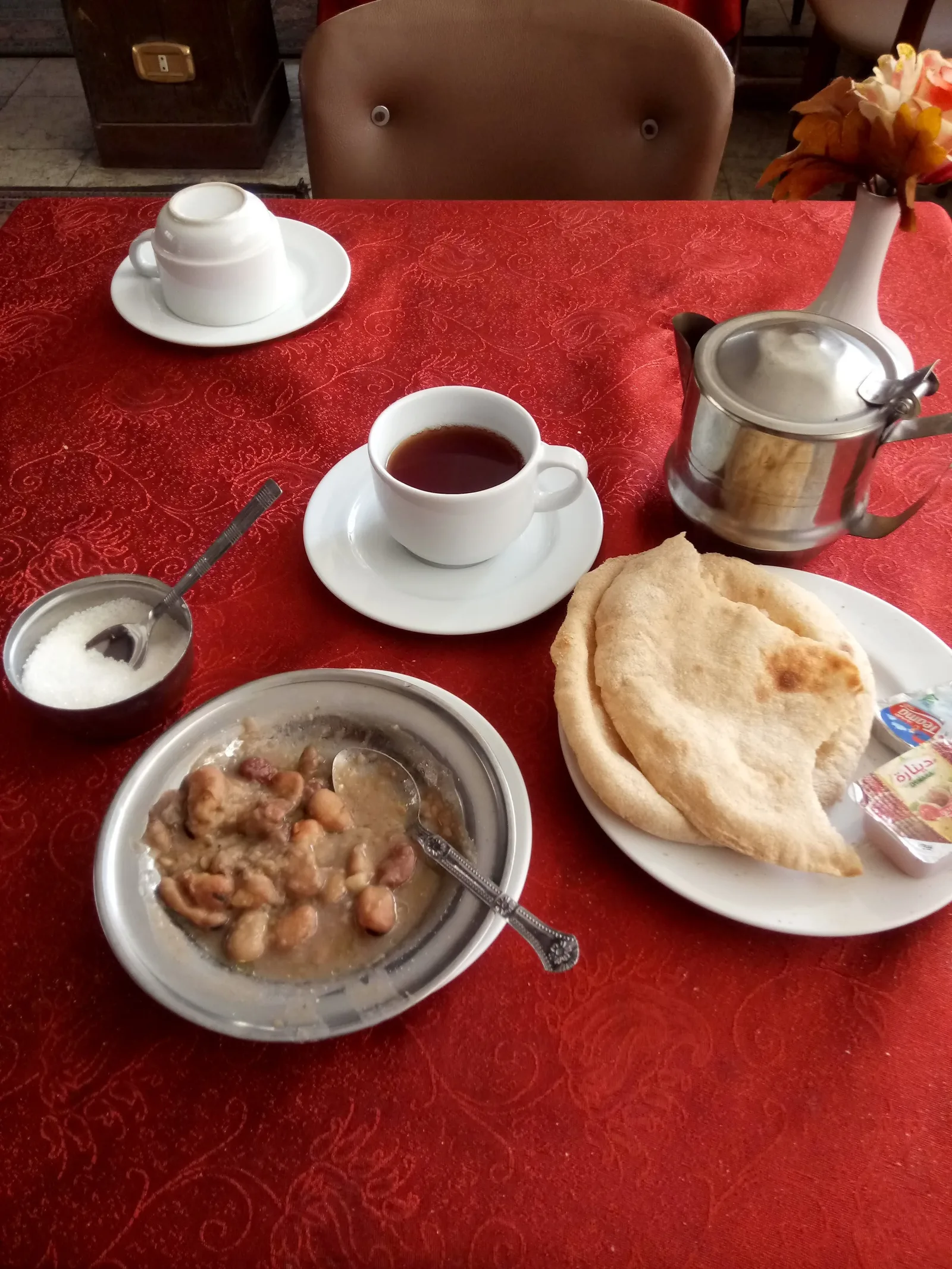
It is rare for a warning from the Egyptian kitchen to be backed so clearly by the laboratory. Black tea taken with a meal cuts the absorption of iron from bread, lentils and vegetables by startling margins, and milk does not rescue it. But the answer is not to banish the tea tray; it is to hold it back by a single hour, and to put a wedge of lemon on the table. We lay out the evidence, and why it matters for Egypt in particular.
September 10, 2026 · 7 min read