Healthy Eating on a Tight Budget: A Smart Nutrition Guide for Egyptian Families
Healthy eating does not have to mean a big budget. From ful and lentils to seasonal vegetables and sardines, this is a practical guide for any Egyptian family that wants a nourishing, filling table at the lowest possible cost — with simple shopping and cooking plans that make every pound go further.
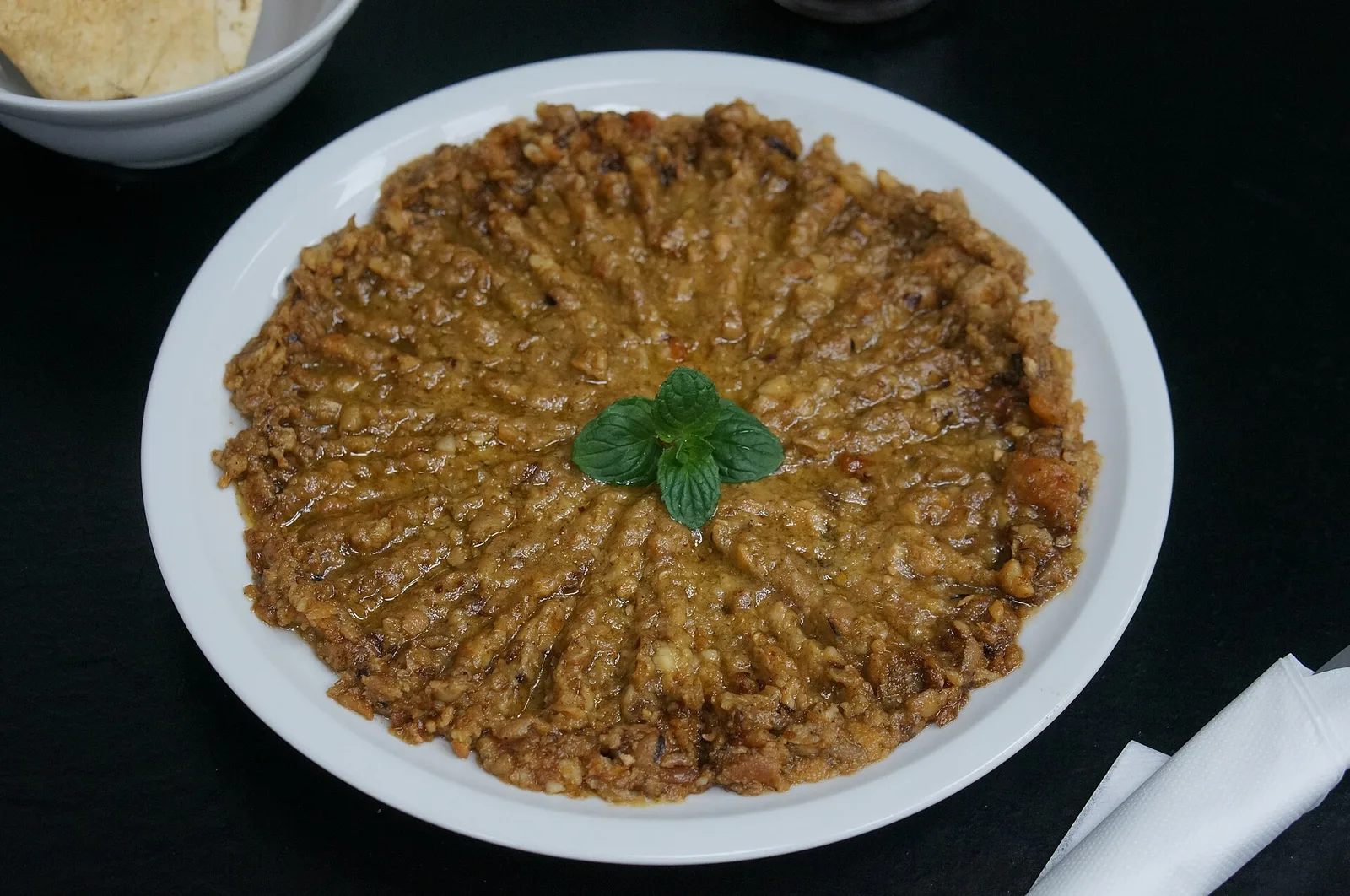
With every wave of price rises, many families conclude that healthy eating is an unaffordable luxury and that protein means meat and chicken alone. The truth is that the traditional Egyptian kitchen — before fast food invaded it — was one of the world's smartest cuisines, nutritionally and economically at once. The cheapest items on the Egyptian table are very often the most beneficial.
The story begins with legumes: fava beans, lentils, chickpeas, black-eyed peas, and dried white beans. These small seeds are a genuine nutritional treasure, rich in protein, iron, fiber, and B vitamins — and the cost per gram of their protein is a small fraction of its equivalent in meat. A morning plate of ful with oil, lemon, and tomato is a complete meal that sustains the body for hours, and a winter lentil soup delivers nourishment and warmth at a trivial price.
For anyone worried that plant protein is 'incomplete', science is reassuring: when legumes and grains are combined in one meal, their amino acids complement each other and form a fully complete protein. This is exactly what Egypt's popular dishes have done instinctively for generations — koshari pairs lentils with rice and pasta, and ful is eaten with baladi bread. The wisdom of the grandparents got there before the nutrition laboratories did.
Eggs and dairy are another ally of the budget. The egg is among the highest-quality and relatively cheapest protein sources there is; local yogurt is excellent food for young and old, supporting digestion and bones; and qarish cheese in particular is a quiet hero — high protein, low fat, and a price within everyone's reach.
For vegetables and fruit, the golden rule is one word: season. Buying at the peak of an item's season means the highest nutritional value and the lowest price at the same time. Molokhia, spinach, and arugula are superb sources of iron and vitamins at modest prices, while tomatoes, cucumbers, and carrots fill the salad bowl with color. Whoever buys a large quantity at a good price can clean, chop, and freeze it at home — building a seasonal freezer stock far cheaper than ready-made frozen packs.
Fish is not all expensive, either. Sardines and mackerel are among the fish richest in the omega-3 fats that protect heart and brain, at prices far below premium farmed varieties, and tilapia remains a good, affordable protein source. One fish meal a week is a realistic goal even on a tight budget.
On the other side of the ledger sits a category that drains both budget and health, and deserves cutting out or sharply reducing: fizzy drinks, sweetened juices, chips, and packaged sweets. These deliver empty calories with no real satiety, and what a family spends on them each month could buy a full week's worth of eggs, lentils, and vegetables. Even the extra sugar in repeated cups of tea is a hidden line item worth reviewing.
Planning is the sharpest weapon: a simple weekly meal list written before heading to the market, a shopping list that is actually followed, and cooking in large batches divided over several days. The big pot saves time, gas, and money, and leftovers become new meals with a little imagination — yesterday's rice becomes fried rice, and the soup vegetables become a baked casserole.
Cutting back on meat does not mean going without it; it means deploying it well. A small piece of meat is enough for a whole family's bean or okra casserole when cooked with vegetables and tomato sauce, and one chicken makes a roast meal and then a soup from its carcass the next day. The Egyptian kitchen has always known how to 'stretch' animal protein with vegetables and legumes without losing flavor or benefit.
The most important point remains: children learn by example, not by orders. When a child sees water rather than cola on the table, fruit rather than chips in the lunchbox, and a cheese-and-tomato or ful sandwich instead of processed snacks, eating habits are formed for a lifetime. The affordable healthy table is not a forced compromise in hard times — it is a return to the smartest part of our food heritage.
Related Stories

Before the Katb el-Kitab: The Medical Certificate the Law Demands, What It Reveals, and Why It Cannot Stop a Marriage
A compulsory medical test before Egypt's marriage-contract registration, the katb el-kitab, ends in a certificate with a QR code that the ma'zoun or church authority requires. What does it detect, what does it cost, where is it done, and why does it matter so much in Egypt? Above all: why can its result never prevent a marriage? A calm guide for every engaged couple worried about "what if they find something in me?"
September 12, 2026 · 9 min read

A Two-Week Plan to Reset Kids' Sleep Before the September 12 School Bell
With Egypt's school year starting September 12, sleep specialists advise shifting children's bedtime and wake-up earlier by 15-20 minutes a night, starting now rather than the night before. Here is the plan, and the recommended hours for every age.
August 23, 2026 · 6 min read

Back to School on a Budget: A Family Guide to September 12
With Egypt's school year opening on September 12, a practical guide to the back-to-school budget: the official fees, a use-what-you-have inventory, spending priorities, realistic savings tactics — and how to rein in the biggest line item, private tutoring.
August 18, 2026 · 6 min read