Islamic and Coptic Cairo: One Open-Air Museum From Bab al-Futuh to the Hanging Church
Few cities can walk a visitor through a thousand years of architecture in one stroll. Historic Cairo, on the World Heritage List since 1979, does exactly that: from al-Muizz street and its mosques to the churches of Old Cairo and the Ben Ezra Synagogue — plus the restoration story that brought the stone back to life.
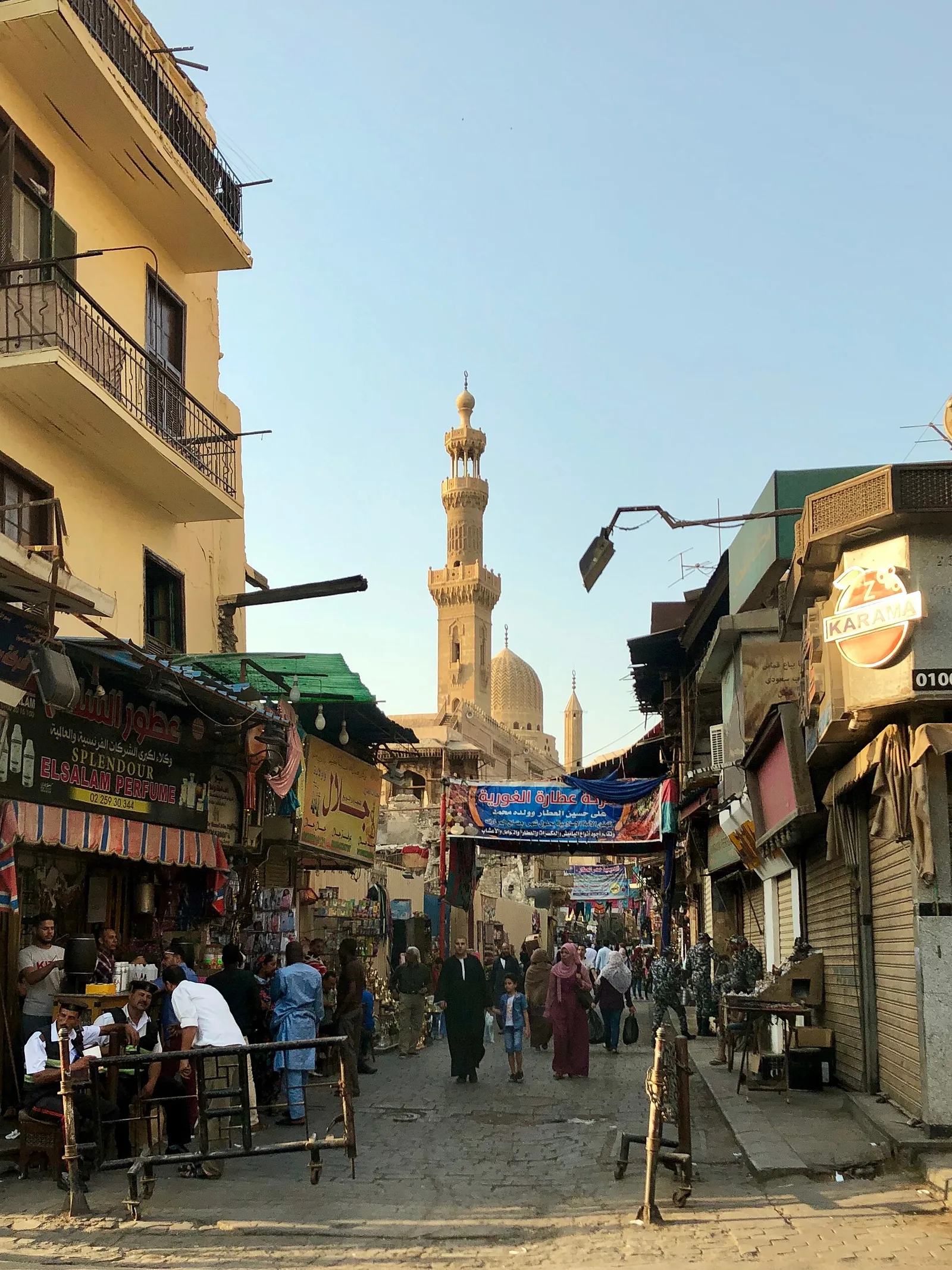
Few cities can walk a visitor through a thousand years of architecture in a single afternoon. Historic Cairo can. Inscribed on UNESCO's World Heritage List in 1979, it holds one of the world's densest concentrations of medieval monuments: mosques, madrasas, churches, a synagogue, city gates, merchant houses and public fountains, still standing among living neighbourhoods. Egyptians often speak of two districts — Islamic Cairo and Coptic Cairo — but they are best understood as one continuous open-air museum, layered by centuries rather than separated by walls.
The Islamic city's founding moment came in 969 CE, when the Fatimid commander Jawhar laid out a new walled capital for the caliph al-Muizz li-Din Allah and named it al-Qahira — 'the Victorious' — the name Cairo carries to this day. Within a few years the new city had its great mosque, al-Azhar, which grew into one of the oldest continuously operating centres of learning in the world. Cairo was not Egypt's first Islamic capital, but it became the one that absorbed all the others.
The spine of that Fatimid city survives as al-Muizz street, running from the northern gate of Bab al-Futuh toward Bab Zuweila in the south. Along roughly a kilometre, the street passes buildings from the Fatimid, Ayyubid, Mamluk and Ottoman eras standing shoulder to shoulder, which is why it is often described as one of the greatest open-air collections of medieval Islamic architecture anywhere. Walking it is the closest thing to scrolling through Cairo's timeline at street level.
The landmarks reward slow attention. The complex of Sultan Qalawun, from the late thirteenth century, combined a domed mausoleum, a madrasa and a hospital in one facade — medieval public welfare carved in stone. The small Fatimid mosque of al-Aqmar displays some of the city's earliest decorated street-facing stonework. The sabil-kuttab of Abdel Rahman Katkhuda is a purely Cairene invention: a public fountain below dispensing free water, a Quran school above dispensing free learning. Nearby, the merchant house of Bayt al-Suhaymi preserves how wealthy families actually lived.
South of all this, and older than the Fatimid city itself, lies Old Cairo. Its core is the Babylon Fortress, built by the Romans at a strategic point on the Nile centuries before the Arab conquest. Within and around its surviving towers grew the quarter Egyptians call Coptic Cairo — churches, a monastery, a synagogue and, today, the Coptic Museum. Standing on Roman stones beneath medieval churches, a visitor experiences the city's true stratigraphy: Cairo did not erase what came before it; it settled on top.
The churches carry the district's memory. The Hanging Church — al-Muallaqa — earned its name by being built suspended above a gatehouse of the Roman fortress. The Church of Saints Sergius and Bacchus, known as Abu Serga, holds a crypt that Coptic tradition associates with the Holy Family's sojourn in Egypt. The Church of St Barbara preserves fine medieval woodwork. And the Ben Ezra Synagogue is famous worldwide for its Geniza, a chamber of discarded documents whose study opened an unmatched window onto medieval Mediterranean life.
A short walk away stands the mosque of Amr ibn al-As, founded in the seventh century at Fustat and remembered as the first mosque in Egypt and Africa; rebuilt many times, its site has never stopped being a place of prayer. The proximity is the point: within a few hundred metres, a visitor can stand in a mosque of the earliest Islamic era, churches of Egypt's Christian centuries and a synagogue of its Jewish community. Cairenes call this the religious complex, and it is the city's identity in miniature.
The open-air museum extends beyond both quarters. The ninth-century mosque of Ibn Tulun, with its spiral minaret and vast courtyard, is among the oldest mosques in the city still close to its original form. The madrasa of Sultan Hassan, from the fourteenth century, is monumental Mamluk architecture at its most audacious. Above them rises the Citadel of Saladin, crowned much later by the Ottoman-style mosque of Muhammad Ali, whose domes and slender minarets define Cairo's skyline. Each era added a layer; none erased the previous one.
That survival was not automatic — it is the result of a long restoration story. In the 2000s, a major state project rehabilitated al-Muizz street: infrastructure beneath the roadway was renewed, facades and monuments were cleaned and conserved, car traffic was restricted in favour of pedestrians, and evening lighting was designed to present the monuments after dark. The street reopened as a managed open-air museum, and the project became a model, showing that conservation in Cairo meant fixing sewers and wiring as much as restoring stone.
Another chapter came from the Aga Khan Trust for Culture, which transformed a centuries-old rubbish mound on the city's edge into al-Azhar Park, opened in 2005. The digging uncovered a long-buried stretch of Cairo's Ayyubid wall, which was excavated and restored, and the project extended into the neighbouring Darb al-Ahmar district, pairing monument conservation with housing repair and craft training. In Old Cairo, meanwhile, the Coptic Museum — founded in 1908 to safeguard Christian Egypt's heritage — was comprehensively renovated and reopened in 2006.
What makes Historic Cairo remarkable is that it never became a museum in the frozen sense. People live, trade, pray and drink tea among the monuments; craftsmen still hammer copper in alleys their trades have occupied for generations. That is its glory and its challenge, since conservation in an inhabited city must serve residents, not displace them. For the visitor, the etiquette is simple: dress modestly, ask before photographing people, and remember that the neighbourhood is someone's home. The reward is a city that lets you touch a millennium.
Related Stories
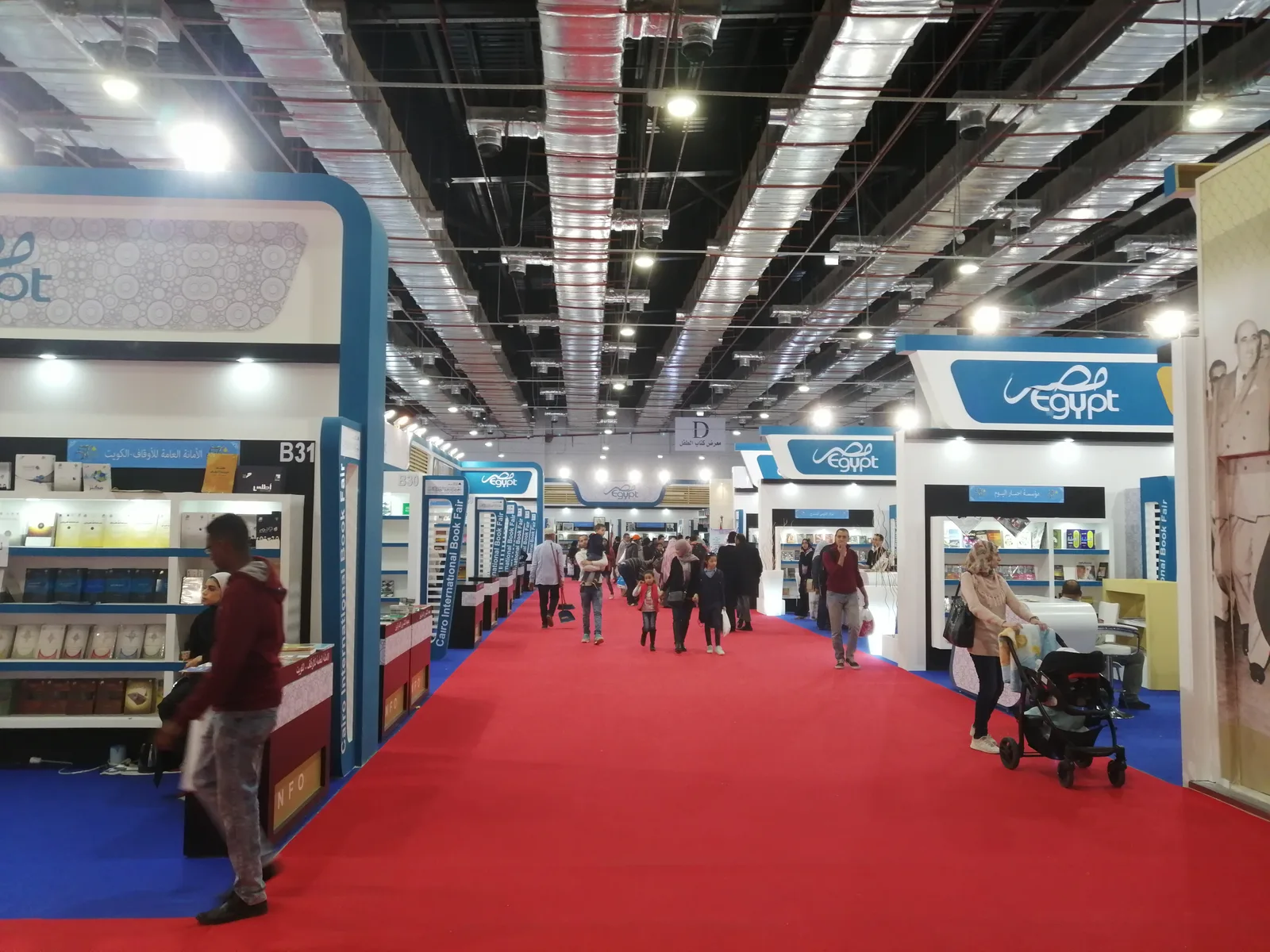
International Translation Day: From the 1835 Alsun School to Egypt's National Center for Translation
On 30 September the world marks International Translation Day, and behind the translated book you carry home from the fair lies a two-century Egyptian story: an Azhar sheikh back from Paris founded Egypt's first modern school for translators in 1835, and committees and projects rose and stalled, until the National Center for Translation was founded in 2006. This is the whole story, and what it means for you.
September 30, 2026 · 7 min read
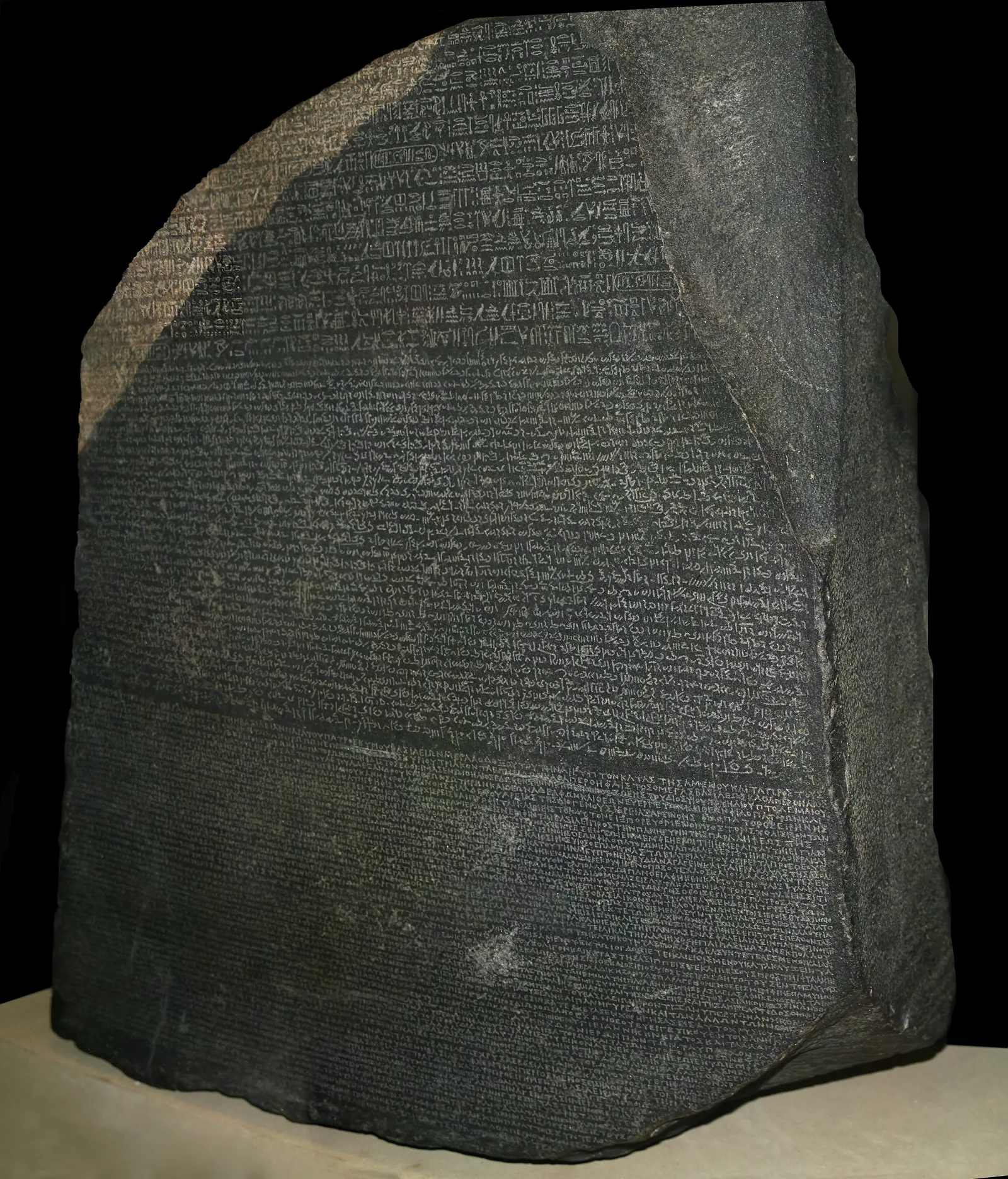
27 September 1822: The Day the Ancient Egyptians Found Their Voice Again — The Rosetta Stone and Its Key
In a hall in Paris, a 31-year-old read out a letter that gave Egypt's ancient walls back the power of speech after a long silence. From Rashid in 1799 to London in 1802 to the Academy in 1822, then on to Ahmed Kamal Pasha and the dictionary that was never printed in his lifetime, and finally to today's question: will the Stone come home? The story of a key that was lost and found again.
September 26, 2026 · 8 min read
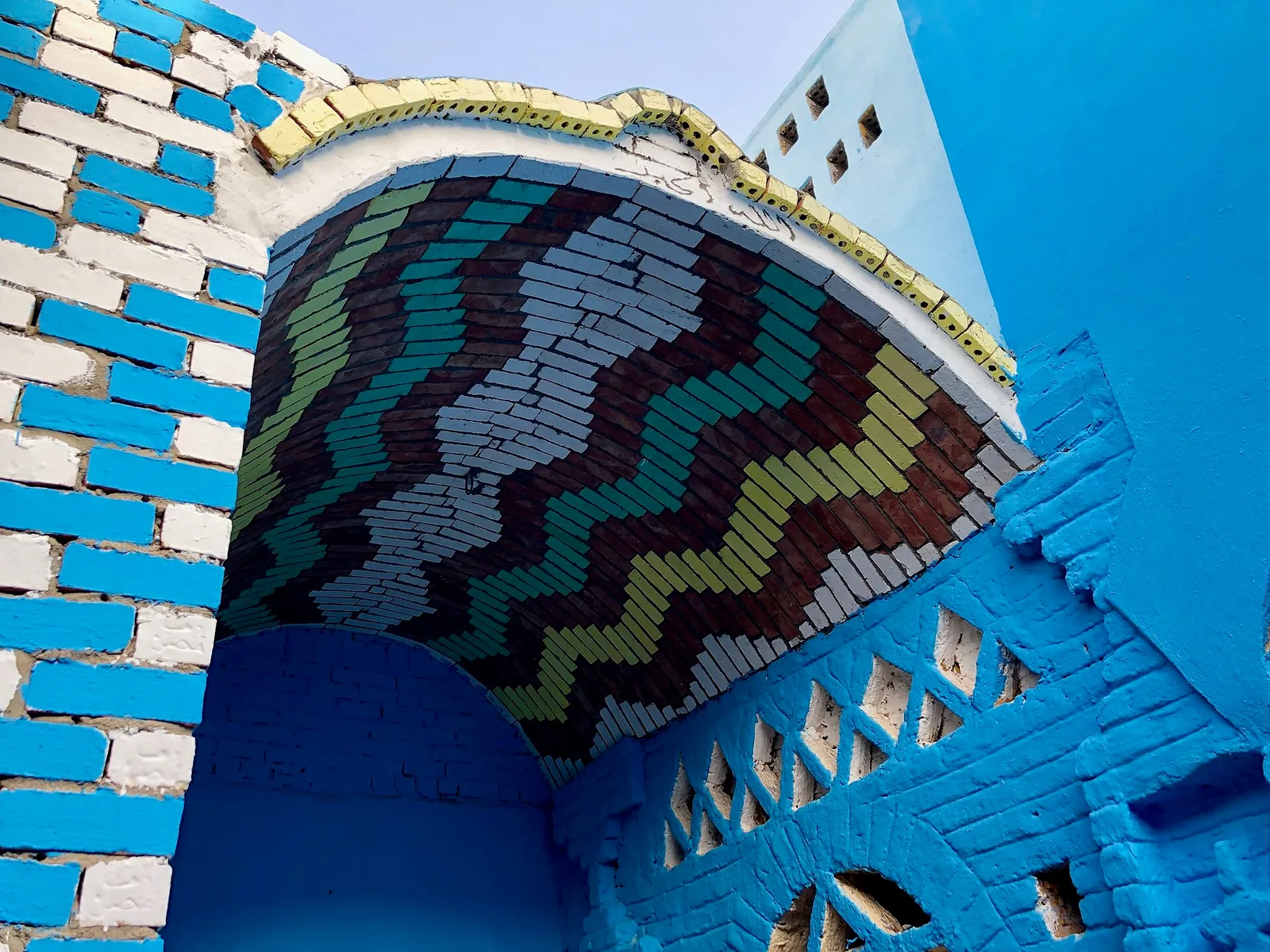
Hassan Fathy: The "Architect of the Poor" Who Built an Architecture from Egyptian Mud That Astonished the World
In an age when air conditioning devours the household budget, the life of Hassan Fathy revives an old question: why did we abandon an architecture that cooled our homes without electricity? The story of the "Architect of the Poor," who built an entire village out of Egyptian mud, wrote a book the world translated, and anticipated the green-building wave by decades.
September 4, 2026 · 8 min read