Luxor's West Bank: Where Ancient Egypt Buried Its Kings and Won Immortality
On the Nile's western shore at Luxor, where the sun sets behind the Theban hills, ancient Egypt built an eternal city for its kings and queens: the Valley of the Kings, Hatshepsut's temple, the Colossi of Memnon and the village of the artisans who carved history by hand.
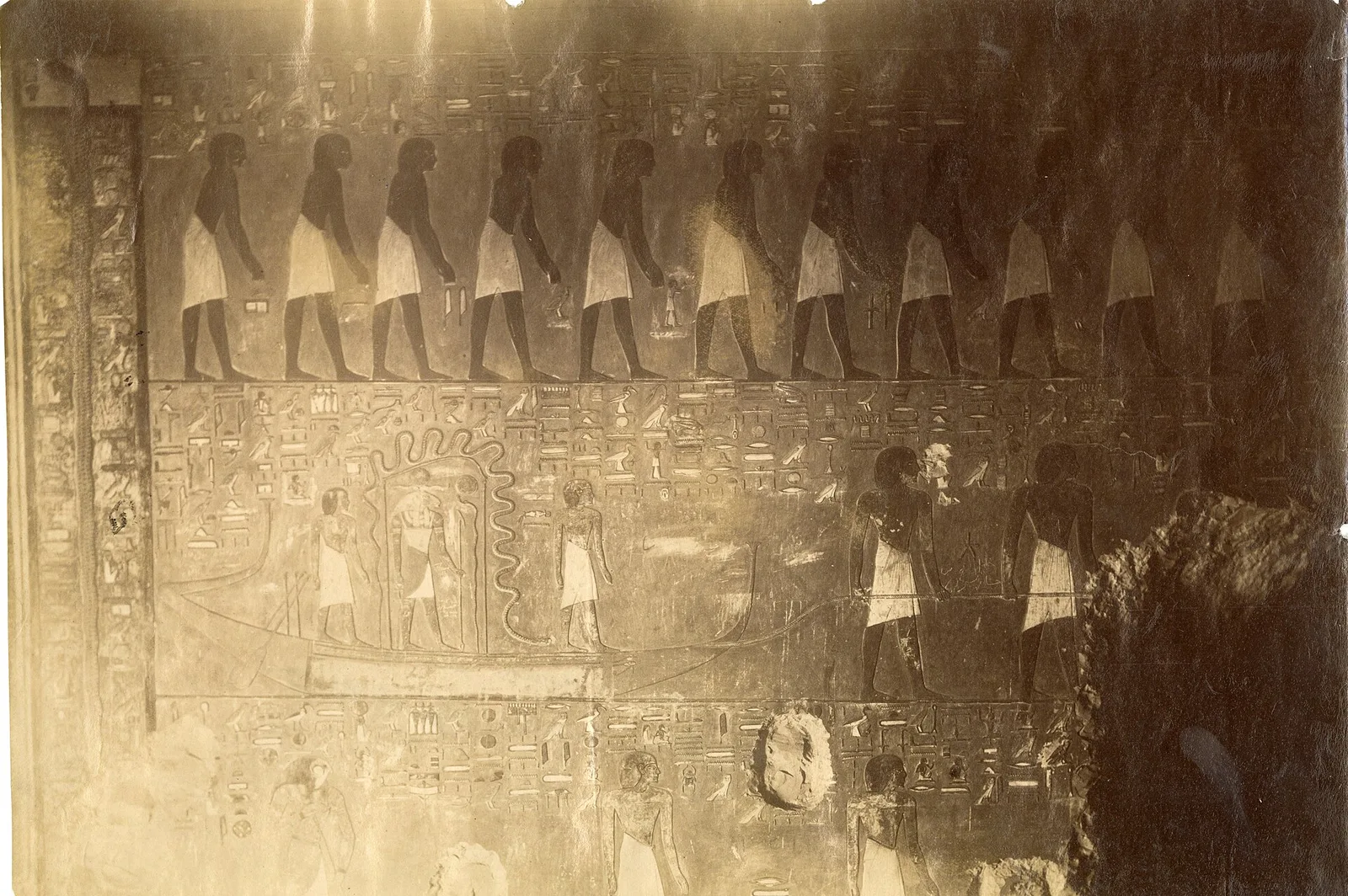
When Thebes was Egypt's capital at the height of its power, the ancient Egyptians divided their city across the Nile according to an elegant cosmic vision: the east, where the sun rises, for the living and the temples of the gods; the west, where it sets, for the dead and the afterlife. Luxor's west bank thus became the greatest funerary city history has known — a site UNESCO inscribed on the World Heritage List in 1979 as an open-air museum without parallel.
Hidden in the heart of the western mountain lies the Valley of the Kings, the rocky wadi that the rulers of the New Kingdom chose as their final resting place over roughly five centuries. Dozens of royal tombs were cut into its slopes, decorated with religious texts and painted scenes charting the king's journey through the underworld. In many of them the colours remain so vivid, more than three thousand years on, that the artists might have finished yesterday.
It was in this valley that the most famous archaeological discovery in history took place, when the British archaeologist Howard Carter found the tomb of the young king Tutankhamun in 1922, nearly intact with its golden treasures. Tutankhamun was no great ruler in life, but his tomb — almost the only one to escape ancient robbers — made him the best-known pharaoh of all and turned the valley into a global pilgrimage site.
Not far away, against a majestic cliff face at Deir el-Bahari, stands the mortuary temple of Queen Hatshepsut, its three ascending terraces appearing to grow naturally out of the mountain. The woman who ruled Egypt as pharaoh built it to immortalise her name and her trading expeditions to the land of Punt. Today it ranks among the most architecturally admired ancient buildings in the world, especially in early-morning light.
On the road to the temples, visitors are met by the Colossi of Memnon, the two giant seated statues that once guarded the entrance to the mortuary temple of Amenhotep III. In Greek and Roman times the northern colossus became famous for emitting a mysterious moaning sound at dawn, caused by cracks from an ancient earthquake. Travellers and emperors came to hear Memnon sing and left inscriptions on its base — until Roman-era repairs silenced the statue for good.
Medinet Habu is the jewel many visitors miss. The mortuary temple of Ramesses III retains its massive enclosure walls and deep-cut reliefs recording his victories over the Sea Peoples, along with astonishing original colour on the ceilings of its gateways and columns. Here the visitor finds a calm rarely available at the more famous sites, with carving that specialists rank among the finest in all Egypt.
The west bank also has a uniquely human face in Deir el-Medina, the village of the artists and craftsmen who cut and decorated the royal tombs. The site yielded thousands of ostraca and papyri revealing the workers' daily lives — their wages, days off and legal disputes — and even the first documented labour strike in history, when the men downed tools over delayed rations in the reign of Ramesses III. Their own small tombs contain some of the loveliest painted art anywhere.
The picture is completed by the Tombs of the Nobles scattered across the hillsides, where scenes of farming, fishing, music and banqueting are painted with a liveliness that sometimes surpasses the royal tombs themselves, and by the Ramesseum of Ramesses II, whose fallen colossus inspired the English poet Shelley's famous poem Ozymandias.
For a bird's-eye view of the funerary city, a dawn hot-air balloon flight remains Luxor's signature experience. Dozens of colourful balloons rise with the first light to reveal the valley, the temples, the sugar-cane fields and the green ribbon of the Nile in a single panorama — a scene that has made Luxor one of the world's most celebrated ballooning destinations.
Practically, visitors reach the west bank by bridge or by the Nile ferries from Luxor city, and tours are best begun early in the morning to escape the heat and catch the best light. Winter is peak season, while the other months offer quieter sites and gentler prices for those who can bear the temperatures. Tickets are sold per site, and at least one full day should be planned.
Visitors leave the west bank understanding that what they have seen is not tombs and stones but an entire civilisation that regarded death as a doorway to eternity — and built and painted so masterfully that eternity became real. More than three thousand years later, the names of kings and workers alike remain carved in the rocks of Thebes, and the world still comes to read them.
Related Stories
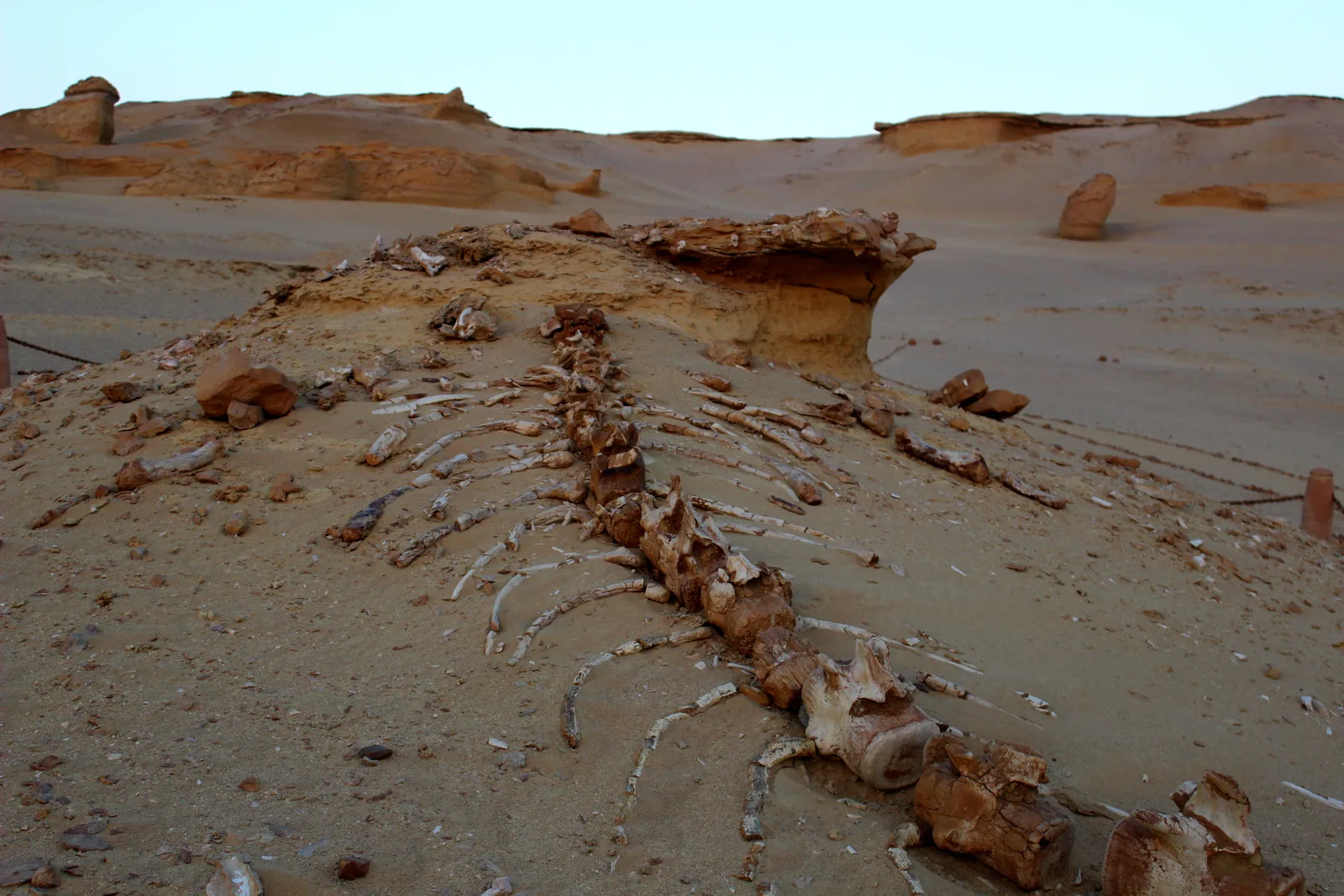
Wadi El Hitan, When Fayoum Was a Sea: A Day Trip from Cairo to a 40-Million-Year-Old Seabed
About three hours from the Cairo gridlock, an Egyptian family stands before the skeleton of a whale with hind legs, 40 million years old, in a desert that was once a seabed. Why did UNESCO choose Wadi El Hitan as Egypt's first natural site on the World Heritage List? And how can a single day take in the fossils, the Wadi El Rayan waterfalls and the pottery of Tunis village? A practical guide to a journey that needs no visa.
September 24, 2026 · 7 min read
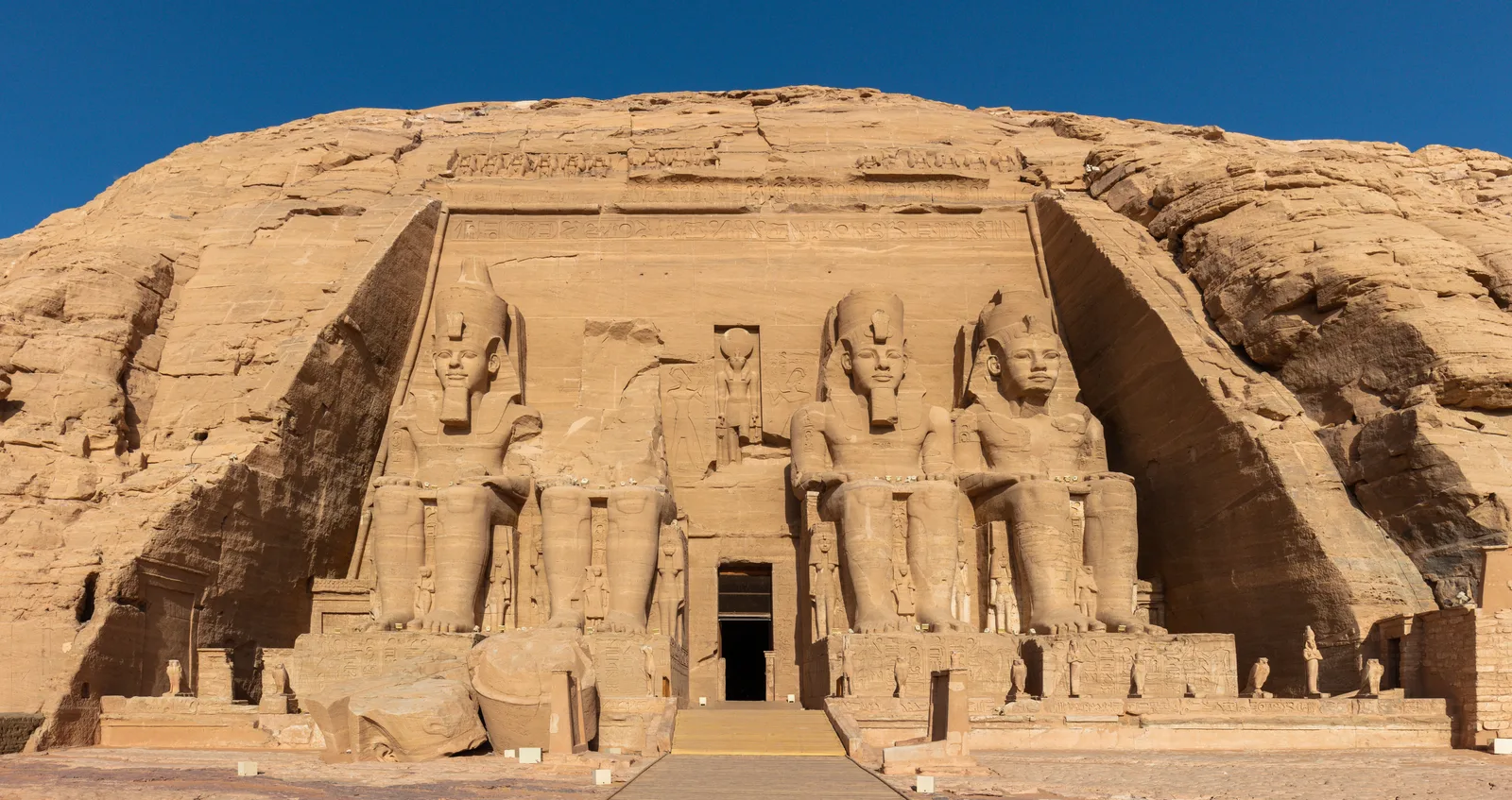
Abu Simbel: the temple the world lifted 65 metres so it would not drown, and the sun that comes back to it on 22 October
Shortly before sunrise on 22 October, people stand in the darkness of the great hall waiting for a thread of light to travel some sixty metres through solid rock and fall on the face of Ramses. Behind that moment lies the story of a twenty-year international campaign that lifted the temple, block by block, above the waters of Lake Nasser. Here is your guide to understanding the spectacle and planning an Aswan trip a month ahead of the date.
September 20, 2026 · 7 min read
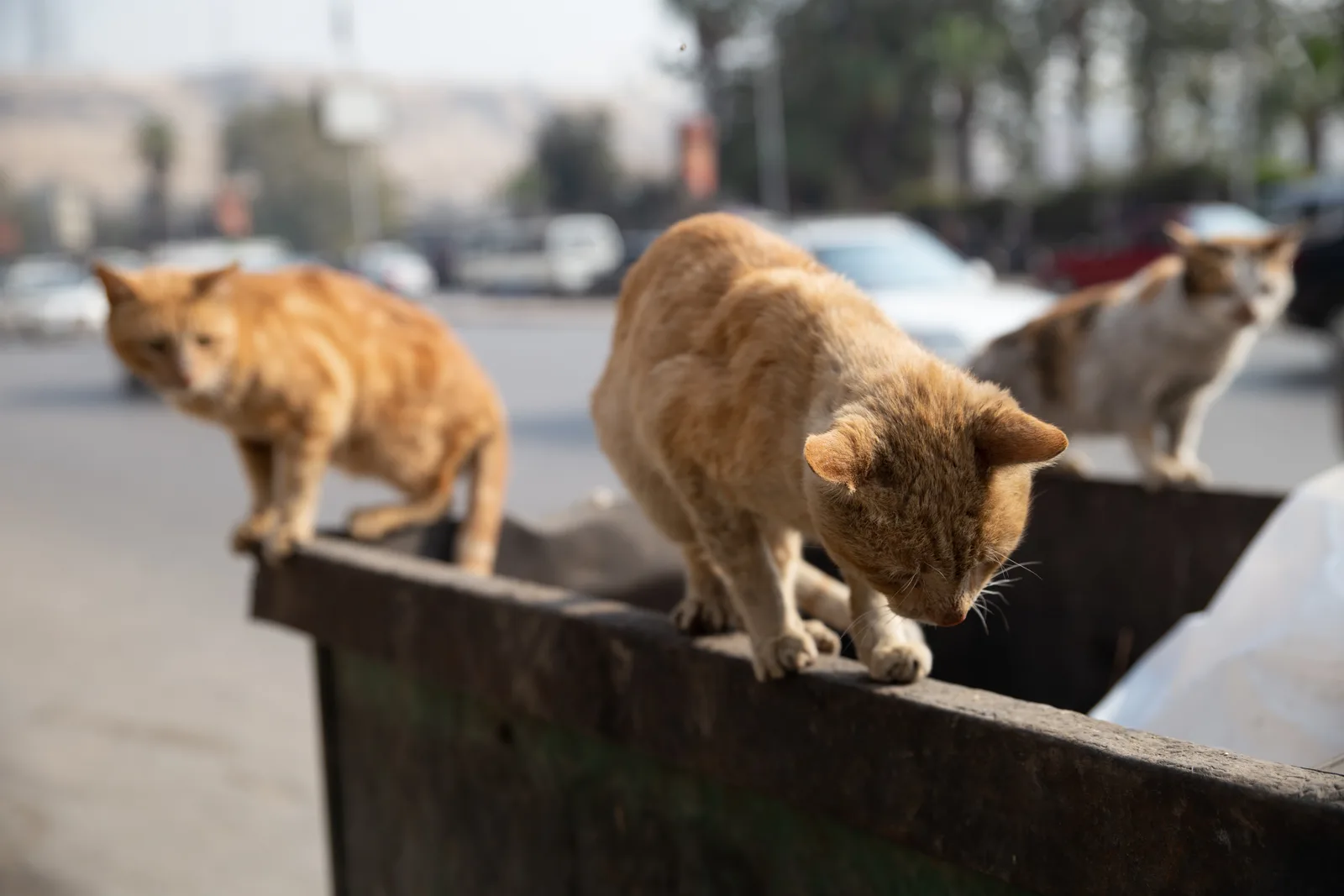
Keda Ghalat (That's Just Wrong): Harming an Animal Has Been a Crime Under Egypt's Penal Code Since 1937
A neighbour sets out poisoned bowls beside the school wall; a cart driver beats his donkey across the face to make it haul a load beyond its strength. Many assume that "just an animal" means no law protects it. In fact, Articles 355, 356 and 357 of the Penal Code punish killing, poisoning and harming animals with penalties that go as far as prison. On the eve of World Animal Day, we explain what the law says and what the right thing to do is.
October 3, 2026 · 6 min read