The Red Sea Beyond the Beach: Reefs, Rules, Dugongs and Dolphin Houses
Egypt's Red Sea coast is far more than resorts: heat-resistant corals studied worldwide, strict diving rules, seagrass bays grazed by dugongs and reef lagoons where spinner dolphins rest. A guide to the sea beyond the sand — and how to visit it without harming it.
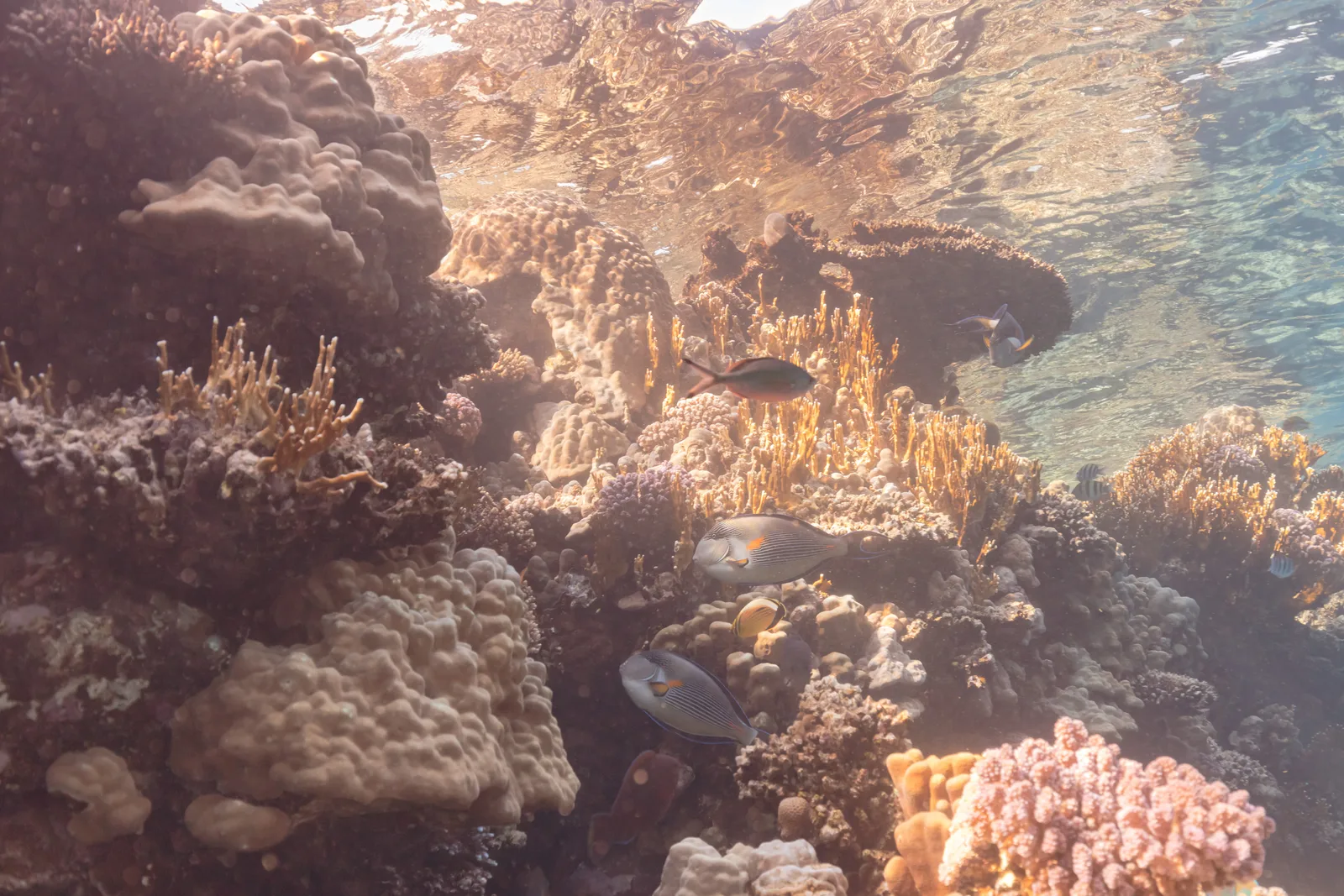
The postcards sell sand and sunshine, but the Red Sea's real wealth begins where the beach ends. Along Egypt's eastern coast, from Hurghada south to Marsa Alam and beyond, a fringing coral reef runs for hundreds of kilometres, often close enough to shore that a swimmer can reach living coral within minutes of leaving the sand. For divers and snorkellers this is one of the most accessible major reef systems on the planet, and for marine scientists it is one of the most closely watched.
That scientific attention has a serious reason. Corals of the northern Red Sea and the Gulf of Aqaba have shown an unusual tolerance for warm water, surviving temperatures that trigger mass bleaching on reefs elsewhere in the world. Researchers studying climate change therefore treat the region as a potential refuge where coral species might persist even as the oceans heat up. That gives Egypt's reefs a significance far beyond tourism: they are a living genetic reservoir that the wider ocean may one day need.
Hurghada is the historic gateway. A modest fishing harbour within living memory, it grew into one of the busiest diving destinations anywhere, with daily boats heading for the reefs around the Giftun Islands and dozens of named sites beyond them. Popularity, however, brought pressure. Anchors dropped carelessly can shatter coral colonies that took decades to grow, stray fins snap fragile branching corals, and crowded sites concentrate damage on the very places that made the city famous in the first place.
The response came partly from the dive industry itself. The Hurghada Environmental Protection and Conservation Association, known as HEPCA and founded in the early 1990s by diving operators, installed fixed mooring buoys along the coast so that boats could tie off to a rope instead of dropping anchor onto living reef. The mooring network expanded over the years to cover long stretches of the Egyptian Red Sea, and it became a frequently cited example of how a tourism industry can organise itself to protect the resource it depends on.
The rules a visitor must follow underwater are not polite suggestions; many are conditions of the protected areas' regulations and of every responsible dive centre's briefing. Do not touch, stand on or hold the coral, even with gloves — many operators ban gloves precisely to remove the temptation. Control your buoyancy so your fins and equipment never drag across the reef. Do not feed fish, do not chase or grab marine animals, and never collect shells or coral, living or dead: taking marine souvenirs out of Egypt is prohibited. The environmental fees charged at marine parks help fund the protectorates themselves.
Further south, Marsa Alam offers a quieter version of the same sea. Once reachable only by a long desert road, the area grew after its airport opened and is now the base for some of Egypt's most celebrated dive sites. Elphinstone Reef, a narrow offshore wall plunging into deep blue, is famous for drifting currents and encounters with oceanic sharks, while sheltered bays such as Marsa Abu Dabbab hide a different treasure: broad meadows of seagrass swaying over sandy bottoms, grazing grounds for green turtles and for something rarer still.
That rarer visitor is the dugong, a large, slow, herbivorous marine mammal related to the manatee, which feeds almost exclusively on seagrass. Sightings around Marsa Alam's seagrass bays have made the animal an emblem of the southern coast, but dugongs are globally vulnerable and easily disturbed. The etiquette is strict: keep your distance, never chase, corner or touch the animal, do not block its path to the surface where it must breathe, and let the encounter happen — or not happen — entirely on the animal's terms.
Then there are the dolphin houses. Sha'ab Samadai, a horseshoe-shaped reef near Marsa Alam, encloses a shallow lagoon where spinner dolphins rest during the day after hunting at night in deep water. When unregulated boat traffic began crowding the resting pods in the early 2000s, the authorities introduced a management system that divides the reef into zones, keeps visitors out of the dolphins' core resting area and caps daily numbers. A similar reef, Sataya, further to the south, receives visitors under comparable rules.
The southern coast is also anchored by Wadi el Gemal National Park, declared a protectorate in 2003, which stretches from inland desert valleys across mangrove-fringed shores to offshore islands and reefs. The mangroves here shelter juvenile fish and nesting birds, the islands host breeding seabirds and egg-laying turtles, and the park ties together the marine and desert worlds that tourism brochures usually keep apart. It is a reminder that the Red Sea coast is a single ecosystem, not a row of hotel beaches.
For the visitor, the responsible path is straightforward: choose licensed dive centres that brief their guests properly, prefer operators who respect zone rules and group-size limits, listen to the guide, and treat every fin-kick as a decision. Egypt's reefs have survived warming seas better than most on Earth; whether they survive their own popularity depends largely on the behaviour of the people who come to admire them. The beach is the doorway. The reef is the house — and guests are expected to behave accordingly.
Related Stories
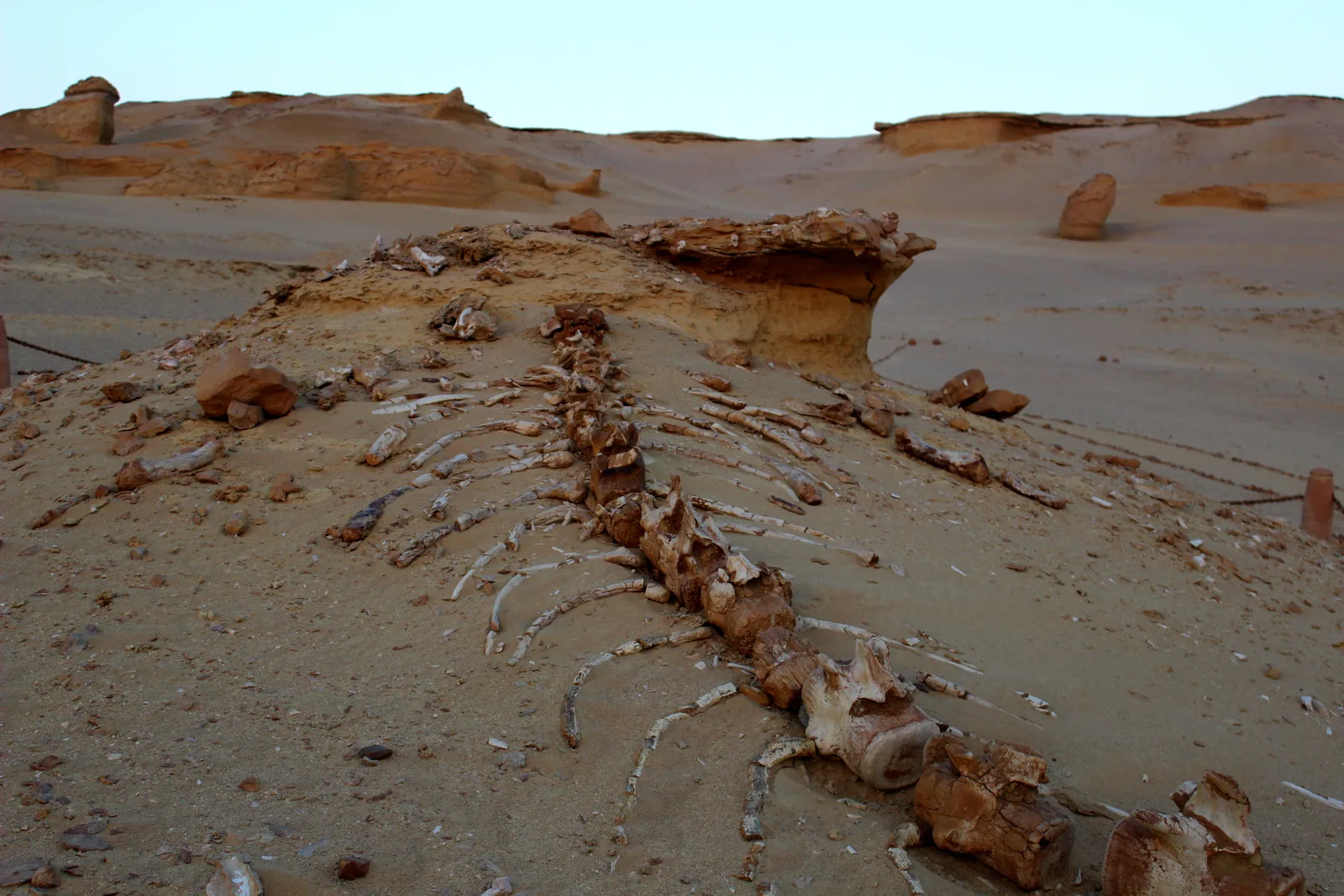
Wadi El Hitan, When Fayoum Was a Sea: A Day Trip from Cairo to a 40-Million-Year-Old Seabed
About three hours from the Cairo gridlock, an Egyptian family stands before the skeleton of a whale with hind legs, 40 million years old, in a desert that was once a seabed. Why did UNESCO choose Wadi El Hitan as Egypt's first natural site on the World Heritage List? And how can a single day take in the fossils, the Wadi El Rayan waterfalls and the pottery of Tunis village? A practical guide to a journey that needs no visa.
September 24, 2026 · 7 min read
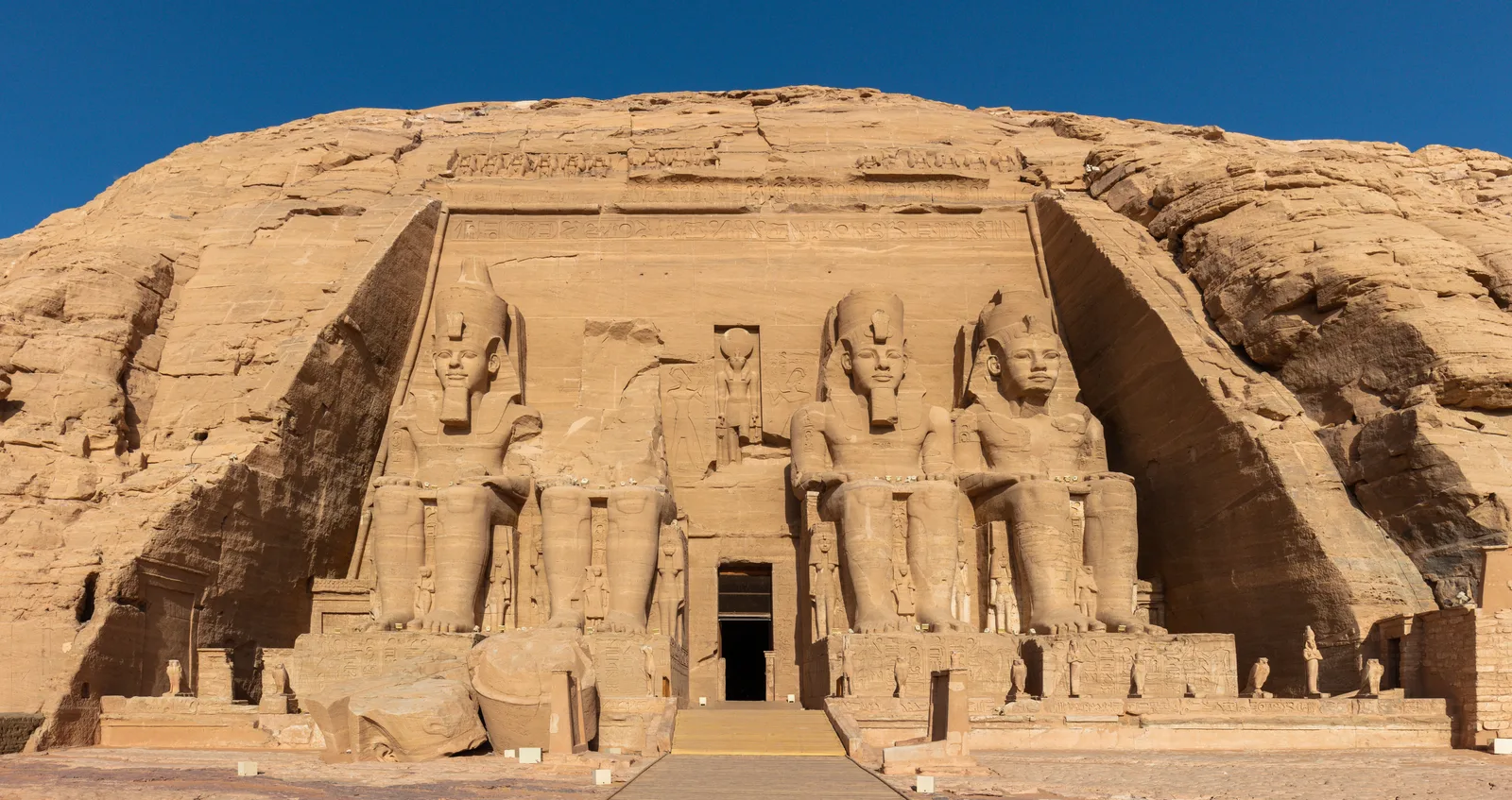
Abu Simbel: the temple the world lifted 65 metres so it would not drown, and the sun that comes back to it on 22 October
Shortly before sunrise on 22 October, people stand in the darkness of the great hall waiting for a thread of light to travel some sixty metres through solid rock and fall on the face of Ramses. Behind that moment lies the story of a twenty-year international campaign that lifted the temple, block by block, above the waters of Lake Nasser. Here is your guide to understanding the spectacle and planning an Aswan trip a month ahead of the date.
September 20, 2026 · 7 min read
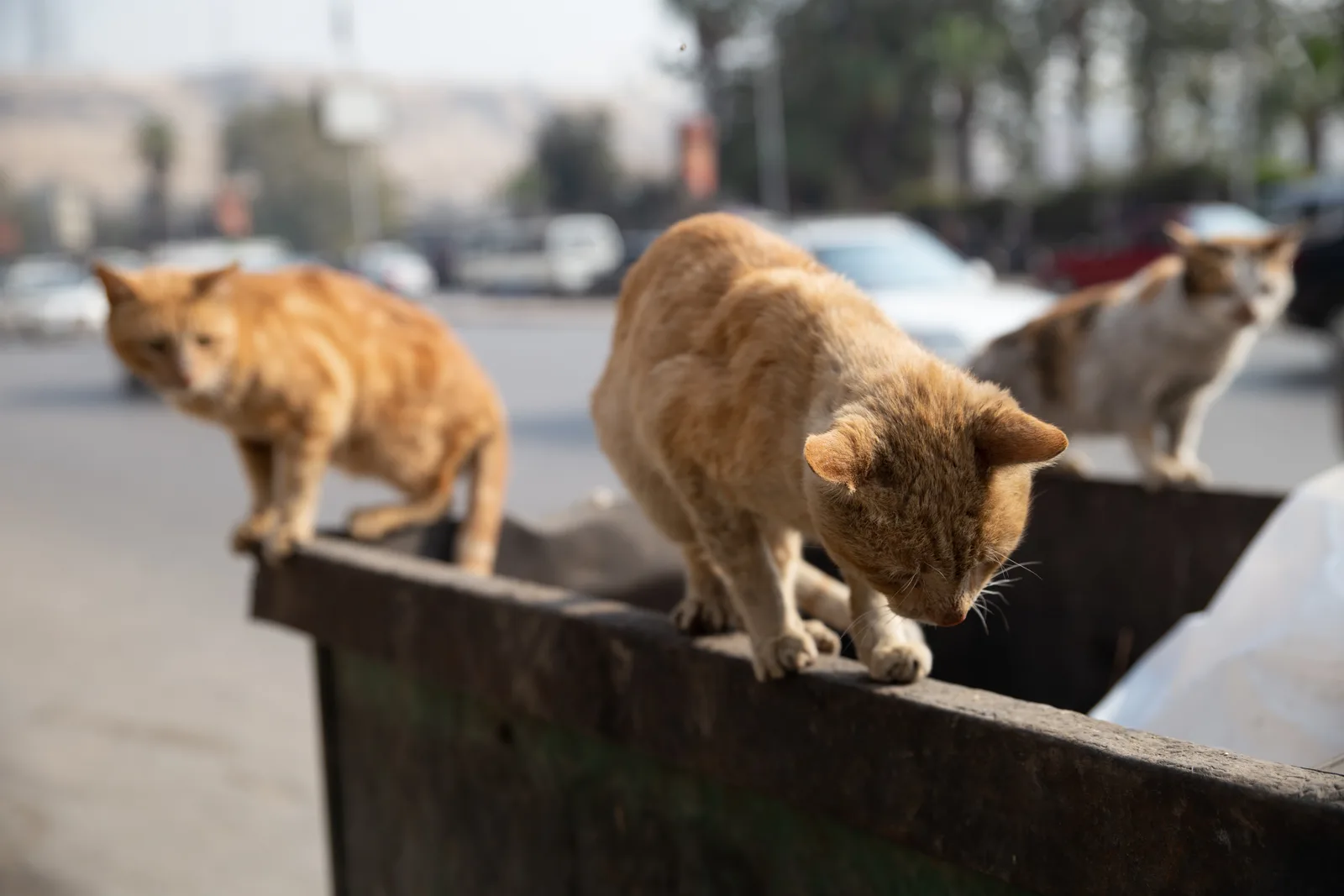
Keda Ghalat (That's Just Wrong): Harming an Animal Has Been a Crime Under Egypt's Penal Code Since 1937
A neighbour sets out poisoned bowls beside the school wall; a cart driver beats his donkey across the face to make it haul a load beyond its strength. Many assume that "just an animal" means no law protects it. In fact, Articles 355, 356 and 357 of the Penal Code punish killing, poisoning and harming animals with penalties that go as far as prison. On the eve of World Animal Day, we explain what the law says and what the right thing to do is.
October 3, 2026 · 6 min read