Before the First School Bell: How to Get Your Child Truly Ready
School readiness is not just memorizing letters and numbers — it is self-reliance, expressing needs, and getting along with others. Practical steps parents can start at home in the months before the first day of school, so the child walks into the classroom confident rather than afraid.
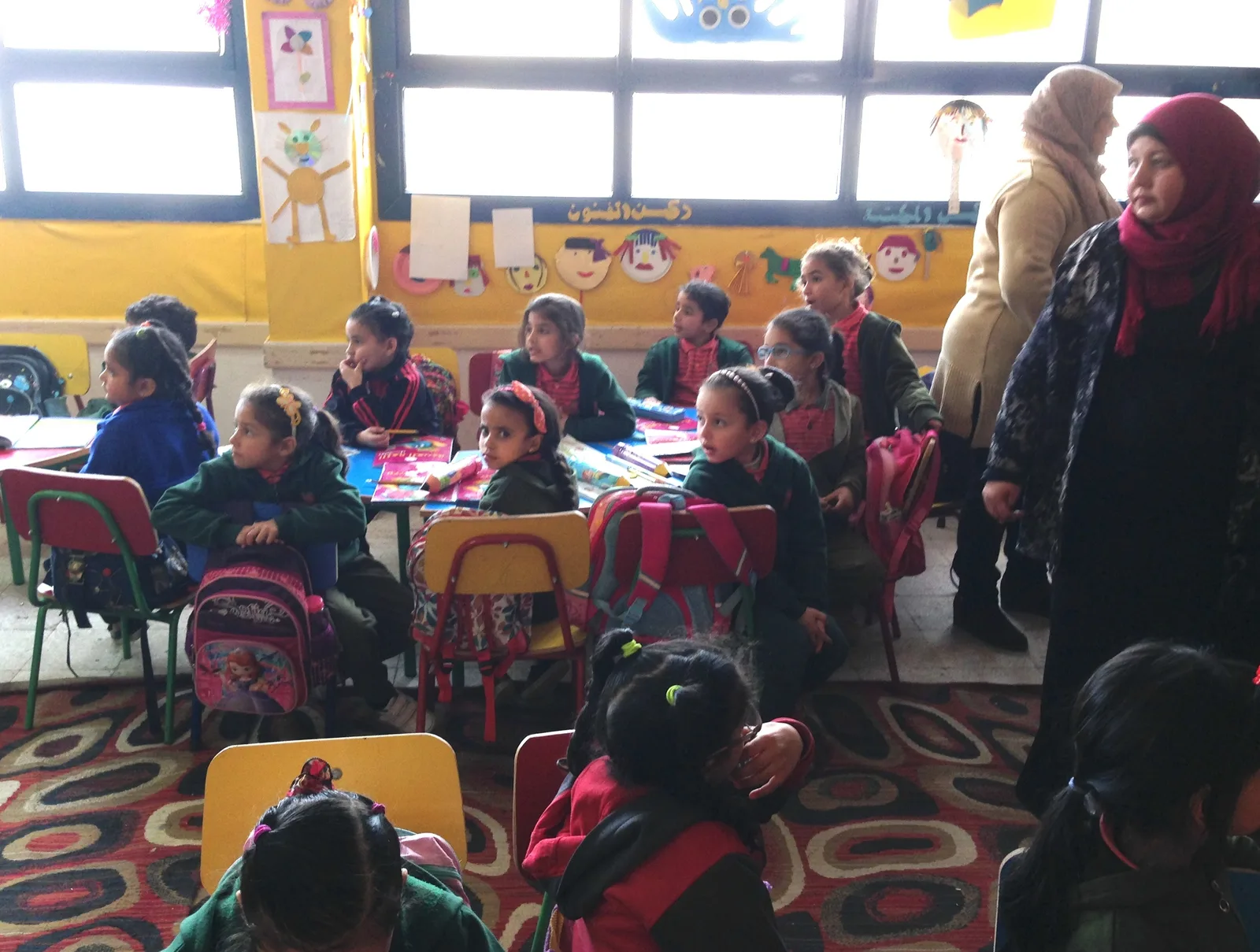
As a child's first school year approaches, many families obsess over one question: does the child know the letters and numbers? But teachers and early childhood experts agree that true school readiness is far broader. A child who can manage basic needs independently, express what they want, sit and listen, and get along with unfamiliar children — that child will succeed even without knowing every letter yet.
Readiness begins with self-care skills: going to the toilet alone and washing hands, eating independently and opening the lunchbox and water bottle, putting on shoes and a jacket without help, and recognizing and keeping track of personal belongings. These small skills determine whether a school day runs smoothly or becomes a chain of cries for help — and practicing them at home in the months before school is a priceless investment.
Then comes emotional and social readiness, the hardest and most important part: tolerating hours away from mother without falling apart, sharing a game with another child and waiting for a turn, and telling the teacher 'I need the bathroom' or 'someone hit me' instead of only crying. Children build this through gradual short stays with a grandmother or aunt, playing with neighbors' and relatives' children, and being encouraged to ask for what they need in words at home first.
Language is the foundation on which all later learning is built, and the most precious thing parents can offer is entirely free: talk. Early childhood research shows that a child's vocabulary in the first years is one of the strongest predictors of later reading success. Talk with your child constantly, answer their questions patiently, tell bedtime stories, read from picture books even a few pages a day, and let them 'read' the pictures back in their own way.
Do not neglect the small muscles of the hand — gripping a pencil is a physical skill before it is a mental one. Drawing and coloring, cutting paper with safe children's scissors, shaping clay, threading beads, building and dismantling blocks: these look like innocent amusements but are direct training for the finger muscles that will soon write. Give them daily time, and keep them play, not homework.
A few weeks before school starts, the most important household shift begins: sleep. A child who stayed up past midnight all summer cannot suddenly wake at six. Move bedtime earlier gradually every few days until it settles onto the school schedule at least two weeks in advance, and establish a morning breakfast habit, however light — a hungry child cannot learn.
Build a warm image of school in the child's imagination: visit the building together from outside if possible, buy the bag and supplies together and let the child choose, and speak of school as a place of friends, play, and new stories. And never, ever use school or the teacher as a threat — 'just wait until school starts' — because a child who enters school seeing it as a punishment enters already defeated.
Practice simple multi-step instructions too: 'bring the cup from the kitchen and put it on the table' — this is the pattern the child will hear in class every day. Assign small household jobs — tidying toys, putting bread on the table — because a child who feels capable and useful walks into the classroom with a different kind of confidence.
Always remember that play is not the enemy of school readiness; it is its core. Excessive letter drills and workbooks at preschool age can breed an early aversion to learning, while free play, stories, songs, and running build the very brain that will later learn everything. This is also the stage to reduce screens in favor of real play and real conversation with real people.
Finally, do not expect perfection in the first weeks. Morning tears in the early days are normal and temporary for many children, and they fade fastest when the goodbye is firm, tender, and brief. Make your relationship with the class teacher a partnership rather than a rivalry — ask about your child's behavior and listen. And at the end of each day, give your child an attentive ear that asks what they played and who made them laugh, not only what they memorized. A child who feels that school makes their parents happy will love it for their sake first — and then for its own.
Related Stories
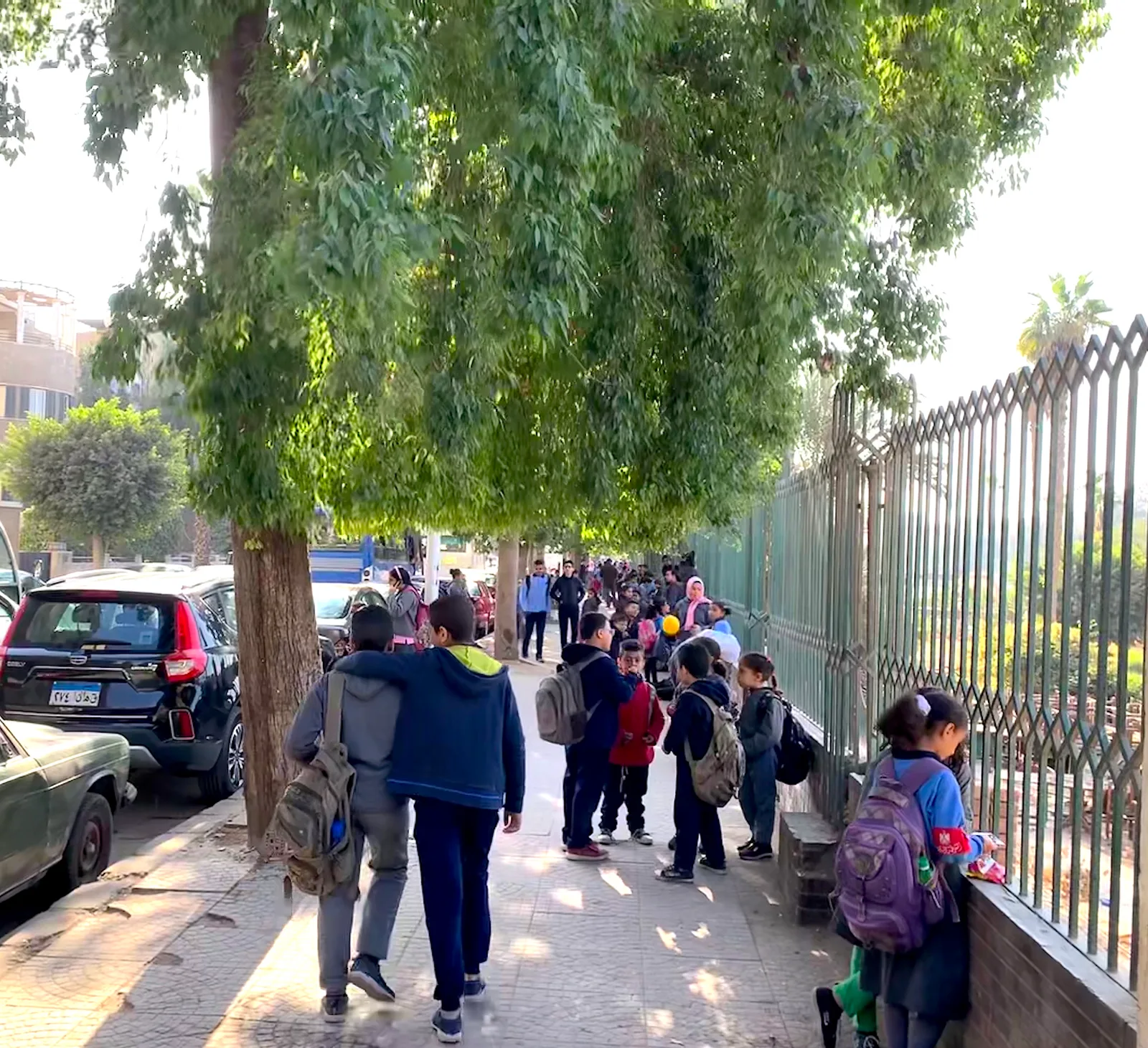
A Bag Heavier Than the Child: How Much Should a School Backpack Weigh, and How Do You Protect Your Child's Back?
With the first week of school, one question is asked in every home: how many kilograms can a child's back take? We explain the 15 per cent rule recommended by the American Academy of Pediatrics, read an Egyptian study from Menouf that found three-quarters of pupils complaining of back pain, then set out a bathroom-scale method and simple daily steps that lighten the load before it turns into a pain that follows the child for life.
September 15, 2026 · 7 min read

Pocket Money, the First Lesson in Economics: How to Teach Your Child the Value of Money and Saving
Before algebra and geometry, your child takes their first economics lessons at the kiosk outside the school gate and in a small piggy bank. A practical guide, age by age: when to start pocket money, how to divide it between spending, saving and giving, and why it should never be tied to school grades or turned into a weapon of punishment.
September 3, 2026 · 7 min read
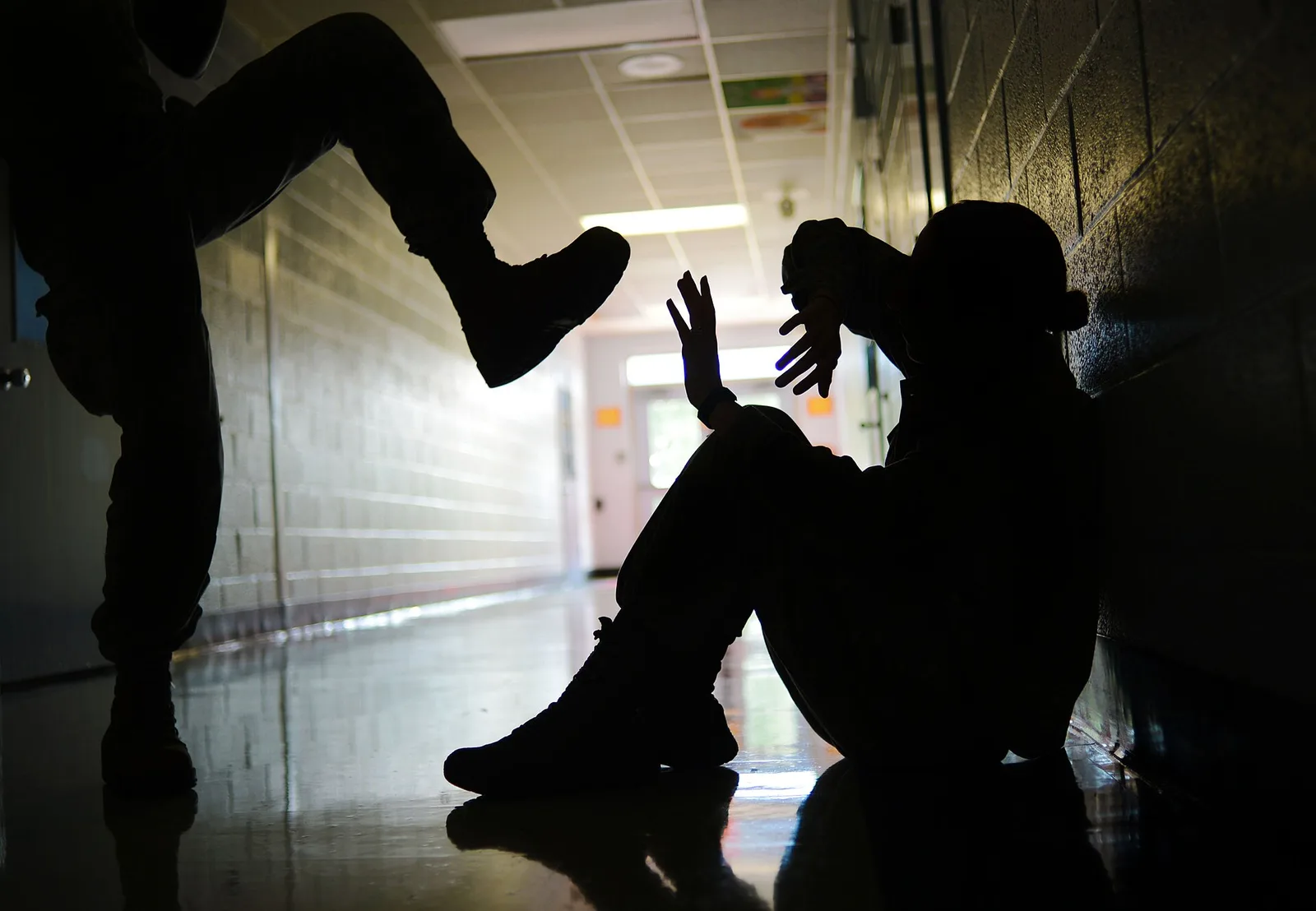
Bullying Among Children: How to Protect Your Child — Whether Victim, Bystander or Bully
When does a playground scuffle become bullying? A practical guide for parents: the silent signs a child hides, the safe conversation that opens him up, documented steps for approaching the school, and real alternatives to the advice to "hit back" — plus what to do when your own child is the bully, without humiliation or denial.
August 27, 2026 · 8 min read