Siwa: Egypt's Far-Western Oasis of Salt Lakes, Palm Groves and the Oracle of Amun
Hundreds of kilometres from the noise of the cities, Siwa Oasis rests among salt lakes and groves of palm and olive, guarding a unique Amazigh heritage and a temple that Alexander the Great crossed the desert to consult more than two thousand years ago.
In the far reaches of Egypt's Western Desert, more than seven hundred kilometres from Cairo and only about fifty from the Libyan border, Siwa Oasis lies in a depression that sinks below sea level. For centuries the desert's isolation was not a curse but the secret of the oasis's character: it preserved a language, an architecture and a way of life found nowhere else in Egypt. Only when a paved road arrived in the 1980s did Siwa truly open its gates to visitors.
Siwa owes its ancient fame to the Temple of the Oracle of Amun in the village of Aghurmi, one of the most celebrated seats of prophecy in the classical world. It was to this temple that Alexander the Great came in 331 BC, crossing the desert on a perilous journey, to emerge from his meeting with the priests proclaimed a son of the god Amun — a moment that cemented his legitimacy as ruler of Egypt and has fascinated historians ever since.
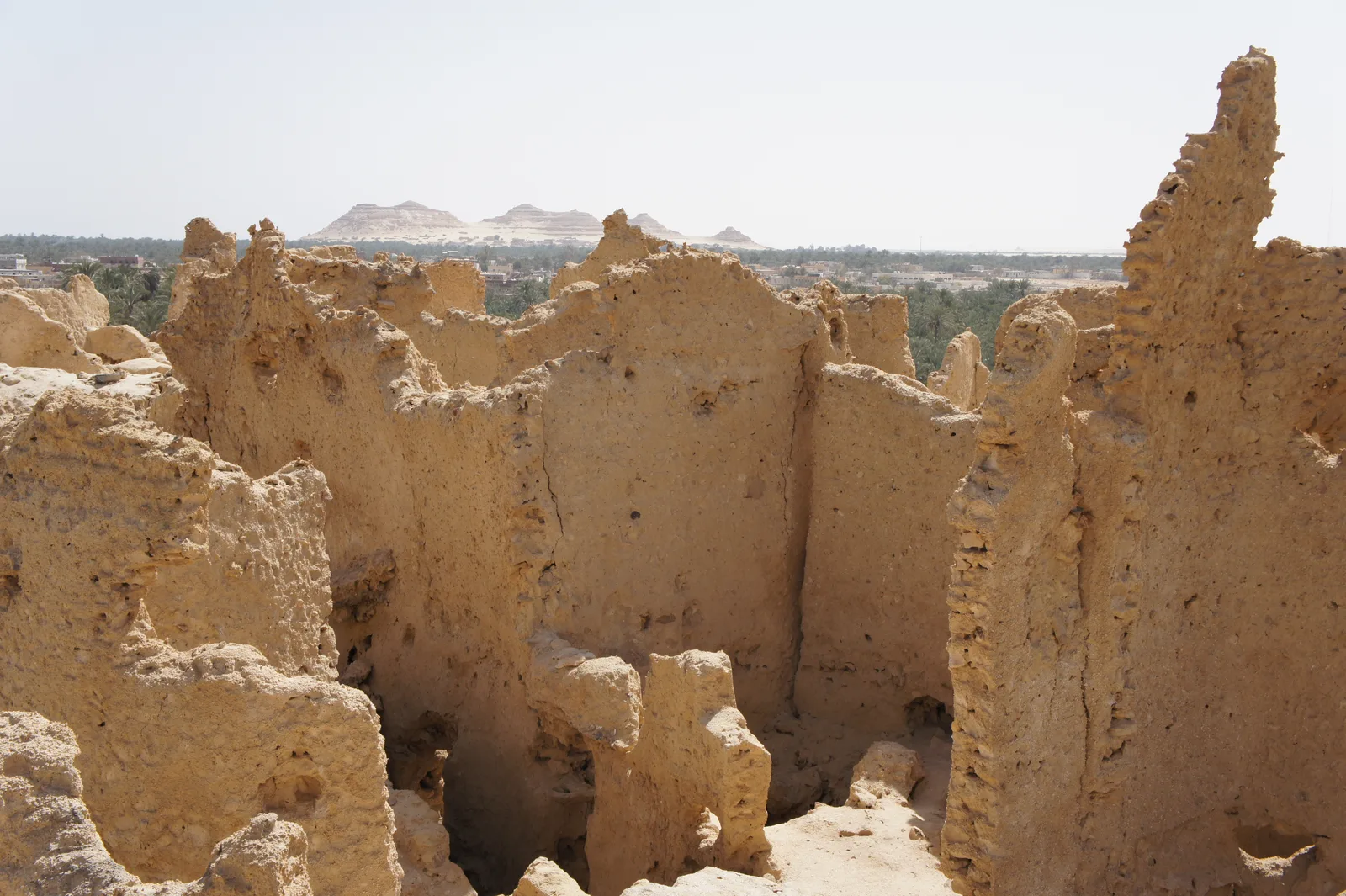
At the heart of the oasis stand the ruins of the Shali fortress, the old town the Siwans built from kershef, a mixture of salt-saturated mud and gravel. Shali withstood raiders and the harshness of the desert for centuries, but rare torrential rains in the early twentieth century dissolved its salty walls, and its people moved into newer houses around it. At sunset the fortress now looks like a vast natural sculpture, and parts of it are being restored using the same traditional materials.
Siwa is living culture as much as stone and history. Its Amazigh people speak their inherited Siwi language alongside Arabic and keep long-standing traditions in weddings, festivals and dress. The women of the oasis are famed for silver jewellery, embroidery and baskets woven from palm fronds. This cultural distinctiveness makes a visit a human experience before a touristic one — provided visitors respect the customs of a conservative community.
The salt lakes are Siwa's rising star of recent years: pools of startling turquoise ringed by white crusts of pure salt crystals, where the water's density lets swimmers float without effort, a scene many compare to the Dead Sea. Photographs of these lakes have become some of Egypt's most shared travel images, drawing a new kind of traveller in search of unspoilt nature.
Hundreds of springs are scattered across the oasis. The most famous is Cleopatra's Spring, a circular stone pool fed by fresh water for thousands of years and mentioned by ancient travellers. On the edge of the sand sea, visitors seek out Bir Wahed, where hot and cold springs sit close to the dunes, while Fatnas Island remains the classic spot to watch the sun sink behind palms and water in one of Egypt's most beautiful sunsets.
On the town's outskirts rises Gebel al-Mawta, the Mountain of the Dead, a hill honeycombed with hundreds of rock-cut tombs from the Late Pharaonic, Greek and Roman periods. Siwans sheltered there during the Second World War and rediscovered tombs decorated with coloured wall paintings, some still vivid today — testimony to the depth of history on which the oasis stands.
Economically, Siwan life has always rested on the date palm and the olive tree. Siwa's dates, olives and olive oil are among the finest in Egypt and reach markets at home and abroad, and the oasis is also known for natural mineral water bottled from its springs. Many visitors leave loaded with dates, oil and lamps carved from rock salt, a craft that has become a Siwan signature.
For the adventurous, Siwa is the gateway to the Great Sand Sea, one of the largest dune fields on Earth, stretching across vast tracts between Egypt and Libya. Four-wheel-drive safaris, sandboarding down towering dunes and nights in desert camps under skies crowded with stars, far from any light pollution, have made the oasis a favourite destination for desert tourism and camping.
Travellers usually reach Siwa by road from Marsa Matrouh on the north coast, a drive of several hours. Autumn through spring is the best season, with mild days and cool nights, while summer heat is punishing. Accommodation ranges from simple hotels to eco-lodges built in the traditional Siwan style from kershef and palm wood, offering a stay unlike any other in Egypt.
Siwa remains a rare example of a fragile balance between tourism and identity. An oasis that lived for centuries in isolation now welcomes its guests generously, but it is betting on responsible tourism that respects its environment and culture. Those who come seeking quiet and authenticity soon understand why its devotees say Siwa is not a place you visit, but a state of being you live.
Related Stories
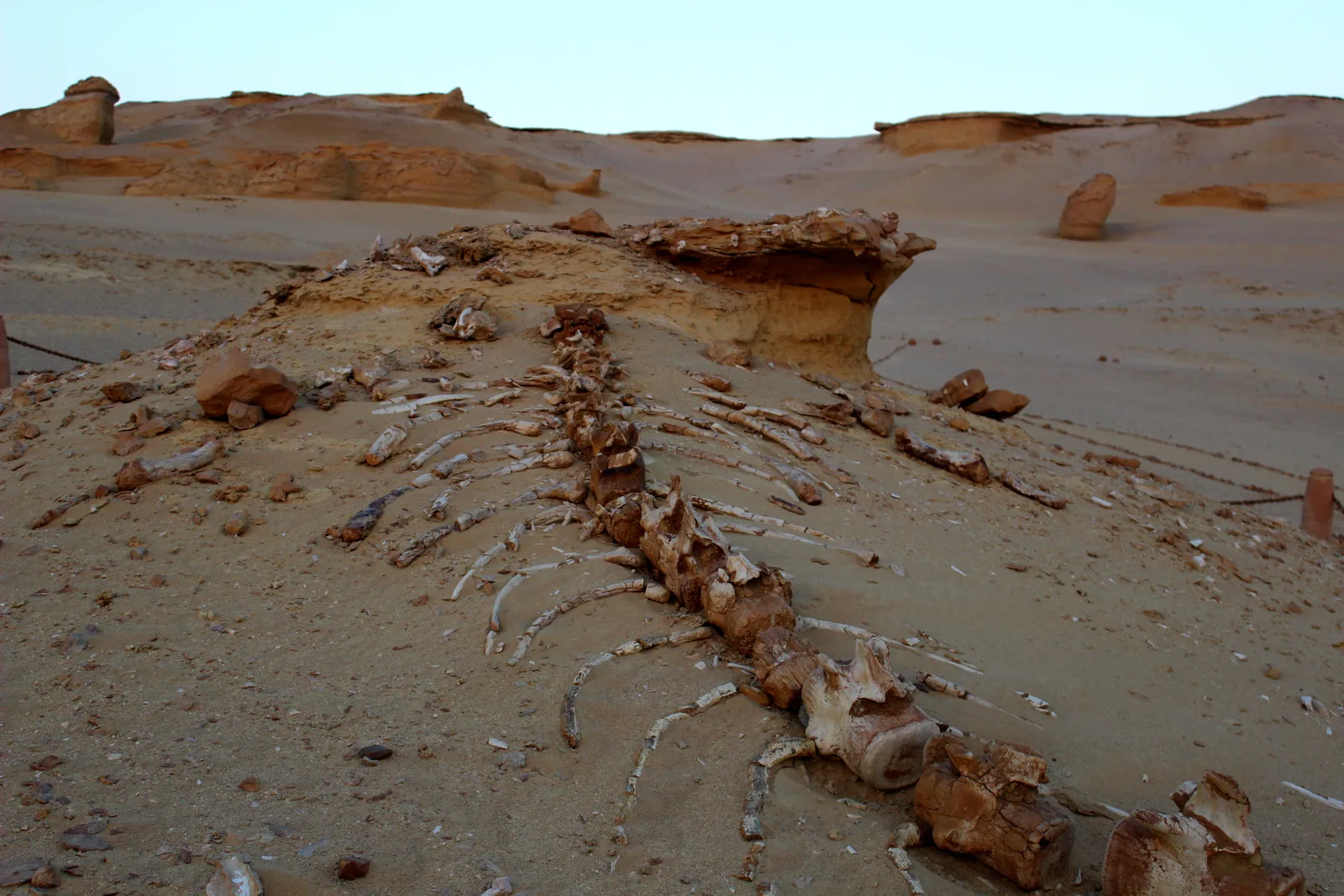
Wadi El Hitan, When Fayoum Was a Sea: A Day Trip from Cairo to a 40-Million-Year-Old Seabed
About three hours from the Cairo gridlock, an Egyptian family stands before the skeleton of a whale with hind legs, 40 million years old, in a desert that was once a seabed. Why did UNESCO choose Wadi El Hitan as Egypt's first natural site on the World Heritage List? And how can a single day take in the fossils, the Wadi El Rayan waterfalls and the pottery of Tunis village? A practical guide to a journey that needs no visa.
September 24, 2026 · 7 min read
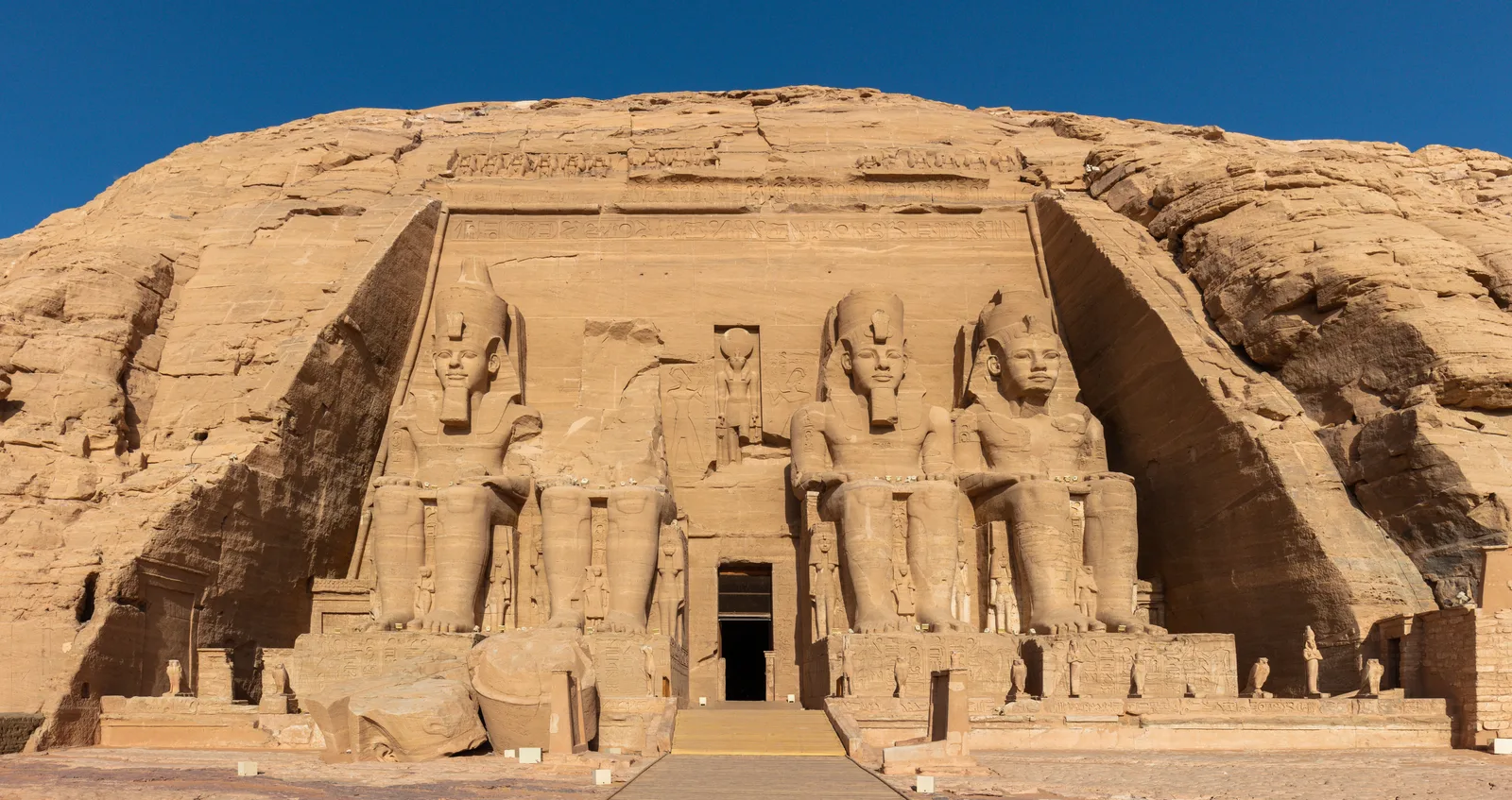
Abu Simbel: the temple the world lifted 65 metres so it would not drown, and the sun that comes back to it on 22 October
Shortly before sunrise on 22 October, people stand in the darkness of the great hall waiting for a thread of light to travel some sixty metres through solid rock and fall on the face of Ramses. Behind that moment lies the story of a twenty-year international campaign that lifted the temple, block by block, above the waters of Lake Nasser. Here is your guide to understanding the spectacle and planning an Aswan trip a month ahead of the date.
September 20, 2026 · 7 min read
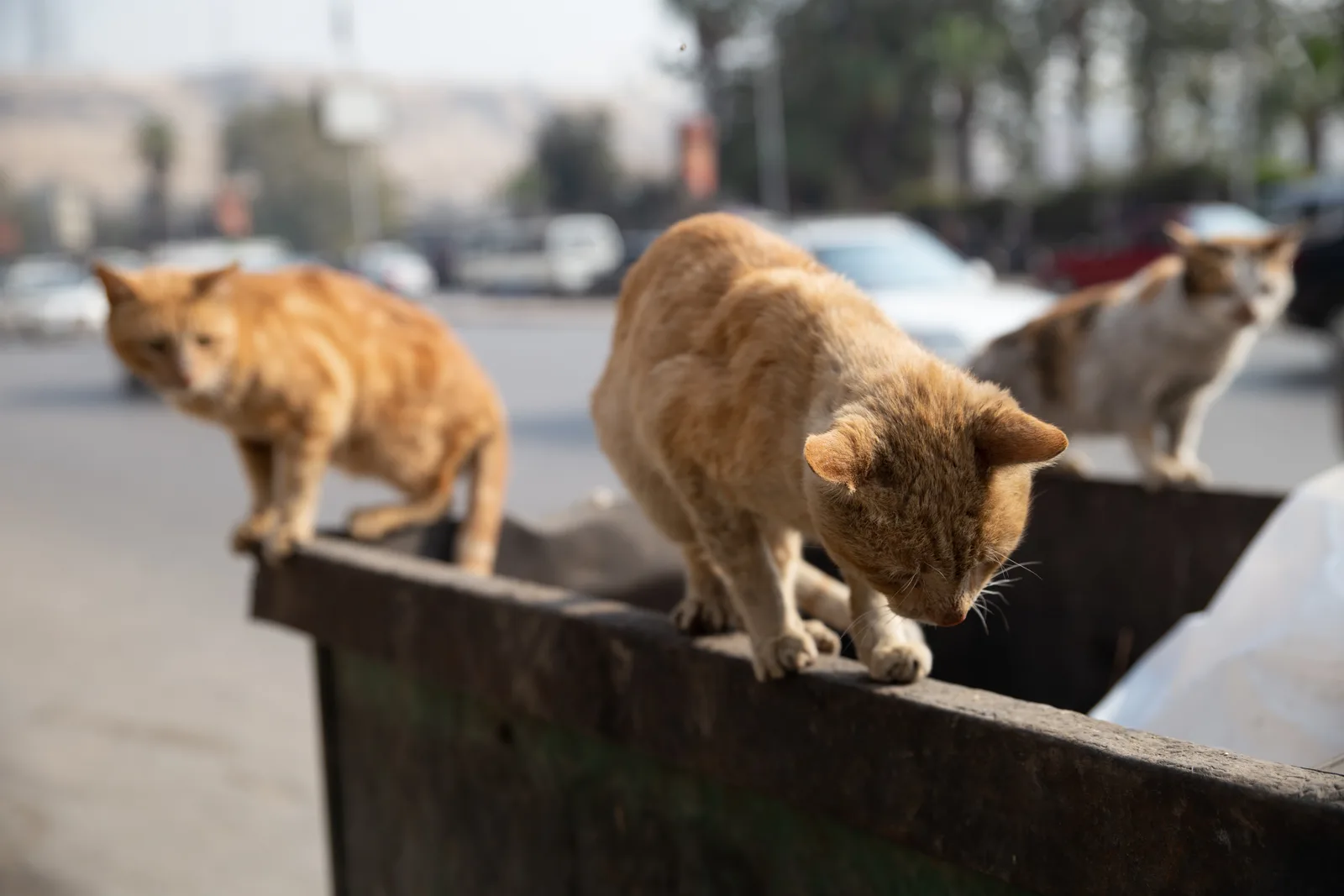
Keda Ghalat (That's Just Wrong): Harming an Animal Has Been a Crime Under Egypt's Penal Code Since 1937
A neighbour sets out poisoned bowls beside the school wall; a cart driver beats his donkey across the face to make it haul a load beyond its strength. Many assume that "just an animal" means no law protects it. In fact, Articles 355, 356 and 357 of the Penal Code punish killing, poisoning and harming animals with penalties that go as far as prison. On the eve of World Animal Day, we explain what the law says and what the right thing to do is.
October 3, 2026 · 6 min read