Beating the Heat: Recognising and Preventing Heatstroke in Egypt's Summer
Heatstroke is a medical emergency that kills quickly but is almost entirely preventable. A practical guide to recognising the danger signs and protecting outdoor workers and the elderly through Egypt's long, scorching summers.
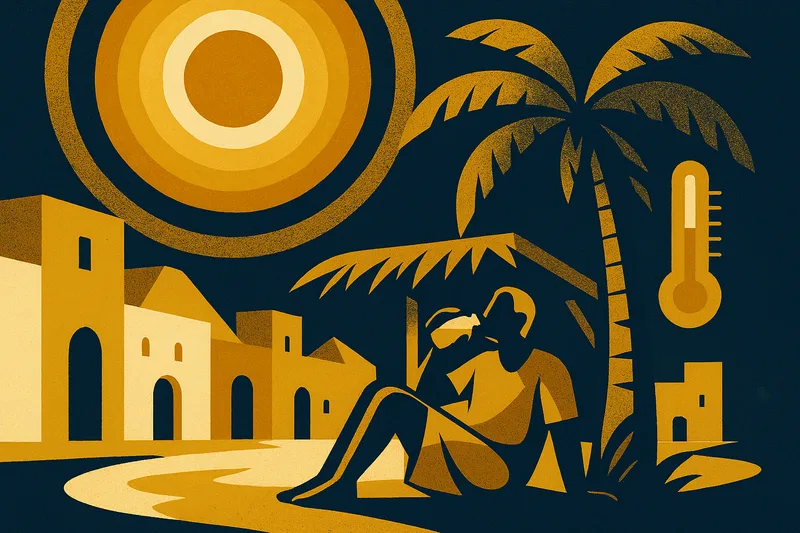
Egypt's summer is long and unforgiving. From May to September, temperatures across much of the country regularly climb well above thirty-five degrees Celsius, and in Upper Egypt the mercury can pass forty-five. On the coasts, humidity makes even moderate heat feel heavier. For most people this is an annoyance; for outdoor workers, the elderly, and the chronically ill, it is a genuine health hazard. Heat kills quietly every summer around the world, and most of those deaths are preventable with simple knowledge and simple habits.
The human body cools itself mainly by sweating and by pushing blood toward the skin. In extreme heat, especially with hard physical work or dehydration, these mechanisms can be overwhelmed. The result is a spectrum of heat illness: it begins with heat cramps, progresses to heat exhaustion, and can end in heatstroke, in which the body's core temperature rises to dangerous levels and vital organs — including the brain — begin to fail. Understanding this progression is the key to acting early, while the problem is still easy to reverse.
Heat exhaustion is the body's loud warning. Its signs include heavy sweating, weakness and fatigue, dizziness, headache, nausea, muscle cramps, and skin that feels cool, pale, and clammy, with a pulse that may be fast but weak. A person at this stage should stop all activity immediately, move to shade or a cool room, loosen clothing, sip water, and cool the skin with wet cloths. Most people recover within an hour. If symptoms worsen or persist, or if vomiting prevents drinking, medical help is needed without delay.
Heatstroke is a different matter entirely: it is a medical emergency in which minutes count. Warning signs include a body temperature around forty degrees Celsius or higher, hot and flushed skin that may be dry because sweating has stopped, a rapid strong pulse, throbbing headache, confusion, slurred speech, agitation, fainting, or convulsions. An older person who suddenly becomes confused during a heat wave should be assumed to have heat illness until proven otherwise. In Egypt, the ambulance service is reached on 123 — call first, then start cooling.
While waiting for help, cooling the person is itself the treatment. Move them to shade or air conditioning, remove excess clothing, and cool the body by any means available: spray or sponge the skin with water, fan them vigorously, and place cold wet cloths or ice packs on the neck, armpits, and groin, where large blood vessels run close to the skin. If the person is fully conscious, offer small sips of water. Never give fluids to someone who is confused or unconscious, and never leave them alone.
Outdoor workers carry the heaviest risk: construction crews, farmers, delivery riders, street vendors, and traffic police spend hours in direct sun, often doing heavy work. International occupational-health guidance is consistent: schedule the hardest tasks for early morning and late afternoon, provide shaded rest areas, and encourage drinking water every fifteen to twenty minutes rather than waiting for thirst. New workers need several days to acclimatise before taking on full loads in the heat, and a buddy system matters, because a worker developing heatstroke often cannot recognise his own confusion.
The elderly are the other quiet casualty of summer. Aging bodies sweat less, sense thirst more weakly, and adjust to temperature changes more slowly. Chronic conditions such as heart disease, kidney disease, and diabetes further impair heat tolerance, and common medicines — including diuretics and some blood-pressure and psychiatric drugs — reduce the body's ability to cope. During hot spells, elderly relatives and neighbours who live alone should be checked on daily. Warning signs to ask about include reduced urination, dizziness on standing, unusual fatigue, and any new confusion.
Keeping a home livable in extreme heat takes strategy, not just endurance. Close curtains and shutters on sun-facing windows during the day, and open windows at night when the outside air cools. A fan helps sweat evaporate, but at very high temperatures it can simply blow hot air; combining it with a wet cloth on the skin or a cool shower works better. Spend the hottest hours in the coolest room of the house, avoid cooking on the stove at midday, and keep drinking water within easy reach.
Hydration and clothing are the everyday armour. Drink water at regular intervals rather than waiting for thirst, and go easy on strong coffee and tea, which increase fluid loss. Wear light-coloured, loose-fitting cotton clothing, cover the head outdoors, and use shade whenever possible — the hours between noon and four in the afternoon are the most dangerous. Those fasting during hot months should hydrate well between sunset and dawn, and religious scholarship has long recognised that genuine danger to health is a legitimate ground for exemption.
Finally, heat safety is a shared responsibility, not only an individual one. Employers who adjust working hours in summer protect both their workers and their productivity. Families who plan visits and phone calls around heat waves protect their elders. Anyone who can tell the difference between heat exhaustion and heatstroke — and who knows to call 123 and start cooling immediately — may one day save a life. Egypt's summer is not going to get milder; our habits can get smarter.
Related Stories
Pink October: a free check-up at the nearest health unit – why early detection is changing the fate of Egyptian women
“Nothing hurts” is no reason to put it off. Since July 2019, Egypt's health units have opened their doors free of charge to every woman aged 18 and over, and by June 2026 the share of cases caught at a late stage had fallen from 60% to 19.5%. We explain what happens at the unit, which signs call for a visit, and why fear and stigma keep delaying this check-up.
October 2, 2026 · 7 min read
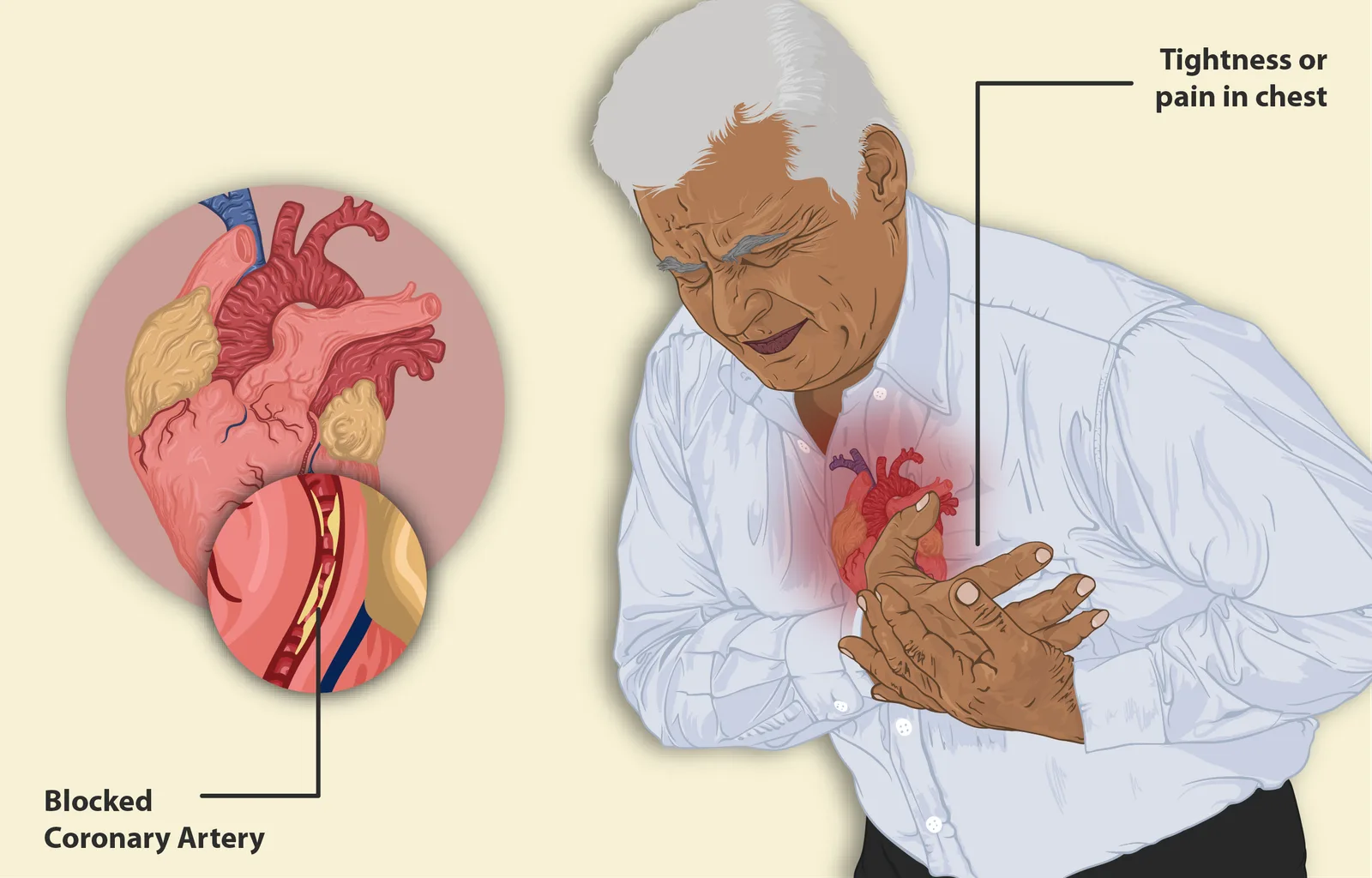
On World Heart Day: How to Spot Angina and a Heart Attack in Time, and What to Do First
A man in his fifties puts the heaviness in his chest down to "heartburn" from a heavy dinner and postpones the hospital until morning. On World Heart Day we explain the difference between angina, a heart attack, cardiac arrest and stroke, the warning signs listed by the World Health Organization, including how they differ in women, and what to do in the first minutes: call 123, which is free, sit down, and do not drive.
September 29, 2026 · 7 min read
Mental Health Is Not a Luxury: When Does Sadness Become an Illness, and Where Can You Find Help Without Stigma?
Caught between "man up" and "you just need more faith," people living with depression and anxiety wither in silence. A practical guide that separates passing sadness from an illness that requires treatment, explains the difference between a psychiatrist and a psychologist, and maps out the road to help in Egypt — in words that open the door instead of slamming it shut.
August 31, 2026 · 7 min read