“Tea After Meals Blocks Iron”: The Mothers’ Warning Science Confirmed, and a Simple Fix
It is rare for a warning from the Egyptian kitchen to be backed so clearly by the laboratory. Black tea taken with a meal cuts the absorption of iron from bread, lentils and vegetables by startling margins, and milk does not rescue it. But the answer is not to banish the tea tray; it is to hold it back by a single hour, and to put a wedge of lemon on the table. We lay out the evidence, and why it matters for Egypt in particular.
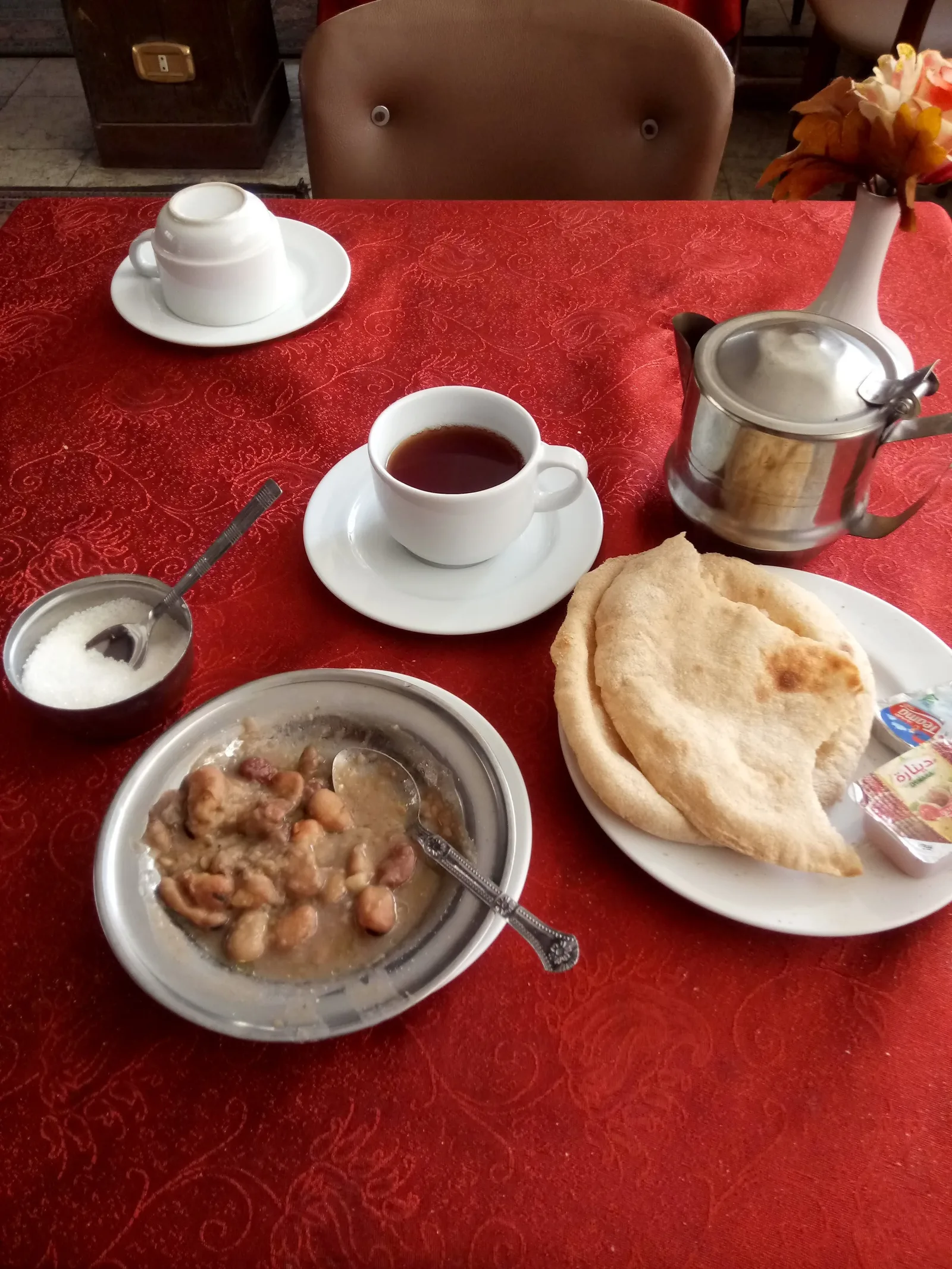
The tea tray reaches the table before the last plate has been cleared. That is how it goes in countless homes from Alexandria to Aswan: the flame under the food is turned off and the flame under the kettle turned on, and the glasses are lined up at the very moment the last morsel is wiped from the plate. And somewhere in the middle of this daily ritual a sentence comes from the mouth of a mother or a grandmother, in a tone halfway between advice and reproach: “Tea with your food blocks the iron.” Those around the table smile, drink, and file it under the things that are said but never heeded.
In this column we make a habit of testing household warnings, and most of them turn out to be exaggerated or imprecise. This one is different, and our verdict is clear from the first line: the claim is true. Black tea drunk with a meal, or immediately after it, cuts the absorption of plant-based iron by large margins that controlled trials have demonstrated, and adding milk does not cancel the effect. Yet the full picture is kinder than it sounds: the remedy is not to give up tea, but to change when it is drunk and what sits beside it on the table.
First, the why. Iron comes in our food in two forms. Haem iron, found in meat, fish and liver, is absorbed efficiently by the body and is little affected by what we drink alongside it. Non-haem iron, found in bread, ful (stewed fava beans), lentils, spinach, molokhia (the jute-leaf stew that is a staple of the Egyptian table) and vegetables generally, is the form most present on the Egyptian table and the hardest to absorb. Tea is rich in compounds called polyphenols, among them the tannins that give it its colour and its bitterness, and these bind to plant iron in the stomach and gut, forming a complex the body cannot absorb. It leaves the way it came in.
The best-known evidence comes from a trial published in the British Journal of Nutrition in 1999 by three researchers, Hurrell, Reddy and Cook. The researchers gave volunteers a bread meal with different drinks and measured iron absorption using labelled isotopes. The result: black tea reduced non-haem iron absorption by between 79 and 94 per cent depending on its polyphenol dose, cocoa reduced it by about 71 per cent, and even the herbal drinks we think of as harmless did not escape: peppermint cut absorption by about 84 per cent and chamomile by about 47 per cent. The higher a drink’s polyphenol content, the stronger its inhibiting effect.
And here a popular household trick falls apart. Many believe that tea with milk is gentler, that the milk “breaks” the tea’s effect. The same study tested that idea and found that adding milk to tea or coffee had, in the researchers’ own words, “little or no influence” on their ability to inhibit absorption. In fairness, it should be said that these trials were small and were run under laboratory control with a simple bread meal, so the figures represent the maximum effect under specific conditions; but the overall direction is consistent across the research and is not in dispute.
The good news came eighteen years later. In December 2017 the American Journal of Clinical Nutrition published a trial on twelve healthy women in Britain that used a stable iron isotope to measure what the body actually absorbed. When tea was drunk with the meal, iron absorption fell by about 37 per cent compared with water; but when the tea was delayed by one hour after the meal, the drop shrank on average to about 18 per cent. In other words, a single hour cuts the tea’s effect roughly in half. The sample is small, as you can see, but the message is practical and direct: timing alone makes a difference.
Someone might object that all this concerns other peoples. In fact it concerns us more than most. A compilation of the Food and Agriculture Organization’s food balance data for 2022 puts Egyptian tea consumption at around 840 grams per person per year, a figure that places Egypt in the top third of the list of countries, though not at its summit. More important than the figure is the manner: here, tea is not sipped on its own in mid-morning but taken as the companion of food, after breakfast, after lunch and after dinner, in the field, in the workshop and at the desk. Our habit, in other words, pairs tea with the meal at precisely the moment when it does the most harm.
That habit runs up against a genuine health problem. According to the 2014 Egypt Demographic and Health Survey, about 27 per cent of children aged six months to five years were anaemic, with the rate rising to roughly half among infants aged nine to eleven months, and about a quarter of ever-married women were anaemic, an improvement on 39 per cent in 2005, with higher concentrations in rural areas and the frontier governorates. In a 2025 statement, the World Food Programme cited a more recent figure from a 2021 report by the Central Agency for Public Mobilization and Statistics (CAPMAS) putting anaemia at 43 per cent among children under five; we report it as given, and as of this writing we have not been able to match it to a published national survey.
It is for exactly this reason that the state fortifies the flour for baladi bread, the subsidised flat loaf that is the staple of every Egyptian household, with iron. As far as we know, the national programme to fortify flour with iron and folic acid began in 2008 and its loaf reached tens of millions of Egyptians before the effort faded; it was revived in March 2025 on the initiative of the Ministries of Supply and Health together with the National Nutrition Institute and the World Food Programme, starting with the thirteen governorates with the highest anaemia rates and training more than six hundred mill workers across the country. The idea is simple: the loaf reaches every home, so why not have it carry a dose of iron with it?
But here lies a paradox worth stating plainly. The iron added to the flour is non-haem iron, the very type that tea’s tannins bind to. If we eat the fortified loaf with ful and cheese and then follow it straight away with a glass of strong black tea, we may be throwing away a large share of the iron the state paid for and put into the bread. The matter, then, is not only a piece of personal health advice but a small link in a public policy that starts at the mill and is only completed at the table.
So what is to be done? First, timing: leave at least an hour between the meal and the glass of tea, which the 2017 trial showed cuts the effect roughly in half. Second, vitamin C: it is the natural adversary of tannins, because it converts plant iron into a form that is easier to absorb, so a wedge of lemon squeezed over the salad or the ful, a tomato or a green pepper, an orange or a guava after the meal, all push in the opposite direction to the tea. Third, do not count on milk; the science has not come to its rescue. Fourth, remember that the iron in meat and fish is only slightly affected by tea, so the warning applies mainly to the plant-based table.
We are careful here not to tip into the opposite exaggeration. Nobody is asking you to give up tea; it is a drink with its benefits and its standing, not a poison, and a healthy body makes up part of the shortfall by absorbing more efficiently when its stores run low. But the priority belongs to the most vulnerable: young children, pregnant and breastfeeding women, girls at puberty, and those who live mainly on bread and pulses. And anyone who feels constantly tired and pale, dizzy on standing, or has a strange craving to eat ice or clay, needs a complete blood count from a doctor, not iron tablets bought over the counter without a prescription, because too much iron does harm of its own.
It remains to be said that anaemia in Egypt is not a matter of tea alone; there is poverty, there are parasites, there is a lack of dietary variety, and there is too little awareness in the first months of breastfeeding. But the timing of the glass of tea is still the cheapest and easiest thing to change: it needs no budget and no ministerial decree, only an hour of patience and a wedge of lemon.
Let us return to the table where we began. The mother who kept saying her sentence while everyone smiled was right, and she had on her side researchers in Switzerland and America, and later a laboratory in Britain, of whom she had never heard. There is no need to banish the tray from the table; it only has to come a little later: the plates are cleared and washed, an orange is peeled, the television goes on, and then the tea arrives at its new hour, as good as ever, having given the body its chance to take its share of the iron that came in the loaf and the plate of lentils. One small habit changed, and the generation eating beside you at the table is the safer for it.
Related Stories
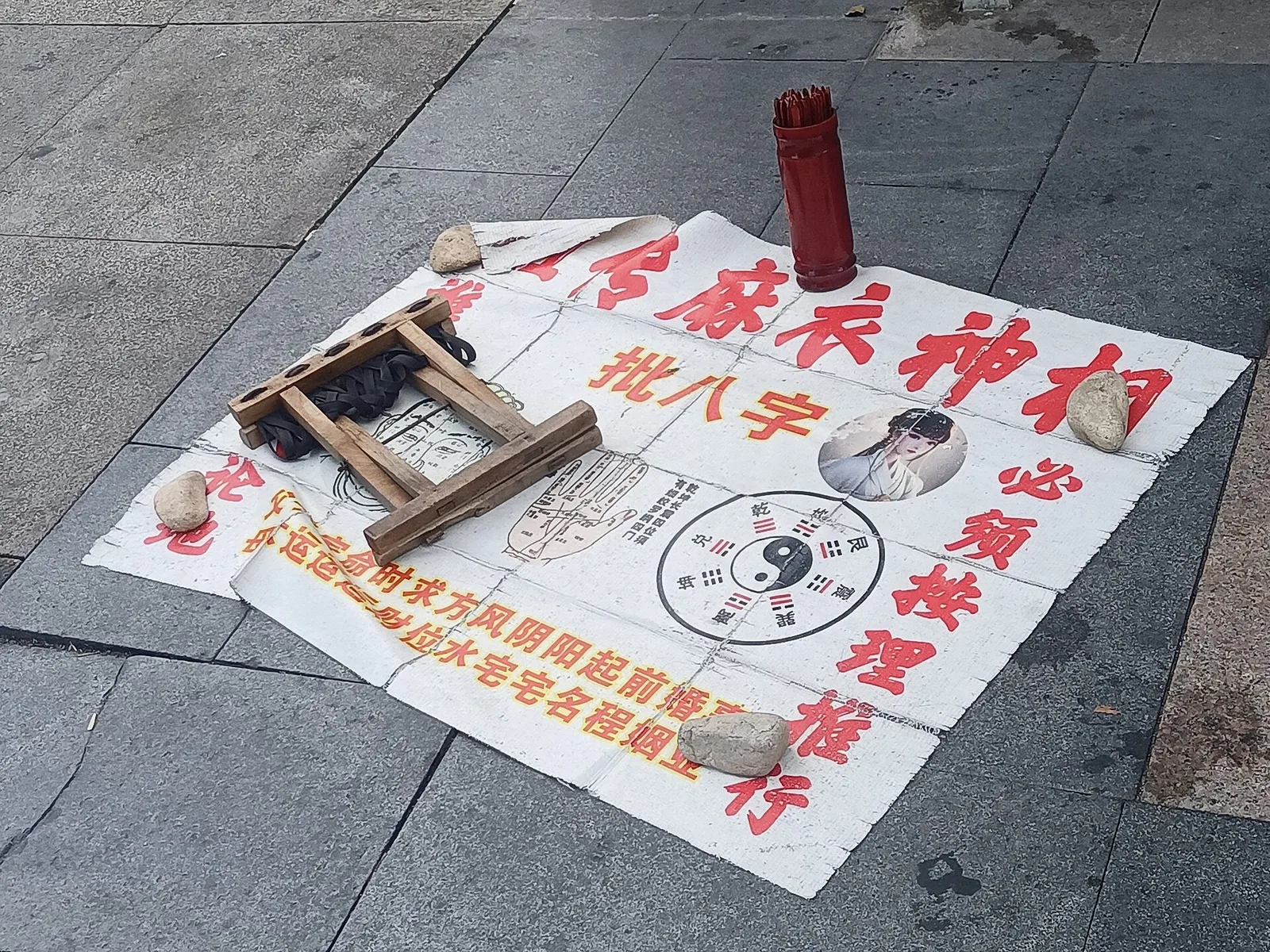
Horoscopes and Palm Reading Under the Microscope: Why Do We Believe Predictions That Fit Everyone?
One personality profile handed to an entire class — and most students judged it "remarkably accurate." Astrologers who failed a test they themselves had helped design, in the pages of Nature. We take apart the secret of predictions that fit everybody, and hand you a practical test for any "reading" before you pay a penny for it or build a decision on it.
September 5, 2026 · 7 min read
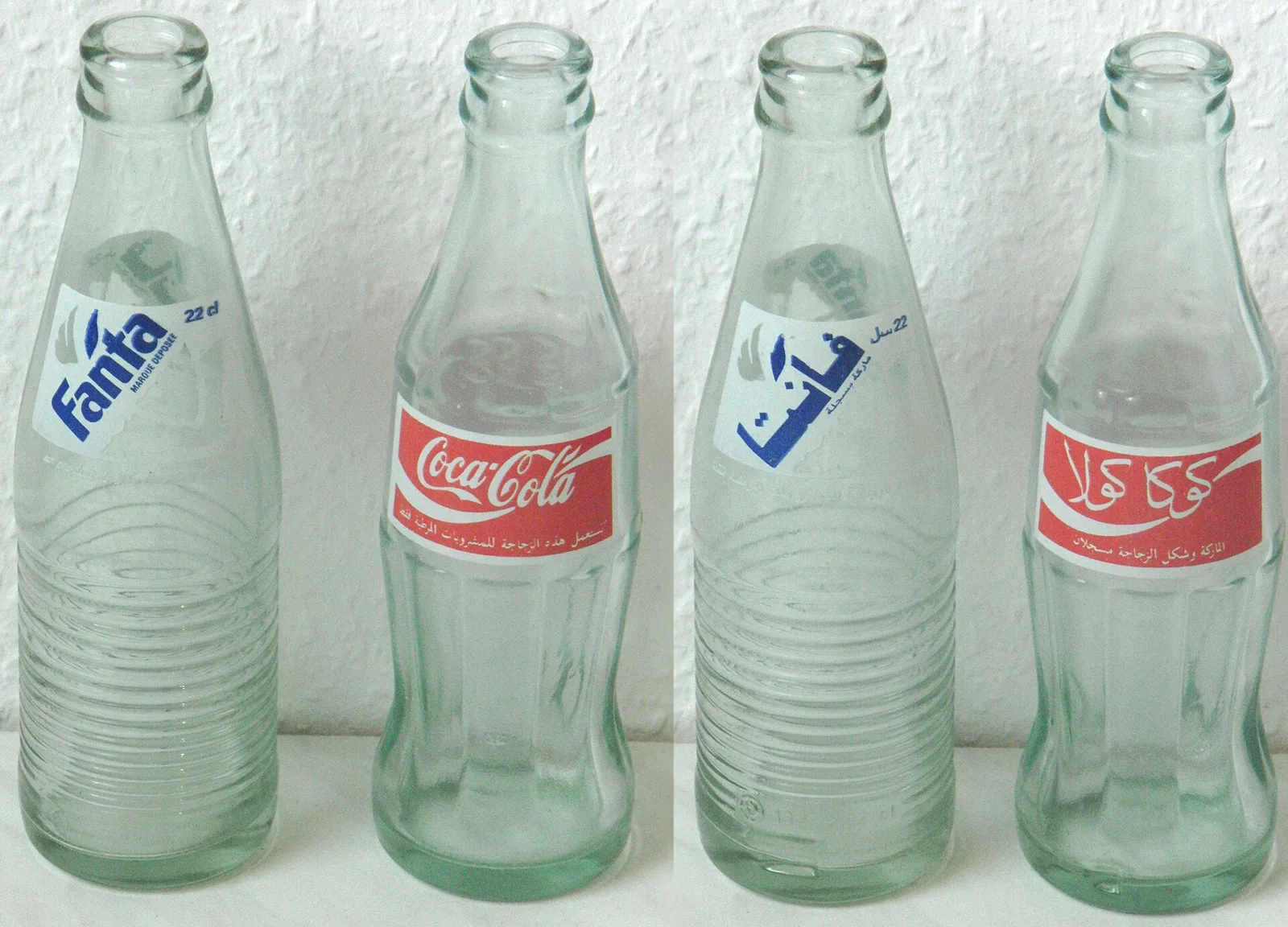
"Fizzy Drinks Dissolve Your Bones": The Truth Behind Egypt's Most Famous Household Warning
A tooth left in a glass of cola corrodes within days — but does your skeleton melt with every sip? We follow the trail from the kitchen-shelf experiment to the Framingham study and find a truth calmer than the panic and more serious than the shrug: the danger lies in sugar and excess, not in "melting bones".
August 29, 2026 · 6 min read
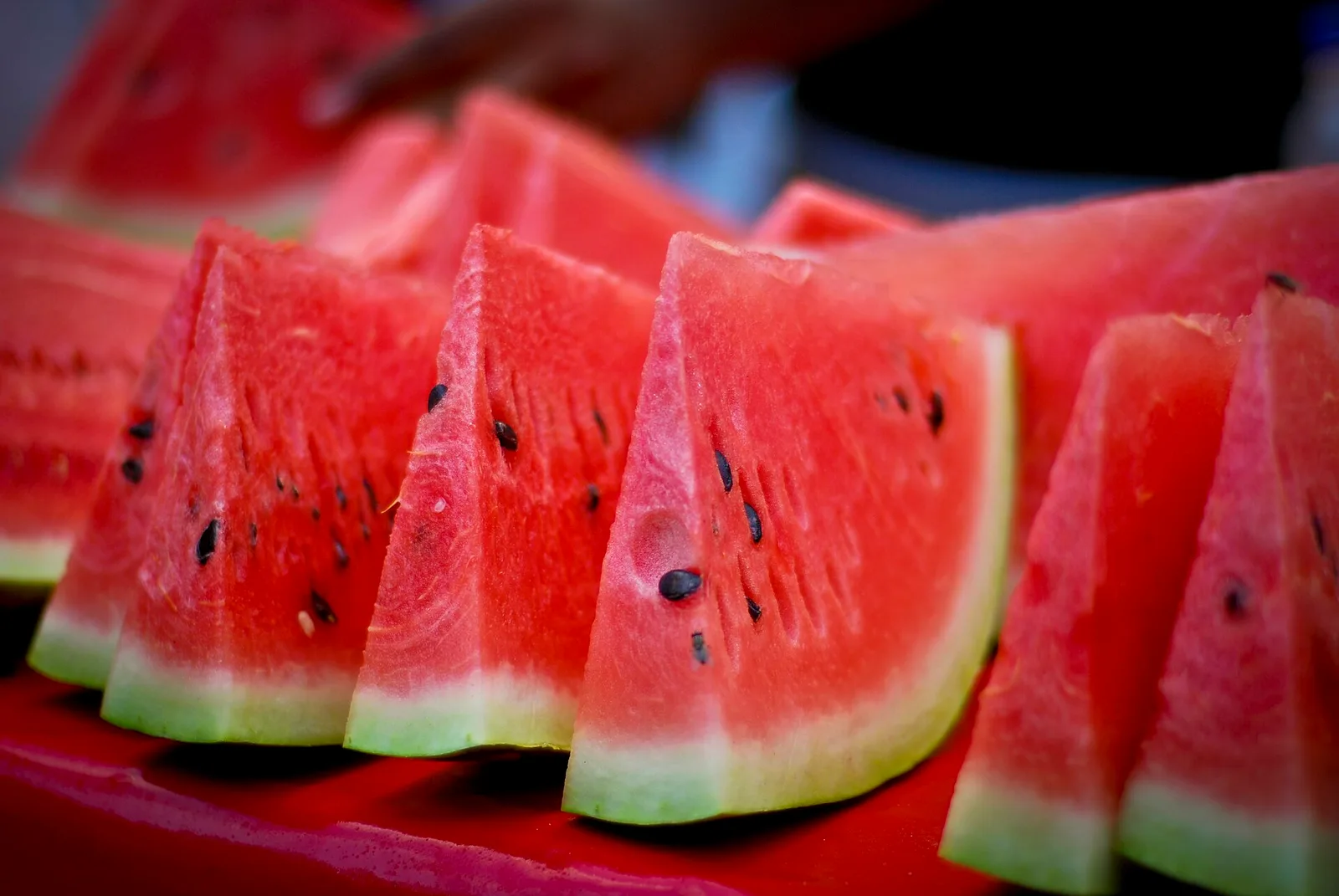
No, Egypt's Watermelons Are Not Being Injected With Dye
Viral videos claim Egypt's watermelons are injected with dye. We checked official statements and scientific fact-checks: no documented case exists, and injection would visibly ruin the fruit within hours. Verdict: false — plus how to pick a good watermelon.
August 21, 2026 · 5 min read