On World Heart Day: How to Spot Angina and a Heart Attack in Time, and What to Do First
A man in his fifties puts the heaviness in his chest down to "heartburn" from a heavy dinner and postpones the hospital until morning. On World Heart Day we explain the difference between angina, a heart attack, cardiac arrest and stroke, the warning signs listed by the World Health Organization, including how they differ in women, and what to do in the first minutes: call 123, which is free, sit down, and do not drive.
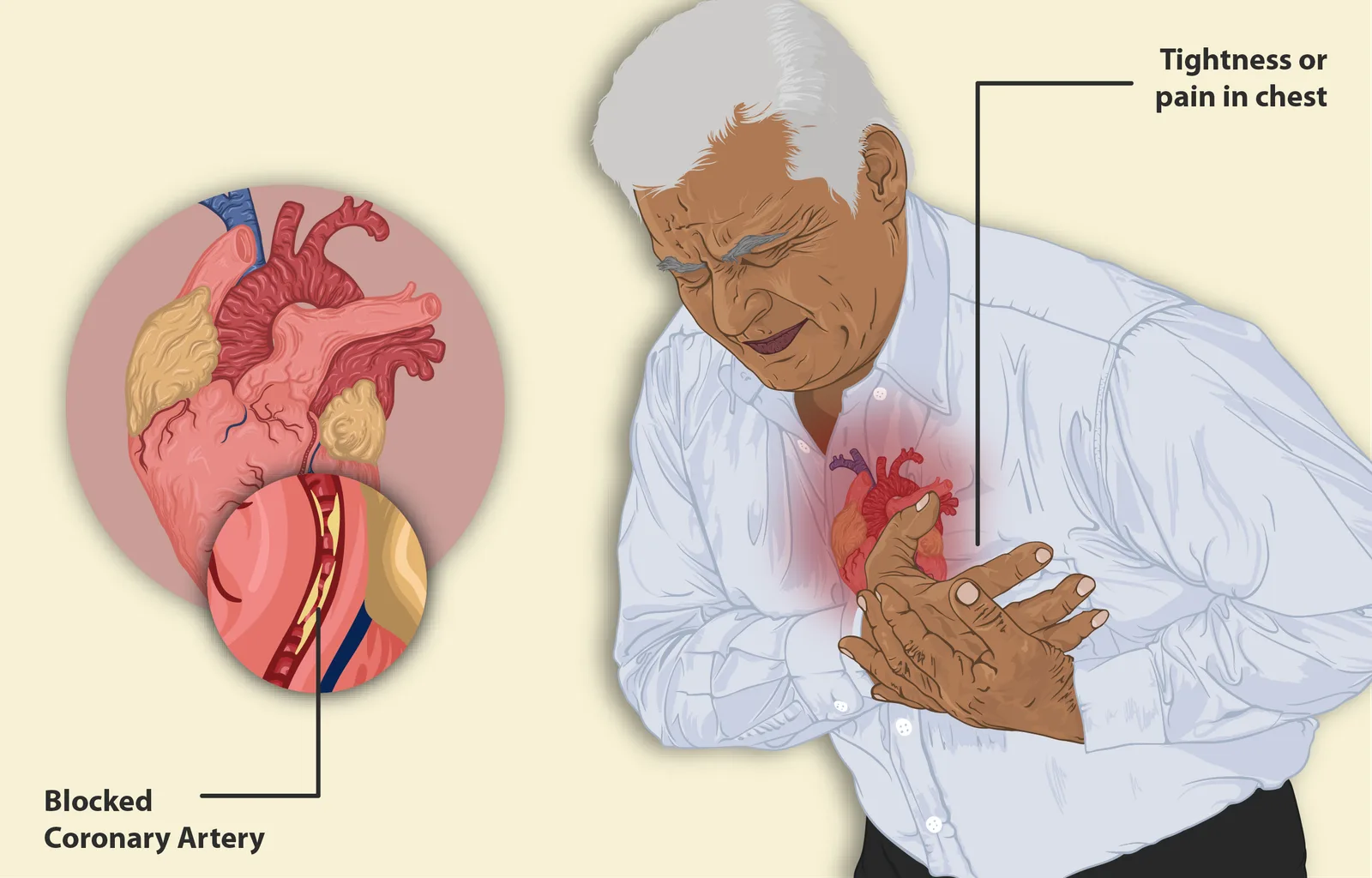
It is nearly eleven at night. A man in his early fifties is sitting on the sofa after a heavy dinner, rubbing the middle of his chest with his palm and telling his wife it is "heartburn". But the heaviness is nothing like the heartburn he knows; it is a pressure, as though someone were sitting on his chest, and with it come a cold sweat and mild nausea. His wife suggests the hospital. He answers with the line every Egyptian household knows: "If it hasn't gone by morning, we'll go." That sentence is the most dangerous thing anyone can say at that moment.
We write on the occasion of World Heart Day, which falls on 29 September every year and is led by the World Heart Federation. On 27 July 2026 the federation announced the launch of this year's campaign under the slogan "Don't Miss a Beat", for the second year running, a campaign built on three pillars: see the signs, protect your heart, and demand action. The numbers justify that focus on the signs. The World Health Organization estimates that around 19.8 million people died of cardiovascular disease in 2022, close to 32 per cent of all deaths worldwide, and that 85 per cent of them died specifically of a heart attack or a stroke: two well-known events whose warning signs can be learned.
Let us start with the words, because confusing them costs lives. "Angina" is pain or tightness in the chest that occurs when blood flow to the heart muscle is temporarily reduced; it usually comes on with exertion and eases with rest, and it is an early warning that the arteries are narrowing. What Egyptians call "the galta", literally "the clot", is a myocardial infarction, or heart attack: a blockage that starves part of the muscle of blood, so that it begins to die with every passing minute. Then there is "cardiac arrest", which is something else entirely: the heart suddenly stops pumping, and the person collapses unconscious, with no pulse. And finally there is "stroke", which is not in the heart at all, but a cut-off of blood to part of the brain.
The World Health Organization sets out a clear list of the signs of a heart attack: pain or discomfort in the centre of the chest, or in the arms, the left shoulder, the elbows, the jaw or the back. It may be accompanied by shortness of breath, nausea or vomiting, light-headedness or fainting, a cold sweat and pallor. The pain need not be a sharp stab; many describe it as a "heaviness" or a "burning", which is exactly why our man takes it for heartburn.
And here is a point that escapes many households: women do not necessarily present the classic picture of chest pain. The World Health Organization says in so many words that women are more likely than men to experience symptoms such as shortness of breath, nausea or vomiting, and back or jaw pain. A woman in her sixties complaining of an unexplained "tiredness", breathlessness and pain in her jaw since the morning may be in the middle of a heart attack. So the right question is not "Is the chest pain severe?" but "Is this something that has never happened to her before?"
Why do people fall into the "heartburn" trap? Because admitting that this is the heart and not the stomach means fear, a hospital and expense in the middle of the night. But the logic is simple: better to err on the side of caution and lose a night in the emergency department than to err on the side of complacency and lose a lifetime. The World Health Organization stresses the importance of detecting heart disease early in general, so that treatment can begin in time. As for the moment of pain itself, there is, as far as we know, no home method that can settle the question; it is settled by an ECG, blood tests and a doctor's examination in a properly equipped place.
So what do you do in the first minutes? First, call an ambulance on 123, Egypt's emergency number. The Egyptian Ambulance Organization confirmed in October 2024 that emergency services through this number are free of charge around the clock, and it mentioned cardiac arrest cases explicitly, so let no calculation of cost stop you from calling. Second, sit or lie down and stop all exertion. Third, do not drive yourself: someone driving during a heart attack may lose consciousness on the road; and if you are alone, open the front door of the flat so the paramedics can reach you. Fourth, tell whoever answers clearly: "chest pain", the address, your age and your chronic conditions, then follow their instructions, and do not take any medication you are unfamiliar with on your own initiative.
If, on the other hand, someone in front of you suddenly collapses, does not respond and is no longer breathing normally, that is most likely cardiac arrest, and time here is counted in seconds. Call 123 at once, and if you know cardiopulmonary resuscitation, start pressing hard and fast on the centre of the chest and do not stop until the team arrives. Ask whoever answers to guide you as you go; in many countries the dispatcher talks the caller through it step by step, and we do not know for certain, as of the time of writing, whether that is an established service at Egypt's ambulance service. We refer readers here to our investigation published yesterday in our "Al-Haqiqa" fact-checking section on the claim that "coughing hard can save you from a heart attack", so as not to repeat its details; suffice it to say that what saves someone whose heart has stopped is the person pressing on their chest and calling an ambulance, not coughing.
No such discussion is complete without the signs of stroke as the organization defines them: sudden weakness or numbness in the face, arm or leg, often on one side; confusion or difficulty speaking or understanding speech; difficulty seeing; difficulty walking, dizziness or loss of balance; a severe headache with no known cause; and fainting. Ask the person to smile, raise both arms and say a complete sentence. If one side of the face droops, an arm drifts down or the speech is slurred, call 123 and do not wait for them to "come round".
How much do Egyptians lose to these diseases? The figures vary by source and by year. The World Heart Federation's observatory estimates that cardiovascular disease caused 38.7 per cent of deaths in Egypt in 2021, and puts the number of deaths from it at around 334,000 (a 2024 estimate). An article published in 2021 in the journal Circulation, put out by the American Heart Association, indicated that it lay behind 46.6 per cent of deaths in 2017, of which 31.8 per cent were from ischaemic heart disease alone. The World Health Organization's 2018 country profile put it at around 40 per cent, with a caution that the estimates for Egypt are highly uncertain because they are not based on national data on deaths from non-communicable diseases. The conclusion the sources share: roughly four in every ten Egyptians, and perhaps more, die of cardiovascular disease.
We will not dwell on the risk factors, because we have explained them in our articles on diabetes, on blood pressure and on the "100 Million Healthy Lives" initiative. We will confine ourselves to what the World Heart Federation's observatory records for Egypt as of the time of writing, with the year for each figure: high blood pressure in 40.7 per cent of women and 35.6 per cent of men (2019); smoking among 23.1 per cent of those over fifteen (2019); obesity in 59.0 per cent of women and 32.5 per cent of men over twenty (2022); and diabetes in 26.3 per cent of adults (2022). Every one of those figures can be measured in a single visit.
And there are things that can be done before the clock strikes eleven. Know your three numbers: your blood pressure, your blood sugar and your blood fats, and keep a small card in your wallet listing your medications and chronic conditions for the paramedic to read if you cannot speak. Talk to your household about these signs the way you talk about turning off the butane gas cylinder. And agree on a single rule: pain or pressure in the chest that lasts more than a few minutes, or sudden symptoms with no explanation, means a call to 123, not a debate about heartburn. The culture of "don't worry" and "tomorrow morning" is not bravery; it is a gamble with the most precious thing you have.
Let us go back to our man on the sofa. In the other version of the scene, his wife looks at the cold sweat on his forehead, picks up the phone, dials 123 and says that her husband is in his fifties and has had pressure in his chest and nausea for the past quarter of an hour. She opens the front door and sits him up against the cushions. The night may end with it having been heartburn after all, and the two of them laughing on the way home. Or it may end with an artery opened in time and a heart muscle saved. In both cases, the call was the right thing to do. On World Heart Day, we ask nothing more of the reader than to memorise a three-digit number, and to believe their body when it tells them that something out of the ordinary is happening.
Related Stories
Mental Health Is Not a Luxury: When Does Sadness Become an Illness, and Where Can You Find Help Without Stigma?
Caught between "man up" and "you just need more faith," people living with depression and anxiety wither in silence. A practical guide that separates passing sadness from an illness that requires treatment, explains the difference between a psychiatrist and a psychologist, and maps out the road to help in Egypt — in words that open the door instead of slamming it shut.
August 31, 2026 · 7 min read
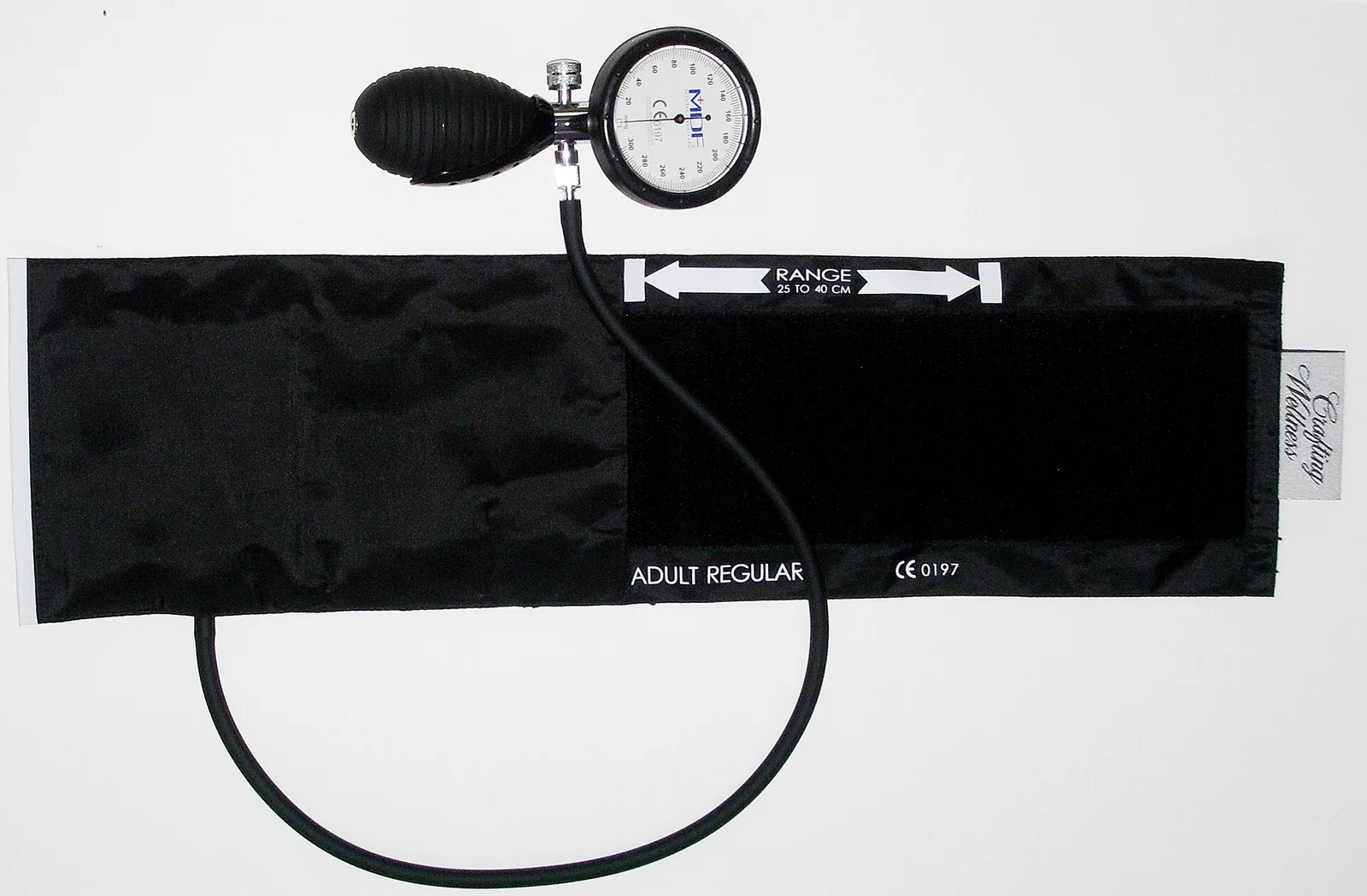
Know Your Number: A Practical Guide to Understanding Blood Pressure, Measuring It at Home and Taming It
High blood pressure neither hurts nor warns you, yet it quietly wears down the heart and the kidneys. In this guide: what 120/80 actually means, the right way to measure at home and the mistakes people make, proven steps to tame it from your kitchen, your feet and your medicine, plus a one-week measurement chart to take to your doctor.
August 24, 2026 · 7 min read
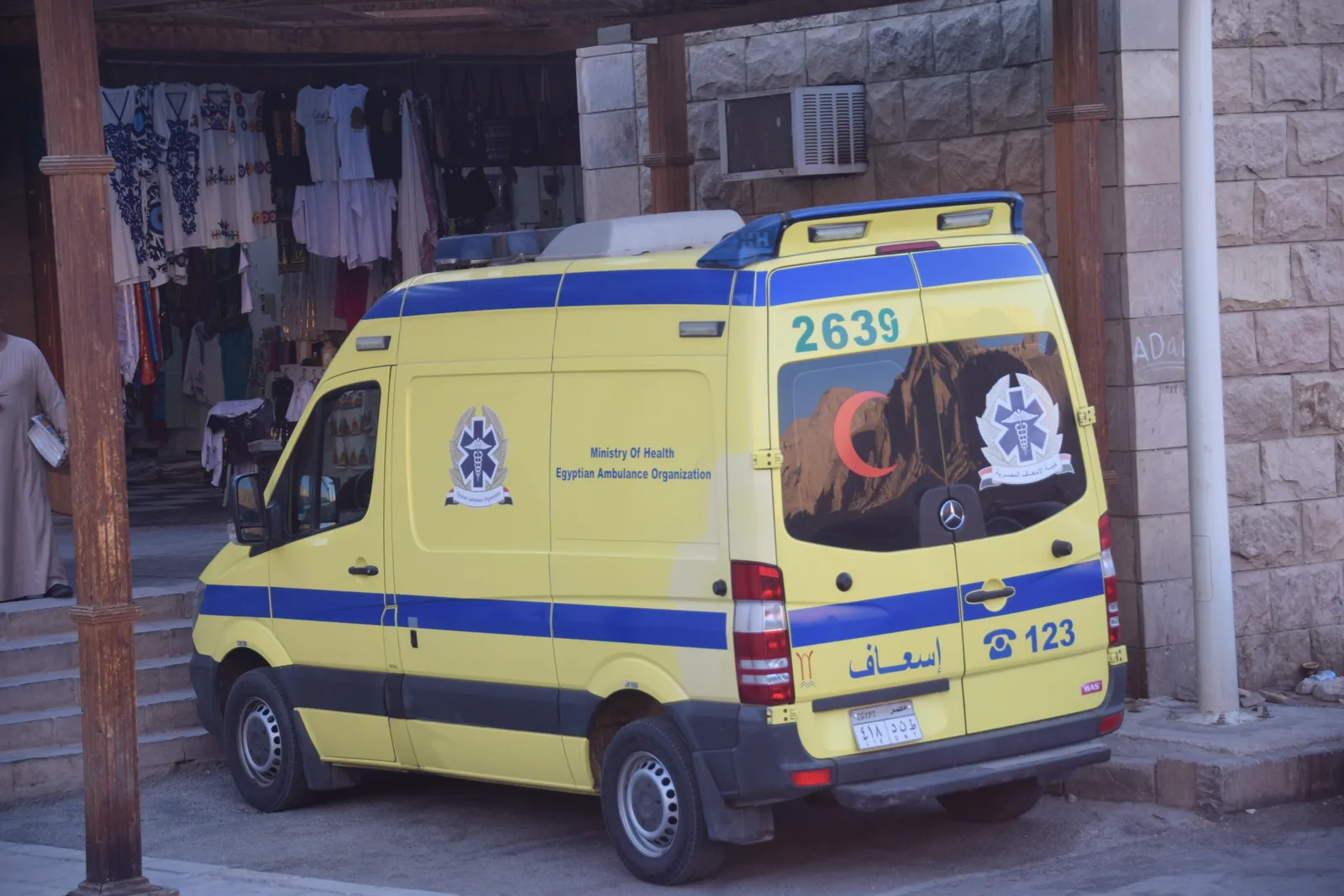
"Cough Hard to Survive a Heart Attack Alone": A WhatsApp Message Egyptian Homes Pass Around, and Medicine Says Otherwise
A chain message reaches nearly every phone in Egypt: if you have a heart attack alone, cough hard and in rhythm until your heart steadies. The American Heart Association flatly rejects "cough CPR," the message confuses a heart attack with cardiac arrest, and every minute spent coughing instead of calling the free 123 ambulance line is taken from the patient's life. This is what medicine says.
September 28, 2026 · 7 min read