Как вырастить читателя: путеводитель для египетской семьи по воспитанию любви к книге
Читающий ребёнок не появляется случайно. От сказки на ночь и классики Камиля Килани до публичных библиотек, школьных полок и Каирской международной книжной ярмарки — практическое руководство о том, как египетские семьи могут привить детям любовь к книгам и чтению на арабском языке.
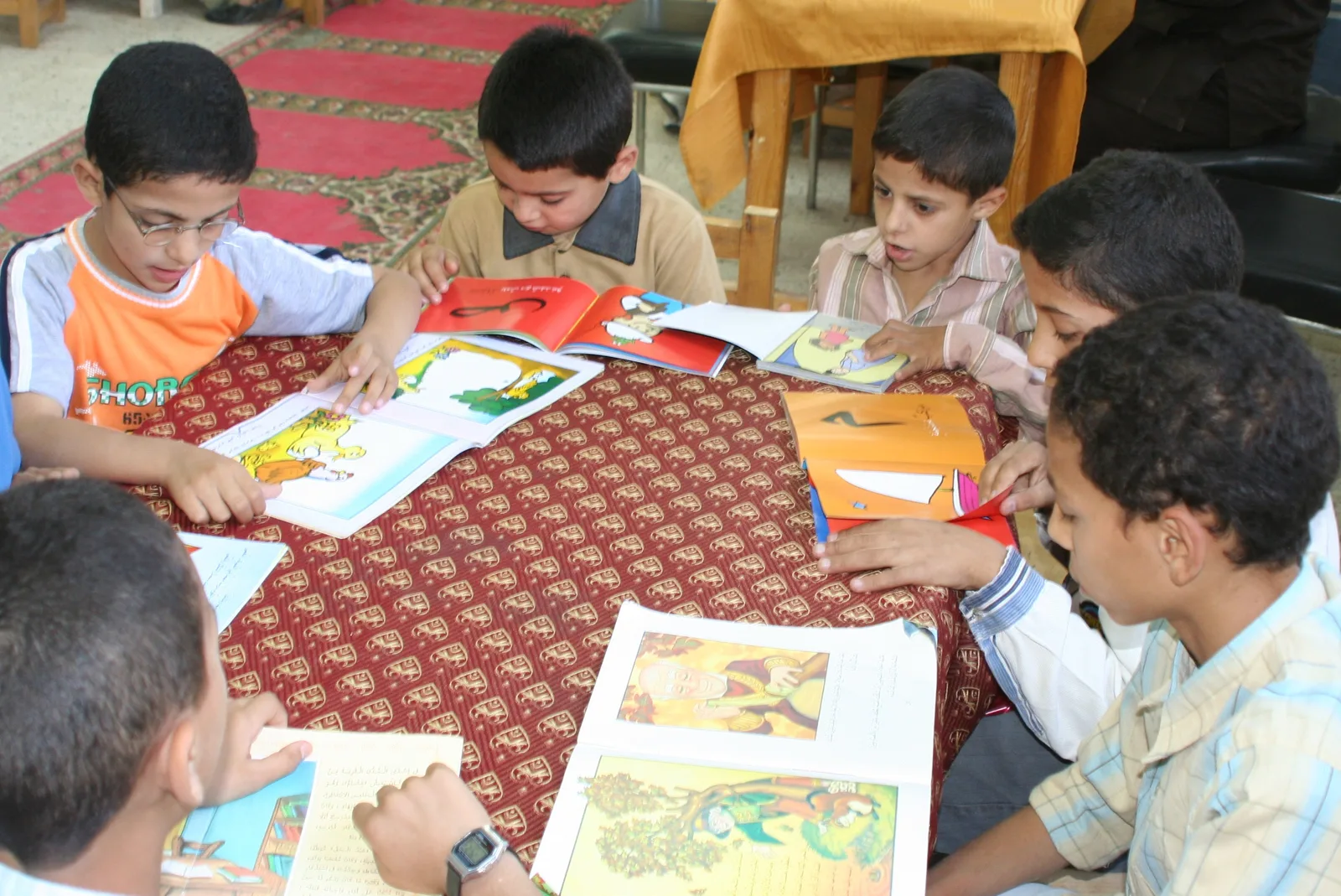
Спросите любого учителя, чем отличаются успевающие ученики от остальных, и ответ почти не изменится: вперёд вырываются те, кто читает. Чтение питает словарный запас, воображение, сосредоточенность и способность к сопереживанию, а его плоды тихо накапливаются на протяжении всех школьных лет. И всё же читающий ребёнок почти никогда не появляется случайно: за каждым маленьким читателем стоит семья, которая обращалась с книгами как с обычными домашними вещами — они были в доме так же привычны, как хлеб, — и взрослый, который однажды превратил сказку в подарок, а не в обязанность.
Привычка складывается раньше, чем полагает большинство родителей, задолго до того, как ребёнок разберёт первую букву. Младенцы, которым читают вслух, впитывают музыку языка; малыши, перелистывающие картонные книжки, узнают, что страницы прячут сюрпризы. У Египта здесь есть глубокий колодец: устная традиция бабушкиных рассказов и народные сказки страны сами по себе уже ранняя литература. Отец или мать, рассказывающие вслух — по памяти, по книге или на ходу выдумывая, — уже воспитывают читателя.
Сам дом говорит убедительнее любых лекций о пользе чтения. Дети подражают тому, что видят, а не тому, что им говорят: родитель, уткнувшийся в телефон и одновременно требующий от сына читать, посылает два сигнала, и побеждает тот, что громче. Семьи, в которых вырастают читатели, держат книги под рукой и на виду, заходят в книжный магазин или к книжному развалу так же, как заходят к бакалейщику, и берегут небольшой островок тишины, когда все читают что-нибудь, взрослые прежде детей.
Арабский язык создаёт вполне реальную трудность, которую семьям стоит назвать, а не замалчивать: расстояние между египетским разговорным языком, на котором ребёнок говорит дома, и современным литературным арабским, на котором написаны книги. Специалисты по преподаванию арабского советуют наводить мост мягко: читать литературный текст вслух, поясняя его на языке ребёнка, выбирать книжки с картинками, написанные простым и музыкальным языком, и никогда не превращать литературный арабский в орудие исправлений и упрёков. Ребёнок, у которого книги связаны с выговорами, просто закроет их.
Египетские семьи — наследники богатой традиции письма для детей. Камиль Кайлани, которого считают основоположником арабской детской литературы, ещё в первой половине XX века пересказывал для юных читателей мировые шедевры и арабские предания. Поколения выросли на детских журналах крупнейших издательских домов — «Самир» издательства «Дар аль-Хиляль» и «Аля ад-Дин» издательского дома «Аль-Ахрам», — которые своими комиксами и продолжающимися историями убедили миллионы египтян, что чтение по-арабски может быть чистым удовольствием.
Сегодняшние полки шире, чем полагают многие родители. Египетские и арабские издательства выпускают книжки с картинками, романы для подростков и арабские переводы мировых серий, а региональные премии, посвящённые арабской детской литературе, подняли и качество, и заметность этих книг. Особенно расцвела иллюстрированная книга: египетские художники дали арабским историям такую визуальную жизнь, что она уверенно соперничает с импортом. А давнюю жалобу, будто «на арабском для детей нет ничего хорошего», время просто оставило позади.
Каирская международная книжная ярмарка, которая проводится каждую зиму с 1969 года и входит в число крупнейших в мире, давно стала общенациональным семейным выходом. Её детские павильоны, издания со скидкой и встречи с авторами дарят многим египетским детям первый опыт самостоятельного выбора книги — поступок, который библиотекари считают решающим, ведь книга, выбранная ребёнком, это книга, которую ребёнок дочитает. Региональные ярмарки в мухафазах распространяют тот же опыт за пределы столицы.
Публичные библиотеки дают этой привычке дом за пределами дома. Александрийская библиотека содержит отдельную детскую библиотеку внутри одного из самых известных читательских учреждений мира; сети публичных библиотек и дворцы культуры, разбросанные по мухафазам, ведут детские отделы и занятия; а многие мечети и церкви держат собственные полки для выдачи книг. Читательский билет стоит недорого, а ритуал взять и вернуть учит детей, что книги ходят по рукам — и что чтение есть привычка общественная, а не частная роскошь.
Школьные библиотеки и уроки чтения способны разжечь эту привычку или погасить её, и влияния у родителей здесь больше, чем им кажется. Спросить ребёнка, что читает класс, прийти на школьный день книги, подарить школе полку книг, спокойно настаивать на том, чтобы библиотечный час берегли, а не жертвовали им ради подготовки к экзаменам, — всё это знаки, что семья считает чтение частью образования, а не украшением к нему. Учитель, который читает ученикам вслух, стоит своего веса золотом, и родителям следует его благодарить.
Что до повседневных мелочей, они просты и снисходительны. Сказка на ночь, пусть даже десять минут, — самый надёжный ритуал из всех. Позвольте ребёнку выбирать и уважайте его выбор: комиксы, книги о футболе и сборники анекдотов идут в счёт, потому что вначале важен аппетит, а не программа. Уберите экраны из последнего часа перед сном, и книга займёт своё естественное место. А если ваш ребёнок просит одну и ту же историю в десятый раз, порадуйтесь: повторение — это способ, которым маленькие читатели присваивают себе книгу.
Чтобы вырастить читателя, семье не нужно богатство; нужны постоянство и немного театра. Отец, который изображает голоса, полка на расстоянии вытянутой руки, еженедельный поход в библиотеку, ярмарка раз в год — скромные вложения, которые накапливаются, как сбережения. Ребёнок, читающий ради удовольствия, всю жизнь носит с собой личного наставника, куда бы он ни пошёл. В шумную эпоху умение ребёнка тихо посидеть внутри истории может оказаться одним из самых полезных даров, какие египетская семья способна передать своим детям.
Материалы по теме
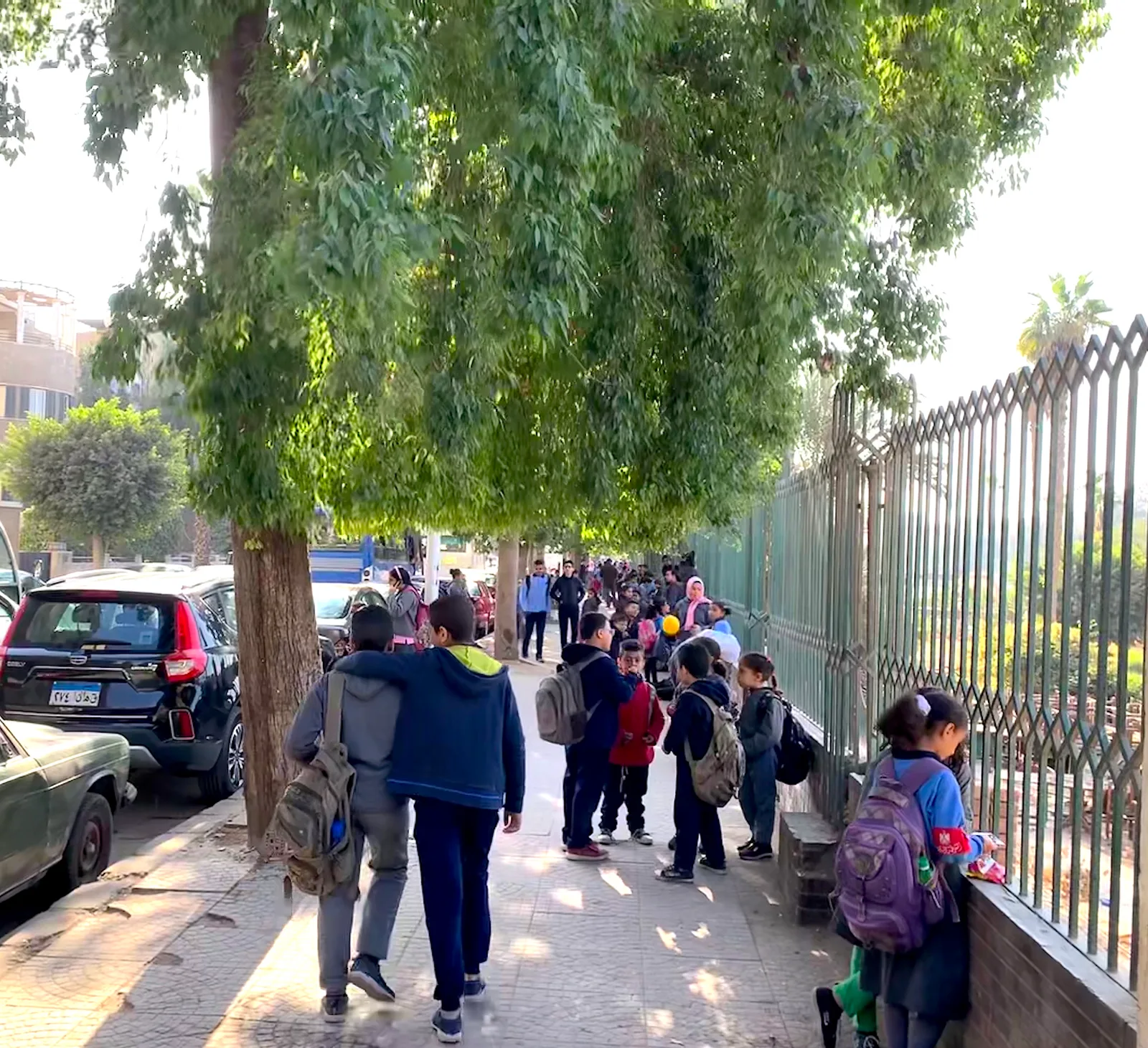
Портфель тяжелее ребёнка: сколько должен весить школьный рюкзак и как защитить спину ребёнка?
С началом первой недели учёбы в каждом доме звучит один вопрос: сколько килограммов способна выдержать спина ребёнка? Мы разбираем «правило 15%» Американской академии педиатрии, египетское исследование из Мануфа, показавшее, что три четверти школьников жалуются на боли в спине, а также способ взвешивания на напольных весах и простые ежедневные шаги, облегчающие нагрузку прежде, чем она превратится в боль на всю жизнь.
15 сентября 2026 г. · 7 мин. чтения

Карманные деньги — первый урок экономики: как научить ребёнка ценить деньги и копить
Ещё до алгебры и геометрии ребёнок получает первые уроки экономики — у прилавка киоска и над собственной копилкой. Практическое руководство по возрастам: когда начинать давать карманные деньги, как делить их между тратами, сбережениями и помощью другим и почему их нельзя привязывать к школьным оценкам или превращать в орудие наказания.
3 сентября 2026 г. · 7 мин. чтения

Травля среди детей: как защитить ребёнка, будь он жертвой, свидетелем или обидчиком?
Когда потасовка на перемене превращается в травлю? Практическое руководство для родителей: молчаливые признаки, которые ребёнок скрывает, разговор, открывающий сердце, документированные шаги для обращения в школу и настоящие альтернативы совету «дай сдачи» — а также что делать, если обидчик — ваш собственный сын, без унижения и без отрицания.
27 августа 2026 г. · 8 мин. чтения