До первого школьного дня: как подготовить ребёнка к успеху
Готовность к школе — это не только выученные буквы и цифры, но и самостоятельность, умение сказать о своих потребностях и ладить с другими. Практические шаги, которые родители могут начать дома за несколько месяцев до первого учебного дня, чтобы ребёнок вошёл в класс уверенным, а не испуганным.
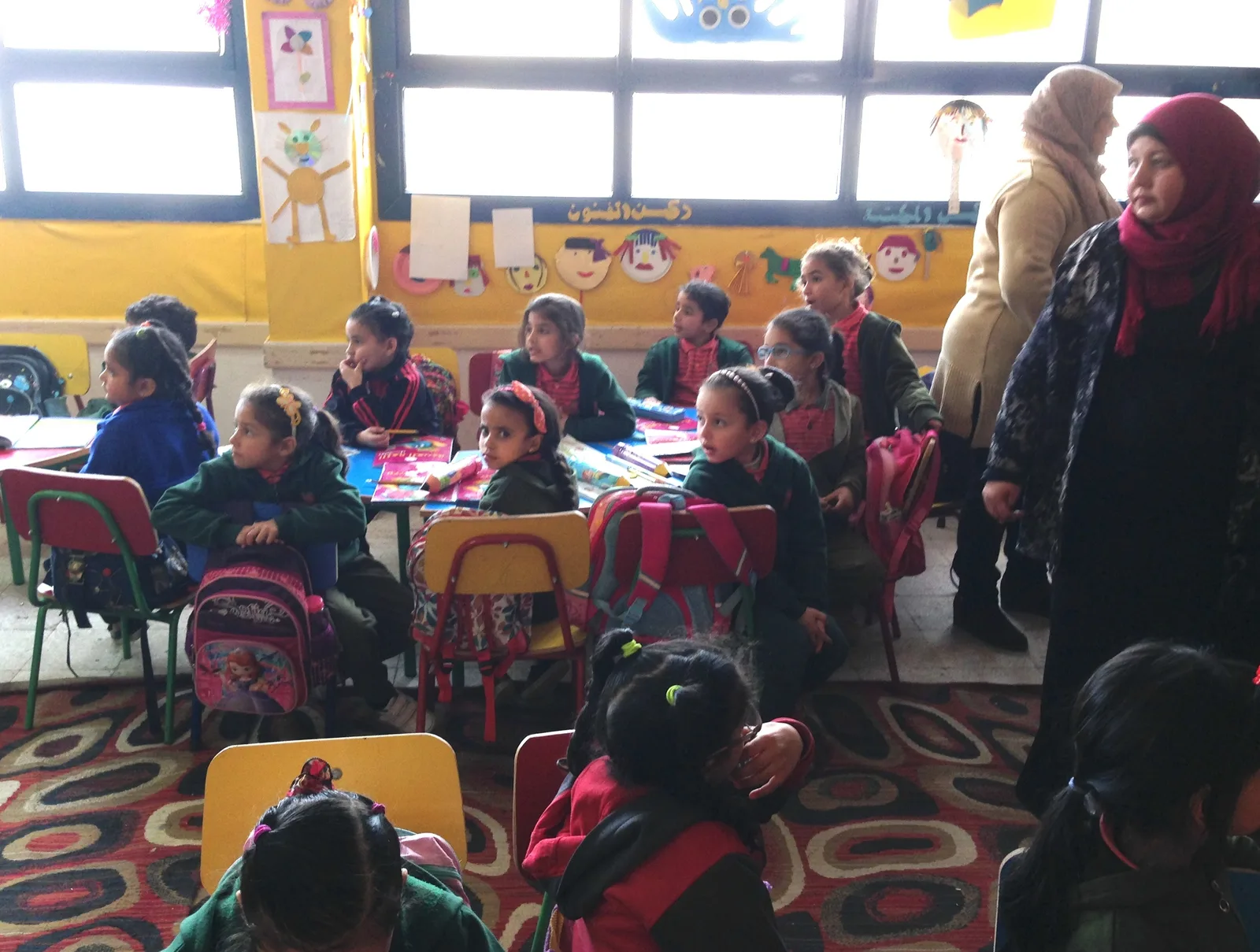
Когда приближается день, в который ребёнок пойдёт в первый класс, многие семьи занимает один-единственный вопрос: знает ли он буквы и цифры? Однако учителя и специалисты по раннему детству сходятся в одном: подлинная готовность к школе гораздо шире. Ребёнок, который умеет сам справиться со своими простыми нуждами, сказать, чего он хочет, усидеть на месте и выслушать, поладить с незнакомыми детьми, — такой ребёнок справится, даже если ещё не выучил все буквы.
Готовность начинается с навыков самообслуживания: сходить в туалет самостоятельно и вымыть руки, есть без помощи взрослых, открыть контейнер с едой и бутылку с водой, надеть обувь и куртку без посторонней помощи, узнавать свои вещи и беречь их. Именно эти мелочи определяют, пройдёт ли школьный день спокойно или превратится в череду просьб о помощи, а тренировка дома за несколько месяцев до начала учёбы — вложение, которому нет цены.
Затем идёт психологическая и социальная подготовка — самая трудная и самая важная: выдержать несколько часов вдали от мамы и не расклеиться, разделить игру с другим ребёнком и дождаться своей очереди, сказать учительнице «я хочу в туалет» или «меня ударили» вместо того, чтобы просто плакать. Этому учатся постепенно: короткими визитами к бабушке или тёте, играми с детьми соседей и родственников, а также поощрением дома проговаривать свои желания словами.
Речь же — фундамент, на котором строится всё последующее обучение, и самое ценное, что могут дать здесь родители, не стоит ни копейки: это разговор. Исследования раннего детства показывают, что словарный запас ребёнка в первые годы жизни — один из самых надёжных предвестников будущих успехов в чтении. Говорите с ребёнком как можно больше, терпеливо отвечайте на его вопросы, рассказывайте сказки перед сном, читайте вслух книжки с картинками, пусть даже несколько страниц в день, и позволяйте ему самому «читать» картинки по-своему.
Не забывайте и о мелких мышцах руки: держать карандаш — прежде всего навык физический, а уже потом умственный. Рисование и раскрашивание, вырезание из бумаги безопасными детскими ножницами, лепка из пластилина, нанизывание бусин, сборка и разборка кубиков — всё это выглядит невинной забавой, а на деле напрямую тренирует пальцы, которым скоро предстоит писать. Отводите этому время каждый день, и пусть оно остаётся игрой, а не домашним заданием.
За несколько недель до начала учёбы происходит самая важная перемена в домашнем распорядке — сон. Ребёнок, который всё лето ложился за полночь, не сможет вдруг вставать в шесть утра. Сдвигайте отход ко сну постепенно, каждые несколько дней, пока он не совпадёт со школьным режимом хотя бы за две недели до первого учебного дня, и закрепите привычку завтракать, пусть даже совсем легко: голодный ребёнок не учится.
И создайте в воображении ребёнка привлекательный образ школы: если получится, сходите вместе посмотреть на неё снаружи, купите вместе ранец и принадлежности и дайте ему выбрать самому, говорите о школе как о месте, где будут друзья, игры и новые истории. И ни в коем случае не превращайте школу или учительницу в угрозу — «вот начнётся школа — тогда узнаешь», — потому что ребёнок, для которого школа заранее стала наказанием, переступает её порог уже побеждённым.
Приучайте ребёнка и к выполнению простых составных поручений: «принеси чашку с кухни и поставь её на стол» — именно так к нему будут обращаться в классе каждый день. Давайте ему небольшие домашние обязанности: убрать игрушки, положить хлеб на стол. Ребёнок, который чувствует себя умелым и нужным, входит в класс с совсем другой уверенностью.
И всегда помните: игра не враг подготовки к школе, а её сердцевина. Избыток упражнений с буквами и прописей в дошкольном возрасте способен рано привить ребёнку отвращение к учёбе, тогда как свободная игра, сказки, песни и беготня строят тот самый мозг, которому предстоит выучить всё остальное. В этом возрасте стоит также сократить время у экранов в пользу настоящей игры и настоящего разговора с настоящими людьми.
И наконец, не ждите совершенства в первые недели: утренние слёзы в первые дни у многих детей нормальны и преходящи, и проходят они тем быстрее, чем твёрже, ласковее и короче прощание. Пусть ваши отношения с учительницей будут партнёрством, а не противостоянием: спрашивайте её о поведении ребёнка и прислушивайтесь к ответам. А в конце каждого дня внимательно выслушайте самого ребёнка: спросите, во что он играл и с кем смеялся, а не только о том, что он выучил. Ведь ребёнок, который чувствует, что школа радует его родителей, полюбит её сначала ради них, а потом и ради неё самой.
Материалы по теме
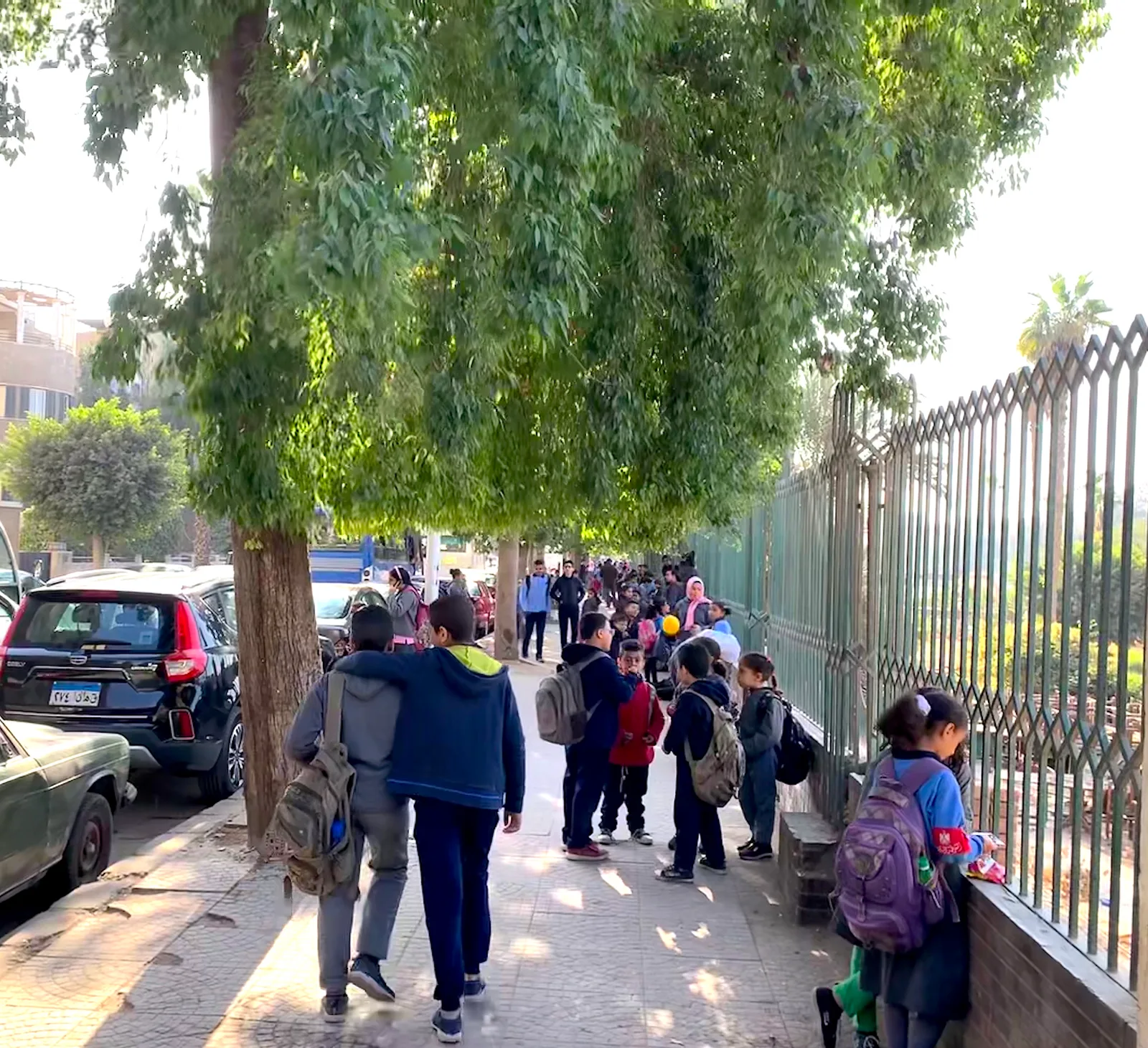
Портфель тяжелее ребёнка: сколько должен весить школьный рюкзак и как защитить спину ребёнка?
С началом первой недели учёбы в каждом доме звучит один вопрос: сколько килограммов способна выдержать спина ребёнка? Мы разбираем «правило 15%» Американской академии педиатрии, египетское исследование из Мануфа, показавшее, что три четверти школьников жалуются на боли в спине, а также способ взвешивания на напольных весах и простые ежедневные шаги, облегчающие нагрузку прежде, чем она превратится в боль на всю жизнь.
15 сентября 2026 г. · 7 мин. чтения

Карманные деньги — первый урок экономики: как научить ребёнка ценить деньги и копить
Ещё до алгебры и геометрии ребёнок получает первые уроки экономики — у прилавка киоска и над собственной копилкой. Практическое руководство по возрастам: когда начинать давать карманные деньги, как делить их между тратами, сбережениями и помощью другим и почему их нельзя привязывать к школьным оценкам или превращать в орудие наказания.
3 сентября 2026 г. · 7 мин. чтения
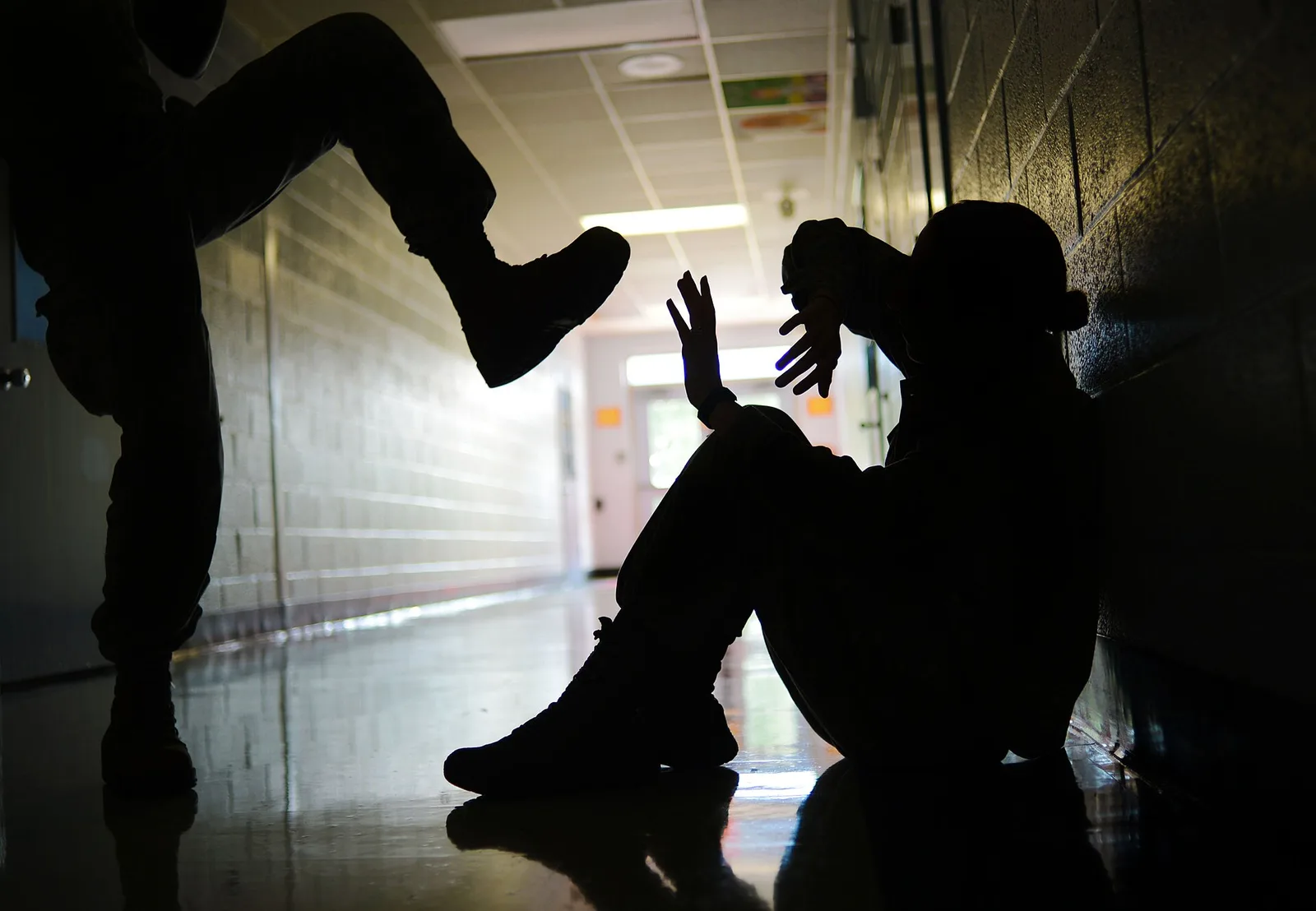
Травля среди детей: как защитить ребёнка, будь он жертвой, свидетелем или обидчиком?
Когда потасовка на перемене превращается в травлю? Практическое руководство для родителей: молчаливые признаки, которые ребёнок скрывает, разговор, открывающий сердце, документированные шаги для обращения в школу и настоящие альтернативы совету «дай сдачи» — а также что делать, если обидчик — ваш собственный сын, без унижения и без отрицания.
27 августа 2026 г. · 8 мин. чтения