Chembe za muon, skana na setilaiti: Sayansi mpya zinazosoma siri za Misri ya Kale
Elimu ya Misri ya Kale haitegemei tena brashi na sururu pekee. Kuanzia chembe za angani zinazopenya mawe ya Piramidi Kuu hadi picha za CT zinazofichua siri za mumiani bila kufungua sanda zao, teknolojia ya kisasa inabadilisha kabisa jinsi Misri inavyoigundua historia yake yenyewe.
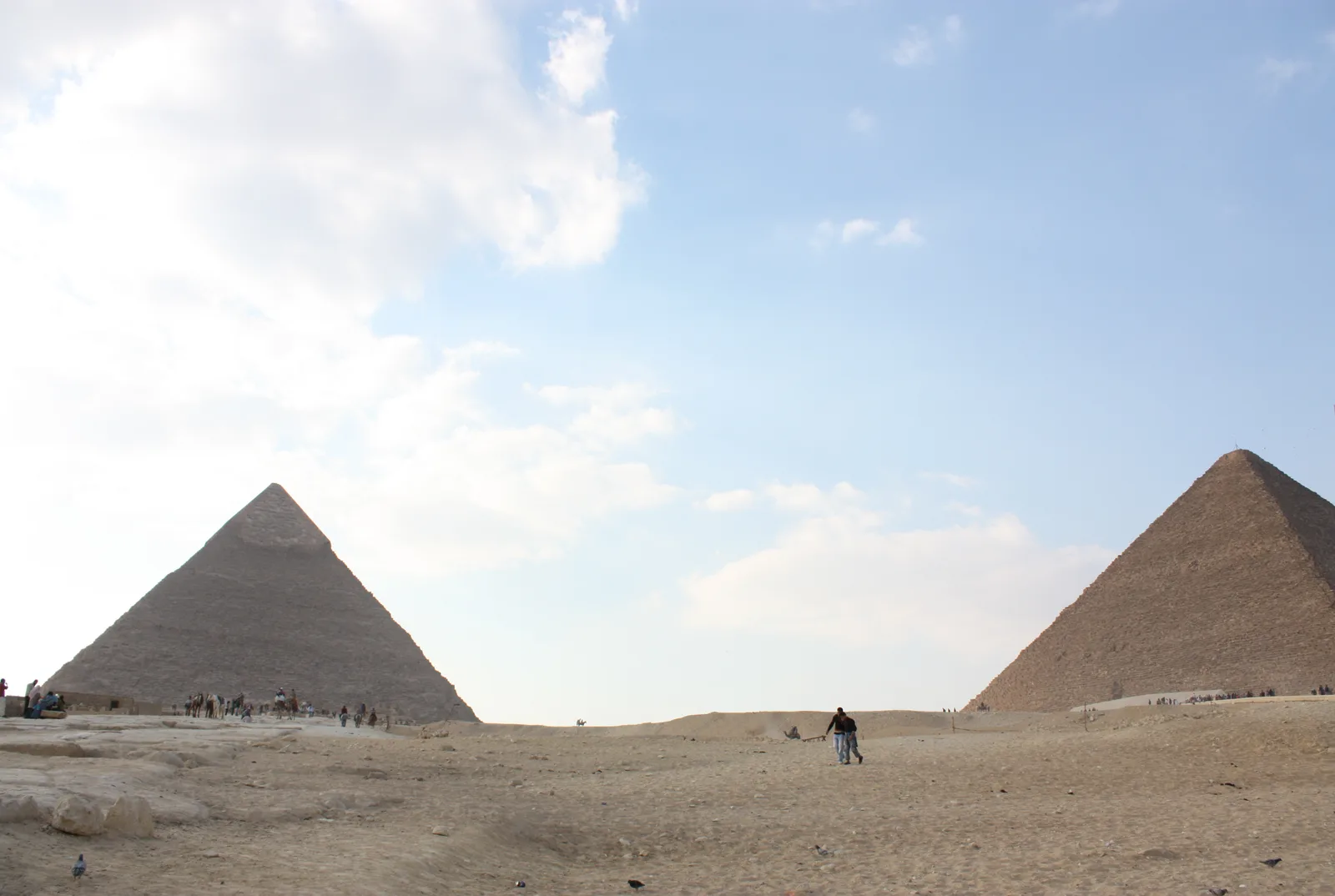
Kwa karne mbili, taaluma ya Misri ya kale ilihusishwa akilini mwa watu na taswira moja: mwanaakiolojia aliyeinama juu ya mchanga akiwa na brashi na sululu, akipangusa vumbi kutoka kwenye hazina za zamani. Leo taswira hiyo imebadilika kabisa. Ugunduzi mkubwa katika bonde la Nile sasa unazaliwa katika maabara za fizikia, vituo vya upigaji picha za kitabibu na vituo vya kupokea picha za satelaiti, kwa kiwango kile kile unavyozaliwa katika maeneo ya uchimbaji yenyewe.
Mfano maarufu zaidi wa mabadiliko haya ni mradi wa “ScanPyramids”, ulioanzishwa na wanasayansi wa Misri na wa kimataifa katikati ya miaka ya 2010 ili kuchunguza piramidi za Giza na Dahshur kwa mbinu zisizoingilia miundo yenyewe. Mradi huo unategemea upigaji picha kwa miyoni, chembechembe ndogo kuliko atomi zinazoshuka duniani bila kukoma pale mionzi ya angani inapogongana na tabaka la hewa, na zenye uwezo wa kupenya mamia ya mita za mwamba.
Wazo lenyewe linakaribiana na kupiga eksirei mlima mzima: vitambuzi nyeti huwekwa ndani ya piramidi na kuizunguka, kisha miyoni inayopita kutoka kila upande huhesabiwa. Pale ambapo mkusanyiko wa mawe ni mzito zaidi, chembechembe chache hupita; na pale palipo na nafasi tupu, hupita nyingi zaidi. Kwa njia hii, mwaka 2017 timu ilitangaza, katika utafiti uliochapishwa na jarida la kisayansi “Nature”, kugundulika kwa nafasi kubwa isiyojulikana juu ya Ukumbi Mkuu ndani ya Piramidi Kubwa — ugunduzi wa kwanza wa aina yake ndani ya jengo hilo kwa karne kadhaa.
Jambo hilo halikuishia hapo. Katika miaka ya karibuni imethibitika kuwepo kwa ukanda wa siri nyuma ya ukuta wa kaskazini wa piramidi, karibu na mlango wa asili, baada ya watafiti kuingiza kifaa chembamba cha kuchungulia kupitia ufa mdogo kati ya mawe na kupiga picha za ndani za njia hiyo tupu — uthibitisho wa kimwili wa yale ambayo ramani za miyoni zilikuwa zimetabiri, bila kuondoa hata jiwe moja.
Katika upande wa maiti zilizohifadhiwa, upigaji picha wa tabaka kwa kompyuta umeleta mapinduzi yanayolingana. Maiti ya mfalme kijana Tutankhamun ilifanyiwa uchunguzi kamili wa tabaka katikati ya miaka ya 2000, ukafichua maelezo kuhusu afya yake na umri wake alipofariki bila kuugusa mwili wake. Teknolojia hiyo ilikwenda mbali zaidi kwa kile kinachojulikana kama “kufungua sanda kidijitali”: maiti ya mfalme Amenhotep wa Kwanza ilichunguzwa kidijitali kwa ukamilifu ikiwa bado ndani ya sanda na barakoa yake, hivyo sura yake na hirizi zake zikaonekana bila kufungua sanda takatifu.
DNA ya kale imefungua mlango wa tatu. Tafiti za kijenetiki zilizofanywa kwa maiti za kifalme za Nasaba ya Kumi na Nane, ambazo matokeo yake yalichapishwa mwanzoni mwa miaka ya 2010 katika jarida maarufu la kitabibu, zilisaidia kuchora mti wa ukoo wa Tutankhamun na kubaini uhusiano wa kifamilia kati ya maiti hizo. Wanasayansi bado wanakuwa waangalifu katika eneo hili, kwani hali ya hewa ya joto huvunjavunja DNA katika maelfu ya miaka, na kuifanya kazi ya kuitoa na kuichambua kuwa miongoni mwa kazi nyeti zaidi za maabara na zinazozua mjadala mkubwa wa kisayansi.
Kutoka angani, picha za satelaiti zinasaidia kuchora upya ramani ya maeneo ya kale ya Misri. Upigaji picha kwa mionzi ya infraredi na uchambuzi wa picha zenye ubora wa hali ya juu huonyesha tofauti ndogo za udongo na unyevu zinazofichua mistari ya majengo ya matofali ya udongo yaliyozikwa na mchanga kwa maelfu ya miaka. Picha hizo hizo hutumika pia kubaini mashimo ya uchimbaji haramu na kulinda maeneo hayo dhidi ya wezi.
Ardhini, mahekalu na makaburi yamegeuzwa kuwa mifano ya kidijitali yenye pande tatu kutokana na upimaji kwa leza na upigaji picha wa kipimo. Makaburi ya Thebes magharibi leo yanahifadhiwa kwa mamilioni ya nukta za kidijitali zinazolinda kila nakshi na kila ufa, na karibu na Luxor imetengenezwa nakala kamili ya chumba cha maziko cha Tutankhamun inayowapa wageni uzoefu kamili huku ikipunguza mzigo kwa kaburi asilia lililo dhaifu.
Sayansi ya vifaa nayo imeingia katika kazi hii, ambapo maabara huchambua rangi za michoro ya ukutani, chumvi zilizomo kwenye mawe na nyuzi za mafunjo kwa mbinu kama upigaji picha wa mawimbi mengi ya mwanga, ili kuelewa mbinu za utengenezaji za kale na kuandaa mipango ya urejeshaji yenye msingi wa kisayansi. Maabara za urejeshaji za Misri, ikiwemo zile za Jumba Kubwa la Makumbusho la Misri, zinatekeleza jukumu linalokua la kufundisha kizazi kipya cha wahifadhi na wanasayansi wa Kimisri katika taaluma hizi nyeti.
Hatimaye, teknolojia haichukui nafasi ya mwanaakiolojia, bali inampa hisia mpya. Athari za kale ni rasilimali yenye kikomo isiyoweza kurejeshwa, na kila uchimbaji wa kawaida huharibu sehemu ya muktadha milele. Lakini miyoni, mionzi na satelaiti hufichua bila kubomoa, na huhifadhi kwa vizazi vijavyo haki yao ya kupata historia ambayo bado inashikilia siri zake nyingi chini ya mchanga.
Habari Zinazohusiana
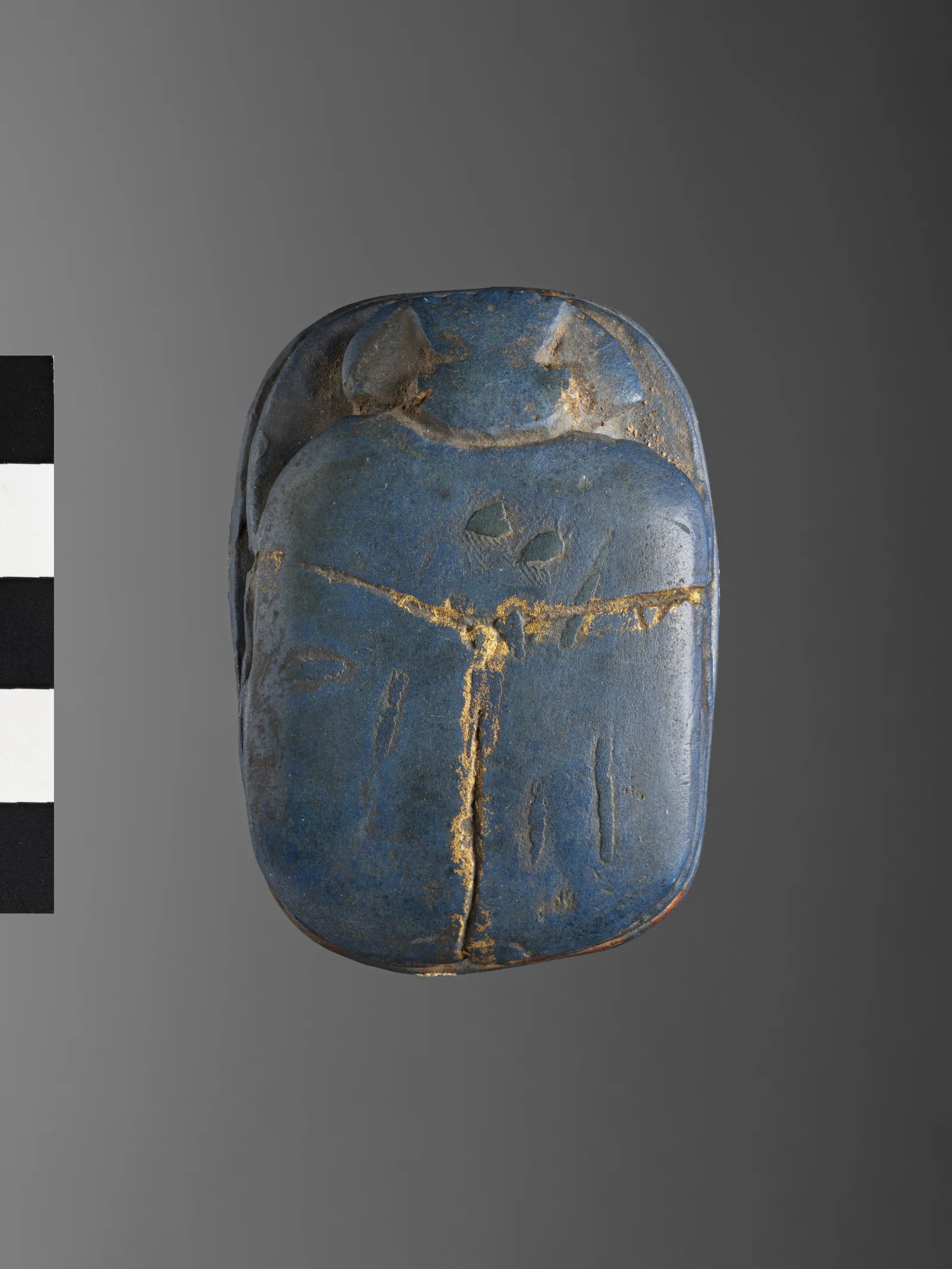
“Buluu ya Misri”: Rangi ya kwanza ya kutengenezwa katika historia yarudi leo kufichua alama za vidole na kuangaza seli
Rangi ya buluu iliyotengenezwa na wanakemia wa Misri kutokana na mchanga, shaba na chokaa maelfu ya miaka iliyopita; mwaka 2013 wanasayansi waligundua kuwa hupasuka na kuwa tabaka nyembamba za nano zinazotoa mionzi ya infrared. Tangu hapo imekuwa unga unaofichua alama za vidole Australia, na kichunguzi kinachoangaza viinitete vya nzi na majani ya mimea Ujerumani. Hadithi ya dutu ya kale yenye sifa ya kisasa, na swali kuhusu maabara zetu za leo.
17 Septemba 2026 · 7 dakika za kusoma
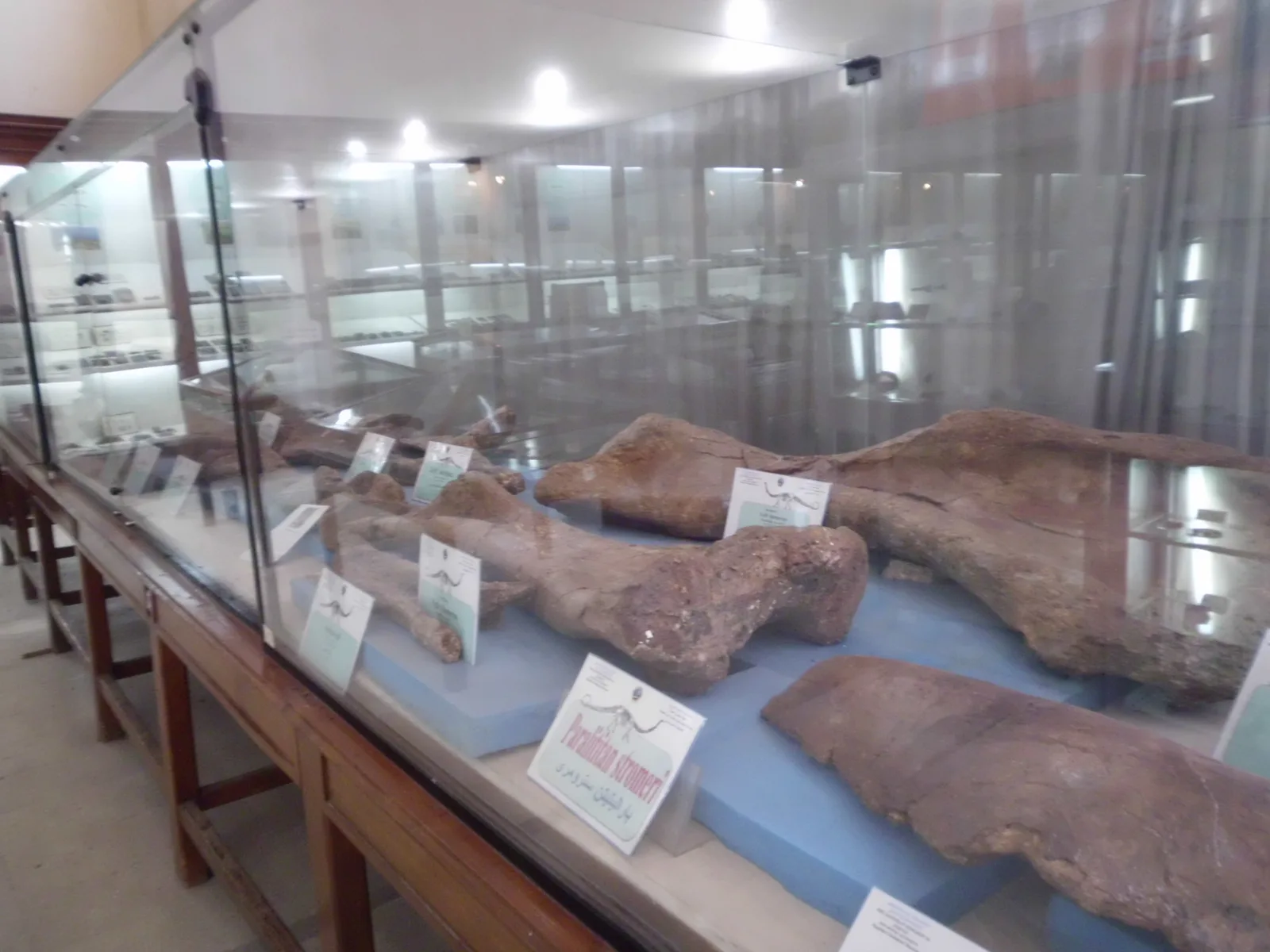
Miaka Milioni Themanini Kabla ya Mafarao: Dinosauri wa Mansoura na Visukuku vya Oasisi Vilivyoteketezwa na Vita
Wanafunzi wa Kimisri wa Chuo Kikuu cha Mansoura walichimbua kwenye miamba ya Oasisi ya Dakhla mifupa ya Mansourasaurus, kiunzi kamili zaidi cha dinosauri wa mwishoni mwa Kretasia kuwahi kupatikana Afrika. Karne moja kabla yao, mwanasayansi wa Kijerumani alihifadhi dinosauri wa Oasisi ya Bahariya mjini Munich, na vita vikaviteketeza. Hadithi ya kumbukumbu ya Dunia katika jangwa la Misri, na ya sayansi ambayo mtoto wako anaweza kuisomea hapa.
8 Septemba 2026 · 7 dakika za kusoma
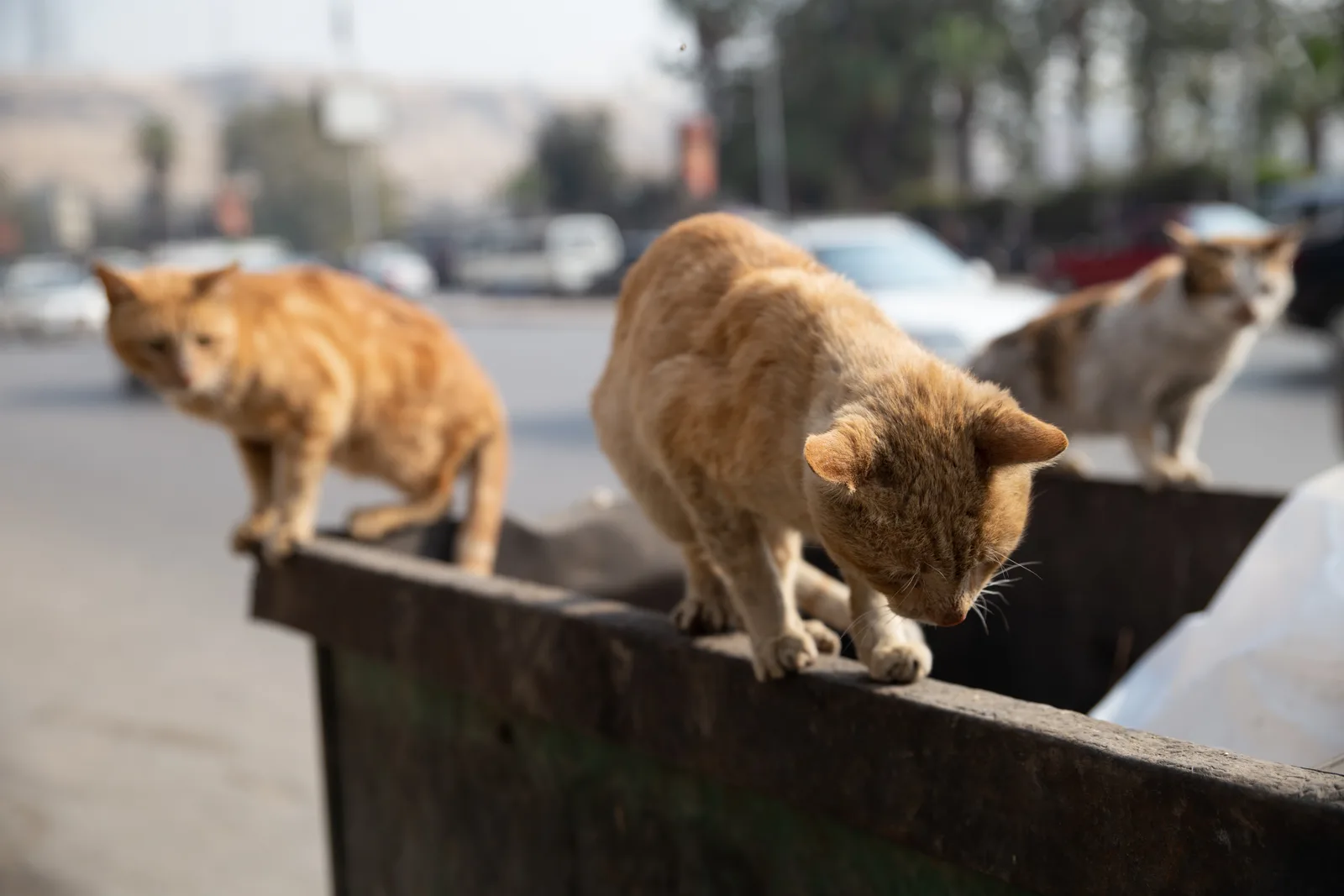
«Keda Ghalat» (Hii Si Sawa): Kudhuru Wanyama ni Kosa la Jinai Chini ya Sheria ya Adhabu ya Misri Tangu 1937
Jirani anaweka bakuli za sumu karibu na ukuta wa shule, na mmiliki wa mkokoteni anampiga punda wake usoni chini ya mzigo mzito kupita kiasi. Wengi hudhani «ni mnyama tu» maana yake hakuna sheria inayomlinda. Ukweli ni kwamba Ibara za 355, 356 na 357 za Sheria ya Adhabu zinaadhibu kuua, kutia sumu na kudhuru wanyama kwa adhabu zinazofikia kifungo jela. Katika usiku wa kuamkia Siku ya Wanyama Duniani, tunaeleza sheria inasema nini.
3 Oktoba 2026 · 6 dakika za kusoma