Kurudi Shuleni kwa Busara: Mwongozo wa Bajeti ya Familia Kabla ya Septemba 12
Kabla ya mwaka wa masomo wa Misri kuanza Septemba 12, huu ni mwongozo wa vitendo wa bajeti ya kurudi shuleni: ada rasmi zilizotangazwa, kukagua vifaa vinavyofaa kutoka mwaka jana, kupanga vipaumbele vya ununuzi, mbinu halisi za kuokoa fedha — na jinsi ya kudhibiti kifungu kikubwa zaidi cha matumizi: masomo ya ziada ya kulipia.
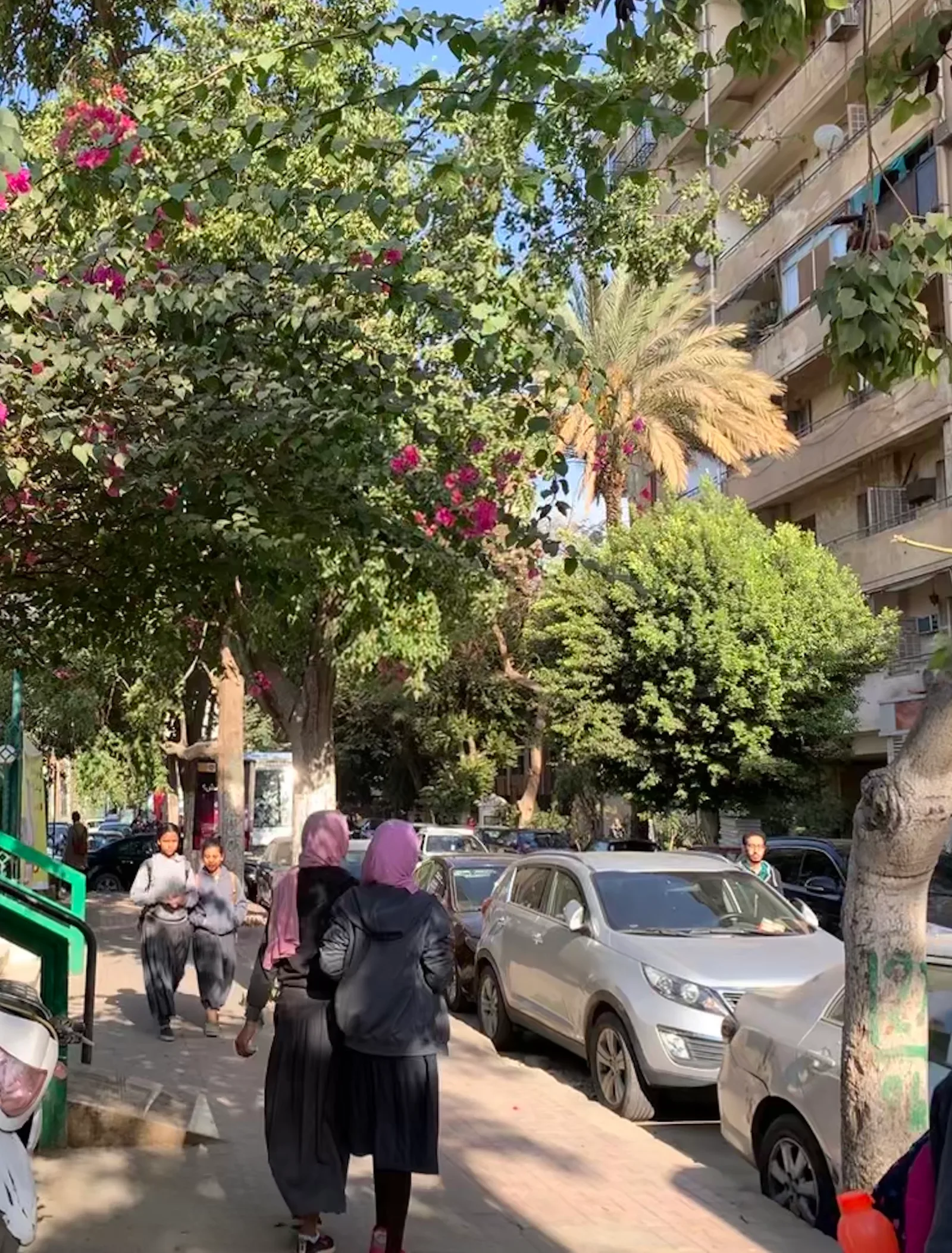
Familia za Misri zimebakiwa na chini ya wiki nne kabla ya kuanza kwa mwaka wa masomo 2026/2027, ambao kwa mujibu wa kalenda iliyoidhinishwa na Wizara ya Elimu na Elimu ya Ufundi utaanza Jumamosi tarehe 12 Septemba. Kati ya ada, sare, vifaa vya shule na masomo ya ziada ya binafsi, siku zilizosalia za Agosti pamoja na Septemba nzima hugeuka kuwa msimu wa matumizi unaobana bajeti yoyote ya nyumbani. Kupanga mapema hakufuti bili, lakini kunaweza kuipunguza kwa kiwango kinachoonekana.
Kwa mujibu wa tangazo la wizara lililoripotiwa na vyombo vya habari vya ndani, masomo katika shule za serikali, shule rasmi za lugha na shule binafsi yataanza tarehe 12 Septemba 2026 na kuendelea hadi 24 Juni 2027, yaani wiki 39 za masomo, huku shule za kimataifa zikifungua milango yake tarehe 6 Septemba. Dirisha hili la muda linamaanisha kuwa familia inaweza kugawanya manunuzi katika awamu kadhaa badala ya kumaliza bajeti kwa mkupuo mmoja.
Kuhusu ada rasmi, Uamuzi wa Kiwaziri Namba 116 wa mwaka wa masomo 2026/2027 umepanga ada ya pauni 320 za Misri kuanzia chekechea hadi mwisho wa hatua ya maandalizi, pauni 545 kwa mwaka wa kwanza wa sekondari ya kawaida, pauni 530 kwa miaka ya pili na ya tatu ya sekondari, pauni 245 kwa mwaka wa kwanza wa elimu ya ufundi na pauni 230 kwa madarasa yake mengine, kwa mujibu wa yaliyochapishwa na tovuti ya Al-Shorouk na Masrawy. Ada hulipwa kwa awamu mbili kupitia vituo vya malipo ya kielektroniki na ofisi za posta, huku makundi yaliyoainishwa katika uamuzi huo yakisamehewa na kulipa gharama ndogo ya kiutawala pekee.
Katika shule rasmi za lugha huongezwa gharama ya huduma za ziada inayoanzia pauni 800 kwa hatua ya msingi hadi pauni 1,400 kwa chekechea, wakati katika shule bora rasmi za lugha hufikia pauni 4,400 kwa hatua ya sekondari, kwa mujibu wa taarifa za magazeti kuhusu uamuzi huohuo. Kujua kiwango rasmi mapema kunamkinga mzazi dhidi ya madai yanayozidi kilichopangwa, na ana haki ya kuuliza msingi wa kila kipengele cha nyongeza.
Hatua ya kwanza, kabla hata ya kufungua pochi, ni kuhesabu kwa kina kila kilichobaki kutoka mwaka uliopita: mkoba wenye kamba na zipu nzima, vipande vya sare ambavyo bado vinamtosha mtoto, kikasha cha kalamu na seti ya jiometri vinavyofanya kazi, na madaftari yenye kurasa ambazo hazijatumika, ambazo zinaweza kuunganishwa kwa kazi za rasimu. Kanuni ya dhahabu ni hii: hakuna kitu kinachoingia kwenye orodha ya manunuzi isipokuwa kile kilichoharibika kweli au kilichompungukia mtoto.
Baada ya kuhesabu, huja kupanga vipaumbele. Sare kwanza, kwa sababu watoto hukua na hakuna mbadala wake; kununua vipande viwili vya saizi kubwa kidogo ni bora kuliko vitatu vya saizi kamili vinavyokwisha katikati ya mwaka. Kisha madaftari na vifaa kwa kufuata orodha halisi ya shule, si kwa kubahatisha. Mwishoni ni mkoba, unaobaki chini kabisa ya orodha maadamu ule wa zamani bado unafaa.
Katika kuokoa fedha, mbinu ndogo huleta tofauti ya kweli: manunuzi ya pamoja miongoni mwa akina mama huwezesha kugawana dazeni ya madaftari na kupata bei za jumla; masoko ya jumla na masoko ya msimu katika mikoa ni rahisi zaidi kuliko maduka ya vifaa vya shule ya mtaani wakati wa kilele cha msimu; na kulinganisha bei katika maduka matatu kabla ya kulipa mara nyingi hurudisha gharama yake tangu safari ya kwanza.
Taarifa za magazeti, likiwemo gazeti la Al-Dostour likinukuu vyanzo katika Wizara ya Ugavi na Biashara ya Ndani, zinaeleza kuwa maonyesho ya “Ahlan Madares” (“Karibu Shuleni”) ya msimu huu yanatarajiwa kuanza mwanzoni mwa Septemba katika mikoa, yakiwashirikisha wauzaji wa vitabu na wasambazaji wa vifaa vya shule, kwa punguzo linalotofautiana kati ya bidhaa moja na nyingine. Punguzo la misimu iliyopita lilifikia takriban asilimia 20 kwa mujibu wa magazeti, hivyo inashauriwa kufuatilia matangazo rasmi ya mikoa kuhusu maeneo na tarehe kabla ya kununua.
Mitego nayo huchukua sehemu yake ya bajeti. Kununua bidhaa za chapa maarufu kwa mtoto wa miaka ya mwanzo ya shule ya msingi ni matumizi yasiyo na faida, kwani vifaa hupotea au huharibika ndani ya wiki chache, na bidhaa zenye picha za wahusika wa katuni wakati mwingine huuzwa kwa bei mara mbili ya bidhaa yenye ubora uleule. Mitego mingine ni kununua kila kitu kabla ya kupokea orodha za shule, na ofa za kulipa kwa awamu kwa manunuzi madogo zinazoongeza gharama ya ufadhili bila sababu.
Hata hivyo, kipengele kikubwa zaidi katika bajeti ya elimu si sare wala vifaa. Kwa mujibu wa takwimu za Shirika Kuu la Uhamasishaji wa Umma na Takwimu (CAPMAS) zilizochapishwa na magazeti ya ndani mwezi huu, masomo ya ziada ya binafsi na vikundi vya ziada hutumia asilimia 28.3 ya matumizi ya elimu ya familia zenye wanafunzi, na mkoa wa Menoufia unaongoza mikoa yote katika matumizi hayo, kwa mujibu wa gazeti la Al-Dostour likinukuu takwimu za shirika hilo.
Kupunguza kipengele hiki kunawezekana bila kuathiri kiwango cha mwanafunzi: anza na masomo anayoyahitaji kweli badala ya “kifurushi” kizima tangu mwanzo wa mwaka; tumia vikundi rasmi vya ziada vya shule ambavyo ni vya bei nafuu; gawana vikundi vidogo kati ya familia tatu au nne; na tumia vituo na majukwaa rasmi ya elimu yasiyo na malipo kama nyenzo ya kusaidia. Vilevile, kuahirisha kuanza kwa masomo hadi kiwango cha mwanafunzi kidhihirike katika mwezi wa kwanza huokoa angalau gharama ya mwezi mzima.
Kinachosalia ni kutawanya bili kwa muda, nayo ni kinga ya mwisho: kulipa ada kwa awamu mbili ni haki iliyotambuliwa rasmi, hivyo hakuna haja ya kulipa yote kwa mara moja; vifaa vinaweza kununuliwa kwa awamu mbili — vya msingi sasa na vya nyongeza baada ya masomo kuanza, mahitaji halisi yanapodhihirika — huku ukihifadhi risiti kwa ajili ya kubadilisha bidhaa na kulinganisha bei.
Mwisho, kuwashirikisha watoto katika bajeti ni somo la bure la uchumi wa nyumbani; mtoto anayejua kuwa mkoba mpya maana yake ni kuachana na kitu kingine hujifunza kuchagua mapema. Kurudi shuleni ni mtihani wa kila mwaka kwa bajeti ya familia, na anayejiandaa mapema huufaulu kwa hasara ndogo zaidi.
Habari Zinazohusiana

Kabla ya «Katb el-Kitab»: Cheti cha Uchunguzi wa Kiafya Kinachotakiwa Kisheria — Kinabaini Nini, Kwa Nini Hakizuii Ndoa
Kabla ya kusajiliwa kwa mkataba wa ndoa nchini Misri — «katb el-kitab» — sheria inahitaji uchunguzi wa kiafya wa lazima, unaomalizika kwa cheti chenye msimbo wa QR anachohitaji ma'dhun au kanisa. Unabaini nini, unagharimu kiasi gani, unafanyika wapi, na kwa nini ni muhimu sana kwa Misri? Muhimu zaidi: kwa nini matokeo yake hayawezi kamwe kuzuia ndoa? Mwongozo wa utulivu kwa wanandoa watarajiwa wenye wasiwasi wa "vipi ikiwa watanigundulia kitu".
12 Septemba 2026 · 9 dakika za kusoma

Mpango wa Wiki Mbili wa Kurekebisha Usingizi wa Watoto Kabla ya Kengele ya Shule Septemba 12
Huku mwaka wa masomo nchini Misri ukianza Septemba 12, wataalamu wa usingizi wanashauri kusogeza mbele muda wa kulala na kuamka wa watoto kwa dakika 15 hadi 20 kila usiku, kuanzia sasa badala ya usiku wa kuamkia shule. Huu hapa mpango kamili, pamoja na saa za usingizi zinazopendekezwa kwa kila umri.
23 Agosti 2026 · 6 dakika za kusoma
«Keda Ghalat» (Hii Si Sawa): Kudhuru Wanyama ni Kosa la Jinai Chini ya Sheria ya Adhabu ya Misri Tangu 1937
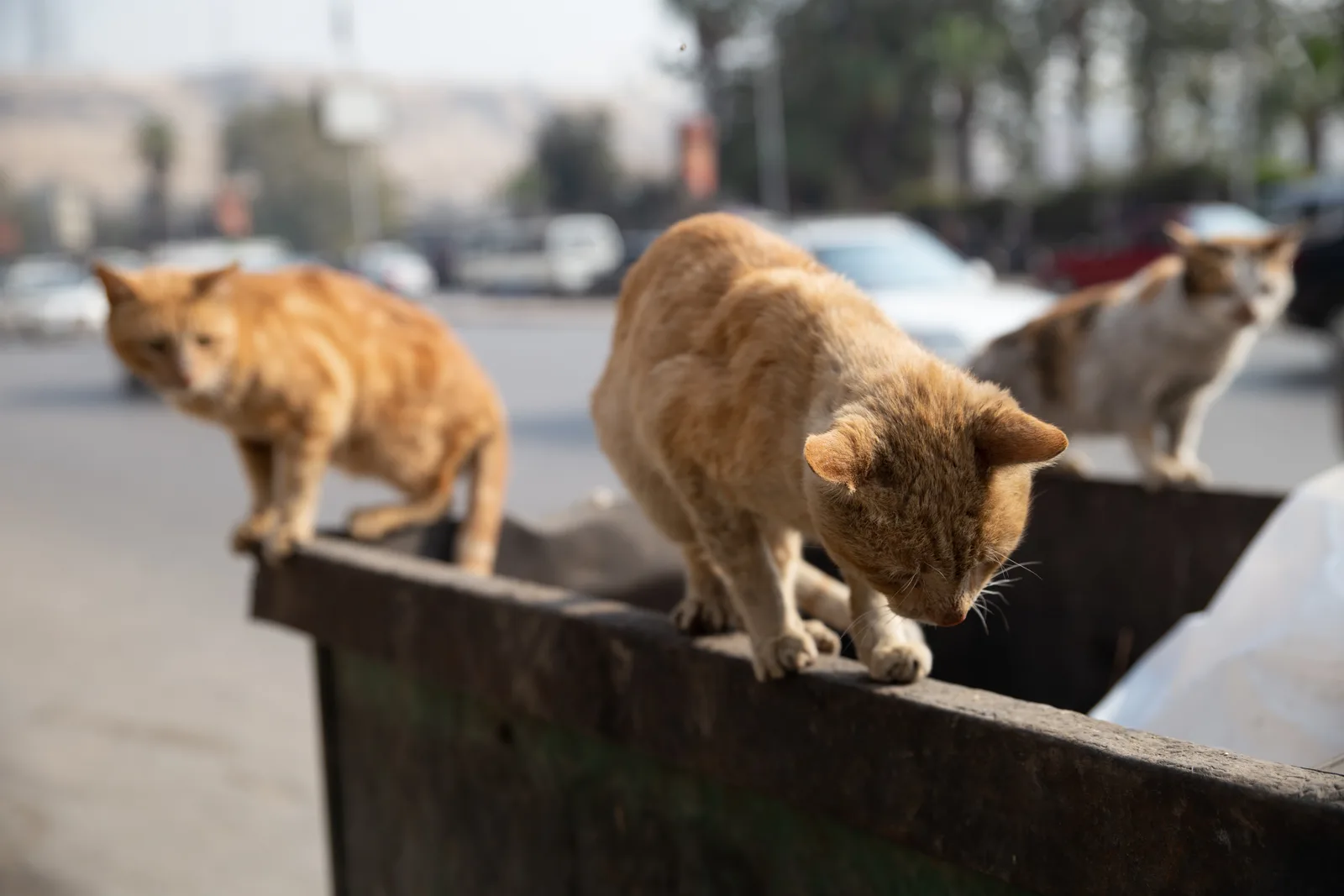
Jirani anaweka bakuli za sumu karibu na ukuta wa shule, na mmiliki wa mkokoteni anampiga punda wake usoni chini ya mzigo mzito kupita kiasi. Wengi hudhani «ni mnyama tu» maana yake hakuna sheria inayomlinda. Ukweli ni kwamba Ibara za 355, 356 na 357 za Sheria ya Adhabu zinaadhibu kuua, kutia sumu na kudhuru wanyama kwa adhabu zinazofikia kifungo jela. Katika usiku wa kuamkia Siku ya Wanyama Duniani, tunaeleza sheria inasema nini.
3 Oktoba 2026 · 6 dakika za kusoma