Mkahawa Chini ya Chumba Chako cha Kulala: Sakafu za Chini Zinapogeuka Vijiwe vya Shisha Hadi Alfajiri
Moshi unapenya kupitia matundu ya hewa hadi ndani ya vyumba vya ghorofa, makelele ya sauti na vicheko hadi mapambazuko, na mtoto mwenye mtihani asubuhi hajui jinsi ya kulala. Kugeuza vyumba vya chini ya ardhi na sakafu za chini za majengo ya makazi kuwa mikahawa ya shisha inayofunguliwa usiku kucha ni uvamizi wa kila siku dhidi ya afya na utulivu wa wakazi. Hii si sawa — makazi ni haki kabla ya biashara yoyote.
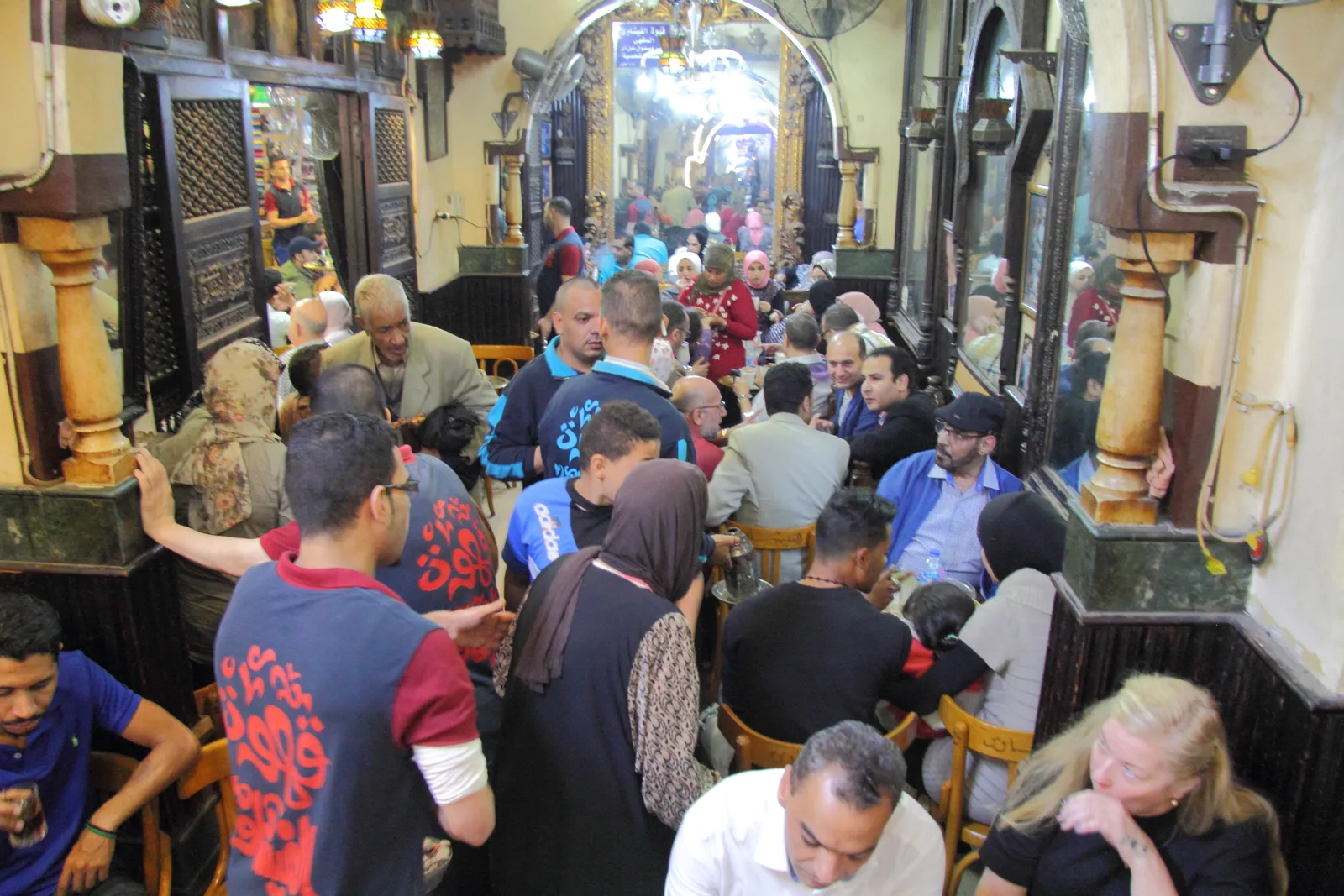
Katika majengo mengi ya miji yetu tukio lilelile hujirudia: chumba cha chini ya ardhi au ghorofa ya chini kilichokuwa kimetengwa kwa gereji, ghala au makazi hukodishwa na mtu, na ndani ya usiku mmoja hubadilishwa kuwa mkahawa: viti vya plastiki vinavyotambaa hadi njia ya waenda kwa miguu, skrini kubwa ya mechi, na shisha kadhaa ambazo makaa yake hayazimi kuanzia alasiri hadi baada ya alfajiri. Juu yake moja kwa moja, familia hujikuta ghafla nyumba zao zipo juu ya sherehe ya kudumu ya kukesha ambayo hakuna aliyewahi kuwauliza kuihusu.
Tuanze pale ambapo safu hii inapaswa kuanza kila mara: hili ni kosa la kimaadili kabla ya kuwa ukiukaji wa kiutawala. Nyumba ni ngome ya mwisho ya binadamu, mahali ambapo mtu anapaswa kufunga mlango juu ya uchovu wake na kulala. Basi moshi wa shisha na tumbaku ya asali unapopenya kupitia matundu ya hewa na nafasi za mwanga hadi vyumba vya kulala, na vicheko, kelele za mashabiki na mgongano wa meza vinapopenya kuta za nyumba hadi saa tisa usiku, wamiliki wa mkahawa hawaendeshi biashara; wananyakua usingizi wa jengo zima.
Madhara hapa si usumbufu wa kupita tu. Moshi unaotokana na uvutaji wa wengine, unaoingia ndani ya nyumba, huwadhuru wote, na huwadhuru zaidi watoto, wagonjwa wa kifua na wa mzio, pamoja na wazee; tiba iliamua jambo hili miongo kadhaa iliyopita. Na kukosa usingizi kwa muda mrefu si anasa iliyopotea, bali ni madhara ya moja kwa moja ya kiafya: mwanafunzi huenda shuleni akiwa amechoka na ufaulu wake hushuka; mfanyakazi huendesha gari asubuhi kwa umakini nusu; mama mgonjwa hapati hata saa moja ya utulivu.
Kisha kuna njia ya waenda kwa miguu na barabara. Mkahawa unaoanza kwa viti vichache mbele ya mlango wake humeza haraka njia nzima ya waenda kwa miguu, na watembea kwa miguu hulazimika kushuka barabarani; mlango wa jengo hugeuka kuwa ukumbi wa kusubiri, na wakazi wake hujikuta wakipenya hadi nyumbani kwao kati ya meza na moshi, kama wageni wasiotakiwa katika nyumba zao wenyewe.
Sheria ya Misri haisimami kama mtazamaji hapa; tatizo liko katika utekelezaji. Sheria ya Ujenzi Na. 119 ya mwaka 2008 pamoja na masharti yake zinasimamia matumizi ya vitengo na mabadiliko ya shughuli zake, na kubadilisha kitengo cha makazi au chumba cha chini ya ardhi kuwa shughuli ya kibiashara si haki kamili ya mmiliki bali ni utaratibu wenye masharti na vibali vyake. Sheria ya Maeneo ya Umma Na. 154 ya mwaka 2019 inataka leseni na kuweka masharti ya uendeshaji; Sheria ya Kupambana na Madhara ya Uvutaji Sigara Na. 52 ya mwaka 1981 na marekebisho yake inakataza uvutaji katika maeneo ya umma yaliyofungwa; na Sheria ya Mazingira Na. 4 ya mwaka 1994 inaweka viwango vya kelele visivyoruhusiwa kuvukwa usiku. Nyenzo za kisheria zipo; kinachokosekana ni matumizi yake.
Na tuwe waadilifu: hatupingi mikahawa, kwani ni sehemu ya asili ya maisha ya kijamii ya Wamisri, wala hatumpingi kijana aliyefungua mradi wa kujipatia riziki. Tunapinga jambo moja mahususi: kwamba shughuli iendeshwe mahali pasipofaa, na kwa namna inayofanya raha ya wakazi kuwa gharama ya faida yake. Mahali pa mkahawa ni maeneo na mitaa ya kibiashara, kwa masharti yaliyowekwa, si tumbo la jengo la makazi ambalo juu yake wanalala watoto.
Na jukumu haliko kwa mpangaji peke yake. Mmiliki aliyekodisha chumba cha chini ya ardhi akijua vyema kitakachokuwa ni mshirika kamili katika madhara: aliuza utulivu wa majirani aliokaa nao miaka mingi kwa nyongeza ya kodi ya pango. Na mamlaka za leseni zinazotoa kibali au kufumbia macho shughuli iliyoko mahali pasipostahili ni mshirika wa tatu, asiye na jukumu dogo.
Linalotakiwa kwa mwananchi: mwenye mkahawa anapaswa kujiuliza swali moja — je, angekubali yeye na watoto wake kuishi juu ya mkahawa wake? Ikiwa jibu ni hapana, basi ajue kuwa anawatendea watu jambo asilolikubali kwa nafsi yake. Mmiliki anapaswa asikodishe vitengo vya makazi na vyumba vya chini ya ardhi kwa shughuli zinazowadhuru wakazi, hata kama mapato yanavutia kiasi gani. Na wakazi walioathirika hawapaswi kukata tamaa: malalamiko ya pamoja yaliyoandikwa kwa halmashauri ya wilaya na mamlaka za leseni ni haki, na kudai kwa utulivu na mpangilio kuna manufaa zaidi kuliko ugomvi wa kila siku.
Na linalotakiwa kwa dola: usimamizi wa mabadiliko ya matumizi ya vitengo vya makazi na vyumba vya chini ya ardhi uwe wa kweli, si wa msimu; leseni ya kila eneo la umma iunganishwe na ukaguzi wa kina wa mahali lilipo na athari zake kwa wakazi; viwango vya kelele za usiku na saa za kufunga vitekelezwe kivitendo si kwa maneno; na malalamiko ya wakazi yawe njia rahisi yenye matokeo, si safari ya mateso kati ya ofisi inayoishia kwa karatasi kuwekwa kabatini.
Katika mizani ya safu hii, kanuni ni rahisi: haki ya kulala na ya hewa safi inatangulia haki ya kukesha na ya faida. Anayetaka kufungua mkahawa na aufungue mahali panapostahili na kwa namna inayostahili. Lakini majengo ya makazi kugeuzwa kuwa kumbi za usiku zilizolazimishwa kwa wakazi wake, hilo ni kosa — kosa dhidi ya mtoto atakayefanya mtihani kesho, dhidi ya mgonjwa anayehitaji utulivu, na dhidi ya wazo lenyewe la nyumbani.
Habari Zinazohusiana
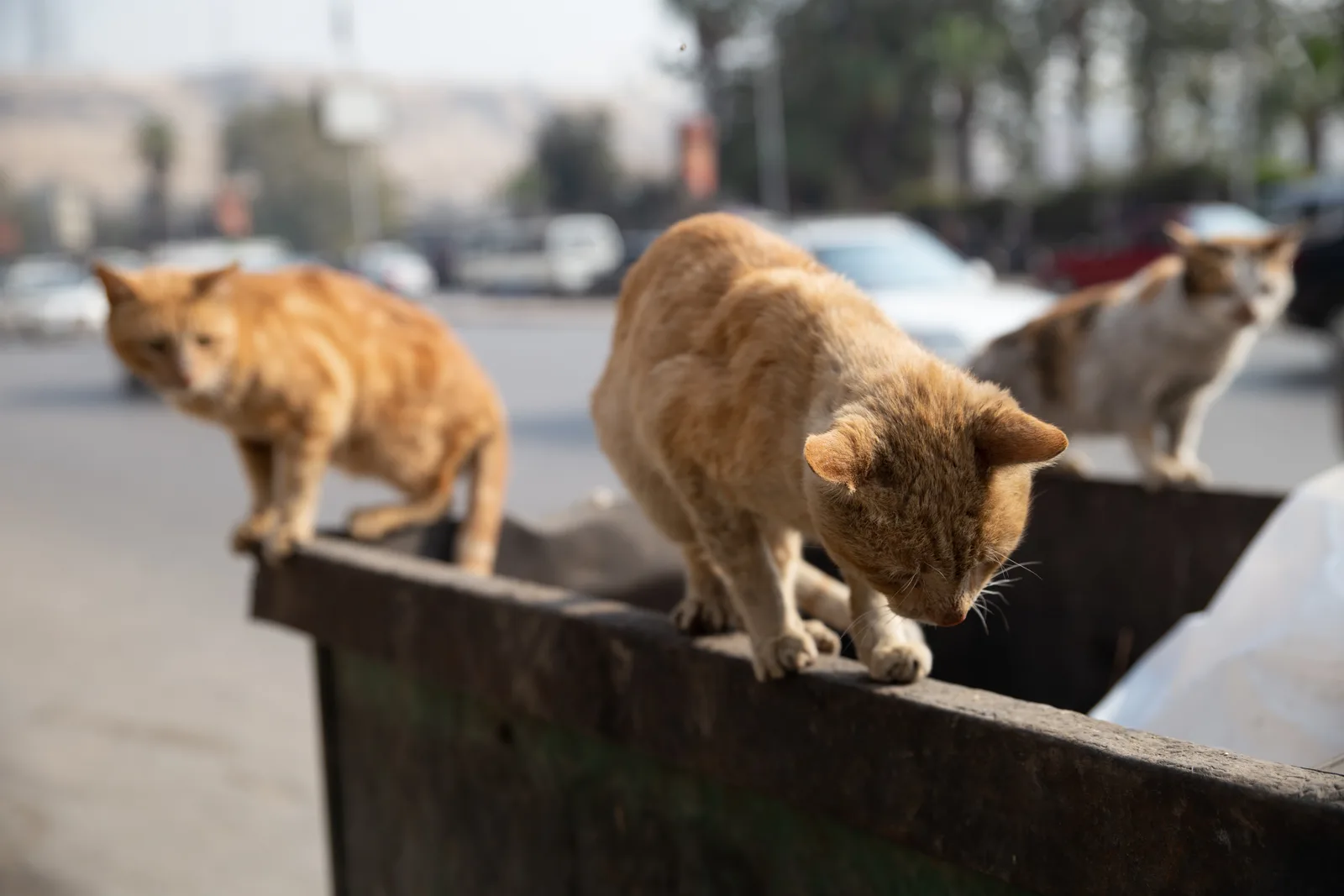
«Keda Ghalat» (Hii Si Sawa): Kudhuru Wanyama ni Kosa la Jinai Chini ya Sheria ya Adhabu ya Misri Tangu 1937
Jirani anaweka bakuli za sumu karibu na ukuta wa shule, na mmiliki wa mkokoteni anampiga punda wake usoni chini ya mzigo mzito kupita kiasi. Wengi hudhani «ni mnyama tu» maana yake hakuna sheria inayomlinda. Ukweli ni kwamba Ibara za 355, 356 na 357 za Sheria ya Adhabu zinaadhibu kuua, kutia sumu na kudhuru wanyama kwa adhabu zinazofikia kifungo jela. Katika usiku wa kuamkia Siku ya Wanyama Duniani, tunaeleza sheria inasema nini.
3 Oktoba 2026 · 6 dakika za kusoma
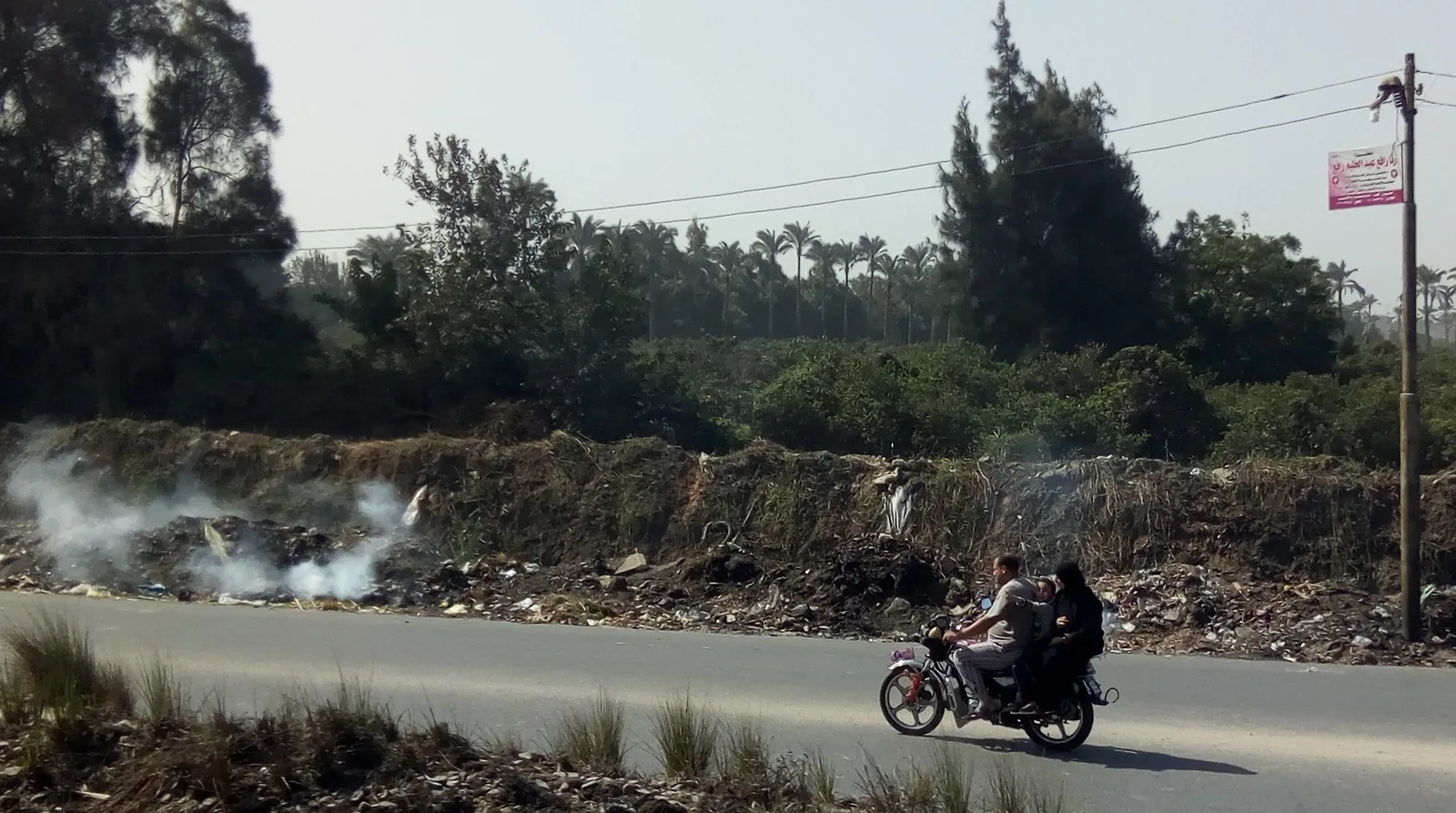
Watu Wanne Juu ya Pikipiki Bila Kofia Ngumu: Kichwa Wazi Ndicho Familia Inaweza Kupoteza Barabarani
Katika wiki ya pili ya shule, tukio lilelile hujirudia: baba akiendesha, mtoto mmoja mbele, mwingine nyuma, mama akishikilia mifuko, hakuna kofia ngumu hata moja. Ripoti za habari, zikinukuu CAPMAS, zaeleza ongezeko la vifo kutoka 190 hadi 897 kati ya 2020 na 2024, huku Cochrane ikionyesha kofia ngumu hupunguza hatari ya kifo kwa asilimia 42. Sheria imekuwa ikiadhibu kichwa wazi tangu 1999, faini iliongezwa 2008. Kwa nini hatuzingatii?
23 Septemba 2026 · 8 dakika za kusoma
"Kuunganisha Waya Ovyo" Si Ujanja: Wizi wa Umeme ni Uhalifu Ambao Mtaa Mzima Hulipa Gharama Yake
Waya ulio wazi ukining'inia kutoka nguzo hadi roshani, kiyoyozi kikifanya kazi huku mita haizunguki, na fuse ikikatika mara ya tatu, ikizima nuru nyumbani kwa jirani aliyelipa ankara yake. Kifungu cha 71 cha Sheria ya Umeme kinaita hili kujimilikisha umeme kinyume cha sheria, huadhibiwa kwa kifungo na faini, huku marekebisho makali zaidi yakisubiri Bunge. Mtaa mzima unapoteza nini kwa muunganisho mmoja? Mbadala sahihi ni upi?
14 Septemba 2026 · 7 dakika za kusoma