Benban: Jinsi jua la jangwa la Misri lilivyogeuka kuwa mojawapo ya mitambo mikubwa zaidi ya umeme duniani
Katika Jangwa la Magharibi kaskazini mwa Aswan, makumi ya vituo vya umeme-jua vilivyopakana huunda mradi wa Benban, mojawapo ya miradi mikubwa zaidi ya nishati ya jua duniani — mradi ulioigeuza nguvu kali kuliko zote za asili nchini Misri, yaani jua la jangwani, kuwa utajiri wa taifa wa nishati mbadala.
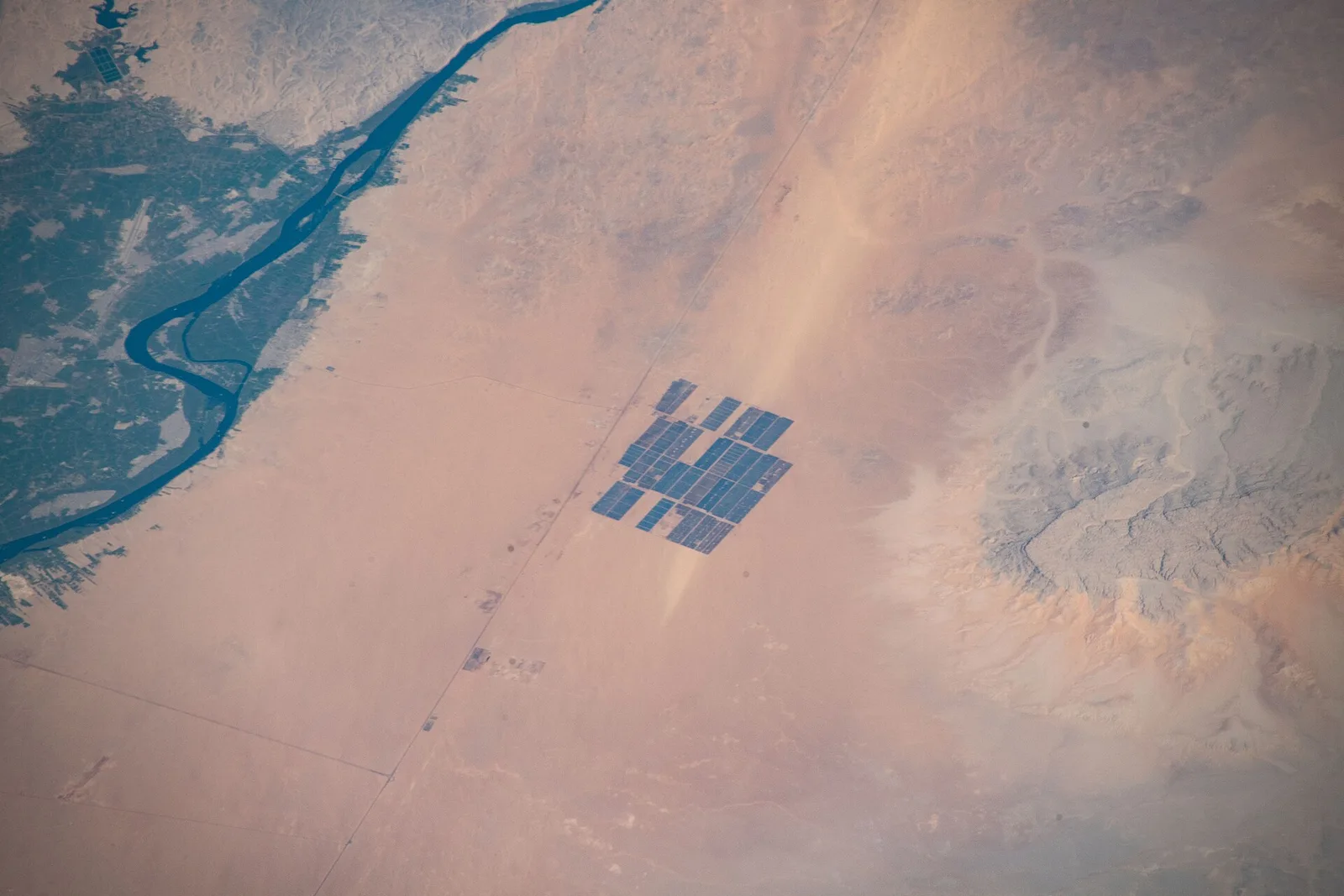
Umbali wa makumi ya kilomita kaskazini mwa mji wa Aswan, karibu na kijiji kidogo kiitwacho Benban, kunatanda mandhari isiyofanana na chochote kingine nchini Misri: safu zisizo na mwisho za paneli za jua za buluu iliyokoza zinafunika maeneo makubwa ya Jangwa la Magharibi, zikimetameta chini ya jua ambalo karibu halitui. Hapa ndipo ulipo Mradi wa Umeme wa Jua wa Benban, ambao tangu ukamilike mwishoni mwa muongo uliopita umehesabiwa miongoni mwa vituo vikubwa zaidi vya umeme wa jua duniani, wenye uwezo wa jumla wa takriban gigawati 1.65 uliogawanywa katika makumi ya mitambo iliyo jirani.
Benban haikuzaliwa kama kituo kimoja kikubwa, bali kama msururu wa miradi mingi. Badala ya serikali kujenga yenyewe kituo kikubwa peke yake, Mamlaka ya Nishati Mpya na Mbadala iligawa eneo pana la jangwa katika makumi ya vipande na kuvitoa kwa wawekezaji binafsi kutoka Misri na kutoka kote duniani chini ya mpango wa bei elekezi ya ununuzi wa umeme uliozinduliwa katikati ya muongo uliopita. Fedha zilimiminika kutoka taasisi kubwa za kimataifa, mbele yao Shirika la Fedha la Kimataifa la Kundi la Benki ya Dunia na Benki ya Ulaya ya Ujenzi na Maendeleo, hivyo wazo likageuka uhalisia ndani ya miaka michache.
Kwa nini Aswan hasa? Jibu lipo katika fizikia na jiografia kwa pamoja. Kusini mwa Misri kuna mojawapo ya viwango vya juu kabisa vya mnururisho wa jua duniani, ambapo jua huwaka takriban mwaka mzima bila mawingu ya kutajwa. Zaidi ya hayo, ardhi tambarare ya jangwa yenye watu wachache hutoa maeneo makubwa kwa gharama ndogo, na ukaribu wake wa kiasi na gridi ya taifa ya umeme ulifanya kuunganisha mitambo na gridi kuwa jambo linalowezekana kiuchumi.
Msingi wa mradi ni teknolojia ya seli zinazogeuza mwanga wa jua kuwa umeme: seli za silikoni hubadilisha mwanga wa jua moja kwa moja kuwa mkondo wa umeme wa moja kwa moja, kisha vifaa viitwavyo invata hugeuza mkondo huo kuwa wa kupishana unaofaa kusafirishwa. Nishati inayozalishwa na kila kituo hukusanywa katika vituo vikubwa vya kubadili msongo vinavyoisukuma kwenye gridi ya taifa, na hivyo kuwasha nyumba na viwanda vilivyo mamia ya kilomita mbali na mchanga wa Benban.
Kwa vipimo vya maisha ya kila siku, umeme safi unaozalishwa na mradi huu unatosha kuhudumia mamia ya maelfu ya nyumba za Wamisri, na huepusha uchomaji wa kiasi kikubwa cha nishati ya kisukuku ambayo ingelazimika kuagizwa kutoka nje au kuchotwa katika rasilimali za ndani, jambo linaloambatana na kupungua kwa hewa ya ukaa inayosababisha mabadiliko ya tabianchi.
Athari haikuwa ya kiuchumi na kimazingira pekee, bali pia ya kijamii. Katika miaka ya ujenzi mradi ulitoa maelfu ya nafasi za kazi, na wenyeji wengi wa Aswan na vijiji vya jirani walinufaika nazo; pia zimezuka shughuli za kudumu za uendeshaji na matengenezo zinazohitaji mafundi na wahandisi, katika mkoa ambao kwa miongo mingi umekuwa ukilalamikia uhaba wa fursa za viwanda.
Benban upo katikati ya mkakati mpana zaidi wa nishati wa Misri, unaolenga sehemu ya vyanzo vya nishati mbadala kufikia asilimia 42 hivi ya mchanganyiko wa umeme ifikapo mwaka 2035. Mbali na jua, Misri inaweka matumaini yake katika upepo maeneo kama Ghuba ya Suez na Zafarana, na katika umeme wa maji wa kihistoria wa Bwawa Kuu la Aswan, ikilenga kupanua wigo wa vyanzo na kupunguza utegemezi wa gesi asilia.
Lakini jangwa halitoi jua lake bure. Vumbi na mchanga hujilimbikiza juu ya paneli na kupunguza uzalishaji wake, jambo linalohitaji usafishaji wa mara kwa mara katika mazingira yenye uhaba wa maji, na hilo limewasukuma waendeshaji kuelekea mbinu za usafishaji mkavu na roboti maalum. Vilevile joto kali lenyewe hupunguza ufanisi wa seli, na hilo ni kitendawili kinachojulikana sana katika uhandisi wa nishati ya jua; ikiongezeka changamoto ya kuunganisha nishati inayopatikana kwa vipindi, ambayo hutoweka usiku, katika gridi inayopaswa kubaki imara saa ishirini na nne.
Changamoto hizi zimeufanya Benban kuwa maabara hai ya utafiti wa kisayansi. Vyuo vikuu na vituo vya utafiti vya Misri na vya kimataifa vinachunguza utendaji wa paneli katika hali ya hewa ya joto na yenye vumbi, na vinajaribu suluhisho za kuhifadhi umeme, kusafisha paneli na kutabiri uzalishaji; ni uzoefu unaozidi kuwa na thamani kadiri miradi ya nishati ya jua inavyopanuka katika ulimwengu wa Kiarabu na barani Afrika.
Mwishowe, maana ya Benban inavuka mipaka ya umeme. Mradi huu ulitoa mfano wa ushirikiano kati ya serikali, sekta binafsi na taasisi za fedha za kimataifa katika uwanja uliokuwa ukitawaliwa na vituo vya kawaida vya joto, na ukaimarisha nafasi ya Misri kama mgombea wa kikanda wa kusafirisha nishati safi nje kupitia miradi ya kuunganisha gridi za umeme na nchi jirani. Jua ambalo Wamisri kwa muda mrefu waliliona kama ukali wa hali ya hewa, katika mchanga wa Benban limekuwa rasilimali ya kitaifa inayostahili kuzingatiwa.
Habari Zinazohusiana
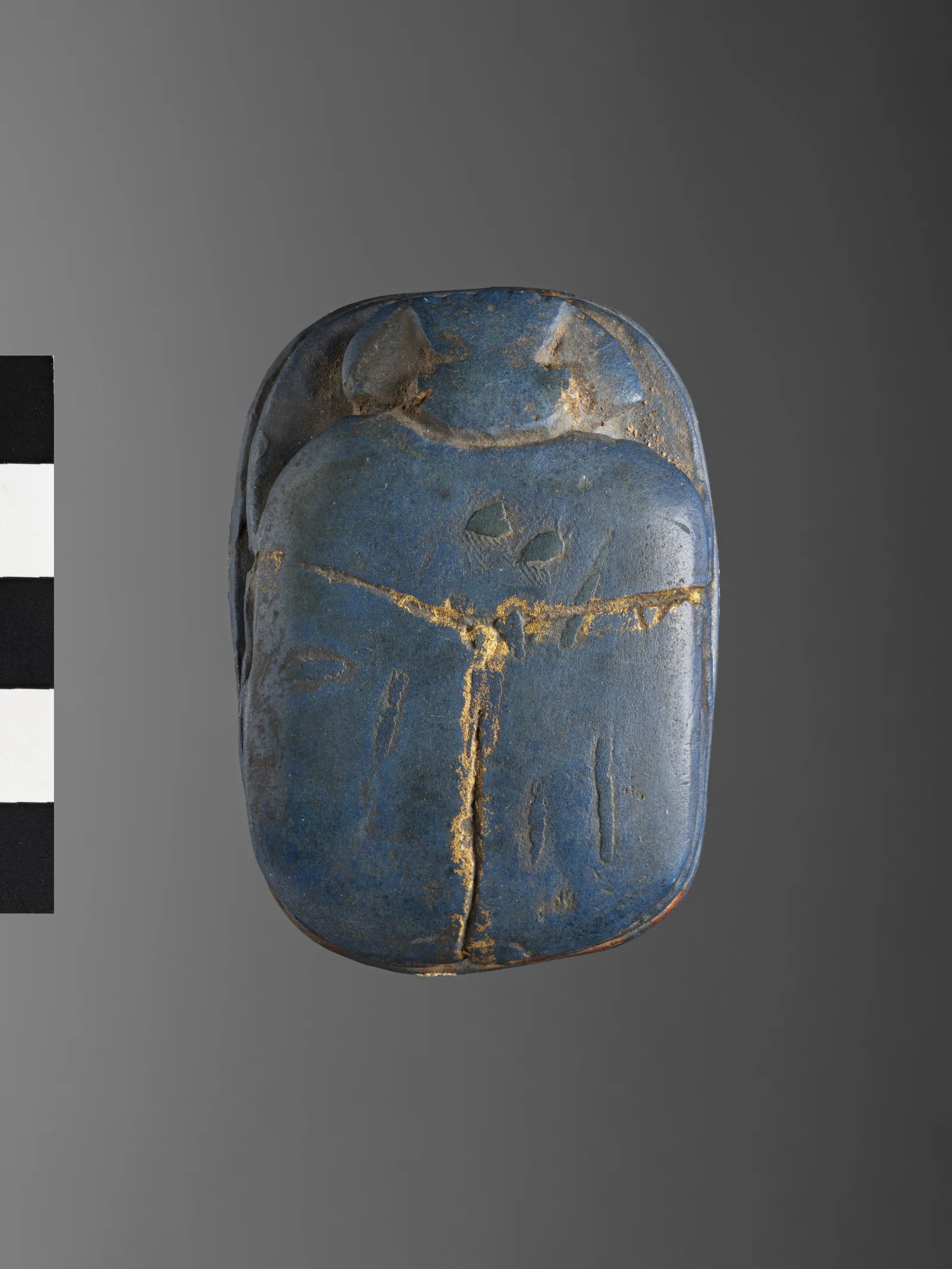
“Buluu ya Misri”: Rangi ya kwanza ya kutengenezwa katika historia yarudi leo kufichua alama za vidole na kuangaza seli
Rangi ya buluu iliyotengenezwa na wanakemia wa Misri kutokana na mchanga, shaba na chokaa maelfu ya miaka iliyopita; mwaka 2013 wanasayansi waligundua kuwa hupasuka na kuwa tabaka nyembamba za nano zinazotoa mionzi ya infrared. Tangu hapo imekuwa unga unaofichua alama za vidole Australia, na kichunguzi kinachoangaza viinitete vya nzi na majani ya mimea Ujerumani. Hadithi ya dutu ya kale yenye sifa ya kisasa, na swali kuhusu maabara zetu za leo.
17 Septemba 2026 · 7 dakika za kusoma
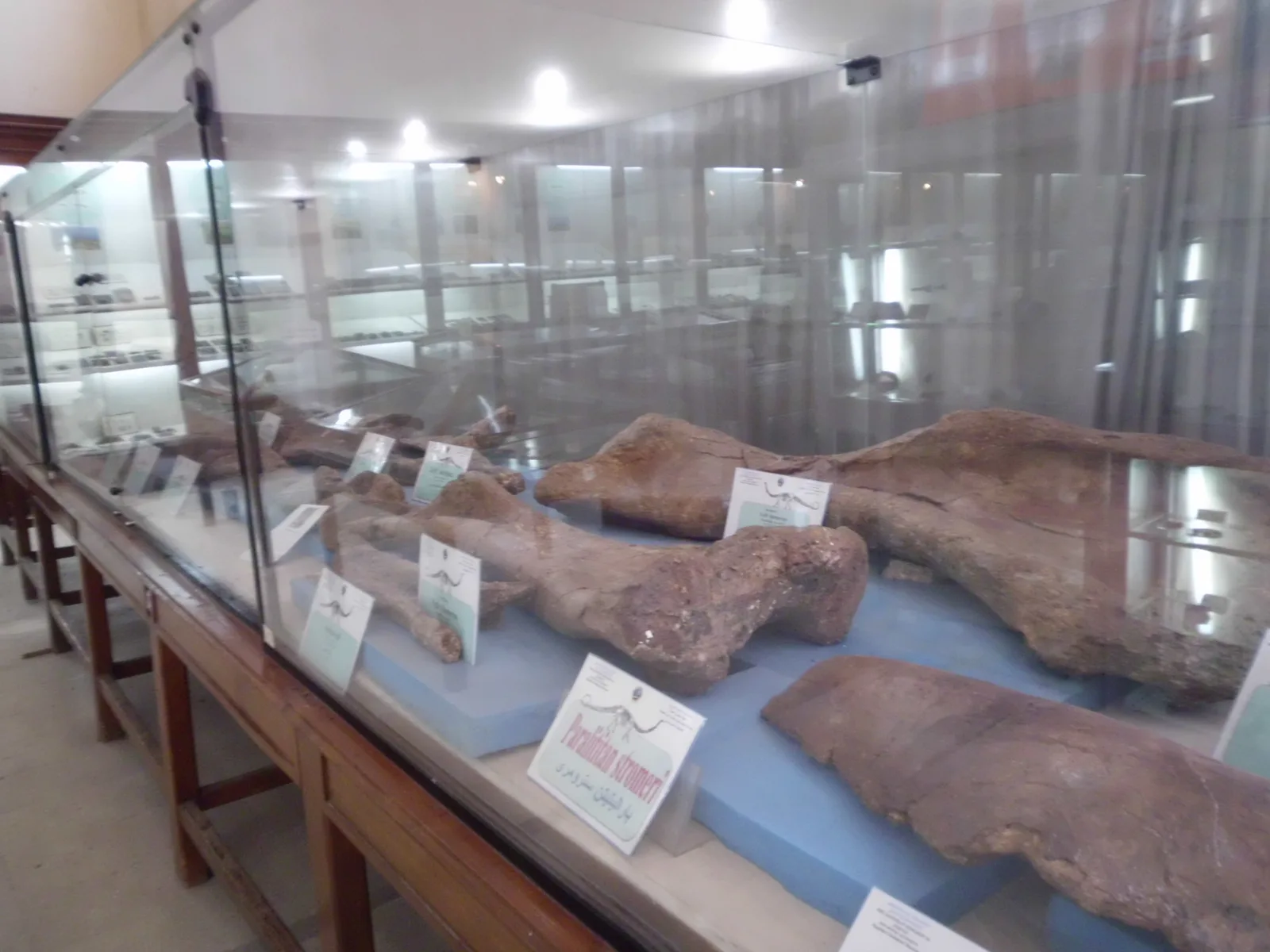
Miaka Milioni Themanini Kabla ya Mafarao: Dinosauri wa Mansoura na Visukuku vya Oasisi Vilivyoteketezwa na Vita
Wanafunzi wa Kimisri wa Chuo Kikuu cha Mansoura walichimbua kwenye miamba ya Oasisi ya Dakhla mifupa ya Mansourasaurus, kiunzi kamili zaidi cha dinosauri wa mwishoni mwa Kretasia kuwahi kupatikana Afrika. Karne moja kabla yao, mwanasayansi wa Kijerumani alihifadhi dinosauri wa Oasisi ya Bahariya mjini Munich, na vita vikaviteketeza. Hadithi ya kumbukumbu ya Dunia katika jangwa la Misri, na ya sayansi ambayo mtoto wako anaweza kuisomea hapa.
8 Septemba 2026 · 7 dakika za kusoma
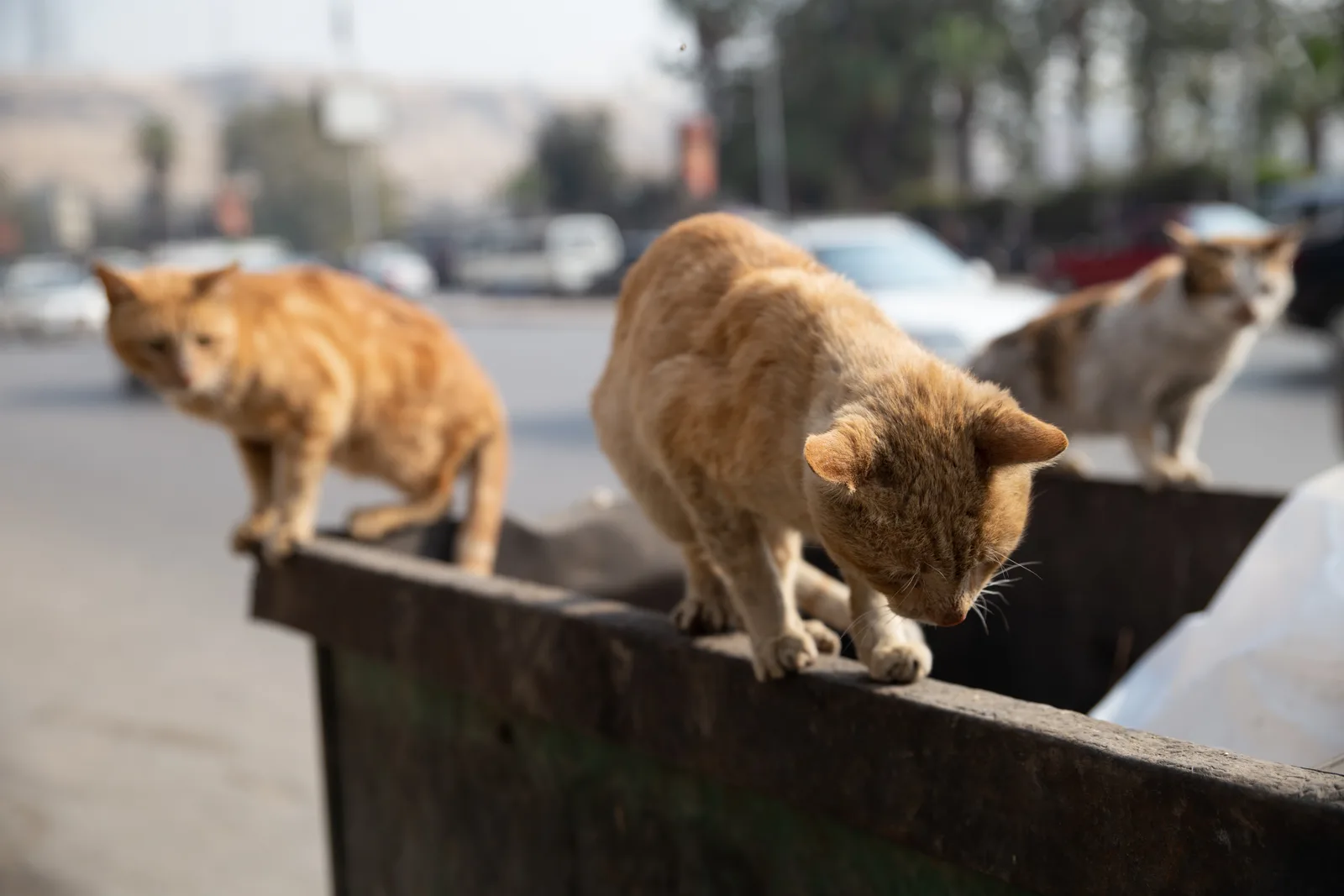
«Keda Ghalat» (Hii Si Sawa): Kudhuru Wanyama ni Kosa la Jinai Chini ya Sheria ya Adhabu ya Misri Tangu 1937
Jirani anaweka bakuli za sumu karibu na ukuta wa shule, na mmiliki wa mkokoteni anampiga punda wake usoni chini ya mzigo mzito kupita kiasi. Wengi hudhani «ni mnyama tu» maana yake hakuna sheria inayomlinda. Ukweli ni kwamba Ibara za 355, 356 na 357 za Sheria ya Adhabu zinaadhibu kuua, kutia sumu na kudhuru wanyama kwa adhabu zinazofikia kifungo jela. Katika usiku wa kuamkia Siku ya Wanyama Duniani, tunaeleza sheria inasema nini.
3 Oktoba 2026 · 6 dakika za kusoma