Seneti ya Misri: Muundo, mamlaka na mipaka yake
Wajumbe mia tatu, thuluthi yao wakiteuliwa, na jukumu la ushauri kuhusu katiba, mikataba ya kimataifa na miswada ya sheria. Baada ya baraza hili la pili kurejeshwa kupitia marekebisho ya katiba ya mwaka 2019, tunaeleza jinsi Seneti inavyoundwa, mamlaka iliyonayo na isiyokuwa nayo, na nafasi yake katika 'jiko' la utungaji wa sheria nchini Misri.
Mfumo wa mabaraza mawili ulirejea katika maisha ya kibunge ya Misri kupitia marekebisho ya katiba yaliyopitishwa katika kura ya maoni ya mwaka 2019, ambayo yaliagiza kuundwa kwa Baraza la Seneti kando ya Baraza la Wawakilishi, na uchaguzi wake wa kwanza ulifanyika majira ya kiangazi ya mwaka 2020. Kwa hivyo Misri ilirudisha baraza la pili lililokuwa halipo tangu Baraza la Shura lilipofutwa na katiba ya mwaka 2014, ingawa likiwa na muundo na mamlaka yaliyoandikwa upya.
Baraza hilo lina wajumbe mia tatu waliogawanywa mafungu matatu sawa: wajumbe mia moja huchaguliwa kwa mfumo wa mtu mmoja katika jimbo, mia moja kwa orodha zilizofungwa za vyama, na mia moja huteuliwa na Rais wa Jamhuri. Muhula wa ujumbe ni miaka mitano kuanzia tarehe ya kikao cha kwanza cha baraza. Mchanganyiko huu wa uchaguzi na uteuzi ni mwendelezo wa desturi iliyokita mizizi katika mabaraza ya pili ya Misri tangu miaka ya ishirini ya karne iliyopita.
Anayegombea au anayeteuliwa ni lazima awe Mmisri mwenye haki zake za kiraia na za kisiasa, awe na shahada ya chuo kikuu au kiwango kinacholingana nayo, na asiwe na umri wa chini ya miaka thelathini na mitano siku ambayo milango ya ugombeaji inafunguliwa, kama sheria ya baraza inavyoeleza kwa kina. Kanuni zinazosimamia zoezi hilo pia zinahakikisha wanawake wanapata si chini ya moja ya kumi ya viti vyote.
Kiini cha mamlaka ya baraza ni cha ushauri: linawajibika kuchunguza na kupendekeza lolote linaloona linaweza kupanua nafasi za demokrasia na kuimarisha amani ya kijamii na maadili ya msingi ya jamii. Maoni yake huombwa kuhusu mapendekezo ya kurekebisha katiba, rasimu ya mpango mkuu wa maendeleo ya kijamii na kiuchumi, mikataba ya amani na ya muungano na masuala yanayogusa haki za enzi kuu, pamoja na miswada ya sheria inayopelekwa kwake na Rais wa Jamhuri au Baraza la Wawakilishi.
Kwa upande mwingine, mipaka iko wazi: baraza hili halitoi kura ya imani kwa serikali wala kuiondoa, halipitishi bajeti ya taifa, na halina kauli ya mwisho katika utungaji wa sheria. Mamlaka ya kupitisha sheria yanabaki mikononi mwa Baraza la Wawakilishi peke yake, huku maseneta wakitoa maoni na uchambuzi vinavyoyaboresha maandishi kabla hayajaamuliwa.
Kwa ndani, baraza hufanya kazi kwa mifumo inayofanana na ile ya baraza jirani: vikao vya jumla vinavyoongozwa na spika na manaibu wake wawili wanaochaguliwa mwanzoni mwa kila kipindi cha kutunga sheria, kamati maalum za kisekta zinazochunguza mafaili yanayopelekwa kwao na kuandaa ripoti, na kipindi kirefu cha mikutano cha mwaka ambacho maelezo yake yanapangwa na kanuni za ndani za baraza.
Uhusiano kati ya mabaraza hayo mawili unaongozwa na kanuni bayana za utengano: hairuhusiwi kuwa mjumbe wa Seneti na wa Baraza la Wawakilishi kwa wakati mmoja, na maoni na ripoti za Seneti hupelekwa kwa chombo kilichoomba maoni ili kipime yaliyomo. Hivyo nafasi yake katika mchakato wa kutunga sheria inabaki kuwa mchango wa kitaasisi wa uchunguzi na mapitio, si mamlaka pinzani inayoshindana nalo.
Kuhusu utaratibu wa uchaguzi, kura hupigwa katika majimbo makubwa kwa orodha zilizofungwa, ambapo orodha inayopata wingi kamili wa kura halali hushinda, na katika majimbo ya mtu mmoja ambapo ushindani unaweza kwenda hadi raundi ya marudio kati ya wanaoongoza iwapo kiti hakikuamuliwa katika raundi ya kwanza; yote haya hufanyika chini ya usimamizi wa Mamlaka ya Taifa ya Uchaguzi.
Baraza hili ni tawi la ukoo mrefu wa kibunge: ni mrithi wa Baraza la Seneti lililoanzishwa na katiba ya mwaka 1923 na kudumu hadi Mapinduzi ya Julai, kisha Baraza la Shura lililoletwa na marekebisho ya mwaka 1980 na kufutwa mwaka 2014, kabla marekebisho ya mwaka 2019 hayajarudisha baraza la pili kwa jina lake la kihistoria la zamani.
Uwepo wa baraza hili hauko bila mjadala. Wanaoliunga mkono wanaliona kama baraza la utaalamu na la kutafakari kwa utulivu, linaloruhusu sheria kupitiwa upya mbali na shinikizo la siasa za kila siku na kuwavuta wataalamu ambao huenda wasiingie kamwe katika kinyang’anyiro cha uchaguzi mkuu. Wakosoaji, kwa upande wao, huhoji faida ya baraza la ushauri ambalo maoni yake hayamlazimu mtu yeyote na gharama yake kwa fedha za umma; huu ni mjadala unaojulikana katika mifumo yote ya mabaraza mawili duniani.
Popote unaposimama katika mjadala huo, kufuatilia kazi za baraza hili — kuanzia mijadala ya kamati zake maalum hadi ripoti zake kuhusu masuala ya kiuchumi na kijamii — ni dirisha muhimu la kuelewa jiko la utungaji sheria nchini Misri katika hatua zake za awali, kabla maandishi hayajafika ukumbi wa uamuzi wa mwisho katika Baraza la Wawakilishi.
Habari Zinazohusiana
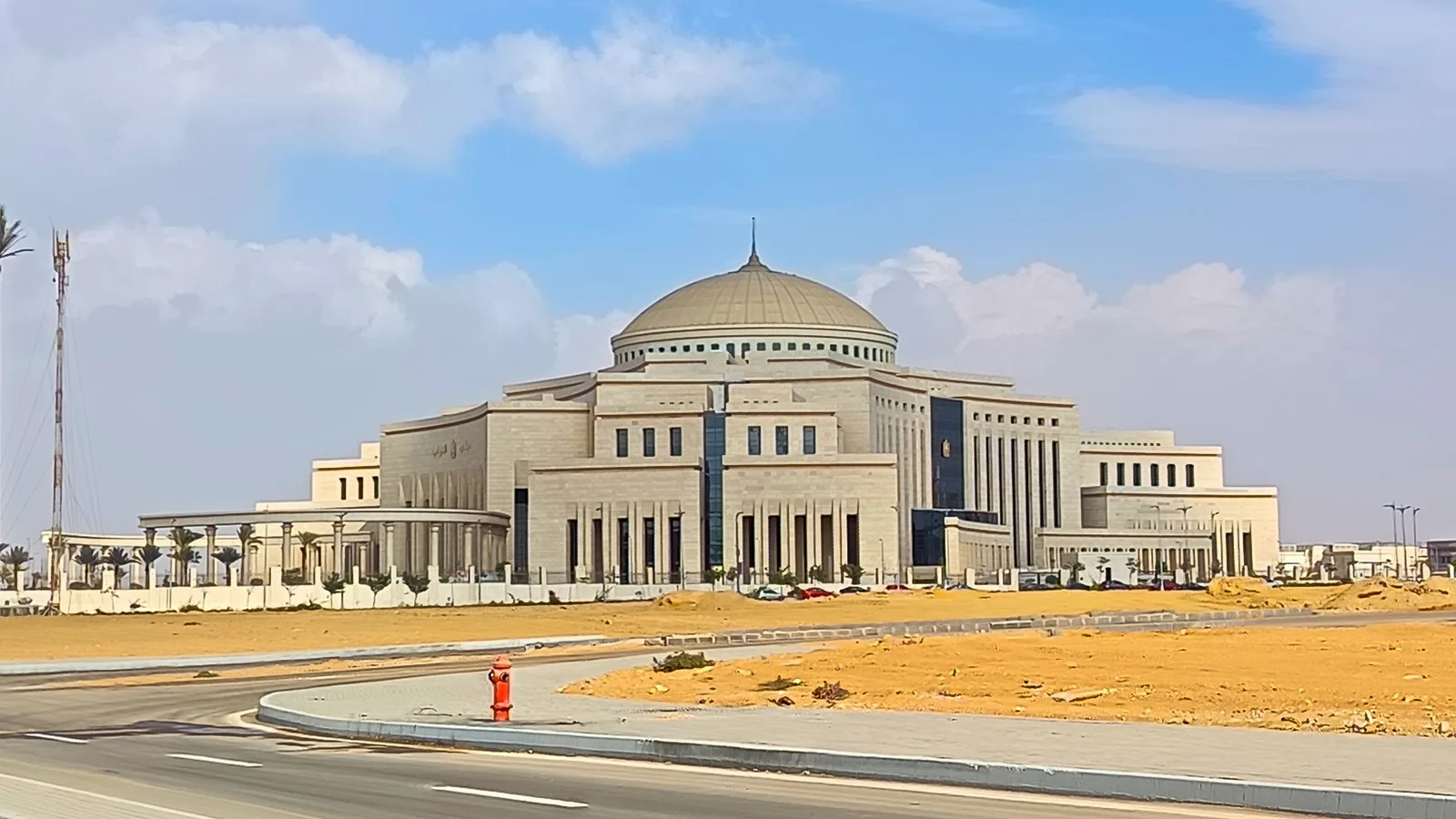
Jicho la Bunge Juu ya Serikali: Kutoka Ombi la Taarifa ya Dharura hadi Kuondoa Imani — Zana za Usimamizi Kama Katiba Ilivyozichora
Kutoka swali analoulizwa waziri hadi hoja ya kumhoji inayoweza kuiangusha serikali nzima: safari ya vitendo ndani ya sanduku la zana za usimamizi wa kibunge kama zilivyoainishwa na Katiba ya 2014 na marekebisho ya 2019, tofauti kati ya mamlaka ya Baraza la Wawakilishi na yale ya Seneti, na jinsi wewe mwenyewe unavyoweza kufuatilia yanayoendelea chini ya kuba la Bunge.
6 Septemba 2026 · 7 dakika za kusoma
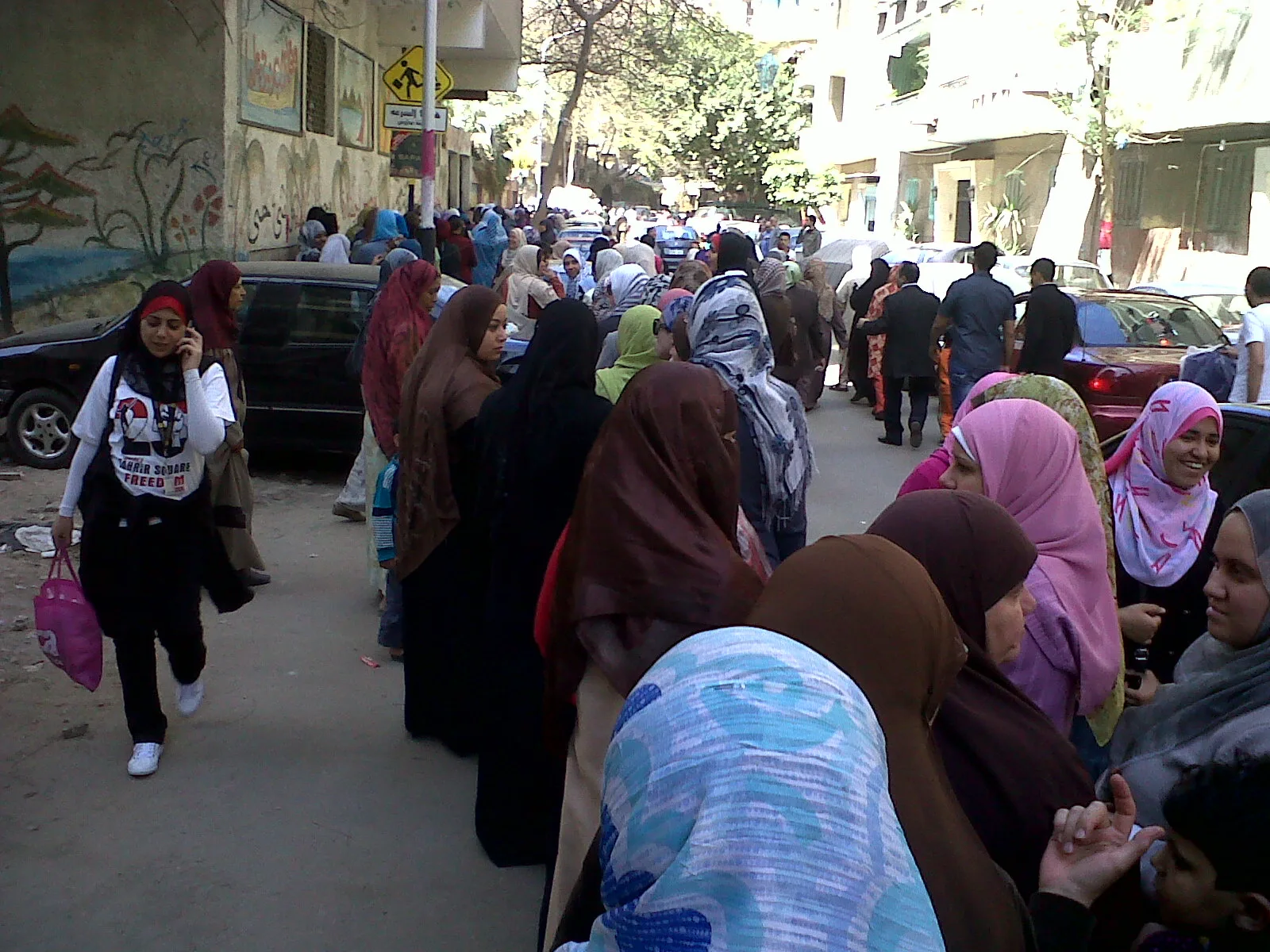
Baraza la Seneti la Misri 2026: Hakuna Uchaguzi Mwaka Huu — Mwongozo kwa Wapigakura
Hakuna uchaguzi wa Baraza la Seneti uliopangwa nchini Misri mwaka 2026: baraza la sasa lilichaguliwa Agosti 2025 kwa muhula wa miaka mitano, na uchaguzi ujao unatarajiwa mwaka 2030. Mwongozo usioegemea upande wowote kuhusu mfumo wa viti, sifa za kupiga kura, vituo vya kupigia kura, na utangazaji wa matokeo.
20 Agosti 2026 · 7 dakika za kusoma
«Keda Ghalat» (Hii Si Sawa): Kudhuru Wanyama ni Kosa la Jinai Chini ya Sheria ya Adhabu ya Misri Tangu 1937
Jirani anaweka bakuli za sumu karibu na ukuta wa shule, na mmiliki wa mkokoteni anampiga punda wake usoni chini ya mzigo mzito kupita kiasi. Wengi hudhani «ni mnyama tu» maana yake hakuna sheria inayomlinda. Ukweli ni kwamba Ibara za 355, 356 na 357 za Sheria ya Adhabu zinaadhibu kuua, kutia sumu na kudhuru wanyama kwa adhabu zinazofikia kifungo jela. Katika usiku wa kuamkia Siku ya Wanyama Duniani, tunaeleza sheria inasema nini.
3 Oktoba 2026 · 6 dakika za kusoma