Kimbunga cha Gharama za Ndoa Nchini Misri: Mahari, Shabka na Nyumba... na Mjadala Unaorejea wa Harusi Rahisi Zaidi
Kutoka mahari na 'shabka' (zawadi ya dhahabu) hadi nyumba na 'qayma' (orodha ya samani), orodha ya masharti ya ndoa nchini Misri imegeuka kuwa mlima wa kifedha unaochelewesha ndoto za vijana. Mtazamo tulivu wa muundo wa gharama hizo, shinikizo za kijamii zinazozisukuma, na wito unaoongezeka wa kidini na kijamii wa harusi rahisi zaidi.
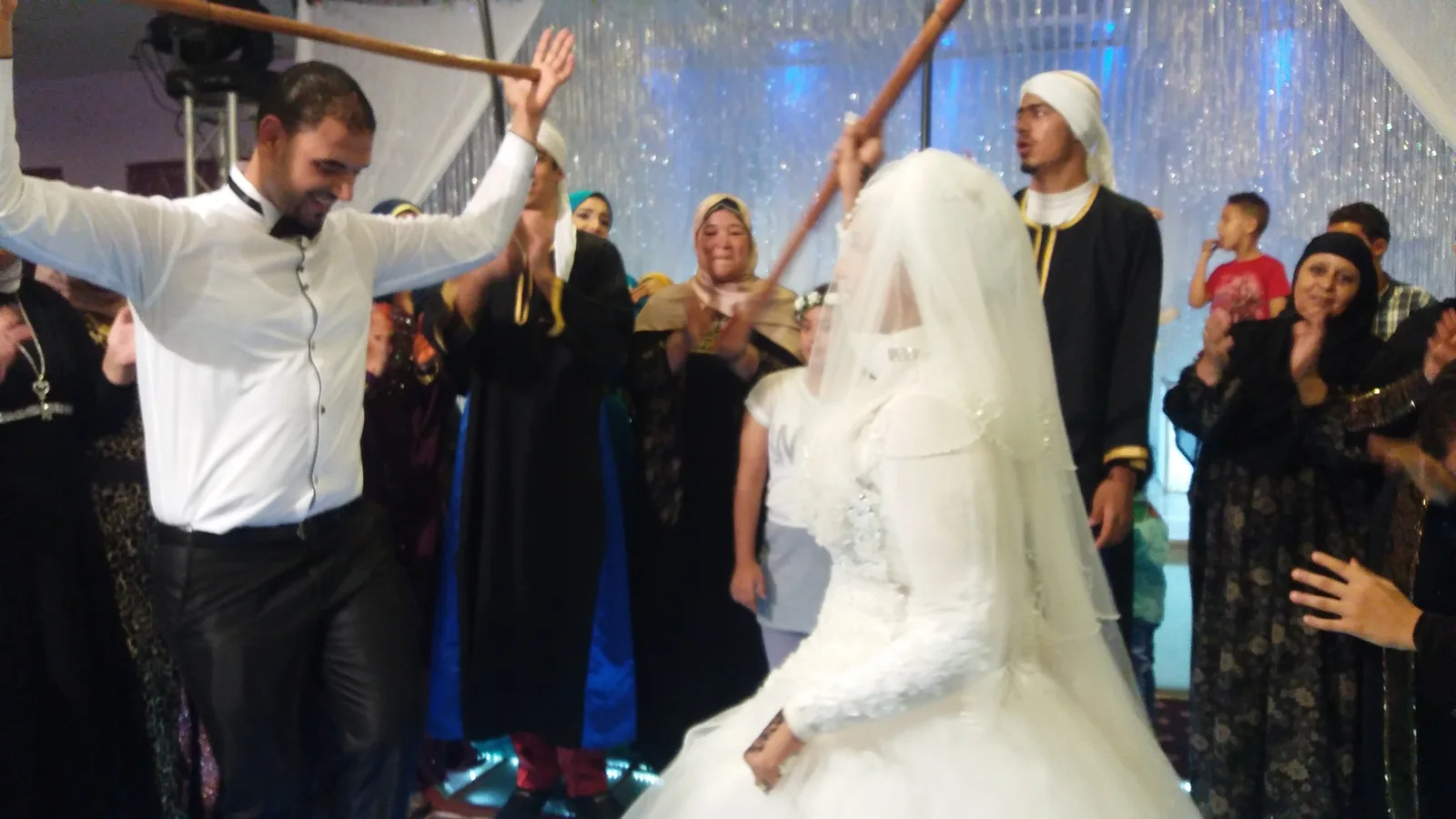
Ni nyakati chache katika maisha ya Wamisri zinazobeba furaha — na hesabu — kama ndoa inavyozibeba. Muda mrefu kabla ya msafara wa harusi ujulikanao kama zaffa na kabla ya ukumbi wa sherehe, familia mbili hukaa mezani kujadili orodha inayozidi kuwa nzito kizazi baada ya kizazi: mahari, dhahabu, nyumba, samani, vifaa vya umeme, na hatimaye sherehe yenyewe. Kile kilichokuwa agano linalotiwa muhuri kwa zawadi ndogo, kwa familia nyingi sasa kimegeuka mlima wa gharama unaohitaji miaka ya kuweka akiba ili kuupanda; na mjadala kuhusu gharama za ndoa umekuwa gumzo la taifa kwa miongo kadhaa.
Orodha hii ina msamiati wake. Mahr ni mahari anayotoa bwana harusi kwa bibi harusi; ni wajibu wa kidini katika Uislamu, na sheria ya Kiislamu haikuweka kiwango cha chini kwa ajili yake. Shabka ni dhahabu — pete, bangili, na wakati mwingine seti kamili — ambayo uzito wake mara nyingi husomwa kama kipimo cha uzito wa nia. Kisha huja nyumba, samani na vifaa vinavyojulikana kama gehaz, na katika familia nyingi “qayma”: orodha iliyotiwa saini ya vitu vyote vya nyumba ya ndoa, inayolinda haki za bibi harusi juu ya mali yake.
Ni desturi, si sheria, inayogawa mizigo hii, na desturi hutofautiana kwa mkoa na kwa tabaka. Katika mpangilio wa mijini uliozoeleka zaidi, bwana harusi hugharamia nyumba na shabka, huku familia ya bibi harusi ikiandaa sehemu kubwa ya samani; vijijini uwiano huo waweza kuwa tofauti. Kinadharia kila kipengele kinajadilika. Kiuhalisia, familia hujihisi zikitazamwa na ndugu na majirani, na hofu ya kuonekana wabahili — au ya kumdunisha binti — huzisukuma pande zote mbili hadi ukomo wa uwezo wao, na wakati mwingine hata zaidi ya uwezo huo.
Kipengele kizito kuliko vyote ni makazi. Katika Kairo, Iskandaria na miji yenye msongamano ya Delta, bei ya nyumba ya kawaida tu inaweza kumeza miaka mingi ya mshahara wa kawaida; ndiyo maana swali “je, ana nyumba?” mara nyingi hutangulia swali lolote kuhusu tabia na maadili. Baadhi ya wachumba hununua nyumba ambazo hazijakamilika na kuzimalizia chumba baada ya chumba; wengine hutia saini mikataba mirefu ya malipo ya awamu; na wengi huahirisha jambo lote. Kizingiti cha makazi, zaidi ya dhahabu au sherehe yoyote, ndicho kinachorefusha uchumba kwa miaka.
Sherehe yenyewe ina mfumuko wake wa gharama: ukumbi au hoteli, kosha ambayo ni jukwaa la maharusi, mwimbaji au DJ, upigaji picha, magauni na suti, na chakula cha jioni kwa mamia ya wageni. Kila kimoja kati ya hivyo kimekuwa jukwaa la familia kuonyesha hadhi yake. Mitandao ya kijamii imeongeza ukali wa ulinganisho: leo kila harusi hupigwa picha, huchapishwa na hupimwa dhidi ya nyingine. Wazazi wengi hukiri faraghani kwamba fedha za sherehe zingefaa zaidi zikitumika ndani ya nyumba mpya, lakini ni wachache wanaothubutu kuwa wa kwanza kupunguza.
Wanasosholojia na viongozi wa dini kwa muda mrefu wameunganisha gharama hizi na ongezeko la polepole la umri wa kuoa. Vijana wa kiume huahirisha kuposa hadi waweze kumudu orodha; uchumba hurefuka na wakati mwingine huvunjika kwa shinikizo; familia humaliza akiba zao au hujiunga na vikundi vya kuweka na kukopa vya mtaani vinavyoitwa gameyat ili kupata fedha. Mzigo haumwangukii bwana harusi peke yake: familia za maharusi wa kike mara nyingi huuza ardhi au dhahabu yao ili kuandaa nyumba, na kaya zote mbili zaweza kuanza maisha ya ndoa tayari zikiwa na madeni.
Taasisi za kidini nchini Misri zimekuwa zikihimiza wepesi kwa vizazi vingi. Wanazuoni wa Kiislamu hunukuu hadithi ya Mtume kwamba ndoa yenye baraka zaidi ni ile yenye gharama nyepesi zaidi, na khutba za Ijumaa huzitaka familia mara kwa mara kupunguza mahari na matarajio; mapadre wa Kikoptiki nao huwashauri wanaokaribia kuoa katika mwelekeo huo huo. Ujumbe wa kidini haubadiliki: ndoa ni agano na jukumu, si maonyesho ya majivuno, na kuifanya iwe juu ya uwezo wa vijana ni madhara ya kijamii yenyewe.
Njia mbadala zipo na zinaongezeka. Mashirika ya hisani kote nchini huandaa harusi za pamoja zinazowapatia wanandoa kadhaa kwa wakati mmoja mahitaji ya msingi ya nyumbani, na hii ni desturi iliyoshika mizizi katika mikoa mingi. Baadhi ya familia sasa hutangaza wazi kwamba zinatosheka na mahari ya ishara au zimeondoa qayma kabisa, na huieleza hatua hiyo kama ishara ya imani, si kujishusha. Watu mashuhuri na wahubiri wanaosifia harusi rahisi hupokea makofi mengi mtandaoni — dalili kwamba mjadala unabadilika hata kama desturi zenyewe zinasonga polepole.
Kwa wanaokaribia ndoa leo, ushauri unaorudiwarudiwa na washauri ni kupanga orodha kwa vipaumbele: nyumba imara na samani za msingi hutumikia ndoa kwa miongo kadhaa, ilhali usiku mmoja wa fahari haufanyi hivyo. Kuzungumza kwa uwazi kuhusu bajeti kabla ya uchumba, kukataa kushindana kipengele kwa kipengele na binamu na wenzako kazini, na kukubaliana kwamba dhahabu yaweza kuongezwa baadaye — zote ni njia ambazo kwazo familia hupunguza gharama kimyakimya bila mgongano wa hadhara. Wale wanaofanikiwa husema jambo lile lile baadaye: hakuna anayekumbuka taa za dari.
Hakuna lolote kati ya haya linalopunguza uzuri wa harusi ya Kimisri — ngoma za zaffa, vigelegele vya wanawake, na kuungana kwa familia mbili kubwa kuwa moja. Lakini swali ambalo jamii hujiuliza si kama isherehekee au la, bali ni kwa gharama gani, na ni nani anayeachwa nje ya mlango kila bei inapopanda. Ndoa, kama kila bibi asemavyo, hujengwa juu ya maelewano, si juu ya orodha za mali; na nyumba zinazodumu mara chache ndizo zilizoanza na orodha nzito kuliko zote.
Habari Zinazohusiana

Kabla ya «Katb el-Kitab»: Cheti cha Uchunguzi wa Kiafya Kinachotakiwa Kisheria — Kinabaini Nini, Kwa Nini Hakizuii Ndoa
Kabla ya kusajiliwa kwa mkataba wa ndoa nchini Misri — «katb el-kitab» — sheria inahitaji uchunguzi wa kiafya wa lazima, unaomalizika kwa cheti chenye msimbo wa QR anachohitaji ma'dhun au kanisa. Unabaini nini, unagharimu kiasi gani, unafanyika wapi, na kwa nini ni muhimu sana kwa Misri? Muhimu zaidi: kwa nini matokeo yake hayawezi kamwe kuzuia ndoa? Mwongozo wa utulivu kwa wanandoa watarajiwa wenye wasiwasi wa "vipi ikiwa watanigundulia kitu".
12 Septemba 2026 · 9 dakika za kusoma

Mpango wa Wiki Mbili wa Kurekebisha Usingizi wa Watoto Kabla ya Kengele ya Shule Septemba 12
Huku mwaka wa masomo nchini Misri ukianza Septemba 12, wataalamu wa usingizi wanashauri kusogeza mbele muda wa kulala na kuamka wa watoto kwa dakika 15 hadi 20 kila usiku, kuanzia sasa badala ya usiku wa kuamkia shule. Huu hapa mpango kamili, pamoja na saa za usingizi zinazopendekezwa kwa kila umri.
23 Agosti 2026 · 6 dakika za kusoma
Kurudi Shuleni kwa Busara: Mwongozo wa Bajeti ya Familia Kabla ya Septemba 12
Kabla ya mwaka wa masomo wa Misri kuanza Septemba 12, huu ni mwongozo wa vitendo wa bajeti ya kurudi shuleni: ada rasmi zilizotangazwa, kukagua vifaa vinavyofaa kutoka mwaka jana, kupanga vipaumbele vya ununuzi, mbinu halisi za kuokoa fedha — na jinsi ya kudhibiti kifungu kikubwa zaidi cha matumizi: masomo ya ziada ya kulipia.
18 Agosti 2026 · 6 dakika za kusoma