Ukeketaji: Uhalifu Unaokatazwa na Sheria, Unaokataliwa na Dini na Tiba — si Desturi Inayostahili Kuendelea
Ukeketaji bado unafanyika kimyakimya kwa jina la desturi na imani potofu za kidini, ingawa sheria ya Misri inaufanya kuwa kosa la jinai lenye adhabu kali, ingawa Al-Azhar na Dar al-Iftaa wametangaza kuwa hauna msingi wowote katika dini, na ingawa wataalamu wa tiba wanakubaliana kwa kauli moja kwamba ni madhara matupu yasiyo na faida hata moja. Makala hii si shutuma dhidi ya familia, bali ni wito wa kuzilinda: ulinzi wa mabinti zetu unaanza kwa neno «hapana» linalosemwa na baba na mama.
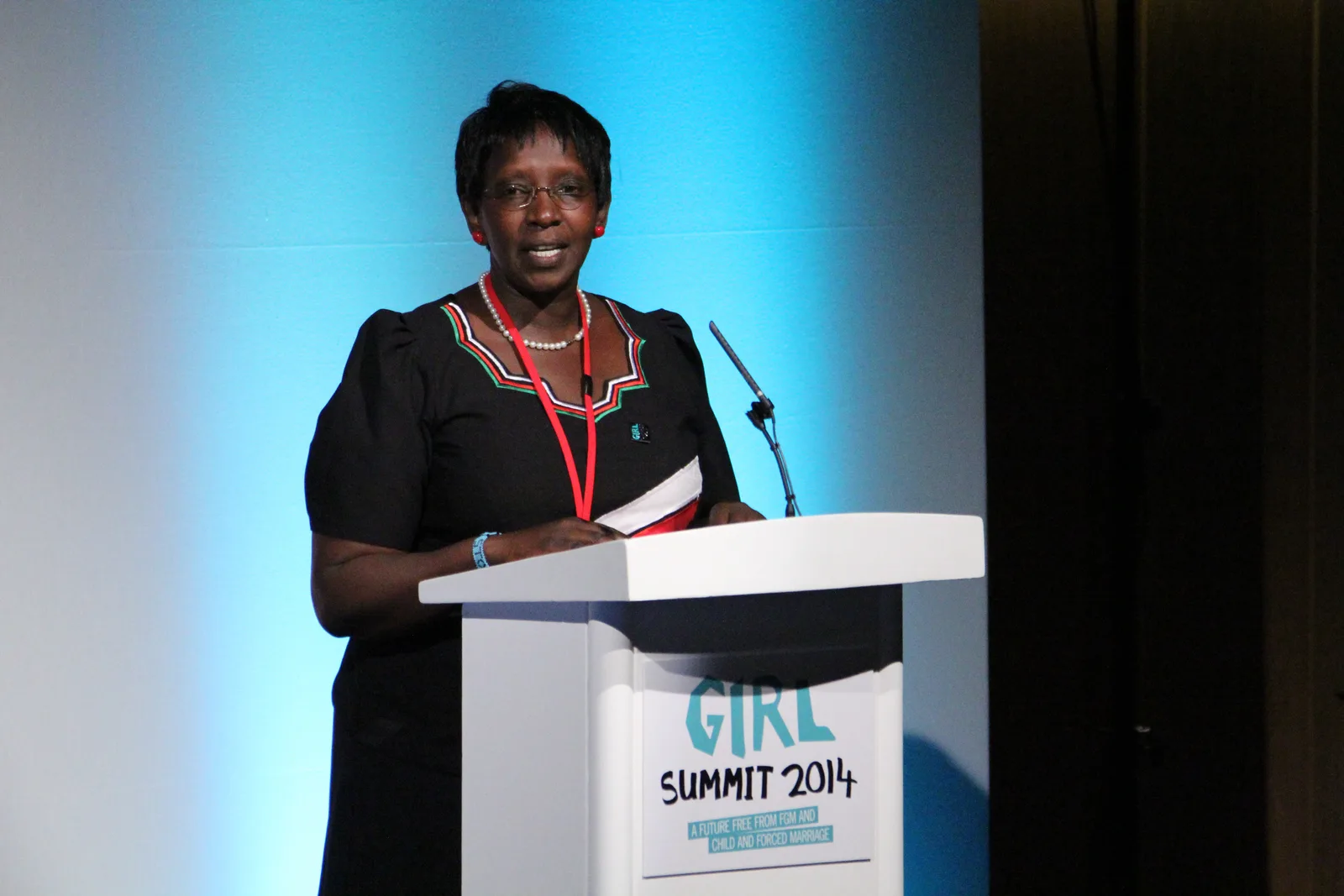
Kuna mila potofu zinazotendwa barabarani mbele ya macho ya kila mtu; tunaziona na kuzichukia. Kuna pia mila nyingine hatari zaidi inayotendwa nyuma ya milango iliyofungwa, katika ukimya mkamilifu wa familia, na kwa jina la kumjali msichana na kumhofia, si kwa jina la kumdhuru. Ukeketaji wa wanawake ndiyo mila hiyo: ni uhalifu ambao sheria ya Misri inauadhibu kwa adhabu zinazofika daraja la jinai kubwa, na hata hivyo bado unapata watu wanaoutekeleza kwa imani waliyoirithi kwamba ni “hifadhi”, “usafi” na “asili ya jadi”.
Tuanze pale ambapo mazungumzo kuhusu suala hili yanapaswa kuanza: hatuandiki ili kuzifedhehesha familia, wala kuwatuhumu mama na bibi kwa ukatili wa moyo. Wengi wa waliochukua hatua hiyo waliifanya wakiamini kwamba wanatenda jema; walirithi uhakika huo kama walivyorithi jina la ukoo. Tunaandika ili kusema wazi kwamba uhakika huo waliourithi ni batili tangu mizizi yake: ni batili kitabibu, ni batili kidini, ni batili kisheria, na kabla ya hayo yote ni dhuluma dhidi ya mtoto wa kike asiye na sauti yoyote juu ya nafsi yake.
Katika tiba hakuna tena mjadala wowote. Shirika la Afya Duniani na taasisi za kitabibu duniani kote, pamoja na Wizara ya Afya ya Misri na Chama cha Madaktari cha Misri, wamelimaliza suala hili: ukeketaji hauna hata faida moja ya kiafya, na madhara yake ni ya kweli na ya kudumu. Huanzia katika hatari za wakati wenyewe wa kutendwa, na hayaishii katika athari za kimwili na za kisaikolojia zinazoweza kumwandama msichana maisha yake yote, akiwa mke na akiwa mama. Kila dai kwamba una faida ya kitabibu ni, kwa ufupi, dai lisilo na msingi wowote katika sayansi ya tiba.
Na hapa ni lazima kubomoa dhana potofu hatari kuliko zote katika suala hili: dhana ya “ukeketaji salama” unaofanywa na daktari. Kuhamisha uhalifu kutoka mkono wa mkeketaji wa kienyeji hadi mkono unaoshika kisu cha upasuaji kilichosafishwa hakuufanyi kuwa kitendo cha kitabibu; kinyume chake, kunauzidishia uzito. Ndiyo maana sheria ya Misri iliongeza adhabu hasa pale mtendaji anapokuwa daktari au mtu wa taaluma za afya, na ndiyo maana kanuni za taaluma zinaukataza. Daktari anayeufanya hatendi kazi ya udaktari; anaazima heshima ya taaluma yake ili kuhalalisha madhara ambayo taaluma hiyo yenyewe imeyakataa kwa kauli moja.
Kwa upande wa dini, kauli ya mwisho imetoka kwa taasisi ambazo Wamisri wanaziamini kuliko zote: Al-Azhar na Dar al-Iftaa, taasisi ya Misri ya kutoa fatwa, zimetangaza katika taarifa na fatwa za mara kwa mara kwamba ukeketaji ni mila iliyorithiwa isiyo na msingi wowote katika dini ya kweli, na kwamba kuutekeleza wakati madhara yake yamethibitika ni jambo lisilokubalika kidini; kadhalika Kanisa la Misri limetangaza kuukataa kabisa. Basi yeyote aliyekuwa akiitekeleza mila hii kwa tahadhari ya dini yake na atulie: dini anayoihofia haihusiki nayo, na taasisi zilizotumia umri wao kuitumikia ndizo zinazomwita aiache.
Kwa upande wa sheria, hakuna tena nafasi ya kubahatisha: Misri iliufanya ukeketaji kuwa kosa la jinai katika Kanuni ya Adhabu tangu mwaka 2008, kisha ikaongeza adhabu kwa marekebisho ya mwaka 2016 yaliyoufanya kuwa jinai kubwa, kisha ikaziongeza tena kwa marekebisho ya mwaka 2021, hadi adhabu ikafikia, katika hali zilizo nzito zaidi, kifungo kirefu cha miaka mingi gerezani. Sheria inamgusa anayefanya ukeketaji, ndugu wanaouomba ufanyike, na wale wanaourahisisha; inakuwa nzito zaidi kwa madaktari na inawanyima haki ya kuendelea na taaluma yao. Ujumbe wa mtunga sheria uko wazi kabisa: dola ya Misri inakiona kitendo hiki kuwa uhalifu, si uamuzi wa familia.
Na dola haikuishia kwenye kifungu cha adhabu. Kwa miaka mingi imezindua kampeni za kitaifa za uhamasishaji na za kukabiliana na tatizo hili, na imeunda Kamati ya Kitaifa ya Kutokomeza Ukeketaji inayokutanisha taasisi zinazohusika na afya, mshikamano wa kijamii, utoto na uzazi; kampeni za kugonga mlango kwa mlango zimezunguka vijiji na vitongoji zikizungumza na familia kwa lugha ya ukaribu, si kwa lugha ya vitisho. Hii ndiyo njia sahihi, kwa sababu mila yenye umri wa karne nyingi haiwezi kushindwa na maandishi ya sheria peke yake; inashindwa na kusadiki kwa baba na mama.
Na tusimame kitambo mbele ya kiini cha kimaadili cha suala hili, ambacho ndicho moyo wa sehemu hii: msichana anayefanyiwa kitendo hiki hakuulizwa wala hakukubali, hana uwezo wa kupinga, na madhara ya kudumu yasiyoweza kurekebishwa yanamwangukia kwa uamuzi aliochukuliwa na watu walio karibu naye kuliko wote na wenye wajibu mkubwa zaidi wa kumlinda. Ni mizani gani ya maadili duniani inayoruhusu kuusababishia mwili wa mtoto madhara ya hakika yasiyorudi nyuma, ili kuepusha dhana na mawazo ya kurithi ambayo wataalamu wa tiba na wanazuoni wa dini kwa pamoja wamesema hayana msingi wowote?
Tunaijua pia hoja ya mwisho ambayo mila hii hujificha nyuma yake: “Watu watasema nini?” — hofu ya familia kuhusu maneno ya jamii, na hofu kwamba binti atadhihakiwa kwa kuwa hakuketwa. Hoja hii hasa ndiyo inayopaswa kukabiliwa kwa ujasiri na kila nyumba, kwa sababu maneno ya watu hayaponyeshi madhara wala hayarudishi mwili mzima. Jamii inayobadilika haibadiliki mara moja, bali nyumba baada ya nyumba: kwa baba aliyesema “hapana”, mama aliyemuunga mkono, na bibi aliyeyafikiria upya aliyoyarithi alipojua kwamba dini na tiba kwa pamoja ziko upande wa mjukuu wake.
Linalotakiwa kwa kila familia: walindeni mabinti zenu kwa neno moja lililo wazi ndani ya nyumba, na lisemeni kwa sauti mbele ya ukoo mzima ikiwa ni lazima; tegemeeni yale waliyosema Al-Azhar, taasisi ya fatwa na madaktari, kwani huo ni mwegamo kutoka kwenye mimbari za juu kabisa. Na yeyote anayesikia kuna nia ya kumfanyia mtoto wa kike kitendo hiki, akumbuke kwamba kutoa taarifa kupitia namba ya msaada wa dharura kwa watoto si usaliti bali ni kuokoa maisha, na kwamba sheria iko upande wa anayetoa taarifa.
Na linalotakiwa kwa dola: mkono wake mmoja ubaki umenyooshwa kwa uhamasishaji na mwingine ukiwa imara kwa sheria; kusiwe na upole kwa anayefanya ukeketaji, hasa wale wa taaluma za afya, wala kusiwe na kusitisha kampeni za uhamasishaji kwa kisingizio kwamba sheria imeshatungwa; kwani sheria hulinda pale watu wanapoijua na wanapoona kwamba kweli inatekelezwa dhidi ya anayeivunja.
Katika sehemu hii tumeandika kuhusu njia ya waenda kwa miguu iliyovamiwa, gari linaloendeshwa kwa uzembe, na mkahawa unaokera; yote hayo ni mashambulizi dhidi ya mwananchi katika nafasi ya umma. Lakini hapa shambulio linamwangukia mwananchi dhaifu kuliko wote: mtoto wa kike, ndani ya nyumba yake, kutoka kwa wale wanaompenda. Ni kwa sababu hiyo hasa tunaliweka suala hili mbele ya kila kitu kinachopaswa kutoweka katika mandhari yetu. Hii ni makosa — makosa kamili yasiyo na nusu ya usahihi — na sahihi ni kwamba kila binti nchini Misri akue akiwa mzima wa mwili, heshima yake ikiwa salama, akilindwa na sheria ya nchi yake, dini yake na familia yake kwa pamoja.
Habari Zinazohusiana
«Keda Ghalat» (Hii Si Sawa): Kudhuru Wanyama ni Kosa la Jinai Chini ya Sheria ya Adhabu ya Misri Tangu 1937
Jirani anaweka bakuli za sumu karibu na ukuta wa shule, na mmiliki wa mkokoteni anampiga punda wake usoni chini ya mzigo mzito kupita kiasi. Wengi hudhani «ni mnyama tu» maana yake hakuna sheria inayomlinda. Ukweli ni kwamba Ibara za 355, 356 na 357 za Sheria ya Adhabu zinaadhibu kuua, kutia sumu na kudhuru wanyama kwa adhabu zinazofikia kifungo jela. Katika usiku wa kuamkia Siku ya Wanyama Duniani, tunaeleza sheria inasema nini.
3 Oktoba 2026 · 6 dakika za kusoma
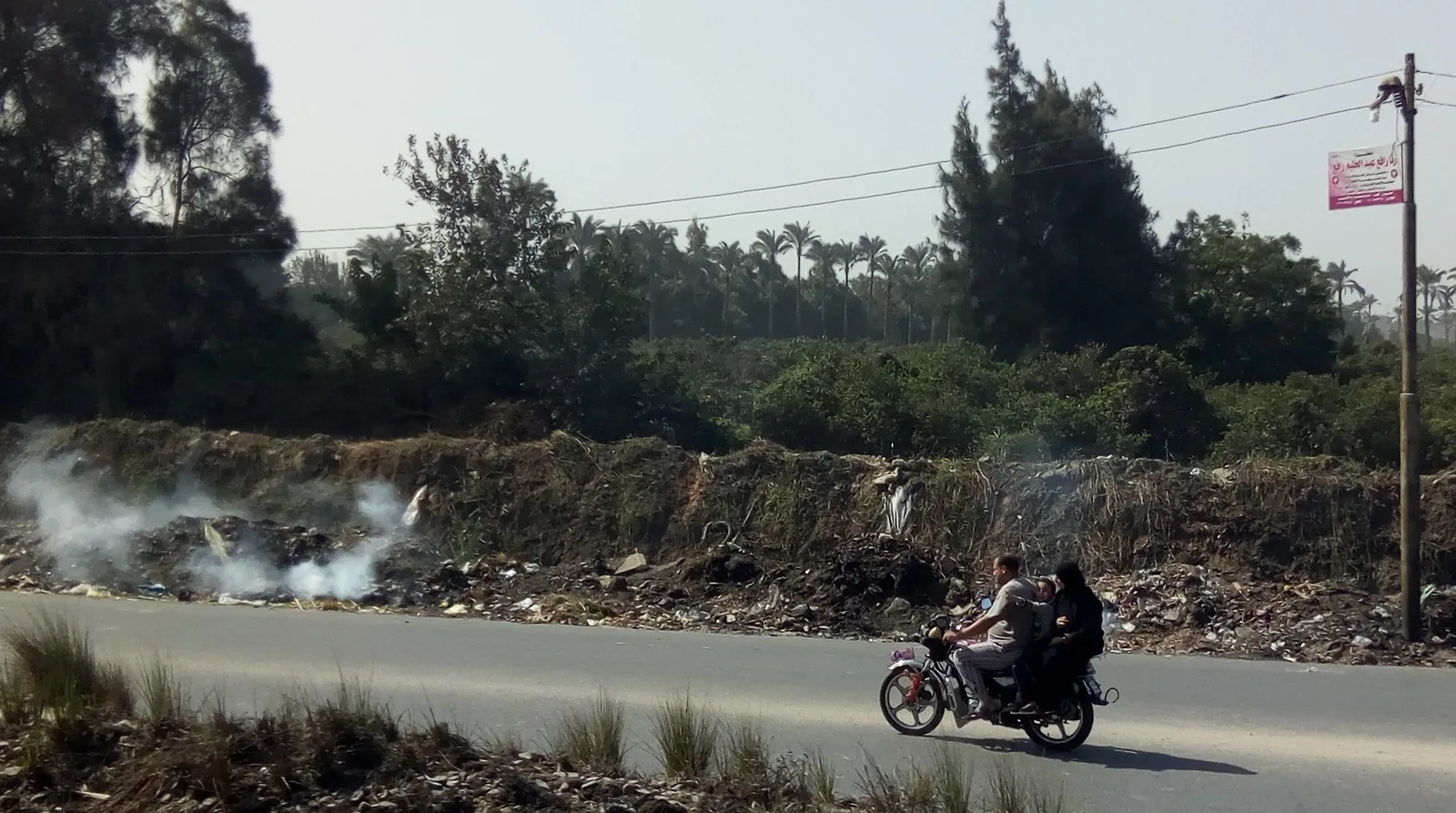
Watu Wanne Juu ya Pikipiki Bila Kofia Ngumu: Kichwa Wazi Ndicho Familia Inaweza Kupoteza Barabarani
Katika wiki ya pili ya shule, tukio lilelile hujirudia: baba akiendesha, mtoto mmoja mbele, mwingine nyuma, mama akishikilia mifuko, hakuna kofia ngumu hata moja. Ripoti za habari, zikinukuu CAPMAS, zaeleza ongezeko la vifo kutoka 190 hadi 897 kati ya 2020 na 2024, huku Cochrane ikionyesha kofia ngumu hupunguza hatari ya kifo kwa asilimia 42. Sheria imekuwa ikiadhibu kichwa wazi tangu 1999, faini iliongezwa 2008. Kwa nini hatuzingatii?
23 Septemba 2026 · 8 dakika za kusoma
"Kuunganisha Waya Ovyo" Si Ujanja: Wizi wa Umeme ni Uhalifu Ambao Mtaa Mzima Hulipa Gharama Yake
Waya ulio wazi ukining'inia kutoka nguzo hadi roshani, kiyoyozi kikifanya kazi huku mita haizunguki, na fuse ikikatika mara ya tatu, ikizima nuru nyumbani kwa jirani aliyelipa ankara yake. Kifungu cha 71 cha Sheria ya Umeme kinaita hili kujimilikisha umeme kinyume cha sheria, huadhibiwa kwa kifungo na faini, huku marekebisho makali zaidi yakisubiri Bunge. Mtaa mzima unapoteza nini kwa muunganisho mmoja? Mbadala sahihi ni upi?
14 Septemba 2026 · 7 dakika za kusoma