Kairo ya Kiislamu na ya Kikoptiki: Makumbusho ya Wazi Kutoka Bab al-Futuh hadi Kanisa Linaloning'inia
Ni miji michache inayoweza kumtembeza mgeni kupitia miaka elfu moja ya usanifu majengo katika matembezi mamoja. Kairo ya Kihistoria, iliyo katika Orodha ya Urithi wa Dunia tangu 1979, hufanya hivyo hasa: kutoka mtaa wa al-Muizz na misikiti yake hadi makanisa ya Kairo ya Kale na Sinagogi la Ben Ezra — pamoja na hadithi ya ukarabati iliyorudisha uhai kwenye mawe.
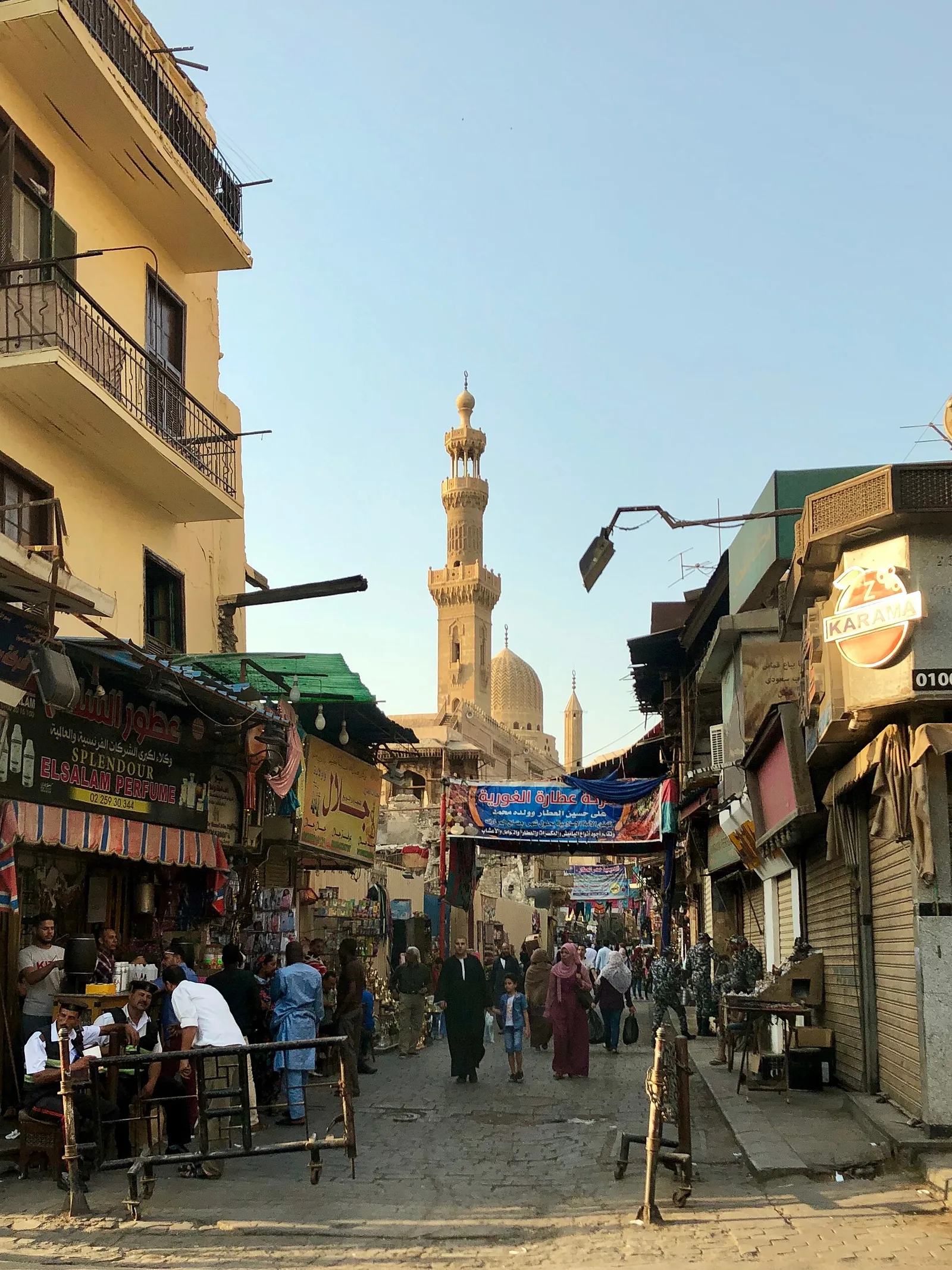
Ni miji michache inayoweza kumtembeza mgeni wake katika miaka elfu moja ya usanifu wa majengo ndani ya alasiri moja tu. Kahira ya kihistoria inaweza. Tangu kuandikishwa kwake katika Orodha ya Urithi wa Dunia ya Unesco mwaka 1979, inahifadhi mojawapo ya mikusanyiko mizito zaidi duniani ya majengo ya kale ya zama za kati: misikiti, madrasa, makanisa, sinagogi, malango ya mji, nyumba za wafanyabiashara na visima vya maji vya umma, vyote vikiwa bado vimesimama katikati ya mitaa yenye maisha yanayoendelea. Wamisri mara nyingi huzungumzia mitaa miwili, Kahira ya Kiislamu na Kahira ya Kikoptiki, lakini ni sahihi zaidi kuielewa kama jumba moja la makumbusho la wazi lililoungana, ambalo tabaka zake zinatenganishwa na karne, si kuta.
Wakati wa kuasisiwa kwa mji wa Kiislamu ulifika mwaka 969, pale jemadari wa Kifatimi Jawhar alipopanga mji mkuu mpya wenye ukuta kwa ajili ya Khalifa al-Muizz li-Din Allah na kuupa jina “al-Qahira”, jina ambalo mji huo unalibeba hadi leo. Ndani ya miaka michache tu, mji huo mpya ulikuwa na msikiti wake mkuu, al-Azhar, ambao ukawa mojawapo ya vituo vya elimu vya zamani zaidi duniani vinavyoendelea kufanya kazi bila kukatika. Kahira haikuwa mji mkuu wa kwanza wa Kiislamu nchini Misri, lakini ndiyo iliyokuja kuimeza yote iliyoitangulia.
Uti wa mgongo wa mji ule wa Kifatimi bado upo katika Mtaa wa al-Muizz, unaoanzia lango la Bab al-Futuh upande wa kaskazini hadi Bab Zuweila upande wa kusini. Kwa umbali wa takribani kilomita moja, mtaa huo hupita kando ya majengo ya nyakati za Kifatimi, Kiayubi, Kimamluki na Kiothmania yaliyosimama bega kwa bega; ndiyo maana mara nyingi huelezwa kuwa mojawapo ya mikusanyiko mikubwa zaidi ya wazi ya usanifu wa Kiislamu wa zama za kati popote duniani. Kutembea humo ni sawa na kupitisha kurasa za historia ya Kahira ukiwa barabarani.
Vivutio hivi humlipa yule anayetazama pole pole. Jumba la Sultani Qalawun, la mwishoni mwa karne ya kumi na tatu, liliweka katika sura moja ya jengo kaburi lenye kuba, madrasa na hospitali: yaani huduma za umma za zama za kati zilizochongwa kwenye jiwe. Msikiti mdogo wa Kifatimi wa al-Aqmar unaonyesha baadhi ya kuta za mawe zilizonakshiwa za zamani zaidi jijini zinazoelekea barabarani. Nalo jengo la sabil-kuttab la Abd al-Rahman Katkhuda ni ubunifu wa Kahira pekee: chini kuna kisima kinachotoa maji bure, na juu kuna chuo cha Kurani kinachotoa elimu bure. Karibu na hapo, nyumba ya Bayt al-Suhaymi inahifadhi picha hai ya jinsi familia tajiri zilivyoishi kwa kweli.
Kusini mwa haya yote, na wa zamani kuliko mji wenyewe wa Kifatimi, kuna Kahira ya Kale. Kiini chake ni Ngome ya Babiloni, iliyojengwa na Waroma katika eneo la kimkakati kando ya Nile karne kadhaa kabla ya ushindi wa Waarabu. Ndani ya minara yake iliyosalia na kuizunguka, ulikua mtaa ambao Wamisri huuita Kahira ya Kikoptiki: makanisa, monasteri, sinagogi na, leo hii, Jumba la Makumbusho la Kikoptiki. Anayesimama juu ya mawe ya Kiroma chini ya makanisa ya zama za kati hupata kuona tabaka halisi za mji huu: Kahira haikufuta yaliyokuwepo kabla yake, bali ilikaa juu yake.
Makanisa ndiyo yanayohifadhi kumbukumbu za mtaa huu. Kanisa la Kuning'inia, al-Muallaqa, lilipata jina lake kwa kuwa lilijengwa likining'inia juu ya moja ya malango ya ngome ya Kiroma. Kanisa la Watakatifu Sergio na Bakho, linalojulikana kama Abu Serga, lina chumba cha chini ya ardhi ambacho mapokeo ya Kikoptiki huyaunganisha na safari ya Familia Takatifu nchini Misri. Kanisa la Mtakatifu Barbara linahifadhi vinyago vya mbao vya zama za kati vilivyonakshiwa kwa ustadi. Nayo sinagogi ya Ben Ezra ilipata umaarufu wa kimataifa kwa sababu ya “Geniza”, chumba cha nyaraka zilizotupwa ambacho utafiti wake ulifungua dirisha lisilo na kifani la kuangalia maisha ya eneo la Bahari ya Kati katika zama za kati.
Umbali wa kutembea kidogo tu, unasimama Msikiti wa Amr bin al-As, ulioasisiwa katika karne ya saba huko Fustat na kukumbukwa kama msikiti wa kwanza nchini Misri na barani Afrika; ulijengwa upya mara nyingi, lakini eneo lake halikuwahi kuacha kuwa mahali pa sala. Ukaribu ndio jambo la msingi hapa: ndani ya mamia machache ya mita, mgeni anaweza kusimama ndani ya msikiti wa mwanzoni mwa Uislamu, makanisa ya karne za Ukristo nchini Misri na sinagogi la jamii ya Kiyahudi. Wakazi wa Kahira huita mahali hapa “mkusanyiko wa dini”, nayo ni sura ya utambulisho wa mji huu kwa ufupi.
Jumba hili la makumbusho la wazi linaenea hata nje ya mitaa hiyo miwili. Msikiti wa Ibn Tulun wa karne ya tisa, wenye mnara wake unaopanda kwa mzunguko na uwanja wake mpana, ni miongoni mwa misikiti ya zamani zaidi jijini ambayo bado iko karibu na sura yake ya awali. Madrasa ya Sultani Hassan ya karne ya kumi na nne ni usanifu mkubwa wa Kimamluki katika sura yake ya ujasiri zaidi. Juu yao inasimama Ngome ya Salah al-Din, ambayo baadaye ilitawazwa na Msikiti wa Muhammad Ali wa mtindo wa Kiothmania, ambao kuba zake na minara yake myembamba huchora upeo wa anga wa Kahira. Kila zama iliongeza tabaka lake, na hakuna iliyofuta lile lililotangulia.
Kubaki huku hakukuwa jambo la hakika, bali ni matunda ya hadithi ndefu ya ukarabati. Katika muongo wa kwanza wa karne hii, mradi mkubwa wa serikali uliufanyia matengenezo Mtaa wa al-Muizz: miundombinu iliyo chini ya barabara ilifanywa upya, kuta za mbele na athari za kale zilisafishwa na kukarabatiwa, magari yalizuiwa kwa manufaa ya watembea kwa miguu, na taa za jioni zilibuniwa ili kuonyesha athari hizo baada ya jua kuzama. Mtaa huo ulifunguliwa upya kama jumba la makumbusho la wazi linalosimamiwa, na mradi ule ukawa mfano unaoonyesha kuwa kuhifadhi urithi Kahira kunamaanisha kutengeneza mifereji ya maji taka na nyaya za umeme, si kukarabati mawe pekee.
Sura nyingine ilitoka kwa Taasisi ya Aga Khan ya Utamaduni, iliyogeuza kilima cha takataka kilichorundikana kwa karne nyingi pembezoni mwa mji kuwa Bustani ya al-Azhar, iliyofunguliwa mwaka 2005. Uchimbaji ulifichua sehemu ndefu ya ukuta wa Kahira wa enzi ya Kiayubi iliyokuwa imezikwa, nayo ikachimbuliwa na kukarabatiwa; mradi huo ukaenea hadi mtaa jirani wa Darb al-Ahmar, ukiunganisha uhifadhi wa athari za kale na ukarabati wa nyumba pamoja na mafunzo ya ufundi. Wakati huohuo, katika Kahira ya Kale, Jumba la Makumbusho la Kikoptiki, lililoanzishwa mwaka 1908 kuhifadhi urithi wa Misri ya Kikristo, lilifanyiwa ukarabati mkubwa na kufunguliwa upya mwaka 2006.
Kinachoifanya Kahira ya kihistoria kuwa ya kipekee ni kwamba haikuwahi kugeuka kuwa jumba la makumbusho lililoganda. Watu wanaishi, wanafanya biashara, wanasali na kunywa chai katikati ya athari hizo za kale, na mafundi bado wanagonga shaba katika vichochoro ambavyo kazi zao zimevikalia kwa vizazi vingi. Huo ndio utukufu wake na hiyo ndiyo changamoto yake, kwa sababu uhifadhi katika mji unaokaliwa na watu lazima uwahudumie wakazi wake badala ya kuwaondoa. Kwa mgeni, kanuni ni rahisi: vaa kwa staha, omba ruhusa kabla ya kupiga picha za watu, na kumbuka kuwa mtaa huu ni nyumbani kwa wenyeji wake. Zawadi yake ni mji unaokuwezesha kugusa miaka elfu moja kwa mkono wako.
Habari Zinazohusiana
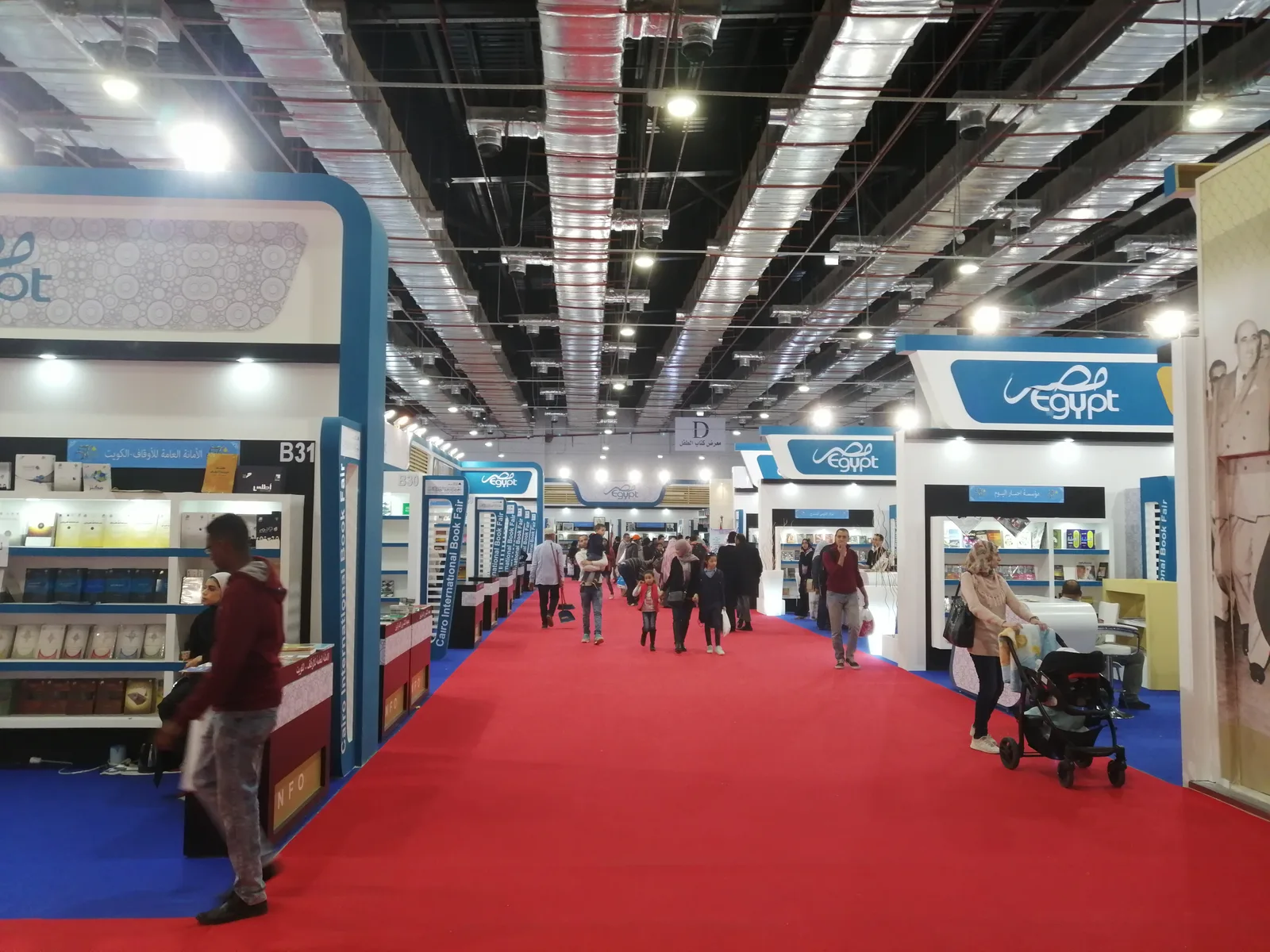
Siku ya Kimataifa ya Tafsiri: kutoka Shule ya Al-Alsun (1835) hadi Kituo cha Taifa
Tarehe 30 Septemba ulimwengu husherehekea tafsiri, na nyuma ya kitabu kilichotafsiriwa unachokibeba kutoka maonyesho ya vitabu kuna hadithi ya Kimisri ya karne mbili: sheikh wa Al-Azhar aliyerejea Paris akaanzisha shule ya kwanza ya kisasa ya wafasiri Misri mwaka 1835, kamati na miradi baadhi yalikwama na mengine yakakamilika, hadi Kituo cha Taifa cha Tafsiri kilipoanzishwa 2006. Hii ndiyo hadithi nzima, na maana yake kwako.
30 Septemba 2026 · 7 dakika za kusoma
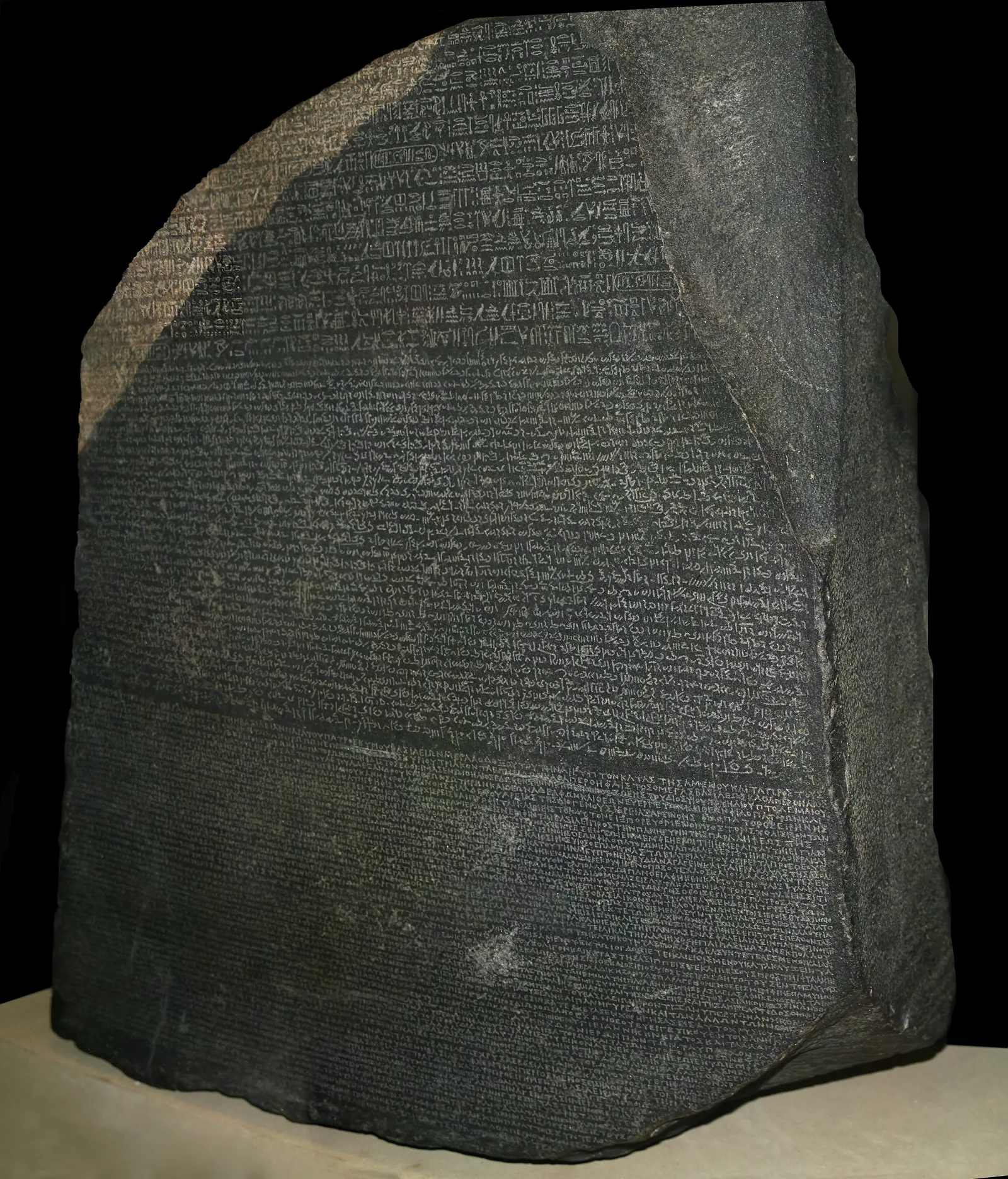
Septemba 27, 1822: Siku Wamisri wa Kale Walipopata Sauti Yao Tena — Hadithi ya Jiwe la Rosetta na Ufunguo Wake
Katika ukumbi mmoja jijini Paris, kijana wa miaka thelathini na mmoja alisoma barua iliyorudisha uwezo wa kuzungumza kwa kuta za kale za Misri baada ya ukimya mrefu. Kutoka Rashid mwaka 1799 hadi London mwaka 1802, kisha ukumbi wa Chuo mwaka 1822, na kuendelea hadi kwa Ahmed Kamal Pasha na kamusi yake ambayo haikuchapishwa akiwa hai, hadi swali la leo: Je, jiwe litarudi? Hii ni hadithi ya ufunguo uliopotea na kupatikana tena.
26 Septemba 2026 · 8 dakika za kusoma
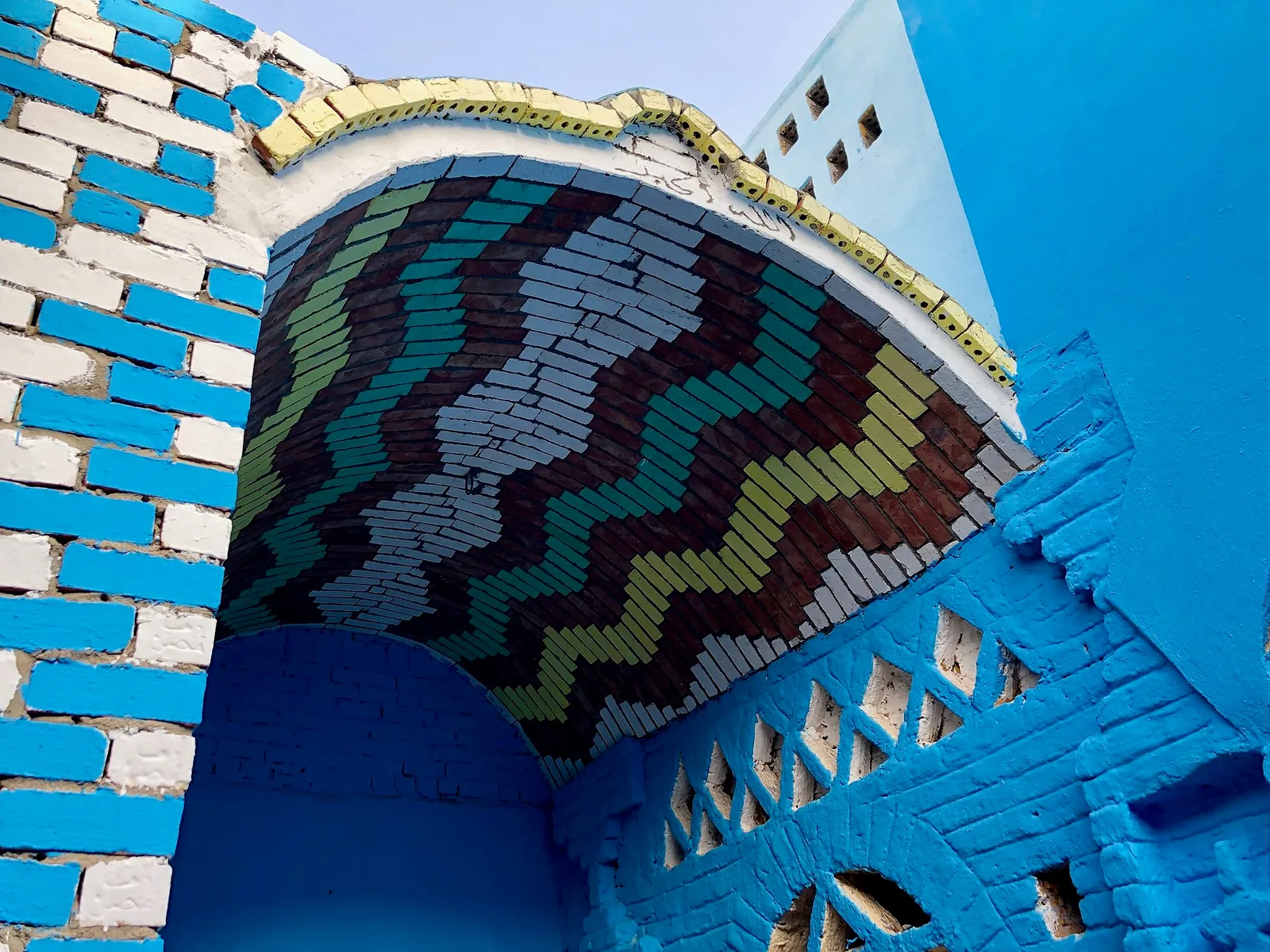
Hassan Fathy: “Mhandisi wa Maskini” aliyejenga kwa udongo wa Misri usanifu ulioishangaza dunia
Katika zama ambazo kiyoyozi kinameza mapato ya kaya, wasifu wa Hassan Fathy unarejesha swali la kale: kwa nini tuliuacha usanifu unaozipoza nyumba zetu bila umeme? Hii ni hadithi ya “Mhandisi wa Maskini” aliyejenga kijiji kizima kwa udongo wa Misri, akaandika kitabu kilichotafsiriwa duniani kote, na akalitangulia wimbi la ujenzi wa kijani kwa miongo kadhaa.
4 Septemba 2026 · 8 dakika za kusoma