«Hii si sawa»: Ganda la ndizi lagharimu maisha ya mtu asiye na hatia
Hadithi fupi yenye mwisho mzito: mkono unatupa ganda la ndizi kupitia dirisha la gari, na mwanafunzi anayekimbilia mtihani wake hafiki kamwe. Katika kipindi hiki tunasimulia hadithi hiyo, tunauliza dini na sheria zinasema nini, na tunatafuta jinsi ya kubadili tabia tunayoiita "ndogo" — lakini inayoua.
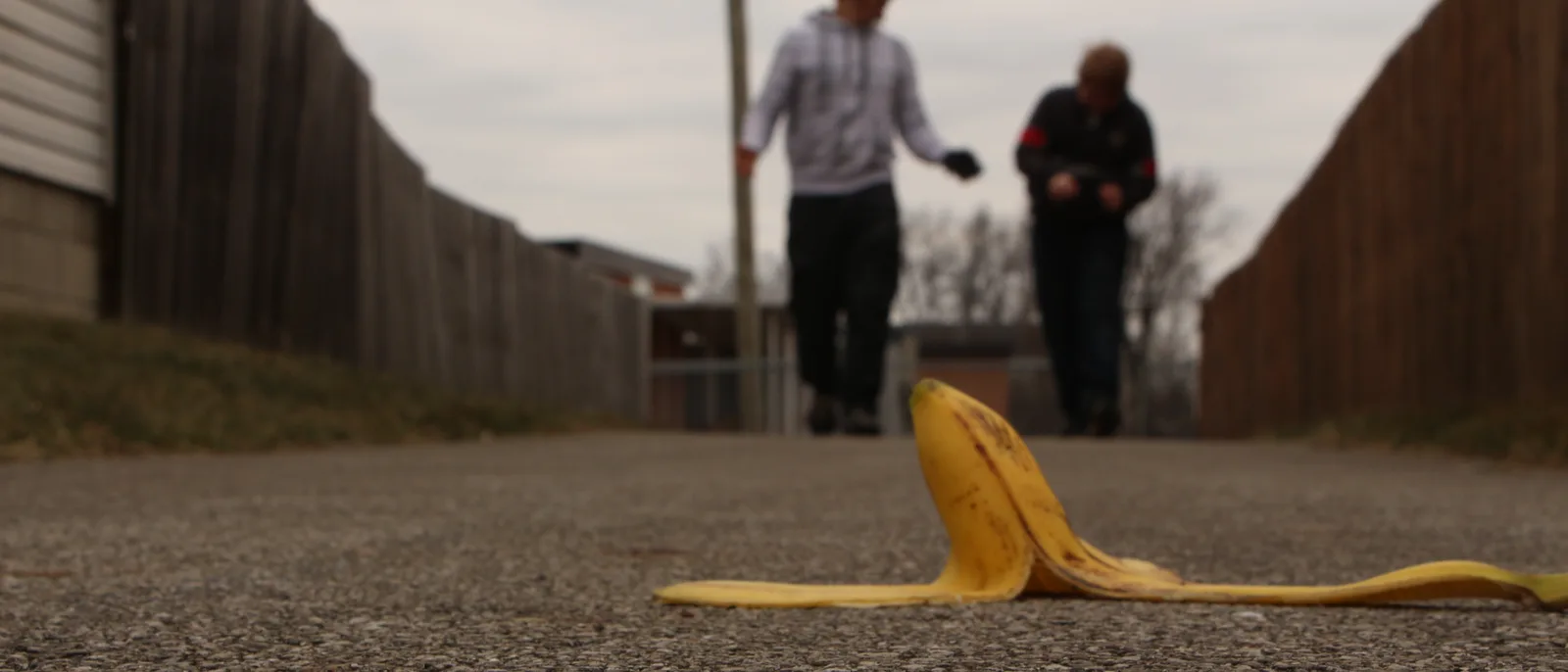
Ni hadithi inayoweza kuonekana ya kawaida, isipokuwa mwisho wake. Gari la kifahari linateleza katika barabara yenye msongamano; dereva anamenya ndizi, anaila taratibu, kisha ananyoosha mkono nje ya dirisha na kutupa ganda barabarani kama vile anapunga mkono wa salamu, na kuendelea na safari. Hakugeuka kutazama nyuma, wala hakuwazia hata kwa sekunde moja kwamba kipande hicho kidogo cha manjano kingeweza kugeuka, baada ya dakika chache, kuwa chombo cha kuua.
Dakika chache baadaye, mwanafunzi anapita mahali hapohapo akiwa amebeba mkoba wake na ndoto zake, akikimbia kwa hofu ya kuchelewa mtihani. Mguu wake unakanyaga ganda, anapoteza mizani, anateleza na kuanguka kwa nguvu; kichwa chake kinagonga ukingo wa kando ya barabara. Damu nyingi ikivuja ndani ya mwili, mayowe ya wapita njia, gari la wagonjwa linalochelewa kama linavyochelewa siku zote… kisha tangazo la kifo.
Tunaisimulia hapa kama onyo, si kama ripoti ya ajali, kwa sababu vipengele vyake — kwa namna moja au nyingine — hujirudia katika vijia vyetu kila siku: mkono unaotupa, mguu unaoteleza, kichwa kinachogonga. Na hitimisho halibadiliki: mtoto alikufa kwa sababu alikuwa akienda kusoma, na mtu mzima alitupa ganda kwa sababu hakuwahi kujifunza.
Baada ya kila tukio la aina hii, mtu husema: “Kweli, kwa kitu kidogo kama hicho?” Ndiyo, kwa kitu hicho hasa. Uzembe haupimwi kwa ukubwa wa tendo, bali kwa ukubwa wa matokeo yake: ganda linalokosa mara kumi hupata shabaha mara ya kumi na moja, na likishapata, hakuna kinachorudi kama kilivyokuwa.
Barabara si pipa la taka. Tunapuuza yale tunayoyaita “tabia ndogo”, ilhali kwa hakika ni tabia zinazoua: ganda la ndizi, pakiti ya krispi au chupa ya maji vinavyotupwa kutoka dirisha la gari linaloenda kasi; taka zinazomwagwa kutoka balkoni juu ya vichwa vya wapita njia; mafuta au maji ya sabuni yanayomwagwa barabarani na kuigeuza kuwa uwanja wa kuteleza usioonekana kwa macho. Vyote huanza kwa mkono unaosogea kwa muda usiozidi sekunde moja, na baadhi yake huishia kugharimu maisha yote ya mtu.
Dini inasemaje? Kuondoa kitu chenye madhara njiani ni sadaka; sasa itakuwaje kwa yule anayeweka madhara njiani kwa mkono wake mwenyewe? Mtume, rehema na amani ziwe juu yake, alisema: “Jiepusheni na mambo mawili yanayoleta laana.” Wakauliza: “Ni yapi hayo, ewe Mtume wa Mwenyezi Mungu?” Akajibu: “Ni kujisaidia katika njia ya watu au katika kivuli wanachopumzikia.” (Imepokewa na Muslim.) Ikiwa kujisaidia njiani kunavuta laana za watu, itakuwaje kwa anayetupa njiani kitu kinachowateleza na kuwaua?
Na katika hadithi nyingine: “Imani ina matawi zaidi ya sabini… na tawi lake la chini kabisa ni kuondoa kitu chenye madhara njiani.” (Imepokewa na Muslim.) Basi kusafisha njia ni sehemu ya imani yenyewe, na kuweka madhara katika njia ya watu ni upungufu wa imani na wa utu kwa pamoja. Mbele ya Mungu utaulizwa kuhusu kila mguu ulioteleza, kila kichwa kilichogonga ardhi, na kila mama aliyelia kwa sababu ya kutojali kwako.
Na sheria inasemaje? Kitendo hiki si “uhuru binafsi” wala si “dhambi ndogo”, bali ni kosa linaloadhibiwa kwa matini ya wazi ya sheria. Sheria ya Kudhibiti Usimamizi wa Taka Namba 202 ya mwaka 2020 inakataza, katika kifungu chake cha 38, kutupa taka mahali pasipokusudiwa; na kifungu cha 71 kinaweka faini isiyopungua pauni 10,000 za Misri na isiyozidi pauni 100,000 kwa yeyote atakayetupa taka zisizo hatarishi mahali pasipostahili. Akirudia kosa, adhabu inakuwa kifungo pamoja na faini, sambamba na kutaifishwa kwa chombo cha usafiri kilichotumika katika kosa hilo.
Ama uzembe huo ukisababisha kuumia au kifo cha mtu, maelezo ya kisheria hubadilika kabisa: tunatoka katika kosa la usafi na kuingia katika kosa la kuua kwa uzembe au kujeruhi kwa uzembe kwa mujibu wa Sheria ya Adhabu (vifungu 238 na 244), ambalo adhabu yake ni kifungo, licha ya fidia ya kiraia ambayo familia ya marehemu ina haki ya kuidai. Ni kweli kwamba kuthibitisha uhusiano kati ya ganda na kuanguka ni jambo linalotathminiwa na mwendesha mashtaka na mahakama kwa kila kesi peke yake; lakini msingi upo palepale: aliyesababisha kifo cha mtu kwa uzembe wake anajibika kwa kifo hicho. Hutupi ganda dirishani; unatupa ushahidi utakaokuhukumu.
Tunawaelimishaje watu? Mawaidha peke yake hayatoshi, na faini peke yake haitoshi; kinachohitajika ni kubadilisha tabia, na hilo ni jukumu letu sote. Nalo huanza kwa hatua tano rahisi.
Kwanza, anza na nafsi yako na nyumba yako: mfuko mdogo wa taka ndani ya gari, na kanuni ambayo watoto wako wataikariri kwa moyo — mfuko wako ni safi kuliko barabara. Alichokulia mtu ndicho atakachozeekea.
Pili, neno ni dhamana: enyi wahubiri, walimu na watengenezaji wa maudhui, simulieni hadithi hii; hadithi ya ganda la ndizi lililomuua mwanafunzi. Hadithi huigusa mioyo zaidi ya zinavyofanya takwimu na kanuni.
Tatu, shule ndiyo suluhisho: kipindi kimoja kwa mwezi kuhusu “maadili ya barabarani” kinatosha kulea kizazi kisichotupa hata karatasi. Mtihani wa kweli hauko darasani, bali barabarani.
Nne, karipio la kijamii: usimcheke anayetupa taka kutoka dirisha la gari lake, bali mtazame kwa jicho la kukemea. Rekodi kosa hilo ikiwa unaweza kufanya hivyo bila kujiweka hatarini, kisha lipeleke kupitia njia rasmi za malalamiko. Haya mbele ya jamii ni sheria yenye nguvu kuliko zote.
Tano, kuwa mfano: weka pipa dogo la taka ndani ya gari lako, mbele ya duka lako na mlangoni pa nyumba yako. Watu huiga vitendo, si maneno.
Ewe uliyetupa ganda ukasahau: yupo mama ambaye hajasahau, lipo chozi ambalo halijakauka, na kipo kiti katika chumba cha mtihani kilichobaki tupu. Kumbuka kabla ya kutupa chochote dirishani: je, utaridhika ganda hili liwe sababu ya kukatika kwa ndoto ya mtu? Barabara si mali yako peke yako; ni mali ya mtoto anayeelekea kwenye maisha yake ya baadaye, ya mzee anayeelekea kwenye swala yake, na ya mama aliyembeba mtoto wake mchanga. Safisha moyo wako kabla ya kusafisha mkono wako, kwa maana mwenye moyo safi hakubali kuchafua njia ya watu.
“Sauti ya Mwananchi” inaendelea, katika safu ya “Hii si sawa”, kuliita kosa kwa jina lake bila kumdhalilisha yeyote; suala ni tabia, si watu. Tushirikisheni mnayoyashuhudia — bila kujiweka hatarini wala kumfedhehesha mtu yeyote — kupitia huduma ya “Lenzi ya Mwananchi” iliyo ndani ya fomu ya “Sauti Yako” kwenye jukwaa letu, ili kwa pamoja tujenge jalada lenye ushahidi litakalowekwa mbele ya mamlaka husika.
Habari Zinazohusiana
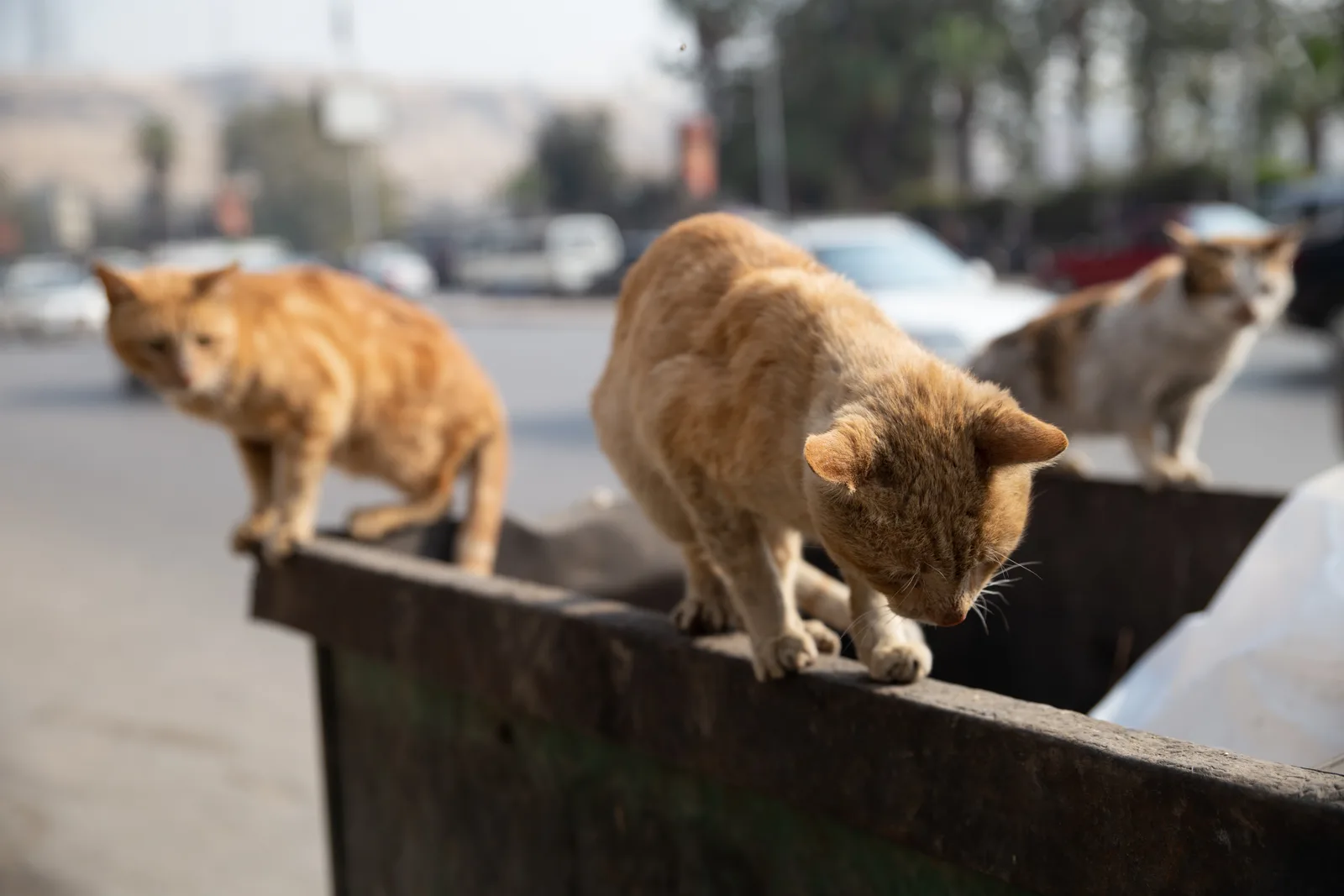
«Keda Ghalat» (Hii Si Sawa): Kudhuru Wanyama ni Kosa la Jinai Chini ya Sheria ya Adhabu ya Misri Tangu 1937
Jirani anaweka bakuli za sumu karibu na ukuta wa shule, na mmiliki wa mkokoteni anampiga punda wake usoni chini ya mzigo mzito kupita kiasi. Wengi hudhani «ni mnyama tu» maana yake hakuna sheria inayomlinda. Ukweli ni kwamba Ibara za 355, 356 na 357 za Sheria ya Adhabu zinaadhibu kuua, kutia sumu na kudhuru wanyama kwa adhabu zinazofikia kifungo jela. Katika usiku wa kuamkia Siku ya Wanyama Duniani, tunaeleza sheria inasema nini.
3 Oktoba 2026 · 6 dakika za kusoma
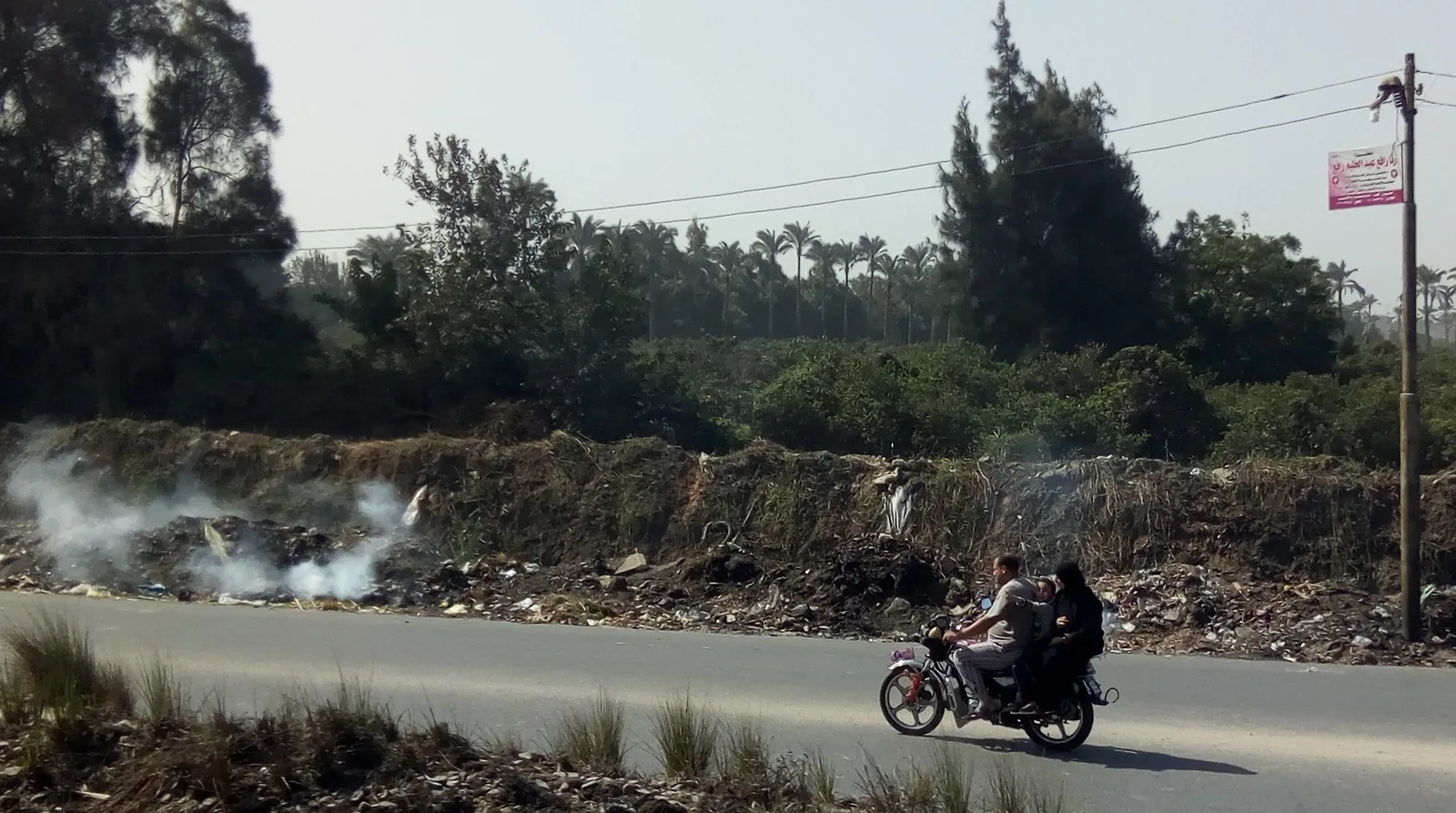
Watu Wanne Juu ya Pikipiki Bila Kofia Ngumu: Kichwa Wazi Ndicho Familia Inaweza Kupoteza Barabarani
Katika wiki ya pili ya shule, tukio lilelile hujirudia: baba akiendesha, mtoto mmoja mbele, mwingine nyuma, mama akishikilia mifuko, hakuna kofia ngumu hata moja. Ripoti za habari, zikinukuu CAPMAS, zaeleza ongezeko la vifo kutoka 190 hadi 897 kati ya 2020 na 2024, huku Cochrane ikionyesha kofia ngumu hupunguza hatari ya kifo kwa asilimia 42. Sheria imekuwa ikiadhibu kichwa wazi tangu 1999, faini iliongezwa 2008. Kwa nini hatuzingatii?
23 Septemba 2026 · 8 dakika za kusoma
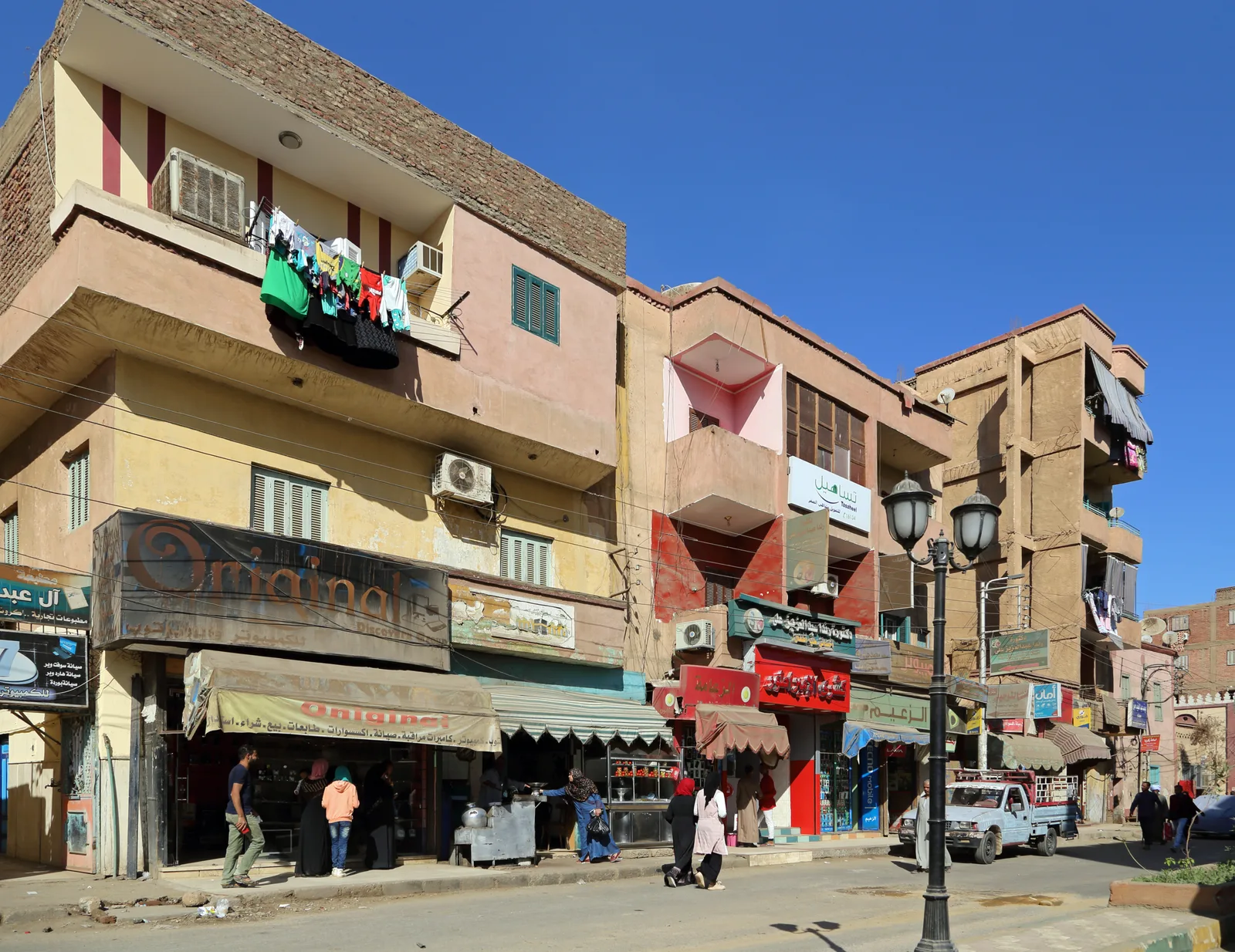
"Kuunganisha Waya Ovyo" Si Ujanja: Wizi wa Umeme ni Uhalifu Ambao Mtaa Mzima Hulipa Gharama Yake
Waya ulio wazi ukining'inia kutoka nguzo hadi roshani, kiyoyozi kikifanya kazi huku mita haizunguki, na fuse ikikatika mara ya tatu, ikizima nuru nyumbani kwa jirani aliyelipa ankara yake. Kifungu cha 71 cha Sheria ya Umeme kinaita hili kujimilikisha umeme kinyume cha sheria, huadhibiwa kwa kifungo na faini, huku marekebisho makali zaidi yakisubiri Bunge. Mtaa mzima unapoteza nini kwa muunganisho mmoja? Mbadala sahihi ni upi?
14 Septemba 2026 · 7 dakika za kusoma