«Hii Si Sawa»: Kitengo Kinacholitaja Kosa kwa Jina Lake
Katika kitengo hiki hatutabembeleza wala hatutanyamaza. Tabia zilizojikita na kuwa mazoea na desturi mbaya tutazitaja kwa majina yake halisi, na kuzisema kwa sauti kubwa: hii si sawa. Kwa sababu kabla ya kuwa uvunjaji wa sheria, ni uhalifu wa kimaadili dhidi ya mwananchi mwenzako: dharau, uchokozi na madhara. Huu ndio waraka wa msingi wa kitengo hiki, na ndiyo ahadi yetu kwa wasomaji wake.
Kila asubuhi nchini Misri huja na mandhari tuliyoyazoea kiasi kwamba karibu hatuyaoni tena: mfuko wa taka ukirushwa nje ya dirisha la gari linalokwenda mbio; wingu la moshi ndani ya ofisi iliyofungwa likivutwa na watu wasiovuta sigara; kijia cha watembea kwa miguu kilichovamiwa na kibanda hata watu wakalazimika kushuka barabarani katikati ya magari. Tumezoea kutikisa vichwa na kuendelea na safari. Sehemu hii imeanzishwa ili isimame mbele ya mandhari haya na kusema kwa sauti: “Hili si sahihi.”
Msimamo wa sehemu hii ni rahisi na wazi: baadhi ya vitendo hivi ni makosa yanayoadhibiwa na sheria, na vingine huenda visiguswe na kifungu chochote cha kisheria. Lakini kinachotuhusu kwanza ni kwamba ni uhalifu wa kimaadili dhidi ya mwananchi; ndani yake mna udhalilishaji, uchokozi na madhara kwa hisia zake, afya yake, usalama wake na heshima yake. Hukumu ya kimaadili kwanza; hukumu ya kisheria pale ambapo kuna kifungu kinachokataza.
Kwa nini tuseme kwa sauti? Kwa sababu ni ukimya ndio uliogeuza kosa kuwa mazoea, mazoea kuwa desturi, na desturi kuwa mandhari ya kila siku ambayo haimshtui mtu tena. Tabia mbaya inapopita bila kutajwa, kila mtu hujifunza kuwa inakubalika. Tunaamini kwamba hatua ya kwanza ya kuondoa mazoea haya katika maisha ya Wamisri ni kuyasema hadharani, na mwenye kuyafanya ajue kuwa watu wanamwona na wanamhukumu.
Mchukulie yule anayetupa taka zake nje ya dirisha la gari, hata kama ni gari la kifahari. Anaacha nyuma yake mtego juu ya lami. Fikiria mwanafunzi anayetembea pembeni mwa barabara akielekea shuleni, ateleze juu ya kilichotupwa na labda alipe kwa uhai wake gharama ya sekunde chache za uvivu wa mtu asiyejisumbua kusubiri pipa la taka. Na hata kama kitendo hicho hakileti madhara yoyote, kinabaki kuwa tabia isiyo na maadili, isiyo ya kistaarabu na yenye kuudhi.
Mchukulie yule anayevuta sigara ndani ya jengo lililofungwa kisha anamjibu anayepinga kwa maneno “Mimi ni huru.” Uhuru wake unaishia kwenye mapafu ya jirani yake. Kando yake wapo wenye mzio, watoto na wajawazito wanaolazimika kuvuta moshi wa sigara ya wenzao; na sheria ipo tayari: Sheria Na. 52 ya mwaka 1981 ya kujikinga na madhara ya uvutaji sigara, kama ilivyorekebishwa na Sheria Na. 154 ya mwaka 2007, inakataza uvutaji katika maeneo ya umma yaliyofungwa.
Mchukulie yule anayechafua Mto Nile. Mshipa ulioipa Misri uhai tangu alfajiri ya historia unatendewa na baadhi ya watu kama dampo la taka, kana kwamba maji anayoyamwagia uchafu si yaleyale watakayoyanywa mamilioni ya Wamisri baada yake.
Na yule anayekwenda na mbwa wakali ufukweni, akawatisha watoto na kuwaharibia familia siku yao, kisha akawaogesha mbwa wake katika maji ya bahari wanayoogelea watu, pamoja na vijidudu vyovyote anavyoweza kuvieneza. Na yule anayeendesha kwa mwendo wa kasi wa hatari gari bovu lisilo na breki za kuaminika wala matairi mazima, akaigeuza barabara ya umma kuwa uwanja wa hatari kwa maisha ya wananchi.
Na yule anayekodisha ghorofa za chini za majengo ya makazi zikageuka mikahawa inayofuka moshi wa sigara na shisha, ikabaki wazi usiku kucha kwa kelele zinazowanyima watoto wa shule usingizi na wazazi wao mapumziko. Wakazi wa jengo hawakuchagua kuishi juu ya mkahawa usiolala.
Na yule anayevuka barabara katikati ya magari yanayokwenda mbio bila kujali vivuko maalum, akihatarisha uhai wake na wa madereva. Na wale wanaojenga vibanda juu ya vijia vya watembea kwa miguu na kuwasukuma watu waende katikati ya barabara; kinabaki kuwa kitendo cha kuvunja haki ya mtembea kwa miguu hata kama kina kibali cha manispaa. Na yule “sayes” asiye na leseni, mlinzi wa maegesho aliyejitangaza mwenyewe kuwa mmiliki wa mtaa, anayewatoza kwa nguvu wote wanaoegesha magari yao barabarani.
Na yule anayetupa kitako cha sigara kikiwa bado kinawaka nje ya dirisha au juu ya kijia, bila kutambua kwamba cheche ndogo imewahi kuwa chanzo cha mioto mikubwa na maafa. Hadi kufikia desturi ya ukeketaji wa wanawake, ambayo Sheria ya Adhabu ya Misri inaikataza waziwazi, na bado ingalipo, ikirithishwa kwa siri kana kwamba ni majaliwa yasiyoepukika.
Na iwe wazi: lenzi yetu ni moja kwa kila mtu. Anayetupa taka kutoka gari la kifahari anasimama mbele ya sehemu hii mahali palepale anaposimama mkosaji mwingine yeyote; ustaarabu ni tabia, si chapa ya gari, na sehemu hii haihukumu umaskini wala utajiri, bali inahukumu kitendo. Wala hatutageuka kuwa jukwaa la mahubiri ya kujiona bora; sisi ni sehemu ya mtaa huu, na tunaandika kuhusu mazoea ambayo baadhi yetu waliwahi kushiriki kabla ya kujirekebisha.
Sehemu hii ni sehemu ya jukwaa pana zaidi, linalojivunia kuwa — kwa tunavyofahamu — jukwaa la kwanza la habari kukabiliana na uvumi wa vita vya kizazi cha nne kwa mbinu ya kisayansi iliyopangwa, kupitia wataalamu na wabobezi, likiweka mbele ya macho ya mwananchi uongo unaolenga kuidhuru Misri. Pia linafungua jalada la ongezeko la watu linalomeza kila hatua ya maendeleo, likitoa suluhisho za vitendo na kuonyesha tajriba za nchi zilizokabiliana na tatizo hilo au zilizogeuza ongezeko hilo kuwa rasilimali watu yenye thamani.
Na ahadi yetu kwenu ni hii: tutakitaja kitendo, si mtu; daima tutatofautisha kati ya uhalifu wa kimaadili na uhalifu wa kisheria; na hatutabuni tukio, wala takwimu, wala jina. Kila makala tutaimaliza kwa swali moja: kinachotakiwa ni nini? Mwananchi aanze na nafsi yake na akatae kwa adabu na msimamo thabiti; dola itekeleze sheria zilizopo kabla ya kutunga mpya. Hadi mazoea haya yatoweke katika maisha ya Wamisri, tutaendelea kusema: “Hili si sahihi.”
Habari Zinazohusiana
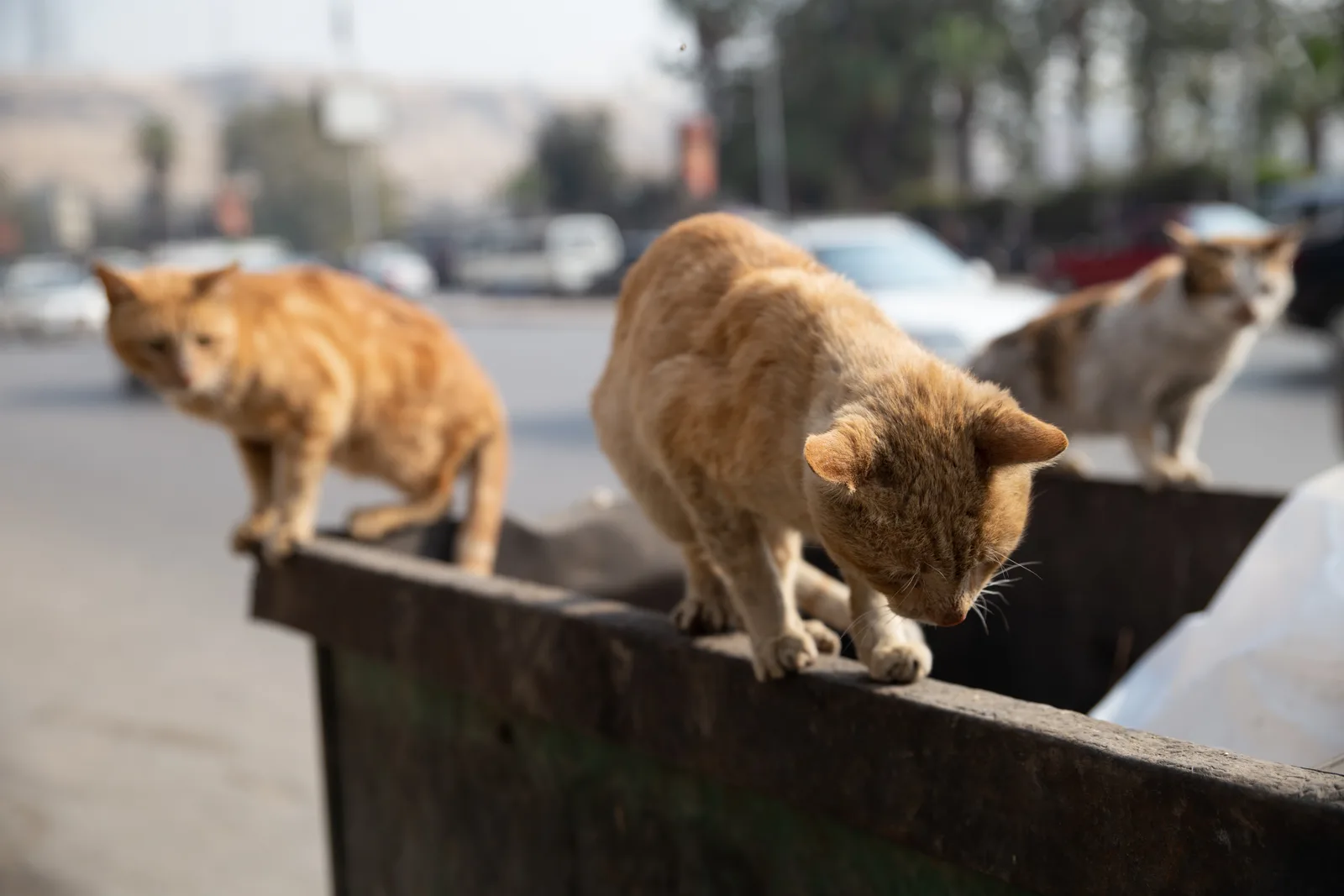
«Keda Ghalat» (Hii Si Sawa): Kudhuru Wanyama ni Kosa la Jinai Chini ya Sheria ya Adhabu ya Misri Tangu 1937
Jirani anaweka bakuli za sumu karibu na ukuta wa shule, na mmiliki wa mkokoteni anampiga punda wake usoni chini ya mzigo mzito kupita kiasi. Wengi hudhani «ni mnyama tu» maana yake hakuna sheria inayomlinda. Ukweli ni kwamba Ibara za 355, 356 na 357 za Sheria ya Adhabu zinaadhibu kuua, kutia sumu na kudhuru wanyama kwa adhabu zinazofikia kifungo jela. Katika usiku wa kuamkia Siku ya Wanyama Duniani, tunaeleza sheria inasema nini.
3 Oktoba 2026 · 6 dakika za kusoma
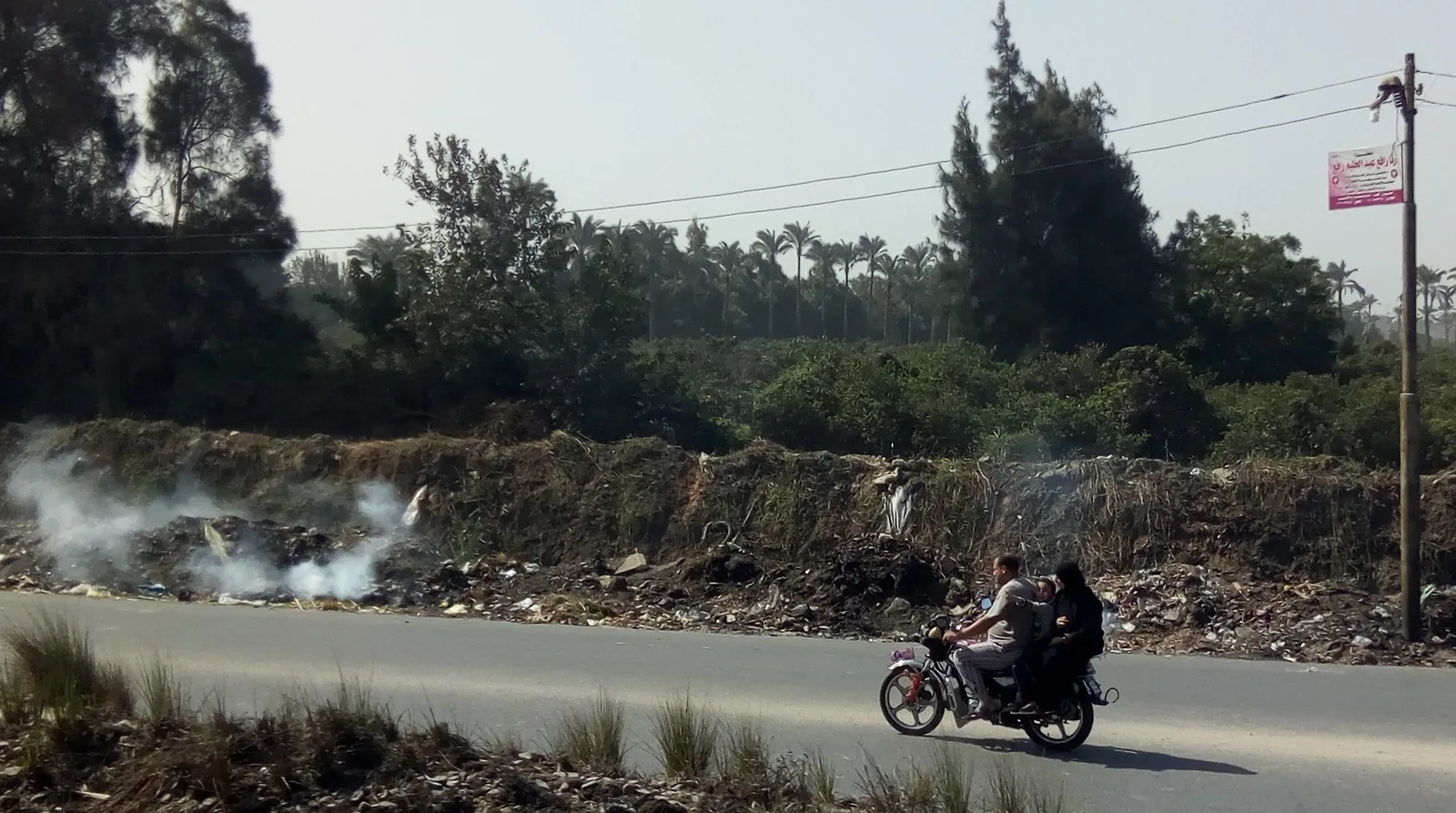
Watu Wanne Juu ya Pikipiki Bila Kofia Ngumu: Kichwa Wazi Ndicho Familia Inaweza Kupoteza Barabarani
Katika wiki ya pili ya shule, tukio lilelile hujirudia: baba akiendesha, mtoto mmoja mbele, mwingine nyuma, mama akishikilia mifuko, hakuna kofia ngumu hata moja. Ripoti za habari, zikinukuu CAPMAS, zaeleza ongezeko la vifo kutoka 190 hadi 897 kati ya 2020 na 2024, huku Cochrane ikionyesha kofia ngumu hupunguza hatari ya kifo kwa asilimia 42. Sheria imekuwa ikiadhibu kichwa wazi tangu 1999, faini iliongezwa 2008. Kwa nini hatuzingatii?
23 Septemba 2026 · 8 dakika za kusoma
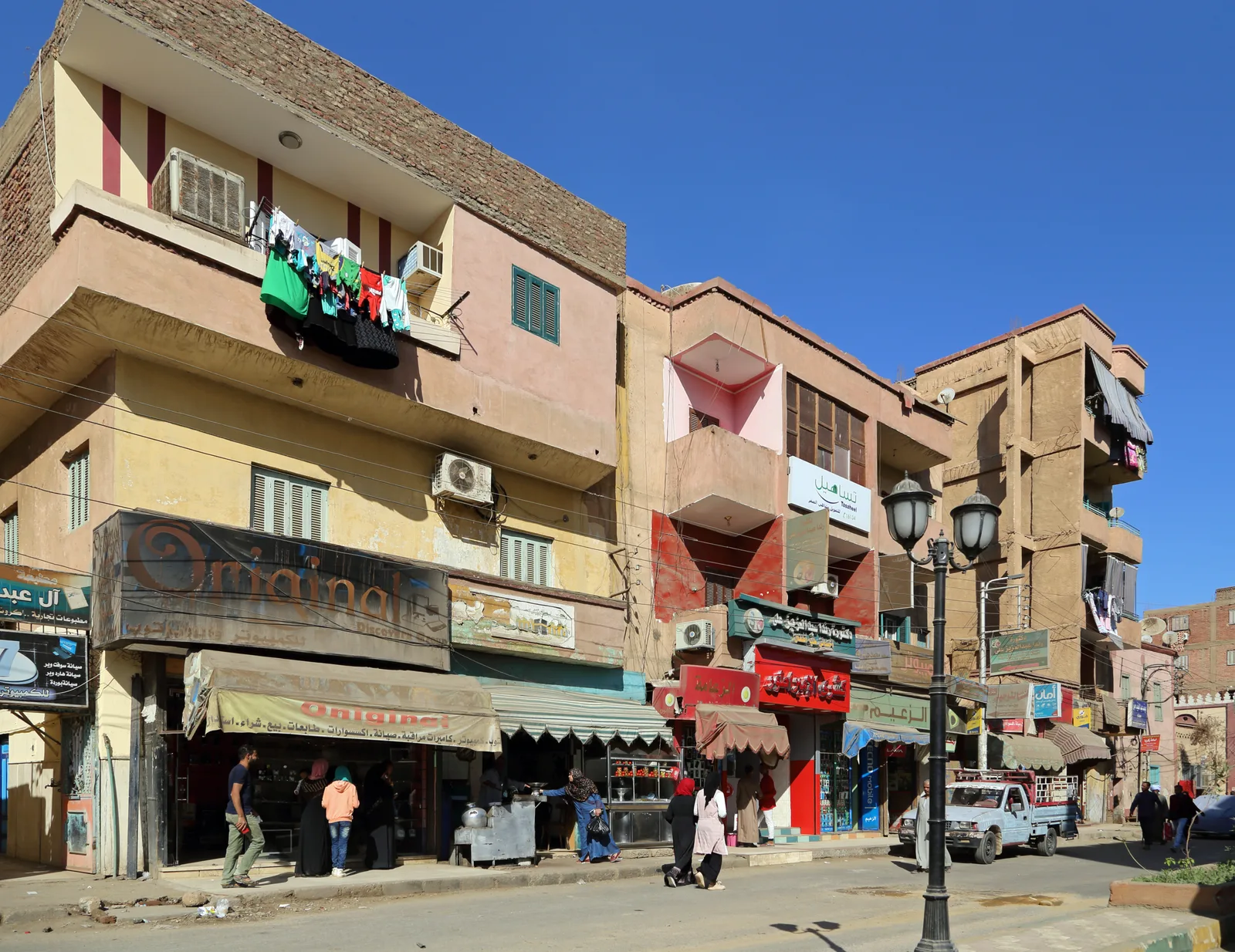
"Kuunganisha Waya Ovyo" Si Ujanja: Wizi wa Umeme ni Uhalifu Ambao Mtaa Mzima Hulipa Gharama Yake
Waya ulio wazi ukining'inia kutoka nguzo hadi roshani, kiyoyozi kikifanya kazi huku mita haizunguki, na fuse ikikatika mara ya tatu, ikizima nuru nyumbani kwa jirani aliyelipa ankara yake. Kifungu cha 71 cha Sheria ya Umeme kinaita hili kujimilikisha umeme kinyume cha sheria, huadhibiwa kwa kifungo na faini, huku marekebisho makali zaidi yakisubiri Bunge. Mtaa mzima unapoteza nini kwa muunganisho mmoja? Mbadala sahihi ni upi?
14 Septemba 2026 · 7 dakika za kusoma