Takataka Zinazorushwa Dirishani mwa Gari: Uvivu wa Sekunde Chache Unaoweza Kugharimu Maisha
Dirisha linafunguliwa, mkono unanyooshwa nje, mfuko unaanguka kwenye lami na gari linaendelea na safari. Tukio linalojirudia kila siku katika mitaa yetu — kutoka kwenye magari ya kawaida na ya kifahari vilevile. Kabla ya kuwa kosa la kisheria, ni ujumbe wa dharau kwa kila anayetembea barabarani, na mtego ambao mpita njia anaweza kutelezea na kulipa kwa uhai wake. Hii si sawa.
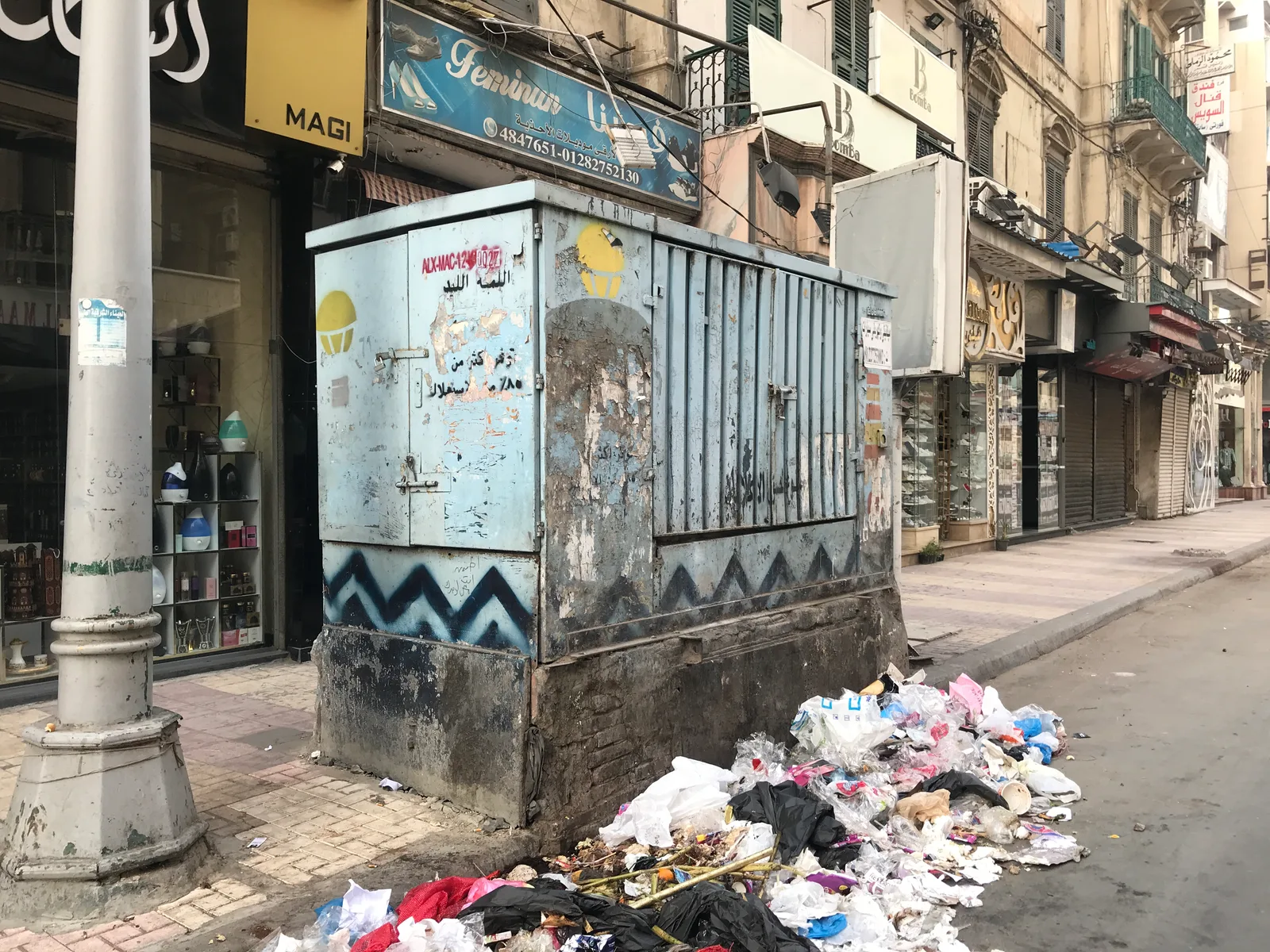
Tukio hili halihitaji maelezo marefu kwa sababu tunaliona kila siku: gari linakwenda barabarani, dirisha linafunguliwa, mkono unatoka nje ukiwa na mfuko, chupa au mabaki ya chakula, kisha vyote vinaangukia lami na gari linaendelea na safari kana kwamba hakuna kilichotokea. Kwa mwenye mkono huo, barabara ni pipa kubwa la taka, na wafagiaji wa barabara wapo ili kuokota anachotupa.
Na tuseme wazi tangu mstari wa kwanza: fahari ya gari si udhuru. Ni mara ngapi tumeona mfuko ukitupwa kutoka dirisha lenye kioo cheusi la gari ambalo bei yake ni sawa na ya nyumba? Ustaarabu si chapa wala si mwaka wa modeli; ustaarabu ni mwenendo. Anayetupa taka zake kutoka dirisha la gari lake anajitambulisha kwa njia iliyo wazi kabisa, hata awe anaendesha gari gani.
Kosa hapa ni la kimaadili kabla ya kuwa la kisheria. Barabara ni mali ya pamoja ya kila anayeitumia: mtembea kwa miguu, abiria, mchuuzi, na mtoto anayerudi kutoka shuleni. Anayemwaga taka zake hapo, kiuhalisia anawaambia wote: raha yangu ni muhimu kuliko watu hao wote, na usafi wa ndani ya gari langu unastahili barabara wanayoipita ichafuke. Hilo ni tusi, ni uchokozi na ni madhara, hata kama kitendo hicho hakileti jambo lingine lolote.
Lakini janga ni kwamba kitendo hicho kinaweza kuleta jambo baya zaidi kuliko ubaya wa kuutazama. Fikiria mwanafunzi anayekwenda shuleni asubuhi, akitembea ukingoni mwa barabara kwa sababu njia ya waenda kwa miguu imezibwa, kisha mguu wake unakanyaga ganda la tunda au mfuko wenye maji uliotupwa dakika chache zilizopita kutoka dirisha la gari lililokuwa likipita. Anateleza, anapoteza uwiano, anaangukia katika njia ya magari. Katika sekunde moja, uvivu wa mtu aliyeshindwa kuvumilia mfuko ubaki garini hadi pipa la karibu unageuka kuwa msiba unaoivunja familia nzima.
Hatuhitaji kusubiri msiba ili kukihukumu kitendo hiki. Hata katika hali nzuri kabisa, pale ambapo hakuna anayeteleza wala kudhurika, kutupa taka kutoka garini kunabaki kuwa mwenendo usio na maadili, usio na ustaarabu na unaoudhi kila anayeuona. Ubaya upo katika kitendo chenyewe, si katika matokeo yake pekee.
Na mfuko mmoja haubaki peke yake. Mfuko wa kwanza kando ya barabara ni mwaliko wazi kwa wa pili na wa tatu, hadi kando hiyo inapogeuka kuwa jaa dogo ambalo mifuko yake huruka usoni mwa madereva, huziba mifereji ya maji ya mvua na hatimaye hutua katika mifereji ya umwagiliaji na ya kutoa maji. Tabia mbaya hujijengea mazingira yake yenyewe: mahali pachafu huvutia uchafu zaidi.
Sheria nayo ina neno lake hapa, ingawa tumeiweka nafasi ya pili kwa makusudi. Kutupa taka barabarani ni kosa linaloadhibiwa chini ya sheria ya usafi wa umma ya Misri, Na. 38 ya mwaka 1967, pamoja na marekebisho yake. Maandishi hayo yapo tangu miongo kadhaa; kinachokosekana ni utekelezaji thabiti unaomfanya anayenuia kufungua dirisha afikirie mara mbili.
Kuna pia hoja iliyo tayari mdomoni ambayo tunaisikia mara nyingi: “Basi wafagiaji wa barabara wanafanya kazi gani?” Jibu ni rahisi: kuwepo kwa mtu anayefagia barabara si kibali cha kuichafua, kama vile kuwepo kwa madaktari si mwaliko wa kuwaumiza watu. Mfagiaji anastahili tuiheshimu kazi yake, si tuiongeze bure; anastahili kuhifadhiwa heshima yake, si kufanywa ufagio unaotembea nyuma ya madirisha yetu.
Anachotakiwa mwananchi ni nini? Kitu ambacho urahisi wake unakaribia kuchekesha: mfuko mdogo ndani ya gari ambamo taka hukusanywa hadi pipa la karibu. Ni hivyo tu. Na anayekiona kitendo hicho, akiseme kwa adabu na msimamo, hata kwa mtazamo tu: “Hili ni kosa.” Anayekosea akijua kuwa watu wanamwona na wanakikataa kitendo chake hubadilika haraka zaidi kuliko yule ambaye kitendo chake hupita bila neno lolote.
Na inachotakiwa dola ni nini? Mapipa ya taka ya kutosha, yaliyosambazwa kwa busara barabarani na viwanjani; utekelezaji wa kweli wa faini zilizoandikwa katika sheria ili adhabu imfikie mwenye gari kama inavyomfikia faini ya mwendo kasi; na kutumia kamera za ufuatiliaji wa trafiki zilizopo ili kunasa mwenendo huu popote inapowezekana. Sheria isiyotekelezwa hugeuka kuwa ushauri tu.
Barabara ni kioo cha wanaoipita. Mfuko unaporuka kutoka dirishani, si yeye peke yake anayeangukia lami; huanguka nayo sehemu ya sura ya jiji na sura ya watu wake. “Hili ni kosa”, na tutaendelea kulisema hadi pale mandhari ya mkono unaotoka dirishani ukiwa na mfuko itakapokuwa mandhari ya zamani.
Habari Zinazohusiana
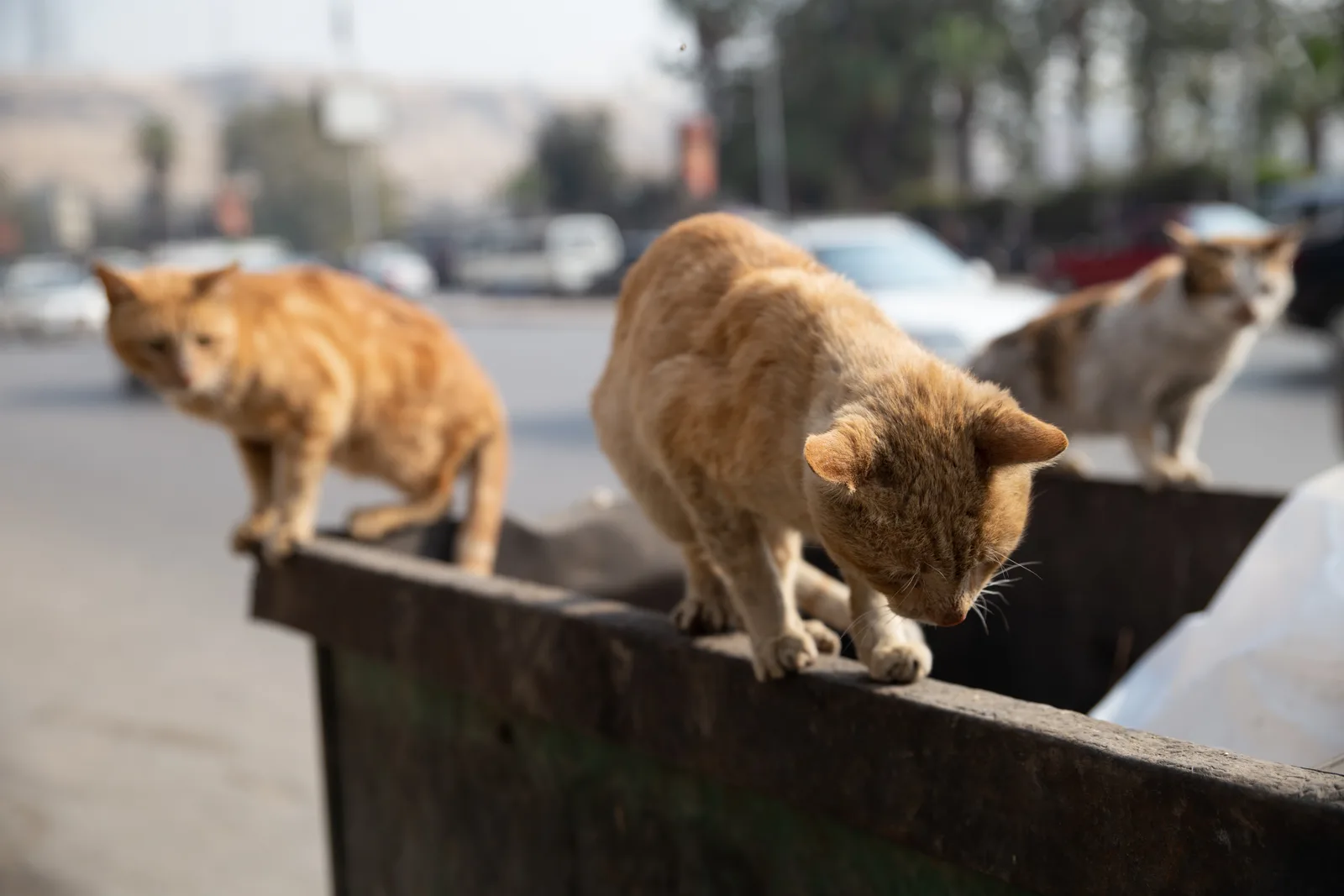
«Keda Ghalat» (Hii Si Sawa): Kudhuru Wanyama ni Kosa la Jinai Chini ya Sheria ya Adhabu ya Misri Tangu 1937
Jirani anaweka bakuli za sumu karibu na ukuta wa shule, na mmiliki wa mkokoteni anampiga punda wake usoni chini ya mzigo mzito kupita kiasi. Wengi hudhani «ni mnyama tu» maana yake hakuna sheria inayomlinda. Ukweli ni kwamba Ibara za 355, 356 na 357 za Sheria ya Adhabu zinaadhibu kuua, kutia sumu na kudhuru wanyama kwa adhabu zinazofikia kifungo jela. Katika usiku wa kuamkia Siku ya Wanyama Duniani, tunaeleza sheria inasema nini.
3 Oktoba 2026 · 6 dakika za kusoma
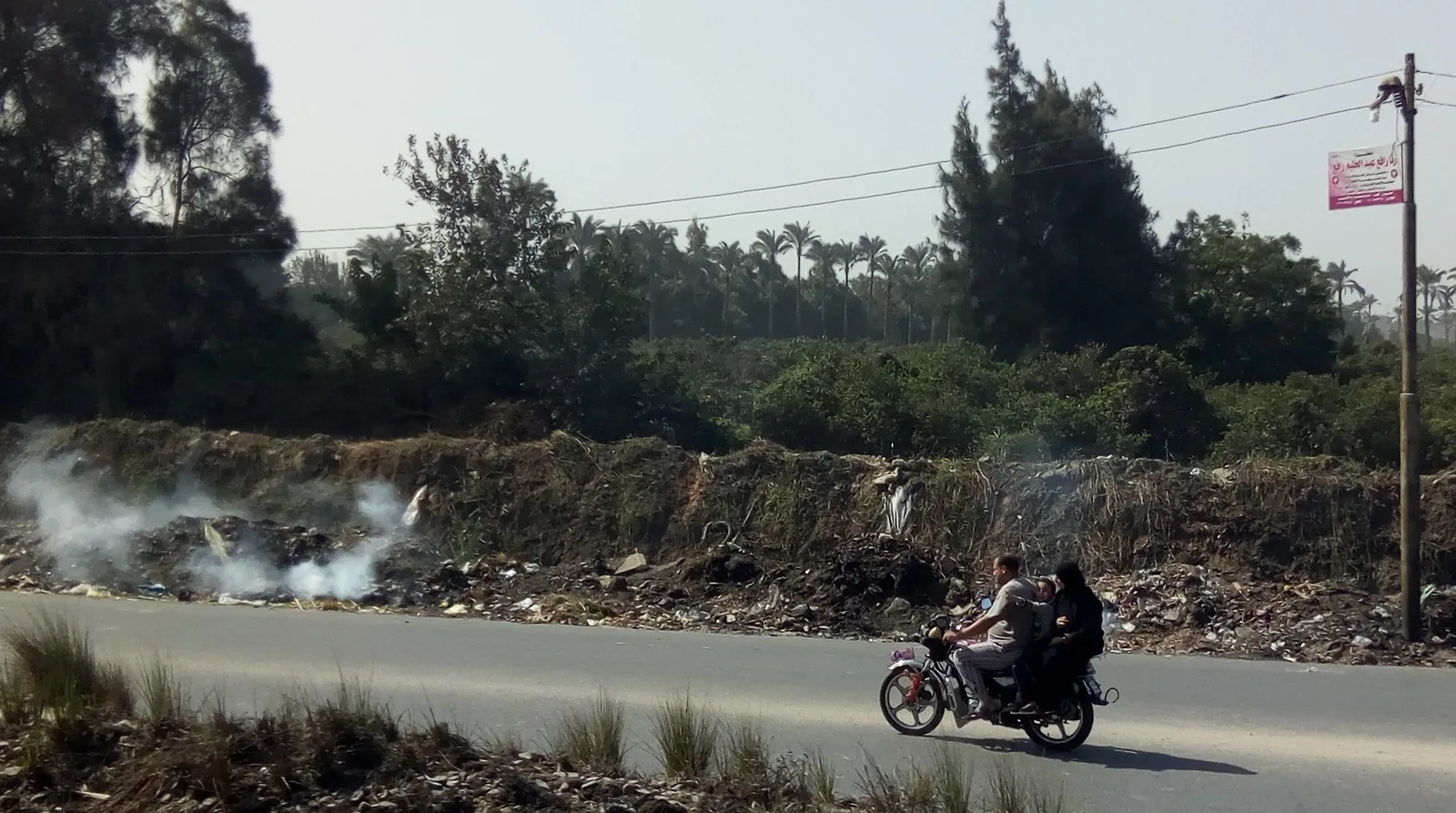
Watu Wanne Juu ya Pikipiki Bila Kofia Ngumu: Kichwa Wazi Ndicho Familia Inaweza Kupoteza Barabarani
Katika wiki ya pili ya shule, tukio lilelile hujirudia: baba akiendesha, mtoto mmoja mbele, mwingine nyuma, mama akishikilia mifuko, hakuna kofia ngumu hata moja. Ripoti za habari, zikinukuu CAPMAS, zaeleza ongezeko la vifo kutoka 190 hadi 897 kati ya 2020 na 2024, huku Cochrane ikionyesha kofia ngumu hupunguza hatari ya kifo kwa asilimia 42. Sheria imekuwa ikiadhibu kichwa wazi tangu 1999, faini iliongezwa 2008. Kwa nini hatuzingatii?
23 Septemba 2026 · 8 dakika za kusoma
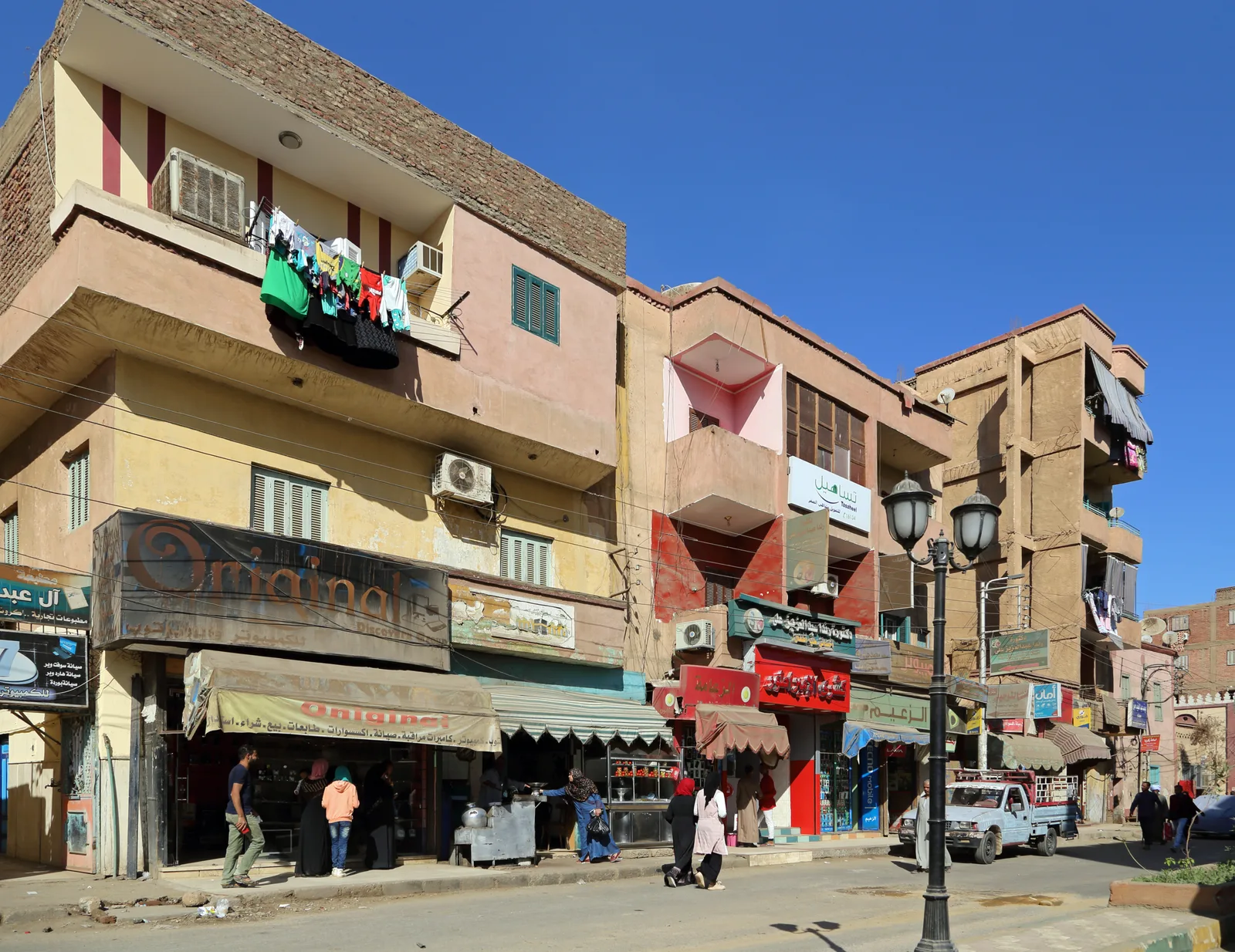
"Kuunganisha Waya Ovyo" Si Ujanja: Wizi wa Umeme ni Uhalifu Ambao Mtaa Mzima Hulipa Gharama Yake
Waya ulio wazi ukining'inia kutoka nguzo hadi roshani, kiyoyozi kikifanya kazi huku mita haizunguki, na fuse ikikatika mara ya tatu, ikizima nuru nyumbani kwa jirani aliyelipa ankara yake. Kifungu cha 71 cha Sheria ya Umeme kinaita hili kujimilikisha umeme kinyume cha sheria, huadhibiwa kwa kifungo na faini, huku marekebisho makali zaidi yakisubiri Bunge. Mtaa mzima unapoteza nini kwa muunganisho mmoja? Mbadala sahihi ni upi?
14 Septemba 2026 · 7 dakika za kusoma