Njia ya Waenda kwa Miguu ni Haki ya Mwananchi: Vibanda Vinavyowasukuma Wapita Njia Kifoni Katikati ya Barabara
Mama anasukuma kigari cha mtoto katikati ya magari, na mzee anapapasa njia yake kando ya mabasi madogo, kwa sababu njia ya waenda kwa miguu iliyojengwa kwa ajili yao imemezwa na kibanda, majokofu ya vinywaji na bidhaa zilizoanikwa. Kibanda juu ya njia hiyo — hata kikiwa na leseni — kinapora njia iliyojengwa kwa ajili ya watu na kuwasukuma kwenye mto wa barabara. Hii si sawa: njia ya waenda kwa miguu si mali ya kukodishwa, bali ni mshipa wa usalama wa kila mwananchi.
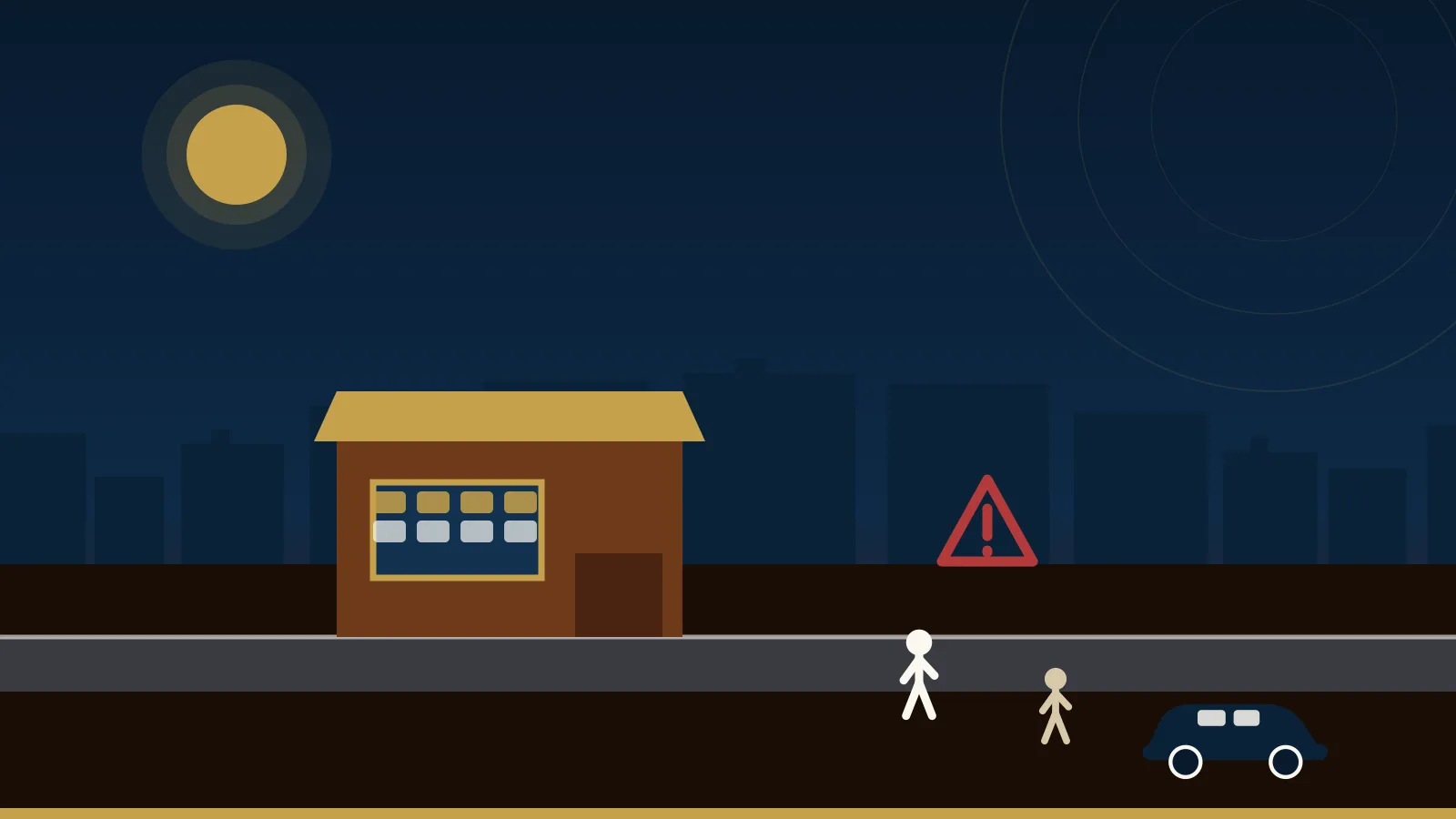
Jaribu kutembea barabara kuu ya mji wowote wa Misri kuanzia mwanzo hadi mwisho ukiwa juu ya kijia cha watembea kwa miguu, bila kushuka hata mara moja hadi barabarani. Katika vitongoji vingi utashindwa kabla hujakamilisha mita mia moja: kibanda cha sigara na vinywaji baridi kimepanuka hadi kuwa duka kamili, friji na makasha ya bidhaa, vivuli na viti, hadi kwa watembea kwa miguu kusibaki ila ukanda mwembamba au hakuna kitu kabisa. Matokeo ni mandhari ya kila siku tuliyoizoea kiasi cha kusahau uzito wake: binadamu wanatembea katikati ya magari kwa sababu njia yao maalum imevamiwa.
Na tuseme yalivyo: hili si suala la urembo wala la “sura ya kistaarabu” pekee, bali ni suala la usalama na la uhai. Watembea kwa miguu wanaposhuka barabarani wanajikuta uso kwa uso na magari na pikipiki, na walio dhaifu zaidi ndio walio hatarini zaidi: mtoto aendaye shule, mama asukumaye kigari cha mtoto wake mchanga, mzee mwenye hatua nzito, na watu wenye ulemavu ambao kwao kupita katika mji usio na vijia salama ni jambo lisilowezekana kabisa. Kila kibanda kinachoziba kijia kinawasukuma watu hawa moja kwa moja kuelekea hatarini.
Hata kabla ya sheria, hili ni kosa la kimaadili lililo wazi. Kijia cha watembea kwa miguu ni mali ya umma kamili, kilichojengwa kwa fedha za watu wote ili watembee juu yake kwa usalama; anayekivamia kwa biashara yake binafsi anamwambia kila mpita njia, kivitendo: maslahi yangu ni muhimu kuliko usalama wako, shuka wewe barabarani na ubebe hatari mwenyewe. Hii ndiyo dharau ya kila siku ambayo safu hii inaikusudia: jeraha dogo linalojirudia kwenye heshima ya mwananchi anapopapasa njia yake katikati ya magari nchini mwake.
Na hapa tunafika mahali ambapo lazima paelezwe kwa ujasiri: leseni haigeuzi kosa kuwa jambo sahihi. Kibanda kilichopewa leseni na halmashauri kisha kikapanuka hadi kumeza kijia hakina madhara madogo kuliko kibanda cha ovyo; huenda ni kibaya zaidi, kwa sababu kinavamia njia ya umma kikiwa na mhuri rasmi. Leseni inaruhusu shughuli ndani ya mipaka iliyochorwa, wala haiwezi kamwe kuwa hati ya umiliki wa njia ya watembea kwa miguu. Na mamlaka inapotoa leseni inayofanya kutembea juu ya kijia kuwa jambo lisilowezekana, mamlaka hiyo yenyewe ni mshirika katika kosa.
Sheria ya Misri iliamua kanuni hii tangu miongo kadhaa iliyopita: Sheria ya Uvamizi wa Barabara za Umma Na. 140 ya mwaka 1956 inasimamia uvamizi wowote wa njia ya umma na kuufanya kuwa jambo la kipekee linalohitaji leseni na masharti, si kanuni isiyo na mipaka, kwa sababu asili ni kwamba barabara na kijia ni haki ya pamoja ya wapita njia. Yaani msingi wa kisheria upo, kanuni imekwisha amuliwa, na kinachokosekana — kama ilivyo kawaida katika mafaili ya safu hii — ni utekelezaji thabiti usiotofautisha kati ya kibanda kidogo, mkahawa mkubwa na duka maarufu lililotandaza bidhaa zake mita kadhaa mbele ya kioo chake.
Na hapa pia tuwe wenye haki kwa wamiliki wa vibanda: wengi wao ni wakuu wa familia wanaotafuta riziki, na kibanda ndicho mradi wao pekee; haiifai kampeni ya kimaadili kugeuka vita dhidi ya riziki ya wanyonge. Lakini kuwa na haki hakumaanishi kukubali madhara: riziki ya halali haijengwi kwa kuhatarisha maisha ya wapita njia. Suluhisho si kufuta vibanda, bali kuvidhibiti: eneo maalum linaloheshimiwa, njia ya watembea kwa miguu isiyoguswa, na maeneo mbadala yaliyopangwa pale ambapo kijia hakitoshi.
Fikiria pamoja nasi picha ya kinyume; si ndoto, kwani ipo katika miji mingi duniani na katika barabara za Misri ambazo tayari zimepangwa upya: kijia kinachoendelea bila kukatika, kibanda kikiwa mahali kilichopangiwa bila kuvuka, na mama akisukuma kigari cha mtoto wake kutoka mwanzo wa barabara hadi mwisho wake bila kushuka hata mara moja barabarani. Tofauti kati ya picha hizi mbili si bajeti ya kufikirika, bali ni utashi wa kutekeleza na heshima ya pande zote kwa mipaka iliyochorwa.
Tunachotaka kwa mwenye kibanda: shika mipaka ya leseni yako kwa sentimita; friji ya ziada na kasha la bidhaa lililosukumwa mbele si ujanja, bali ni uvamizi wa njia ya watu. Na jiulize swali tunalowauliza mashujaa wote wa safu hii: je, ungeridhika mama yako au binti yako atembee katikati ya magari kwa sababu kijia chake kimevamiwa?
Na tunachotaka kwa serikali na halmashauri za mitaa: kupitia upya leseni za uvamizi kwa kigezo kimoja cha wazi, yaani kubaki kwa njia ya watembea kwa miguu inayoendelea na yenye upana wa kutosha; kuondoa kila kinachoziba vijia bila upendeleo kwa mkubwa wala ukatili unaofagia riziki ya mdogo bila mbadala; kutoa maeneo mbadala yaliyopangwa pale inapohitajika; na kuingiza haki ya watembea kwa miguu katika kila mpango au ujenzi mpya wa barabara, kwani kijia kinachojengwa kisha kikaachwa kivamiwe kimepoteza mara mbili: mara moja kwa fedha na mara nyingine kwa kazi yake.
Kijia cha watembea kwa miguu ni mtihani mdogo wa wazo kubwa: je, barabara ni mali ya wote, au ya yule aliyeweka mkono wake kwanza? Kila mita ya kijia inayorudishwa kwa watembea kwa miguu ni ujumbe kwamba haki ya mnyonge inalindwa, hata kama ni haki ya kupita tu. Na kila kibanda kinachomeza njia na kuwasukuma watu barabarani ni ujumbe wa kinyume tunaoukataa: hili ni kosa, na kijia ni haki ya mwananchi kabla ya maslahi yoyote.
Habari Zinazohusiana
«Keda Ghalat» (Hii Si Sawa): Kudhuru Wanyama ni Kosa la Jinai Chini ya Sheria ya Adhabu ya Misri Tangu 1937
Jirani anaweka bakuli za sumu karibu na ukuta wa shule, na mmiliki wa mkokoteni anampiga punda wake usoni chini ya mzigo mzito kupita kiasi. Wengi hudhani «ni mnyama tu» maana yake hakuna sheria inayomlinda. Ukweli ni kwamba Ibara za 355, 356 na 357 za Sheria ya Adhabu zinaadhibu kuua, kutia sumu na kudhuru wanyama kwa adhabu zinazofikia kifungo jela. Katika usiku wa kuamkia Siku ya Wanyama Duniani, tunaeleza sheria inasema nini.
3 Oktoba 2026 · 6 dakika za kusoma
Watu Wanne Juu ya Pikipiki Bila Kofia Ngumu: Kichwa Wazi Ndicho Familia Inaweza Kupoteza Barabarani
Katika wiki ya pili ya shule, tukio lilelile hujirudia: baba akiendesha, mtoto mmoja mbele, mwingine nyuma, mama akishikilia mifuko, hakuna kofia ngumu hata moja. Ripoti za habari, zikinukuu CAPMAS, zaeleza ongezeko la vifo kutoka 190 hadi 897 kati ya 2020 na 2024, huku Cochrane ikionyesha kofia ngumu hupunguza hatari ya kifo kwa asilimia 42. Sheria imekuwa ikiadhibu kichwa wazi tangu 1999, faini iliongezwa 2008. Kwa nini hatuzingatii?
23 Septemba 2026 · 8 dakika za kusoma
"Kuunganisha Waya Ovyo" Si Ujanja: Wizi wa Umeme ni Uhalifu Ambao Mtaa Mzima Hulipa Gharama Yake
Waya ulio wazi ukining'inia kutoka nguzo hadi roshani, kiyoyozi kikifanya kazi huku mita haizunguki, na fuse ikikatika mara ya tatu, ikizima nuru nyumbani kwa jirani aliyelipa ankara yake. Kifungu cha 71 cha Sheria ya Umeme kinaita hili kujimilikisha umeme kinyume cha sheria, huadhibiwa kwa kifungo na faini, huku marekebisho makali zaidi yakisubiri Bunge. Mtaa mzima unapoteza nini kwa muunganisho mmoja? Mbadala sahihi ni upi?
14 Septemba 2026 · 7 dakika za kusoma